
Why Is My Cat Suddenly Aggressive? Pain, Fear or Illness
By RexVet Team | Reviewed by Dr. Tiffany Delacruz, DVM
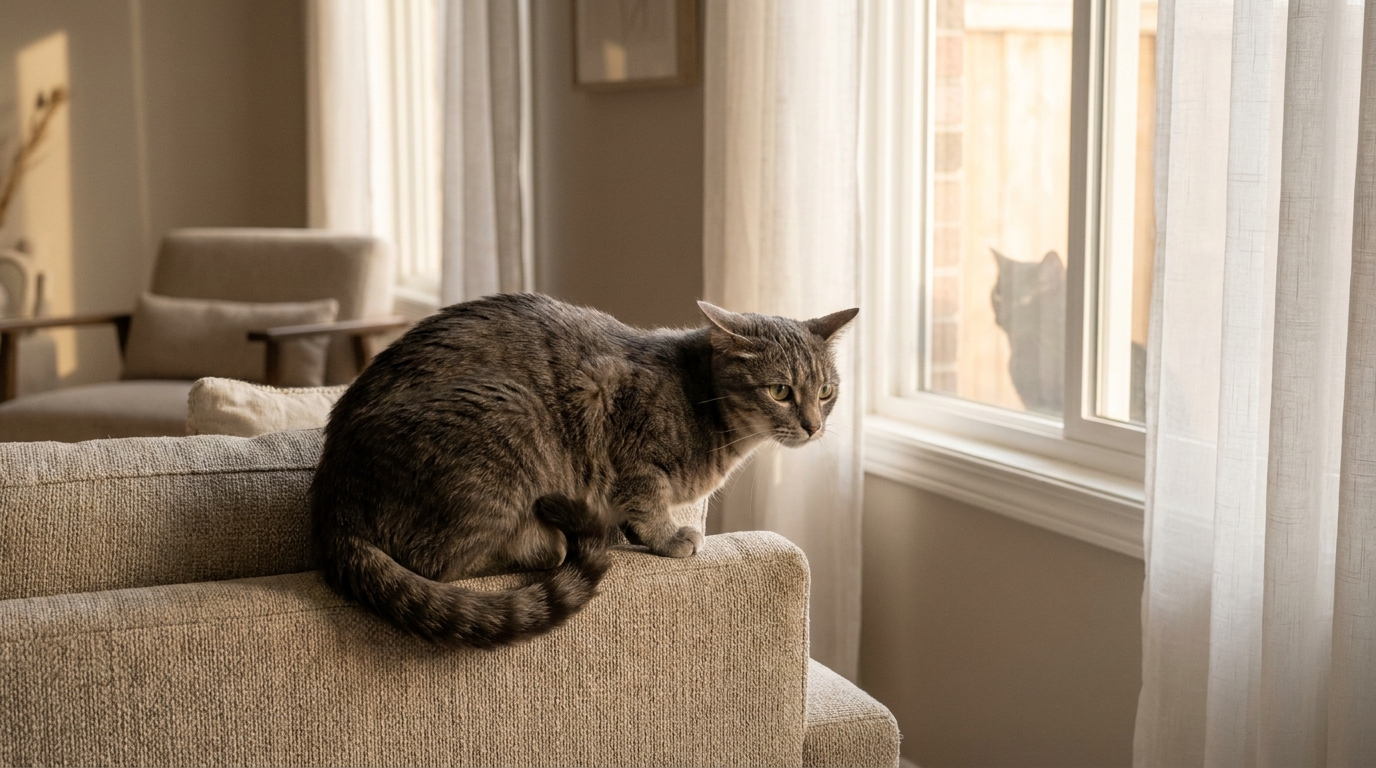
Why is my cat suddenly aggressive? A sudden change usually has a trigger, and pain, illness or fear should be ruled out before any training plan.
Get your cat seen in person today, or at an emergency vet tonight, if the new aggression comes with straining in the litter box, crying out, hiding and not eating, stumbling, circling or a seizure, or a fresh fight wound; and if a cat bite breaks your skin, call your own doctor.
Why is my cat suddenly aggressive? Start with the body
A cat that suddenly hisses, swats or bites is frightening, especially when the same cat used to curl up on your lap. You may be wondering whether your cat is acting out or hurting.
The Cornell Feline Health Center puts it plainly: "The first step in managing an aggressive cat is to ensure that there is no medical reason for aggressive behavior." Cornell adds: "Diseases such as hyperthyroidism, osteoarthritis, dental disease, and central nervous system problems may cause aggression."
The ASPCA gives a longer list of medical conditions that can cause or contribute to aggression: "toxoplasmosis, hyperthyroidism, epilepsy, abscesses, arthritis, dental disease, rabies, trauma, and sensory decline or cognitive dysfunction in older cats." The ASPCA also says the first step in resolving an aggression problem "is to have a complete veterinary exam."
Rabies is on that ASPCA list too, which is one more reason a sudden change in temper calls for a veterinary exam rather than a wait-and-see approach. If your cat bites you, call your own doctor.
Same-day and emergency signs
Some changes in behavior come with physical signs that cannot wait. These signs need an in-person vet today, or an emergency vet tonight:
- Straining in the litter box, or passing little or no urine
- Crying out when touched or when moving
- Hiding and not eating
- Stumbling, circling or a seizure
- A fresh fight wound or a swelling that could be an abscess
- A bite that broke your skin (call your own doctor)
A cat straining in the litter box and passing little or no urine needs an emergency vet now. If you are unsure whether any urine is coming out, go now rather than waiting to see.
For more on why, read our guides on a male cat straining to pee and our pet emergency checklist once your cat is on the way to care.
How pain can make a cat aggressive
Pain is one of the first things a veterinarian will think about. Cornell explains: "Cats that are in pain may act aggressively toward people or other pets in an attempt to avoid touch, movement, or certain activities that might worsen the pain."
Arthritis is a good example. According to Cornell, "Cats with osteoarthritis, for example, may resent having their joints touched or manipulated, and may hiss, bite, or scratch in response." So a cat aggressive when touched or picked up may be protecting a sore joint.
Look at how your cat moves around the house, too. Cornell notes that a cat with arthritis "may have trouble hopping in and out of its litter box." If you have noticed that, mention it to your veterinarian along with the change in temper.
A sore mouth matters as well. Dental disease is on both the Cornell and ASPCA lists, so your cat's teeth and gums are worth checking when you look for the cause.
As the ASPCA puts it, "even a well-socialized, normally docile cat can lash out when he's hurt." For clues to watch for at home, see our guide on how to tell if your cat is in pain and our cat dental disease guide.
Hyperthyroidism and other illness in older cats
A senior cat aggressive for the first time deserves a careful look for illness. Hyperthyroidism "is a common disease in cats, and mostly afflicts cats middle-aged and older," according to the Cornell Feline Health Center. In this condition the thyroid gland makes more thyroid hormone than it should, and Cornell's aggression page lists hyperthyroidism among the diseases that "may cause aggression."
Cornell says "the most common clinical signs of hyperthyroidism are weight loss, increased appetite, and increased thirst and urination." If you have noticed any of these alongside the new temper, tell your veterinarian.
Confirming it takes an in-person exam and blood work: Cornell says the vet "will likely order a blood chemistry panel and an analysis of thyroid hormone levels." Your vet can explain what the results mean for your cat and what the next steps are.
Hyperthyroidism is not the only concern in older cats. The ASPCA also lists arthritis, dental disease, and "sensory decline or cognitive dysfunction in older cats." Any of these is a reason to have an older cat examined before assuming the problem is purely behavioral.
If your cat is also thinner but still eating well, read our guide on a cat losing weight but eating normally. Our senior cat care guide covers other changes that come with age.
Redirected, fear and petting aggression
Once pain and illness are ruled out, the pattern of the attacks can point to the kind of aggression involved.
Redirected aggression
If it feels like your cat is attacking you out of nowhere, redirected aggression is worth considering. It happens when a cat is worked up by something it cannot reach and turns on whoever is closest. Cornell says common triggers "include loud noises, seeing an outdoor or stray cat through a window, or an altercation with another cat in the house."
This type needs extra caution. The ASPCA warns that redirected aggression "is probably the most dangerous type of cat aggression because the bites are uninhibited." The ASPCA also says it is never a good idea to break up a cat fight or approach an agitated cat, so do not pick up or try to calm a cat in this state. Cornell suggests removing the trigger where you can, for example by pulling down a window shade.
Fear aggression
Fear aggression can show up when a cat meets something unfamiliar, such as a new person, animal or noise, or something it links with a bad experience, such as a trip to the vet. Cornell says these cats "may flatten their ears against their heads, hiss, bare their teeth, or crouch low to the ground with their tail tucked under their body, and their fur may stand on end." Give a frightened cat space rather than trying to comfort it.
Petting-induced aggression
A cat suddenly biting in the middle of a cuddle can feel very personal. Cornell notes that "some cats may suddenly become aggressive when being petted"; the reason is not fully known, but overstimulation and wanting to control when petting ends are possible explanations.
Cornell says many cats show dilated pupils, tail lashing, and ears moved backward before biting. At the first sign, stop petting and give a cooling-down period with no physical contact.
Staying safe at home right now
Until you know what is behind the change, your job is to keep people and pets safe and keep your cat's stress low. The ASPCA's rule of thumb is "to not touch, attempt to reassure, or punish cats showing these postures!"
Cornell adds: "Any type of physical punishment can increase a cat's fear or anxiety and worsen aggression." That includes yelling, chasing and swatting.
Practical steps for today:
- Give your cat a quiet room of its own with food, water and a litter box.
- Keep your hands and face away from your cat, and keep children and other pets out of that room.
- Do not force your cat into a carrier while it is still aroused.
- Block the view of any outdoor cats that seem to set things off.
While your cat is still puffed up, hissing or growling, leave it alone in its quiet room and do not try to play or interact. Once it is relaxed again, a toy kept well away from your hands is a safer way to engage than your fingers (Cornell).
Take bites seriously. The ASPCA notes that "cats can bite and inflict severe lacerations, which are painful and can easily become infected." If a bite does break your skin, please contact your own doctor for human medical guidance.
What a RexVet online vet can and cannot do for a suddenly aggressive cat
If none of the emergency signs above apply, a video visit lets a veterinarian see your cat at home, without a carrier or a car ride. That matters when handling your cat is the very thing that sets it off.
On video, the veterinarian can watch your cat move, eat and react at home without anyone handling it. The vet can take the history, including your cat's age, when the attacks happen, appetite, thirst, litter box habits and any new pets or changes at home, and look for a pain posture. Together you can build a safety and behavior plan, including how to get a low-stress in-person exam if one is needed.
A video visit cannot feel joints, examine teeth closely or draw blood for thyroid testing, so an in-person exam may still be needed.
If the veterinarian decides medication is appropriate, they can prescribe where state rules allow. In Florida, telehealth-only prescribing is limited to a 14-day supply with no renewal without an in-person exam, and no controlled substances are prescribed by video. For aggression, Cornell notes that medications may help, but only in combination with behavior and environment changes, so the plan starts with ruling out pain and illness.
RexVet's veterinarians are licensed in Florida, New York and Virginia and are available 24/7, including nights, weekends and holidays. A video visit is $64.99 for pet parents in Florida, New York and Virginia only. When you are ready, book a RexVet video visit.
To learn more about how video care works for cats, see our pages on the online vet for cats and low-stress televet help for cats.
When an aggressive cat needs to be seen in person in Florida, New York or Virginia
Some causes of a cat being suddenly aggressive can only be found with hands-on care. Plan an in-person exam if your cat has:
- Signs of pain, such as limping, crying out, or not wanting to jump
- Weight loss despite a big appetite
- Signs of a sore mouth or dental disease
- Neurological signs, such as stumbling, circling or a seizure
If you see any of the emergency signs above, go to a clinic or emergency vet now. Do not wait for a video call to decide.
Behavior help can go further when home steps are not enough. Cornell says aggression that "cannot be managed" with home techniques "may require consultation with a veterinary behaviorist."
In Florida, the telehealth veterinarian must give you the contact information for at least one physical veterinary clinic near you, so a hands-on exam is easy to arrange if it is needed. You can read more about video care in your state on our pages for Florida, New York and Virginia.
Frequently Asked Questions
Why did my cat suddenly attack me?
A sudden attack usually has a trigger. It may be redirected aggression after your cat saw another cat outside, fear of something new, or pain when you touched a sore spot. Cornell and the ASPCA both put a veterinary check for a medical cause first, so start by ruling out pain and illness.
Can pain make a cat aggressive?
Yes. Cornell notes cats in pain may lash out to avoid touch or movement; arthritis and dental disease are common examples. See the pain section above for signs to look for at home.
Can hyperthyroidism cause aggression in cats?
It can. Cornell names hyperthyroidism among diseases that may cause aggression, and lists weight loss, increased appetite, and increased thirst and urination as the most common signs. Diagnosis needs an in-person visit, where the vet will likely order blood work that includes thyroid hormone levels.
What should I do when my cat attacks?
Step back and let your cat be. Do not reach for it, pick it up or punish it. Once everyone is safe, move your cat to a quiet room with its own supplies and wait until it is calm before you try again. If a bite broke your skin, call your own doctor.
Can an online vet help an aggressive cat?
If none of the emergency signs apply, a video visit can help. The vet can watch your cat at home, take a detailed history and help you plan next steps. A vet cannot feel joints, look closely at teeth or draw blood for a thyroid test by video, so some cats will still need an in-person exam.
A cat that turns on you suddenly is not being spiteful. Rule out pain and illness first, then work on a behavior plan, with an in-person exam when needed. RexVet's veterinarians are licensed in Florida, New York and Virginia and are available 24/7 for pet parents in those three states only. A video visit is $64.99, and you can book a video visit now.
FAQs
Why did my cat suddenly attack me?
A sudden attack usually has a trigger. It may be redirected aggression after your cat saw another cat outside, fear of something new, or pain when you touched a sore spot. Cornell and the ASPCA both put a veterinary check for a medical cause first, so start by ruling out pain and illness.
Can pain make a cat aggressive?
Yes. Cornell notes cats in pain may lash out to avoid touch or movement; arthritis and dental disease are common examples. See the pain section above for signs to look for at home.
Can hyperthyroidism cause aggression in cats?
It can. Cornell names hyperthyroidism among diseases that may cause aggression, and lists weight loss, increased appetite, and increased thirst and urination as the most common signs. Diagnosis needs an in-person visit, where the vet will likely order blood work that includes thyroid hormone levels.
What should I do when my cat attacks?
Step back and let your cat be. Do not reach for it, pick it up or punish it. Once everyone is safe, move your cat to a quiet room with its own supplies and wait until it is calm before you try again. If a bite broke your skin, call your own doctor.
Can an online vet help an aggressive cat?
If none of the emergency signs apply, a video visit can help. The vet can watch your cat at home, take a detailed history and help you plan next steps. A vet cannot feel joints, look closely at teeth or draw blood for a thyroid test by video, so some cats will still need an in-person exam.
A cat that turns on you suddenly is not being spiteful. Rule out pain and illness first, then work on a behavior plan, with an in-person exam when needed. RexVet's veterinarians are licensed in Florida, New York and Virginia and are available 24/7 for pet parents in those three states only. A video visit is $64.99, and you can book a video visit now.
Medically Reviewed
Reviewed by Dr. Tiffany Delacruz, DVM — licensed veterinarian and CEO of RexVet. Last reviewed September 22, 2026.
Content is for informational purposes and does not replace professional veterinary advice.
Chief Executive Officer · Licensed Veterinarian
Dr. Delacruz is a licensed Doctor of Veterinary Medicine specializing in preventive care and veterinary telehealth. She reviews all health content on RexVet to ensure accuracy and clinical relevance.
Sources & References
- · American Veterinary Medical Association — Telehealth Guidelines
- · AVMA — Pet Care Resources
- · U.S. FDA — Animal & Veterinary
Need an Expert Opinion on This Topic?
Connect with a certified vet via video call in minutes
Talk to Vet Now