
How to Tell If Your Cat Is in Pain
By RexVet Team | Reviewed by Dr. Tiffany Delacruz, DVM
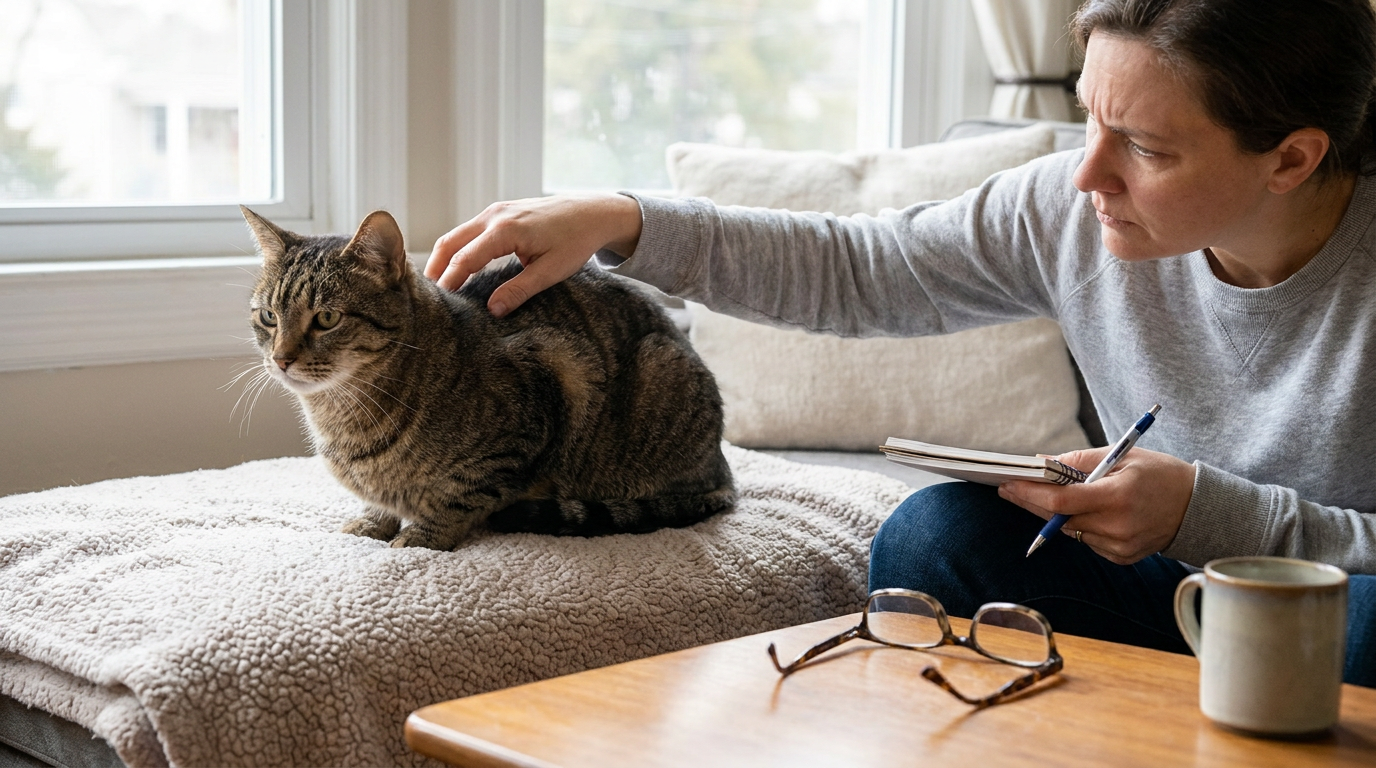
Understanding How to Tell If Your Cat Is in Pain is a vital skill for every pet parent. Because cats are evolutionarily hardwired to mask illness to avoid appearing vulnerable to predators, they often suffer in silence. Recognizing the subtle signs of pain in cats requires you to act as a detective, observing even minor shifts in their daily routine.
Learning How to Tell If Your Cat Is in Pain involves looking beyond obvious injuries. You might notice your cat sleeping more than usual, avoiding jumps to high perches, or showing less interest in grooming. These behavioral changes are often the first indicators that something is wrong. Whether it is a change in appetite or a sudden withdrawal from social interaction, early detection is key to ensuring your companion stays comfortable.
If you suspect your feline friend is not acting normal, you do not have to navigate the uncertainty alone. At RexVet, we provide affordable, 24/7 virtual consultations to help you triage these concerns from the comfort of your home. If your cat is acting differently, ask a licensed vet online for $64.99 to get the expert guidance you need today.
Why Cats Hide Their Pain
In the wild, cats occupy a unique position as both predators and prey. This dual nature is the primary reason why they are evolutionarily hardwired to mask physical discomfort. By hiding signs of weakness, they avoid signaling vulnerability to potential threats. For a domestic cat, this instinct remains deeply embedded, making it difficult for even the most attentive owners to recognize when their pet is struggling. Learning How to Tell If Your Cat Is in Pain is essential because, by the time a cat displays obvious distress, the underlying issue may already be advanced.
Understanding this survival mechanism is the first step in effective pet care. Because they do not vocalize discomfort like humans, you must watch for subtle shifts in their baseline behavior. If you are researching How to Tell If Your Cat Is in Pain, remember that your cat is not trying to be difficult; they are simply following an ancient biological imperative to stay safe. Recognizing that this silence is a protective strategy rather than a lack of symptoms empowers you to look closer at minor changes in their daily habits. Being proactive allows you to identify issues early, ensuring your companion receives the support they need.
Common Signs of Pain in Cats
When learning How to Tell If Your Cat Is in Pain, it is helpful to look for specific physical markers. You can use the Feline Grimace Scale, which scores ear position, orbital tightening, muzzle tension, and whisker changes to assess discomfort. These subtle cues are often the first signs that your cat is not acting normal.
Symptom Category | Specific Indicators |
|---|---|
Posture | Hunched back, head held low, or tucked tail |
Facial Cues | Squinted eyes or flattened ears |
Movement | Stiff gait or hesitation before jumping |
If you notice these behaviors, knowing How to Tell If Your Cat Is in Pain allows you to act quickly. While some changes are mild, others indicate that professional veterinary care is required. If you are unsure about your pet's condition, our team at RexVet can help you triage these symptoms from home. If your cat is acting differently, ask a licensed vet online for $64.99 to determine if an urgent in-person visit is necessary. Early intervention is the best way to keep your feline friend comfortable and healthy.
Recognizing Subtle Behavioral Changes
When you are learning How to Tell If Your Cat Is in Pain, focus on their daily maintenance habits. A healthy cat is a meticulous groomer, so a sudden disheveled coat or matted fur along the back and tail often signals that reaching those areas has become physically painful. You might also notice a significant drop in activity levels, where your cat stops engaging in play or avoids their favorite vertical climbing spots. These shifts are not just laziness; they are often indicators of chronic discomfort or joint inflammation.
Another key aspect of How to Tell If Your Cat Is in Pain involves monitoring their social behavior. A cat that usually greets you at the door but suddenly chooses to stay hidden under a bed or inside a dark closet is likely attempting to self-protect. If you notice your cat is not acting normal, such as becoming irritable when touched or showing sudden changes in their litter box habits, these are critical red flags. If your cat is acting differently, ask a licensed vet online for $64.99 to get professional, stress-free guidance on whether your pet needs urgent care.
Physical Symptoms and Posture Clues
When observing your pet, physical posture and movement patterns offer vital clues. A common way How to Tell If Your Cat Is in Pain involves watching their vertical mobility. If your cat suddenly stops jumping onto high surfaces like cat trees, windowsills, or kitchen counters, they may be experiencing joint discomfort or spinal sensitivity. Instead of leaping, they might test the height with their paws or look for alternative, lower routes to reach their destination.
Posture is equally telling. A cat in discomfort often adopts a hunched or tucked posture, keeping their weight shifted forward with their tail wrapped tightly around their body. This stance helps them protect their abdomen and minimize movement in sore joints. You might also notice a stiff, robotic gait when they walk, or a reluctance to stretch after waking from a nap. If you are wondering How to Tell If Your Cat Is in Pain, these subtle shifts in physical confidence are often the first red flags. Because cats are masters at masking, any hesitation in their usual agile lifestyle warrants a closer look. If your cat is acting differently, ask a licensed vet online for $64.99 to discuss these physical changes and determine if a clinical evaluation is needed.
Distinguishing Between Pain and Stress
Distinguishing between behavioral changes caused by stress versus physical discomfort is a common challenge for pet owners. When learning How to Tell If Your Cat Is in Pain, it helps to compare these states, as they often overlap but stem from different triggers. Stress-related behaviors, such as hiding or over-grooming, are typically situational and linked to environmental changes like a new pet or moving house. In contrast, pain-related signs often persist regardless of the environment.
Symptom | Stress Indicators | Pain Indicators |
|---|---|---|
Social Interaction | Avoidance of specific people | General withdrawal from all activity |
Grooming | Compulsive over-grooming | Reduced grooming or matting |
Movement | Restless pacing | Reluctance to jump or move |
While stress might cause a cat to pace, pain often causes a cat to remain unnaturally still to avoid discomfort. If you are struggling with How to Tell If Your Cat Is in Pain, look for consistency in these behaviors. A stressed cat may calm down once the trigger is removed, whereas a cat in pain will continue to show signs of distress. If your cat is acting differently, ask a licensed vet online for $64.99 to help differentiate between anxiety and underlying health issues.
Safety First: What to Avoid
When you are researching How to Tell If Your Cat Is in Pain, it is vital to understand that human medications are never a safe solution. Many common household painkillers, such as acetaminophen, ibuprofen, or aspirin, are highly toxic to felines and can lead to fatal organ failure or severe internal bleeding even in small doses. Because a cat's metabolism processes chemicals differently than ours, what might seem like a harmless remedy can quickly become a life-threatening emergency.
If you are wondering How to Tell If Your Cat Is in Pain, avoid the temptation to reach for your own medicine cabinet. Instead, focus on observing their behavior and securing professional advice. If your cat is showing signs of distress, such as trouble breathing, collapse, inability to urinate, or signs of trauma, you must seek urgent in-person veterinary care immediately. For non-emergency concerns, remember that you do not have to guess or experiment with home treatments. If your cat is acting differently, ask a licensed vet online for $64.99 through RexVet to get safe, expert guidance tailored specifically to your cat's needs. Protecting your pet means relying on veterinary expertise rather than human solutions.
When Online Vet Guidance Helps
When you are trying to figure out How to Tell If Your Cat Is in Pain, professional virtual triage acts as your first line of defense. Many pet parents wait for obvious signs, but by then, the condition may be advanced. Virtual consultations allow you to connect with a licensed veterinarian immediately to discuss subtle behavioral shifts, such as changes in sleep patterns or social withdrawal. This proactive step helps you determine if your cat needs an urgent in-person visit or if the issue can be managed with at-home monitoring.
Using a telehealth service reduces the stress of travel, which is especially beneficial for cats already feeling unwell. Our experts can guide you through the feline grimace scale or help you identify if a specific limp or posture change requires an immediate clinic trip. Understanding How to Tell If Your Cat Is in Pain is much easier when you have an expert on your side to interpret the data. If your cat is acting differently, ask a licensed vet online for $64.99 to get the clarity and peace of mind you deserve.
Ask RexVet for $64.99
When you are unsure about your pet's health, waiting can lead to unnecessary anxiety. Learning How to Tell If Your Cat Is in Pain is a skill that improves with expert support. Instead of guessing, you can access professional guidance through our virtual platform, designed to provide immediate clarity for busy pet parents.
Our RexVet service connects you directly with a licensed veterinarian who can help you assess your cat's specific symptoms. Whether you have noticed subtle behavioral shifts or are worried about a potential injury, our team helps you determine the best path forward. Understanding How to Tell If Your Cat Is in Pain often requires an objective eye, and our virtual triage ensures you receive a professional opinion without the stress of a clinical visit.
For just $64.99, you get peace of mind and actionable advice tailored to your cat's unique needs. If your cat is acting differently, do not wait for the situation to escalate. Ask RexVet for $64.99 today to get the expert assessment your companion deserves, ensuring they stay comfortable and healthy from the safety of your home.
Frequently Asked Questions
How do cats show pain in their daily behavior?
Understanding How to Tell If Your Cat Is in Pain often requires looking for subtle shifts in routine. Cats are masters at masking discomfort, but you might notice they are hiding more often, sleeping in unusual spots, or showing a sudden lack of interest in play. Other signs include reduced grooming, which can lead to a matted coat, or changes in how they use the litter box. If your cat stops jumping onto their favorite perch, this is a common indicator of joint discomfort or internal pain.
Why is my cat hiding from me suddenly?
When you are learning How to Tell If Your Cat Is in Pain, remember that hiding is a natural survival instinct. In the wild, vulnerable cats hide to protect themselves from predators. If your cat is suddenly spending all their time under the bed or in a dark closet, they may be feeling unwell. This behavior is a red flag that they need a professional assessment. You can consult with a RexVet professional via video call to discuss these behavioral changes without the stress of a clinic visit.
Can I give my cat human pain medicine if they seem hurt?
Never give your cat human pain medication, such as Tylenol, Advil, or Aspirin. These substances are highly toxic to cats and can cause fatal organ failure even in very small doses. How to Tell If Your Cat Is in Pain safely involves observing them and seeking veterinary advice rather than attempting home treatment. If you suspect your cat is suffering, please contact a licensed veterinarian through our platform for guidance on safe, pet-appropriate care options.
When is cat pain considered an urgent medical emergency?
Knowing How to Tell If Your Cat Is in Pain is critical, but knowing when to seek immediate emergency care is even more important. You should seek urgent help if your cat shows signs of collapse, difficulty breathing, an inability to urinate, or severe bleeding. If your cat is panting, vocalizing in clear distress, or seems unable to move their limbs, do not wait. These are life-threatening signs that require an immediate visit to an in-person emergency veterinary clinic.
How can a virtual vet help me figure out if my cat is in pain?
A virtual consultation is an excellent first step in learning How to Tell If Your Cat Is in Pain. Our licensed veterinarians can observe your cat’s posture, gait, and breathing through a secure video call. We help you triage the situation to determine if your cat needs an urgent in-person visit or if the issue can be managed at home. This service is cost-effective and reduces stress for your pet, as they remain in the comfort of their own home while receiving expert medical advice.
FAQs
How do cats show pain in their daily behavior?
Understanding how to tell if your cat is in pain often requires looking for subtle shifts in routine. Cats are masters at masking discomfort, but you might notice they are hiding more often, sleeping in unusual spots, or showing a sudden lack of interest in play. Other signs include reduced grooming, which can lead to a matted coat, or changes in how they use the litter box. If your cat stops jumping onto their favorite perch, this is a common indicator of joint discomfort or internal pain.
Why is my cat hiding from me suddenly?
When you are learning how to tell if your cat is in pain, remember that hiding is a natural survival instinct. In the wild, vulnerable cats hide to protect themselves from predators. If your cat is suddenly spending all their time under the bed or in a dark closet, they may be feeling unwell. This behavior is a red flag that they need a professional assessment. You can consult with a RexVet professional via video call to discuss these behavioral changes without the stress of a clinic visit.
Can I give my cat human pain medicine if they seem hurt?
Never give your cat human pain medication, such as Tylenol, Advil, or Aspirin. These substances are highly toxic to cats and can cause fatal organ failure even in very small doses. How to tell if your cat is in pain safely involves observing them and seeking veterinary advice rather than attempting home treatment. If you suspect your cat is suffering, please contact a licensed veterinarian through our platform for guidance on safe, pet-appropriate care options.
When is cat pain considered an urgent medical emergency?
Knowing how to tell if your cat is in pain is critical, but knowing when to seek immediate emergency care is even more important. You should seek urgent help if your cat shows signs of collapse, difficulty breathing, an inability to urinate, or severe bleeding. If your cat is panting, vocalizing in clear distress, or seems unable to move their limbs, do not wait. These are life-threatening signs that require an immediate visit to an in-person emergency veterinary clinic.
How can a virtual vet help me figure out if my cat is in pain?
A virtual consultation is an excellent first step in learning how to tell if your cat is in pain. Our licensed veterinarians can observe your cat’s posture, gait, and breathing through a secure video call. We help you triage the situation to determine if your cat needs an urgent in-person visit or if the issue can be managed at home. This service is cost-effective and reduces stress for your pet, as they remain in the comfort of their own home while receiving expert medical advice.
Medically Reviewed
Reviewed by Dr. Tiffany Delacruz, DVM — licensed veterinarian and CEO of RexVet. Last reviewed June 15, 2026.
Content is for informational purposes and does not replace professional veterinary advice.
Chief Executive Officer · Licensed Veterinarian
Dr. Delacruz is a licensed Doctor of Veterinary Medicine specializing in preventive care and veterinary telehealth. She reviews all health content on RexVet to ensure accuracy and clinical relevance.
Sources & References
- · American Veterinary Medical Association — Telehealth Guidelines
- · AVMA — Pet Care Resources
- · U.S. FDA — Animal & Veterinary
Need an Expert Opinion on This Topic?
Connect with a certified vet via video call in minutes
Talk to Vet Now