
Male Cat Straining to Pee: When It’s an Emergency and What to Do Right Away
By RexVet Team | Reviewed by Dr. Tiffany Delacruz, DVM
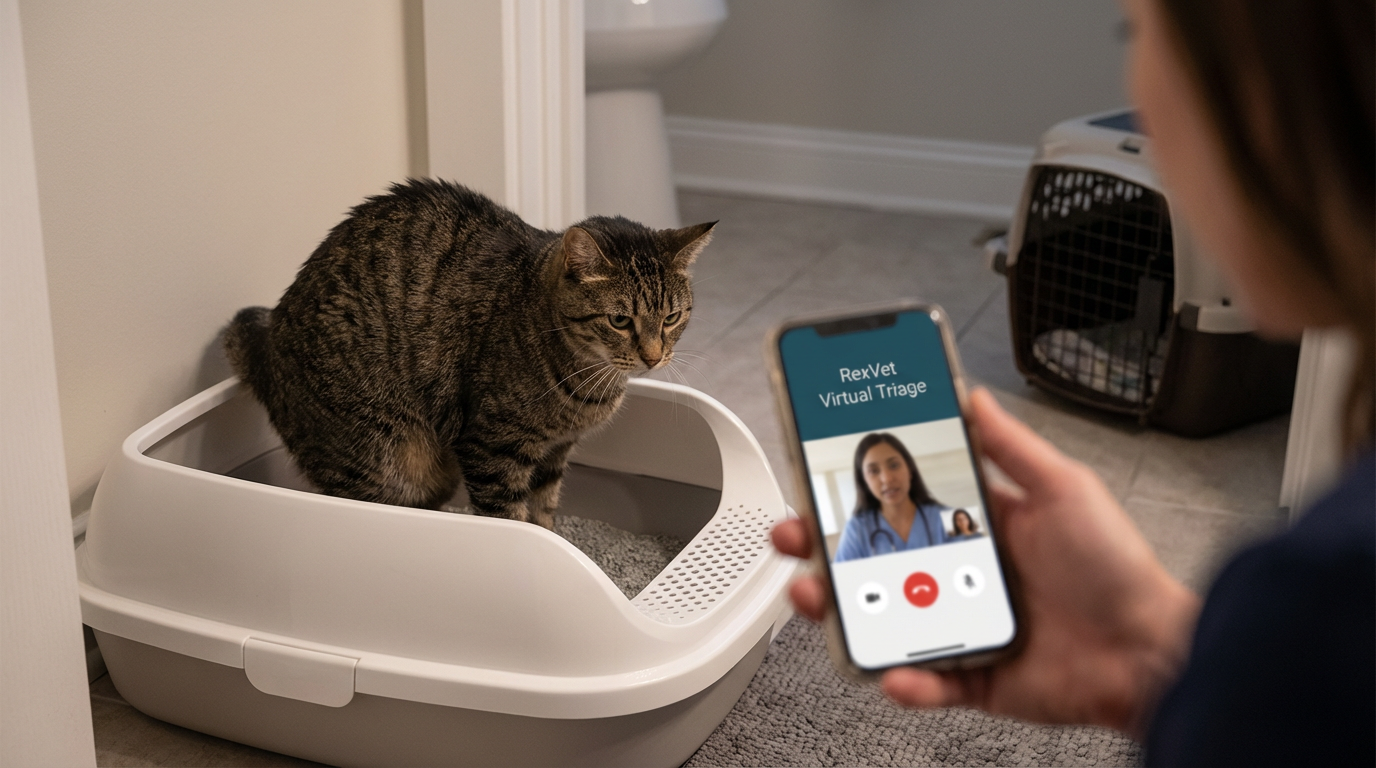
If you notice your cat visiting the litter box repeatedly without producing urine, you are facing a potential life-threatening situation. Male Cat Straining to Pee is a critical topic because a urinary blockage can lead to kidney failure or death within twenty-four hours. Cats with this condition often cry out in pain, lick their genitals excessively, or show blood in their urine. You must realize that waiting to see if they get better is dangerous and never the right choice.
At RexVet, we understand that these moments are terrifying for pet parents. While you should seek immediate in-person emergency care if your cat is completely unable to pee, our 24/7 virtual platform serves as a vital first line of defense to help you triage the urgency of your cat's symptoms. Understanding Male Cat Straining to Pee ensures you take the fastest path to professional intervention. Please book a consultation if you are unsure, but remember that a blocked bladder is a true medical emergency that requires rapid, expert attention to save your pet's life.
Why Straining to Pee is a Life-Threatening Emergency
When a cat cannot empty his bladder, toxins like potassium build up rapidly in the bloodstream. This chemical imbalance can stop the heart or cause permanent organ damage in a matter of hours. Understanding Male Cat Straining to Pee is vital because this condition is not just a bathroom issue; it is a systemic crisis. A physical obstruction, often caused by a urethral plug or inflammatory debris, prevents the bladder from emptying, leading to intense pressure and pain.
Owners often ask if they can wait until morning, but the answer is a firm no. Because stress can trigger feline lower urinary tract disease, the chaotic environment of a busy emergency clinic might worsen your cat’s condition. This is why our 24/7 virtual triage is so helpful. We provide immediate guidance to help you recognize the signs of a true urinary blockage versus other discomforts . If you are searching for Male Cat Straining to Pee, please remember that time is your greatest enemy. Quick, expert assessment is the only way to ensure your cat receives the life-saving care he needs before the situation becomes fatal.
Recognizing the Signs of a Urinary Blockage
Recognizing the subtle behavioral shifts in your feline is vital for early intervention. When you are researching Male Cat Straining to Pee, look for clear physical cues that go beyond simple litter box habits. Often, a cat will repeatedly enter the box, posture as if urinating, and produce nothing or only a few drops. You may notice your cat vocalizing or crying out in distress, which indicates significant pain caused by bladder pressure. Some cats will also lick their genital area obsessively or show signs of lethargy and appetite loss as toxins accumulate.
Understanding Male Cat Straining to Pee means identifying these warning signs before they escalate into a total obstruction. If your cat appears restless, hides in unusual places, or exhibits a hard, distended abdomen, these are red flags. Because these symptoms mirror other minor issues, many owners mistakenly delay care. However, professional triage via our 24/7 virtual platform can help you distinguish between a non-urgent concern and a life-threatening crisis. Do not wait for your cat to get better on his own, as every hour counts in preventing severe kidney damage or heart failure.
Why Male Cats are at Higher Risk
The primary reason male cats face a higher risk of urinary obstruction lies in their unique anatomy. Unlike females, male cats possess a significantly longer and narrower urethra, which makes it much easier for small crystals, mucus, or debris to form a physical plug. When you are researching Male Cat Straining to Pee, it is helpful to understand that this narrow passage acts like a bottleneck. Even a tiny amount of sediment can completely halt urine flow, leading to a dangerous backup of waste products.
Statistically, male cats are far more susceptible to these blockages than their female counterparts due to this structural design. Because the urethra is so delicate, any inflammation caused by stress or diet can cause the walls to swell, further restricting the exit. If you notice your pet struggling, remember that Male Cat Straining to Pee is a vital guide to survival. Our virtual triage team can help you assess if the situation requires an immediate trip to an emergency clinic, ensuring you don't waste precious time while your cat is in pain.
Immediate Triage: When to Call for Help
When you notice your cat struggling in the litter box, every second counts. Male Cat Straining to Pee is a question that requires immediate action, not hesitation. If your cat is hunched over, crying, or unable to pass urine, you must treat this as a life-threatening event . Do not wait to see if he improves overnight; toxins build up in the blood within hours, potentially leading to cardiac arrest.
Our 24/7 virtual triage platform allows you to connect with a licensed veterinarian instantly to assess your cat's status. This is the fastest way to determine if you need to rush to an emergency clinic or if your pet can be stabilized. Understanding Male Cat Straining to Pee means knowing that professional guidance is your first line of defense. By using our service, you avoid the stress of unnecessary travel while ensuring your pet receives the critical care he needs. If you are unsure about the severity of the symptoms, book a consultation now to get expert, life-saving advice immediately.
What You Should Never Do at Home
When you notice your cat struggling, you might be tempted to try home remedies like changing his water, adjusting his diet, or waiting to see if he improves by morning. Please understand that Male Cat Straining to Pee is not a situation where home observation is safe. Attempting to massage the abdomen or administering over-the-counter supplements can actually cause a ruptured bladder, which is fatal. There is no home cure for a physical blockage.
You must avoid the dangerous myth that a cat can simply 'work it out' on his own. Research shows that once a blockage occurs, systemic toxicity can reach critical levels in under 24 hours. If you are searching for Male Cat Straining to Pee, realize that your primary goal is professional intervention . Our 24/7 virtual triage at RexVet helps you confirm if your cat requires an immediate emergency clinic visit, preventing the risks of delay. Never wait for symptoms to worsen; your quick action is the only thing standing between your cat and a life-threatening crisis.
Safe Transport to an Emergency Clinic
Transporting a distressed cat requires a calm environment to prevent further physiological strain. When dealing with Male Cat Straining to Pee, your primary goal is to minimize the animal's anxiety, as stress hormones can exacerbate bladder inflammation. Use a sturdy, top-loading carrier covered with a thick blanket to block out visual stimuli, which helps keep your cat feeling secure during the drive.
Before you leave, ensure the carrier is secured with a seatbelt to prevent sudden movements. If your cat is vocalizing or panting, maintain a quiet atmosphere in the car. It is crucial to understand Male Cat Straining to Pee because even a short car ride can increase heart rate and blood pressure in a blocked cat. Keep the vehicle temperature moderate and avoid loud music. For specialized guidance on stabilizing your pet before transport, our virtual triage services are available to help you prepare. Remember, your calm demeanor is the best tool you have to ensure a safe arrival at the clinic for life-saving treatment.
How Virtual Triage Helps During Crises
When you notice your cat struggling in the litter box, virtual triage acts as your essential bridge to life-saving care. Understanding Male Cat Straining to Pee allows you to bypass the panic and focus on rapid decision-making. Through RexVet, our licensed veterinarians provide an immediate, expert assessment of your cat's condition via secure video call. This remote evaluation helps determine if your pet is stable enough for home monitoring or if he requires an urgent, life-saving trip to an emergency clinic .
By utilizing our 24/7 platform, you avoid the high stress of unnecessary travel, which is critical because stress-induced hormones can worsen bladder inflammation. We help you identify the specific red flags that indicate a total obstruction, ensuring you don't waste time on non-emergency measures. If you are searching for Male Cat Straining to Pee, rely on our professional guidance to navigate this crisis. Our goal is to provide the fastest path to safety, ensuring your cat receives the critical intervention needed to prevent irreversible organ damage.
What to Expect at the Veterinary Hospital
When you arrive at a veterinary hospital with a cat showing urinary distress, the medical team acts with extreme speed. Because Male Cat Straining to Pee is a top priority, staff will immediately assess your cat's vitals, focusing on heart rate and bladder size. If the bladder is firm and enlarged, they will likely perform a physical exam to confirm the obstruction before preparing for catheterization.
The clinical process typically involves:
Procedure | Purpose |
|---|---|
Urinalysis | Check for crystals and bacteria |
Bloodwork | Assess kidney function and electrolyte levels |
Sedation | Ensure the cat remains calm during catheter placement |
Fluid Therapy | Flush the bladder and correct dehydration |
Understanding Male Cat Straining to Pee helps you prepare for these necessary interventions. While the hospital manages the physical obstruction, you can rely on our 24/7 virtual triage at RexVet to help you identify these symptoms early. If you are ever in doubt about your cat's condition, please book a consultation to get expert guidance on whether your pet needs immediate in-person care or if there are other ways to manage their health safely.
Preventing Future Urinary Issues in Cats
Once your cat has recovered from an acute episode, long-term prevention centers on optimizing their internal environment through diet and hydration. Research indicates that increasing water intake can reduce the concentration of minerals in urine by up to thirty percent, significantly lowering the risk of crystal formation. Transitioning to high-moisture wet food is the most effective strategy for cats prone to urinary issues, as it mimics their natural prey-based hydration needs. When you are navigating the recovery phase after researching Male Cat Straining to Pee, prioritize fresh water stations throughout your home to encourage frequent drinking.
Beyond nutrition, environmental enrichment plays a major role in bladder health. Stress is a known trigger for inflammatory cystitis, which can lead to the very blockages you fear. By creating a calm, predictable home life with vertical climbing spaces and consistent play, you help minimize the physiological stress responses that cause urethral spasms. If you remain concerned about your cat's long-term habits, remember that Male Cat Straining to Pee is a reminder to monitor litter box patterns daily. For ongoing support, our virtual consultations can help you design a personalized wellness plan to keep your cat healthy and hydrated.
How to help a male cat with urinary blockage?
When you notice your cat struggling, you might wonder if home care is enough. However, Male Cat Straining to Pee is a critical distinction that saves lives. Clinical data shows that a complete urethral obstruction can cause fatal electrolyte imbalances in as little as 24 hours. Because your cat cannot communicate the severity of his internal pain, you must act as his advocate. If your cat is vocalizing or repeatedly visiting the litter box, do not attempt to wait it out.
At RexVet, our virtual triage platform provides the immediate, expert guidance you need to determine if you are facing a true emergency. We help you cut through the panic to decide if you need to head directly to an emergency clinic. Understanding Male Cat Straining to Pee means recognizing that professional intervention is the only way to clear a physical blockage. By connecting with our licensed veterinarians, you gain access to rapid assessment tools that ensure your pet receives the urgent care required to prevent permanent organ damage or cardiac failure.
Frequently Asked Questions
Is a male cat straining to pee always an emergency?
Yes, if you notice your male cat straining to pee, it is almost always a life-threatening emergency. Because male cats have a very narrow urethra, even a small amount of inflammation or a tiny crystal plug can cause a complete blockage. This prevents urine from leaving the body, leading to toxic waste buildup in the blood. You should treat any signs of straining or crying in the litter box as a critical situation that requires immediate veterinary attention.
What are the primary male cat urinary blockage symptoms I should look for?
When identifying a male cat straining to pee, watch for these specific signs:
- Frequent trips to the litter box with little to no urine produced.
- Crying, yowling, or vocalizing while in the litter box.
- Licking the genital area excessively.
- Straining as if trying to defecate.
- Hiding, lethargy, or vomiting.
If you see these behaviors, do not wait for them to resolve on their own; seek help immediately.
Can I use RexVet to determine if my cat is blocked?
RexVet serves as a vital first line of defense. If you are unsure if your cat is experiencing a blockage or a different issue, our 24/7 virtual consultations can provide immediate symptom triage. Our licensed veterinarians can help you assess the severity of the situation in real-time. If we determine your cat is likely blocked, we will direct you to the nearest emergency clinic immediately, as this is not a condition that can be managed remotely.
What should I absolutely NOT do if I suspect my cat has a urinary blockage?
The most dangerous thing you can do is wait for the cat to 'get better' on their own. Urinary blockages are fatal within 24 to 48 hours if untreated. Do not attempt to give your cat human medications, supplements, or home remedies, as these can be toxic or ineffective. Never press on your cat's abdomen to 'help' them pee, as this can cause the bladder to rupture. Time is of the essence; seek professional care immediately.
Why do male cats get urinary blockages more often than females?
The anatomy of a male cat is the primary reason behind this issue. Male cats possess a long, narrow urethra that makes them significantly more prone to becoming obstructed by urethral plugs, crystals, or inflammatory debris compared to females. Understanding this anatomical risk is key to managing your cat's health. If you have a male cat, always stay vigilant for signs of straining to urinate and maintain a low-stress environment to help support overall urinary tract health.
How can I reduce stress to help prevent future urinary issues in my cat?
Stress is a known trigger for feline lower urinary tract disease. To minimize stress, ensure your cat has a quiet, safe space, keep the litter box clean, and provide environmental enrichment like scratching posts and window perches. If you notice your cat acting anxious or if you have a multi-pet household, our RexVet virtual consultations can offer personalized advice on stress management techniques and long-term wellness strategies to keep your cat healthy and comfortable at home.
FAQs
Is a male cat straining to pee always an emergency?
Yes, if you notice your male cat straining to pee, it is almost always a life-threatening emergency. Because male cats have a very narrow urethra, even a small amount of inflammation or a tiny crystal plug can cause a complete blockage. This prevents urine from leaving the body, leading to toxic waste buildup in the blood. You should treat any signs of straining or crying in the litter box as a critical situation that requires immediate veterinary attention.
What are the primary male cat urinary blockage symptoms I should look for?
When identifying a male cat straining to pee: when it's an emergency and what to do right away, watch for these specific signs:
- Frequent trips to the litter box with little to no urine produced.
- Crying, yowling, or vocalizing while in the litter box.
- Licking the genital area excessively.
- Straining as if trying to defecate.
- Hiding, lethargy, or vomiting.
If you see these behaviors, do not wait for them to resolve on their own; seek help immediately.
Can I use RexVet to determine if my cat is blocked?
RexVet serves as a vital first line of defense. If you are unsure if your cat is experiencing a blockage or a different issue, our 24/7 virtual consultations can provide immediate symptom triage. Our licensed veterinarians can help you assess the severity of the situation in real-time. If we determine your cat is likely blocked, we will direct you to the nearest emergency clinic immediately, as this is not a condition that can be managed remotely.
What should I absolutely NOT do if I suspect my cat has a urinary blockage?
The most dangerous thing you can do is wait for the cat to 'get better' on their own. Urinary blockages are fatal within 24 to 48 hours if untreated. Do not attempt to give your cat human medications, supplements, or home remedies, as these can be toxic or ineffective. Never press on your cat's abdomen to 'help' them pee, as this can cause the bladder to rupture. Time is of the essence; seek professional care immediately.
Why do male cats get urinary blockages more often than females?
The anatomy of a male cat is the primary reason behind this issue. Male cats possess a long, narrow urethra that makes them significantly more prone to becoming obstructed by urethral plugs, crystals, or inflammatory debris compared to females. Understanding this anatomical risk is key to managing your cat's health. If you have a male cat, always stay vigilant for signs of straining to urinate and maintain a low-stress environment to help support overall urinary tract health.
How can I reduce stress to help prevent future urinary issues in my cat?
Stress is a known trigger for feline lower urinary tract disease. To minimize stress, ensure your cat has a quiet, safe space, keep the litter box clean, and provide environmental enrichment like scratching posts and window perches. If you notice your cat acting anxious or if you have a multi-pet household, our RexVet virtual consultations can offer personalized advice on stress management techniques and long-term wellness strategies to keep your cat healthy and comfortable at home.
Medically Reviewed
Reviewed by Dr. Tiffany Delacruz, DVM — licensed veterinarian and CEO of RexVet. Last reviewed April 24, 2026.
Content is for informational purposes and does not replace professional veterinary advice.
Chief Executive Officer · Licensed Veterinarian
Dr. Delacruz is a licensed Doctor of Veterinary Medicine specializing in preventive care and veterinary telehealth. She reviews all health content on RexVet to ensure accuracy and clinical relevance.
Sources & References
- · American Veterinary Medical Association — Telehealth Guidelines
- · AVMA — Pet Care Resources
- · U.S. FDA — Animal & Veterinary
Need an Expert Opinion on This Topic?
Connect with a certified vet via video call in minutes
Talk to Vet Now