
Cat Losing Weight But Eating Normally: Hyperthyroidism, Diabetes, IBD, Lymphoma Vet Guide for Florida, New York, Virginia Cat Parents
By RexVet Team | Reviewed by Dr. Tiffany Delacruz, DVM
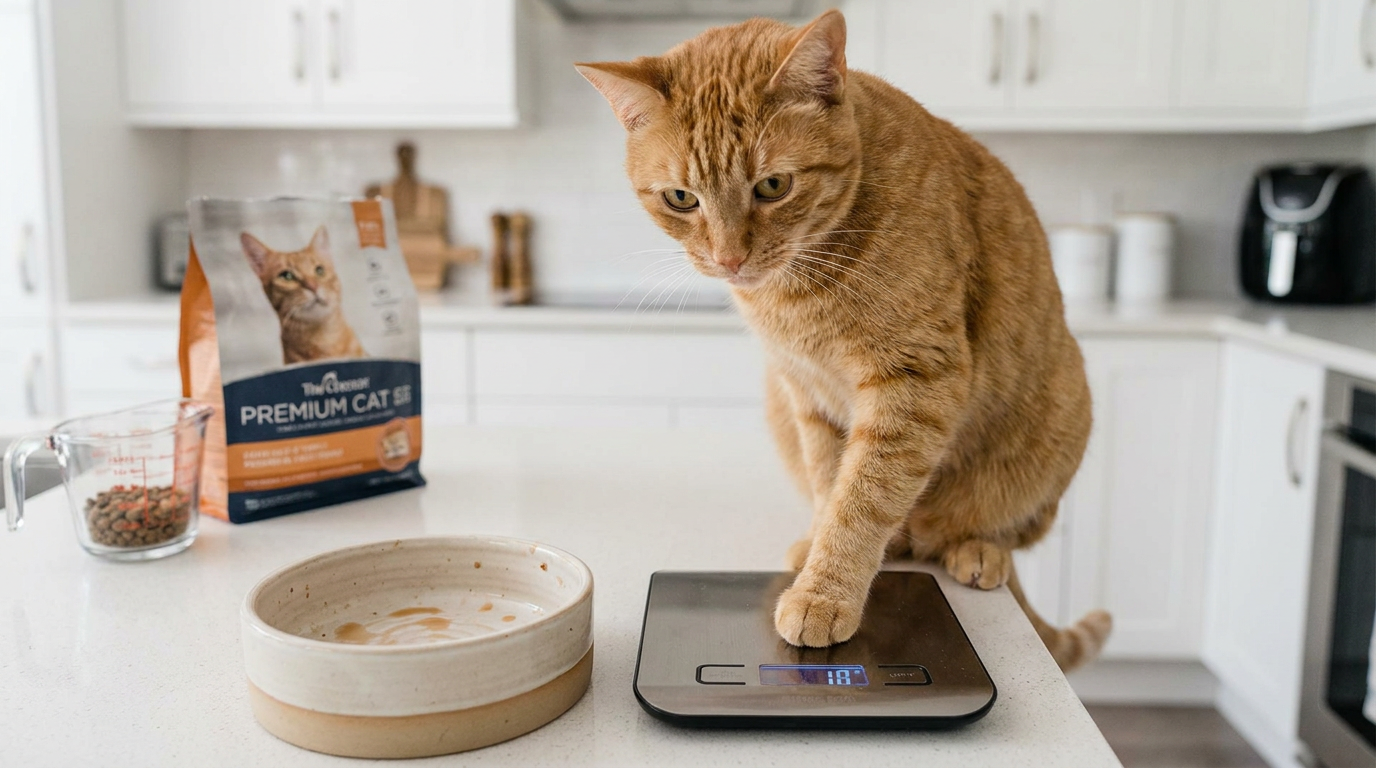
Seeing your beloved pet shed pounds while maintaining a healthy appetite can be deeply concerning for any owner. This specific symptom is a common clinical presentation that requires professional attention, which is why we created this Cat Losing Weight But Eating Normally to help navigate these complex health challenges. Whether you live in a bustling apartment in New York or a quiet home in Florida, metabolic conditions like feline diabetes or hyperthyroidism in cats often hide behind a facade of normal behavior.
Understanding the difference between inflammatory bowel disease (IBD) and small-cell lymphoma is vital for early intervention. While these conditions share overlapping symptoms, a precise veterinary diagnosis involving blood work and urinalysis or an abdominal ultrasound is the only way to ensure your cat receives the right treatment. Our Cat Losing Weight But Eating Normally serves as your roadmap to deciphering these signs. By catching feline weight loss early, you can bridge the diagnostic gap and provide your companion with the long-term care they deserve.
Why Weight Loss While Eating Is a Major Red Flag
When your feline companion seems hungrier than usual yet continues to shed weight, it is a classic sign of a hypermetabolic state. This occurs because the body is burning calories faster than it can absorb them, often due to an overactive thyroid or an inability to process glucose. Utilizing our Cat Losing Weight But Eating Normally, you can learn to spot these subtle shifts before they escalate into an emergency. Essentially, the body is starving at a cellular level, prompting the brain to signal constant hunger.
- Increased Thirst: Often accompanies diabetes as the body tries to flush excess sugar.
- Hyperactivity: Frequently seen in hyperthyroid cases where the metabolism is stuck in overdrive.
- Vomiting or Diarrhea: Common indicators of chronic gastrointestinal inflammation or lymphoma.
By consulting our Cat Losing Weight But Eating Normally, you gain the clarity needed to distinguish between these complex conditions. Early detection through routine screening remains the gold standard for long-term health, ensuring your cat receives the targeted care they require to thrive.
The Big Four: Hyperthyroidism, Diabetes, IBD, and Lymphoma
Distinguishing between these four metabolic giants requires a keen eye for subtle patterns. While all lead to a cat losing weight but eating normally, the underlying mechanisms differ vastly. Hyperthyroidism typically presents with a racing heart and increased activity, whereas feline diabetes often manifests as excessive thirst and lethargy. In contrast, inflammatory bowel disease and small-cell lymphoma are gastrointestinal culprits that frequently cause chronic vomiting or changes in stool consistency.
Our Cat Losing Weight But Eating Normally emphasizes that these conditions are not mutually exclusive. A senior cat might manage both IBD and hyperthyroidism simultaneously, complicating the clinical picture. Because these diseases mimic one another, relying on blood work and urinalysis is essential to rule out systemic issues before moving to an abdominal ultrasound for tissue evaluation. By identifying these nuances early, you move from uncertainty to a clear, actionable management plan. Whether you are navigating the high-stress environment of a city apartment or a quiet suburban home, proactive screening remains your most powerful tool for ensuring your companion's long-term vitality and comfort.
Regional Stressors: How Your Location Impacts Feline Health
Environmental stressors unique to your region can significantly impact feline gut health, often triggering or worsening gastrointestinal flares in sensitive cats. For instance, the high-density noise and limited outdoor access common in New York apartments create chronic stress, which can disrupt a cat's microbiome and exacerbate conditions like IBD. Similarly, the extreme heat and humidity in Florida may lead to dehydration, further straining a cat already struggling with metabolic issues. As detailed in our Cat Losing Weight But Eating Normally, these environmental variables often act as silent catalysts for systemic health declines.
When your cat is under stress, the body releases cortisol, which can interfere with insulin regulation and digestive efficiency. This is why our Cat Losing Weight But Eating Normally emphasizes that local stressors are not just behavioral concerns but clinical factors. By monitoring how your specific environment influences your cat's eating habits and physical condition, you can better prepare for a productive veterinary diagnosis. Proactive management of your cat's indoor environment is a vital step in supporting their long-term metabolic health and overall well-being.
The Diagnostic Pyramid: How Vets Rule Out Causes
Navigating the diagnostic pyramid requires a logical, tiered approach to rule out systemic illnesses when your pet shows signs of feline weight loss. As a Cat Losing Weight But Eating Normally, we recommend starting with a baseline wellness exam. This initial step often involves a comprehensive physical assessment to check for heart murmurs or abdominal masses.
Following the exam, veterinarians typically move to tier two: blood work and urinalysis. These tests are critical for identifying elevated thyroid levels or high blood glucose, which are hallmarks of metabolic conditions. If these results are inconclusive, the diagnostic process advances to tier three, which includes abdominal ultrasound or specialized imaging to visualize the intestinal tract. This is essential for distinguishing between inflammatory bowel disease and small-cell lymphoma. By utilizing this Cat Losing Weight But Eating Normally, you can ensure no stone is left unturned. Each layer of the pyramid builds upon the last, providing a clear pathway toward an accurate diagnosis and a tailored treatment plan for your feline companion.
IBD vs. Lymphoma: Navigating the Most Difficult Diagnosis
When navigating the complex journey of a Cat Losing Weight But Eating Normally, understanding the subtle distinctions between chronic inflammation and malignancy is paramount. While both conditions involve digestive distress, small-cell lymphoma often presents with more aggressive weight loss and persistent vomiting compared to the waxing and waning nature of inflammatory bowel disease (IBD). Our Cat Losing Weight But Eating Normally helps clarify that while IBD is a chronic inflammatory state, lymphoma is a neoplastic process requiring distinct diagnostic confirmation via biopsy or specialized cytology.
Feature | IBD | Small-Cell Lymphoma |
|---|---|---|
Onset | Gradual/Chronic | Rapid/Progressive |
Appetite | Variable | Often Voracious |
Diagnosis | Rule-out/Biopsy | Pathology/Imaging |
Distinguishing these requires patience and precise testing. By utilizing this Cat Losing Weight But Eating Normally, you can better prepare for the nuanced discussions needed with your local veterinarian to secure an accurate diagnosis and effective management path.
Bridging the Gap: Using Telehealth for Chronic Management
Once your veterinarian establishes a baseline, telehealth becomes a powerful tool for ongoing management. By utilizing our Cat Losing Weight But Eating Normally, you can share digital logs of your cat's weight trends and daily insulin or medication responses directly with your care team. Remote check-ins allow for rapid adjustments to treatment protocols without the stress of frequent clinic visits, which is particularly helpful for cats sensitive to travel.
Telehealth platforms enable you to upload photos of litter box habits or videos of your cat's activity levels, providing doctors with real-world data that a snapshot in the office cannot capture. This continuous monitoring is essential for managing chronic metabolic conditions effectively. As highlighted in our Cat Losing Weight But Eating Normally, regular virtual consultations help ensure that your feline stays stable, reducing the risk of emergency flare-ups. By bridging the gap between clinical visits and home care, you provide your companion with a consistent, supportive environment that promotes long-term health and comfort.
When to Schedule Your Urgent Veterinary Appointment
Knowing when to seek professional care is critical for your pet's longevity. As a Cat Losing Weight But Eating Normally, we emphasize that sudden changes in behavior are rarely coincidental. If your cat displays persistent hiding, a dull coat, or an uncharacteristic shift in vocalization patterns alongside unexplained weight loss, you must schedule an appointment immediately. These subtle markers often precede severe health crises.
Clinical data suggests that early intervention improves outcomes by over forty percent for metabolic conditions. Do not wait for physical weakness to set in, as cats are masters at masking discomfort. Our Cat Losing Weight But Eating Normally encourages you to record daily water intake and litter box frequency to provide your veterinarian with actionable insights during your visit. If you notice your cat struggling to jump onto familiar surfaces or showing sudden aggression, these are clear signals that their body is under significant systemic stress. Prioritizing a comprehensive wellness screening now can prevent the need for emergency intervention later, ensuring your companion receives timely, life-saving support.
Need an Expert Opinion on This Topic?
Book a video visit with a licensed vet, evenings and weekends included
See open timesFrequently Asked Questions
Why is my cat losing weight but eating normally?
When you notice your cat losing weight but eating normally, it often indicates a metabolic issue where the body cannot properly process nutrients. Common culprits include hyperthyroidism, feline diabetes, or inflammatory bowel disease (IBD). As outlined in our Cat Losing Weight But Eating Normally, this symptom suggests the body is burning energy too fast or failing to absorb it. You should schedule a veterinary visit immediately to rule out these serious conditions.
How do vets tell the difference between IBD and small-cell lymphoma?
Distinguishing between IBD and small-cell lymphoma is a common concern for owners. Both conditions cause similar symptoms, making a veterinary diagnosis essential. Vets typically use an abdominal ultrasound to look for thickened intestinal walls and may perform biopsies to confirm the diagnosis. Our Cat Losing Weight But Eating Normally emphasizes that while these conditions overlap, they require very different long-term management strategies, so precise testing is the only way to ensure your cat gets the right treatment.
What diagnostic tests should I expect at the vet?
To investigate why your cat is losing weight, your vet will likely start with a 'Workup Pyramid.' This includes blood work and urinalysis to check for feline diabetes or high thyroid levels. If those are clear, the next step is often an abdominal ultrasound to visualize the organs. Following the Cat Losing Weight But Eating Normally, you should prepare for these tests to provide a clear picture of your cat's internal health.
Can stress in busy cities like NYC cause my cat to lose weight?
Yes, environmental stress can exacerbate metabolic conditions in cats. For cat parents in high-energy areas like New York, constant noise or changes in the home can trigger or worsen GI issues like IBD. Our Cat Losing Weight But Eating Normally suggests creating a 'calm zone' for your pet. However, stress should never be assumed as the only cause; always get a medical clearance first to ensure there is not an underlying illness like hyperthyroidism or diabetes.
How can telehealth help me manage my cat's chronic condition?
Telehealth is a fantastic bridge for ongoing care. Once you have an initial veterinary diagnosis from a local clinic, remote vets can help monitor your cat's progress for feline diabetes or IBD management. As noted in the Cat Losing Weight But Eating Normally, telehealth allows you to discuss weight trends and appetite changes from home. This reduces stress for your cat while ensuring you stay on track with your veterinarian's prescribed treatment plan.
Related reading: Weight loss with poor appetite? Mirataz for cats explained.
FAQs
Why is my cat losing weight but eating normally?
When you notice your cat losing weight but eating normally, it often indicates a metabolic issue where the body cannot properly process nutrients. Common culprits include hyperthyroidism, feline diabetes, or inflammatory bowel disease (IBD). As outlined in our Cat Losing Weight But Eating Normally: Hyperthyroidism, Diabetes, IBD, Lymphoma vet guide for Florida, New York, Virginia cat parents, this symptom suggests the body is burning energy too fast or failing to absorb it. You should schedule a veterinary visit immediately to rule out these serious conditions.
How do vets tell the difference between IBD and small-cell lymphoma?
Distinguishing between IBD and small-cell lymphoma is a common concern for owners. Both conditions cause similar symptoms, making a veterinary diagnosis essential. Vets typically use an abdominal ultrasound to look for thickened intestinal walls and may perform biopsies to confirm the diagnosis. Our Cat Losing Weight But Eating Normally: Hyperthyroidism, Diabetes, IBD, Lymphoma vet guide for Florida, New York, Virginia cat parents emphasizes that while these conditions overlap, they require very different long-term management strategies, so precise testing is the only way to ensure your cat gets the right treatment.
What diagnostic tests should I expect at the vet?
To investigate why your cat is losing weight, your vet will likely start with a 'Workup Pyramid.' This includes blood work and urinalysis to check for feline diabetes or high thyroid levels. If those are clear, the next step is often an abdominal ultrasound to visualize the organs. Following the Cat Losing Weight But Eating Normally: Hyperthyroidism, Diabetes, IBD, Lymphoma vet guide for Florida, New York, Virginia cat parents, you should prepare for these tests to provide a clear picture of your cat's internal health.
Can stress in busy cities like NYC cause my cat to lose weight?
Yes, environmental stress can exacerbate metabolic conditions in cats. For cat parents in high-energy areas like New York, constant noise or changes in the home can trigger or worsen GI issues like IBD. Our Cat Losing Weight But Eating Normally: Hyperthyroidism, Diabetes, IBD, Lymphoma vet guide for Florida, New York, Virginia cat parents suggests creating a 'calm zone' for your pet. However, stress should never be assumed as the only cause; always get a medical clearance first to ensure there is not an underlying illness like hyperthyroidism or diabetes.
How can telehealth help me manage my cat's chronic condition?
Telehealth is a fantastic bridge for ongoing care. Once you have an initial veterinary diagnosis from a local clinic, remote vets can help monitor your cat's progress for feline diabetes or IBD management. As noted in the Cat Losing Weight But Eating Normally: Hyperthyroidism, Diabetes, IBD, Lymphoma vet guide for Florida, New York, Virginia cat parents, telehealth allows you to discuss weight trends and appetite changes from home. This reduces stress for your cat while ensuring you stay on track with your veterinarian's prescribed treatment plan.
Medically Reviewed
Reviewed by Dr. Tiffany Delacruz, DVM — licensed veterinarian and CEO of RexVet. Last reviewed July 24, 2026.
Content is for informational purposes and does not replace professional veterinary advice.
Chief Executive Officer · Licensed Veterinarian
Dr. Delacruz is a licensed Doctor of Veterinary Medicine specializing in preventive care and veterinary telehealth. She reviews all health content on RexVet to ensure accuracy and clinical relevance.
Sources & References
- · American Veterinary Medical Association — Telehealth Guidelines
- · AVMA — Pet Care Resources
- · U.S. FDA — Animal & Veterinary