
Methimazole Side Effects in Cats: Normal or a Warning Sign
By RexVet Team | Reviewed by Dr. Tiffany Delacruz, DVM
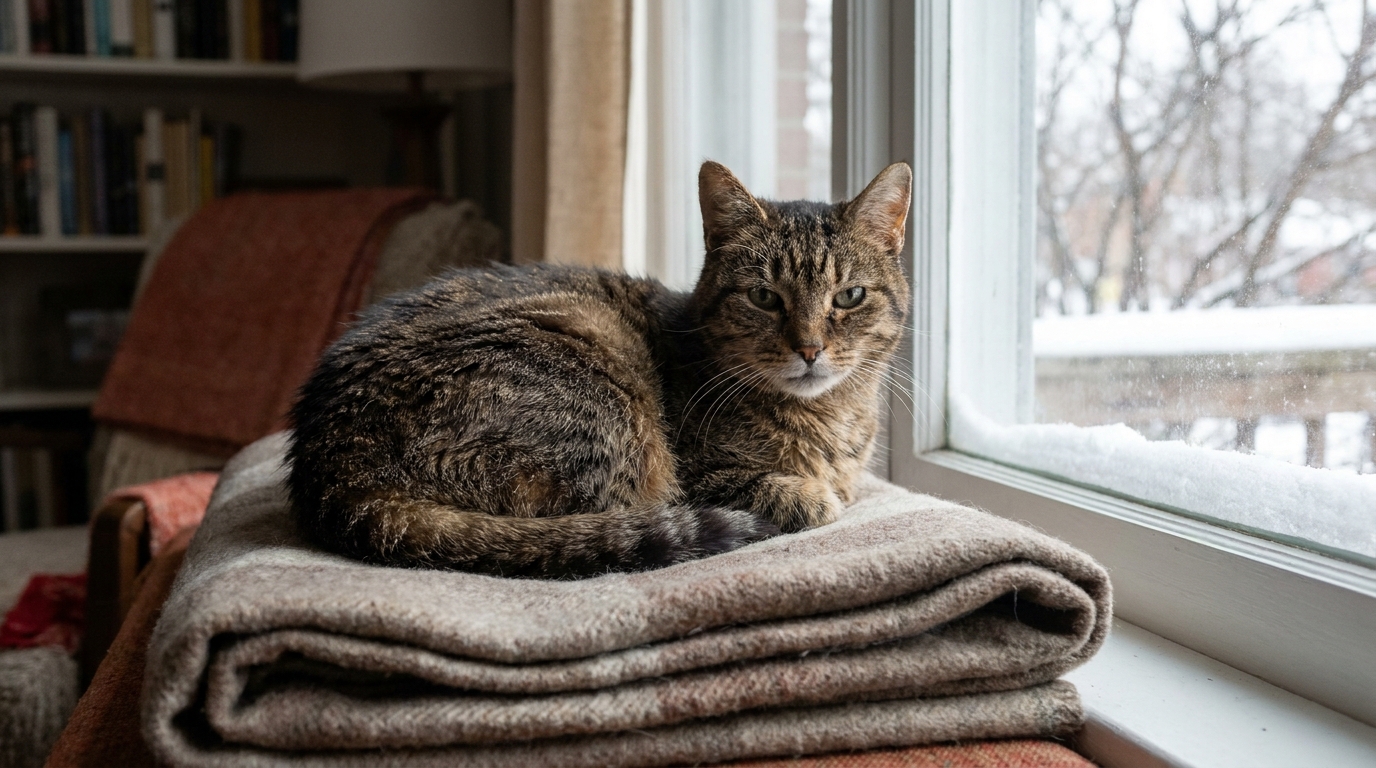
Vomiting, eating less or face scratching on thyroid medicine? See which methimazole side effects need a call, a vet today or an emergency vet now.
Quick answer: VCA Animal Hospitals lists vomiting, a poor appetite and tiredness as common methimazole side effects in cats, usually in the first 3 months. One vomit or new face itching means a same-day call to the prescribing vet, before the next dose is due. Eating less or vomiting twice in a day needs an in-person vet today; yellow gums, bruising, bleeding or black stool mean an emergency vet now.
This article is general information, not a diagnosis. If you think your pet is in danger, go to the nearest emergency animal hospital.
Which methimazole side effects are normal and which are not?
Vomiting, a smaller appetite and tiredness are the usual methimazole side effects in cats, but the Merck Veterinary Manual says serious reactions develop in under 5% of treated cats: very low white blood cell counts, low platelets, liver injury or severe facial itching, and a vet stops the drug for these.
Follow the most urgent row that fits your cat.
| Sign | Likely cause | Next step |
|---|---|---|
| Vomits once, still eats | Stomach upset | Call prescriber |
| Tired, still eats, pink gums | Drug effect | Call prescriber |
| Red or sore ear flap (gel) | Gel irritation | Call prescriber |
| Mild new face or neck itch | Drug reaction | Call prescriber |
| Drinks and pees more, acts normal | Kidneys or thyroid level | Call prescriber; exam within a few days |
| Eats less, still bright | Many causes | Vet today |
| Vomits twice today, or water won't stay down | Many causes | Vet today |
| Repeated or watery diarrhea | Many causes | Vet today |
| Face scratched raw or bleeding | Skin wounds | Vet today |
| No food about 24 hours | Liver risk | Vet today |
| Fever, swollen glands, hiding | Low white cells | Vet today, blood count |
| Yellow gums, eyes or skin | Liver reaction | ER now |
| Pale gums, weak or collapse | Anemia | ER now |
| Bruises, nosebleed, red spots, black stool, bloody vomit | Low platelets | ER now |
| Face swelling, hives, hard breathing | Allergy or heart | ER now |
| Fever 104F or higher | Infection | ER now |
"Call prescriber" means the same day, before the next dose is due. "Vet today" means an in-person exam today, or an emergency animal hospital if the clinic is closed. For "No food about 24 hours", go sooner for a senior or overweight cat.
What do yellow gums, bruising or a fever mean on methimazole?
Yellow gums, eyes or skin, bruising, bleeding or a fever in a cat on methimazole can signal the rare serious reactions that the Merck Veterinary Manual says develop mostly in the first 3 months (liver injury, low platelets or very low white blood cell counts), so yellowing or any bleeding means an emergency vet now, and a fever means a blood count today, or an emergency vet now at 104F or higher.
- Yellow gums, eyes or skin: an emergency vet now, unless the prescribing clinic can see your cat right away.
- Pale, gray or white gums, weakness or collapse: an emergency vet now (the FDA lists immune-mediated anemia).
- Bruising, a nosebleed, tiny red or purple spots on the gums, ear flaps or belly, blood in the urine, bloody or coffee-ground vomit, or black or bloody stool: an emergency vet now (the FDA links bleeding to low platelets).
- A fever of 103 to 103.9F on a calm recheck, swollen glands under the jaw or sudden hiding: an in-person vet today for a blood count, since the FDA warns that severely low white cells risk a dangerous infection; at 104F or higher, an emergency vet now (see a cat's normal temperature and fever signs).
Trouble swallowing, or new muscle weakness in a cat that is still alert with pink gums, needs an in-person vet today, since VCA Animal Hospitals lists myasthenia gravis, a muscle-weakness disorder, as a rare methimazole reaction. Take the medicine with you and let the vet who sees your cat decide about the next dose.
What should I do if my cat vomits after starting methimazole?
Stomach upset is the most common methimazole side effect in cats, according to the Merck Veterinary Manual, and the AAFP guidelines say most side effects appear within the first 4 to 6 weeks, so a cat that vomits once but keeps eating needs a call to the prescribing vet before the next dose is due.
The AAFP guidelines add that side effects are less common after 2 or 3 months. Even so, vomiting can be the first sign of a reaction that needs blood tests. If a cat vomits after a dose given on an empty stomach, VCA Animal Hospitals suggests the next one with food or a small treat; ask the prescribing vet first.
Never re-give a dose after a vomit or double the next one; VCA advises against giving two doses at once. Vomiting twice in a day, water that will not stay down, or repeated or watery diarrhea needs an in-person vet today, the same thresholds used for a cat vomiting or not eating on antibiotics.
Why is my cat scratching its face on thyroid medicine?
Intense itching of the face, head or neck is an uncommon methimazole reaction that Clinician's Brief reports in 2% to 4% of treated cats, usually within the first few weeks, and it means calling the prescribing vet the same day, before the next dose is due.
The Merck Veterinary Manual counts severe facial itching among the serious reactions, so a face scratched raw or bleeding needs an in-person vet today, and face swelling or hives mean an emergency vet now.
Clinician's Brief says the itching usually clears once the vet stops the drug, and a cat that had this reaction should not get any drug of this class again, the ear gel included, so the prescribing vet may discuss radioactive iodine, thyroid surgery or an iodine-restricted diet.
A red or sore ear flap where the gel goes can be irritation from the gel, but the face-itching reaction can happen with the gel too, so treat scratching at the ears, face or neck as a warning sign; call the prescribing vet before the next dose is due. For other causes of itch, see why a cat itches when there are no fleas.
My cat stopped eating on methimazole. How long is too long?
Call the prescribing vet the day a cat on methimazole starts eating less and get an in-person exam that day, with about 24 hours without food as the latest point, because the Cornell Feline Health Center says loss of appetite can severely affect a mature cat's health in as little as 24 hours.
Go sooner for a senior or overweight cat; most cats with hyperthyroidism are seniors. A cat that is not eating and is also vomiting, weak or has yellow gums needs an emergency vet now, and so does a diabetic cat that vomits or will not eat.
Blood tests sort out the cause: nausea from the drug, a liver reaction, kidney disease that treatment has uncovered, or a thyroid level now too low. Not eating also raises the risk of fatty liver disease (hepatic lipidosis), especially in overweight cats.
Never force food into your cat's mouth; Cornell's Dr. McDaniel warns it can make a cat's aversion to food even worse. To tell medicine signs from disease signs, compare them with the early signs of hyperthyroidism in cats.
Could it be the kidneys or a thyroid level that is now too low?
Yes: the Merck Veterinary Manual and the FDA say bringing thyroid hormone down can unmask kidney disease, so a cat on methimazole that starts drinking and peeing more or loses weight needs a call to the prescribing vet before the next dose is due, and one that also eats less needs an in-person vet today.
Other signs set the timing:
- Drinking more plus vomiting, not eating, weakness or acting much quieter: an emergency vet now.
- Drinking more and eating less, but alert and not vomiting: an in-person vet today.
- Drinking and peeing more while still eating and acting normal: a call to the prescribing vet, then an exam with blood and urine tests within a few days (see an older cat drinking a lot of water).
A thyroid level pushed too low can cause tiredness or hair loss, and sometimes weight gain (Merck Veterinary Manual), but the AAFP guidelines say it often shows up first on blood tests; the prescribing vet arranges the recheck.
The FDA advises blood tests before starting, at about 3 and 6 weeks, then about every 3 months; the prescribing vet sets the schedule and may test more often, including a few weeks after any change they make.
| When | Watch for | Blood test |
|---|---|---|
| Before start | Baseline | Blood count, liver, kidney, T4 |
| Weeks 1 to 3 | Vomiting, itching | At about 3 weeks |
| Weeks 3 to 6 | Yellow gums, bruises | At about 6 weeks |
| After that | Thirst, weight | About every 3 months |
The middle column is general guidance, not FDA advice.
Should I stop the medicine or skip a dose?
Call the prescribing vet before the next dose is due whenever a cat on methimazole shows a warning sign; VCA Animal Hospitals advises stopping the medicine and contacting your veterinarian if tiredness, vomiting, a poor appetite, yellow skin or eyes, or itching appear, but stopping for good, restarting or changing the dose is the prescribing vet's decision.
VCA notes that methimazole manages hyperthyroidism rather than curing it, so the signs return if treatment stops. If the prescribing vet cannot be reached before the next dose is due, call an emergency animal hospital instead of deciding alone; many regular clinics are closed at night, on weekends and on holidays.
If two people both gave a dose, call the prescribing vet or a pet poison line now, and go to an emergency vet if vomiting, weakness or yellow gums follow.
What about the ear gel, and is methimazole safe for people at home?
The methimazole ear gel may cause less stomach upset in some cats, according to the Merck Veterinary Manual and the AAFP, but it is compounded and not FDA-approved, and it can redden the ear flap even after years of use.
The ear-flap finding comes from a long-term study of cats on the gel. The gel is still methimazole, so it does not lower the risk of the blood, liver or face-itch reactions. FDA-approved methimazole for cats is given by mouth, as a tablet or a liquid; the FDA does not verify the safety, effectiveness or quality of compounded drugs.
The FDA advises washing your hands with soap and water after giving methimazole, and wearing gloves when giving it, scooping litter or touching the cat's stool, urine or vomit. The FDA says methimazole can cause birth defects in people and is found in breast milk, so anyone who is pregnant, may become pregnant or is nursing should take extra care. Keep children and other pets away from the medicine and the treated ear.
If a person swallows methimazole, the FDA says to call a healthcare provider immediately. If another pet swallows the tablets or licks the gel, call ASPCA Animal Poison Control at (888) 426-4435 (a consultation fee may apply) or Pet Poison Helpline at (855) 764-7661 (a per-incident fee applies), or go to an emergency vet. Have the label ready, and do not try to make the pet vomit at home unless a vet or the poison line tells you to.
When a video visit helps, and its limits
For a cat in Florida, New York or Virginia that starts mildly scratching its face, gets a red ear flap where the gel goes, or vomits once but keeps eating on thyroid medicine while the prescribing clinic is closed, RexVet, a nonprofit online vet service, offers a $64.99 live video visit with a veterinarian licensed in the cat's state, about 8 AM to 11 PM Eastern, to say whether it can wait for the prescribing clinic or needs an in-person exam the same day.
RexVet serves pets located in Florida, New York and Virginia by video visit. A video visit also fits tiredness in the first weeks in a cat that still eats and has pink gums, or questions about recent T4, kidney or liver results. On camera, a licensed RexVet vet can look at the face, ear flap, gum color, breathing and behavior, check the label and when doses were given, and explain results you share. Book a live video visit.
From RexVet's own visit study: 41% of RexVet video visits were for pets aged 7 or older. More than half of RexVet visits (52%) took place outside standard weekday hours of 8 AM to 6 PM, Monday to Friday.
A video visit cannot run the blood count, liver, kidney or T4 tests that show whether a serious reaction has started, so a cat that is eating less, has a fever or has a face scratched raw needs an in-person exam the same day, or an emergency hospital if no clinic can see it.
Go to an emergency vet now, not a video visit, if a cat on thyroid medicine has yellow gums, eyes or skin; pale or gray gums, weakness or collapse; bruising, a nosebleed, bloody vomit, or black or bloody stool; face swelling or hives; hard or open-mouth breathing; sudden blindness, very large fixed pupils or blood in the eye; sudden pain, crying, cold legs or dragging in the back legs; a seizure, head tilt, circling or confusion; straining in the litter box with little or no urine; bringing food back up followed by coughing or fast breathing; or a fever of 104F or higher.
A RexVet video visit does not start, refill, switch or change the dose of a cat's thyroid medicine; those decisions stay with the prescribing vet, who has the cat's blood results. A prescription for any other problem is never guaranteed. In Florida, a prescription from a video visit alone must be an FDA-approved animal drug used as labeled, can cover 14 days at most and cannot be renewed without an in-person exam. Because methimazole is usually lifelong, ongoing treatment and rechecks run through a clinic that examines the cat. Compounded ear gels and human-labeled methimazole tablets are not FDA-approved for cats, so federal rules (21 CFR 530.3) require a vet who has examined the cat in person for either one in all three states. Virginia allows the exam by video, but any prescription still depends on blood work and the veterinarian's judgment; New York's rules are still unsettled. RexVet is not a pharmacy, so a pharmacy transfer fee applies when RexVet sends a prescription to an outside pharmacy (Terms, section 5.4).
Need an Expert Opinion on This Topic?
Book a video visit with a licensed vet, evenings and weekends included
See open timesFrequently Asked Questions
How long do methimazole side effects last in cats?
Serious reactions should clear within about 2 weeks after a vet stops methimazole and gives supportive care, the Merck Veterinary Manual says. The AAFP guidelines say most side effects appear within the first 4 to 6 weeks of treatment. Kidney changes or a thyroid level pushed too low can appear weeks to months in, so watching continues for as long as the cat takes the medicine.
Can methimazole cause diarrhea in cats?
Yes, the FDA lists diarrhea or loose stool among the side effects reported in cats taking methimazole. Call the prescribing vet before the next dose is due. Repeated or watery diarrhea needs an in-person vet today, and black or bloody stool means an emergency vet now, because it can be a sign of low platelets.
Is it an emergency if my cat starts scratching its face on methimazole?
It is a same-day call: phone the prescribing vet before the next dose is due; face swelling or hives mean an emergency vet now. Clinician's Brief reports facial itching in 2% to 4% of treated cats. A face scratched raw or bleeding needs an in-person vet today, and the itching usually clears once the vet stops the drug.
Is it normal for my cat to be tired on methimazole?
Yes, tiredness is a common methimazole side effect, VCA Animal Hospitals says, but call the prescribing vet before the next dose is due. Tiredness with not eating, a fever or sudden hiding needs an in-person vet today; tiredness with weakness or pale or yellow gums means an emergency vet now. Tiredness weeks to months in can also mean the thyroid level is now too low, which blood tests show.
Can an online vet change my cat's methimazole dose?
No, not on a video visit: a dose change needs T4 and kidney blood work and the prescribing vet's plan. An online vet can explain recent results you share and say whether the signs can wait for the prescribing clinic or need an exam today, but no prescription is promised.
Can an online vet help with my cat's thyroid medicine side effects in Florida, New York or Virginia?
Yes, for a cat located in Florida, New York or Virginia with mild signs; blood tests and any medicine change stay with the prescribing clinic. On camera, a veterinarian licensed in the cat's state can check the face, ear flap, gums and behavior and say whether the cat can wait or needs an exam today; a cat that is eating less needs an in-person exam the same day. If another medicine comes up, a prescription is never guaranteed: Florida limits video-only prescriptions to FDA-approved animal drugs used as labeled, for up to 14 days with no renewal without an in-person exam; Virginia allows the exam by video; and New York's rules are still unsettled.
FAQs
How long do methimazole side effects last in cats?
Serious reactions should clear within about 2 weeks after a vet stops methimazole and gives supportive care, the Merck Veterinary Manual says. The AAFP guidelines say most side effects appear within the first 4 to 6 weeks of treatment. Kidney changes or a thyroid level pushed too low can appear weeks to months in, so watching continues for as long as the cat takes the medicine.
Can methimazole cause diarrhea in cats?
Yes, the FDA lists diarrhea or loose stool among the side effects reported in cats taking methimazole. Call the prescribing vet before the next dose is due. Repeated or watery diarrhea needs an in-person vet today, and black or bloody stool means an emergency vet now, because it can be a sign of low platelets.
Is it an emergency if my cat starts scratching its face on methimazole?
It is a same-day call: phone the prescribing vet before the next dose is due; face swelling or hives mean an emergency vet now. Clinician's Brief reports facial itching in 2% to 4% of treated cats. A face scratched raw or bleeding needs an in-person vet today, and the itching usually clears once the vet stops the drug.
Is it normal for my cat to be tired on methimazole?
Yes, tiredness is a common methimazole side effect, VCA Animal Hospitals says, but call the prescribing vet before the next dose is due. Tiredness with not eating, a fever or sudden hiding needs an in-person vet today; tiredness with weakness or pale or yellow gums means an emergency vet now. Tiredness weeks to months in can also mean the thyroid level is now too low, which blood tests show.
Can an online vet change my cat's methimazole dose?
No, not on a video visit: a dose change needs T4 and kidney blood work and the prescribing vet's plan. An online vet can explain recent results you share and say whether the signs can wait for the prescribing clinic or need an exam today, but no prescription is promised.
Can an online vet help with my cat's thyroid medicine side effects in Florida, New York or Virginia?
Yes, for a cat located in Florida, New York or Virginia with mild signs; blood tests and any medicine change stay with the prescribing clinic. On camera, a veterinarian licensed in the cat's state can check the face, ear flap, gums and behavior and say whether the cat can wait or needs an exam today; a cat that is eating less needs an in-person exam the same day. If another medicine comes up, a prescription is never guaranteed: Florida limits video-only prescriptions to FDA-approved animal drugs used as labeled, for up to 14 days with no renewal without an in-person exam; Virginia allows the exam by video; and New York's rules are still unsettled.
Medically Reviewed
Reviewed by Dr. Tiffany Delacruz, DVM — licensed veterinarian and CEO of RexVet. Last reviewed November 26, 2026.
Content is for informational purposes and does not replace professional veterinary advice.
Chief Executive Officer · Licensed Veterinarian
Dr. Delacruz is a licensed Doctor of Veterinary Medicine specializing in preventive care and veterinary telehealth. She reviews all health content on RexVet to ensure accuracy and clinical relevance. RexVet video visits are for pets in Florida, New York and Virginia, with a veterinarian licensed in the pet's state.
Sources & References
- · American Veterinary Medical Association — Telehealth Guidelines
- · AVMA — Pet Care Resources
- · U.S. FDA — Animal & Veterinary