
Diabetic Pet and Daylight Saving Time: Insulin Timing
By RexVet Team | Reviewed by Dr. Tiffany Delacruz, DVM
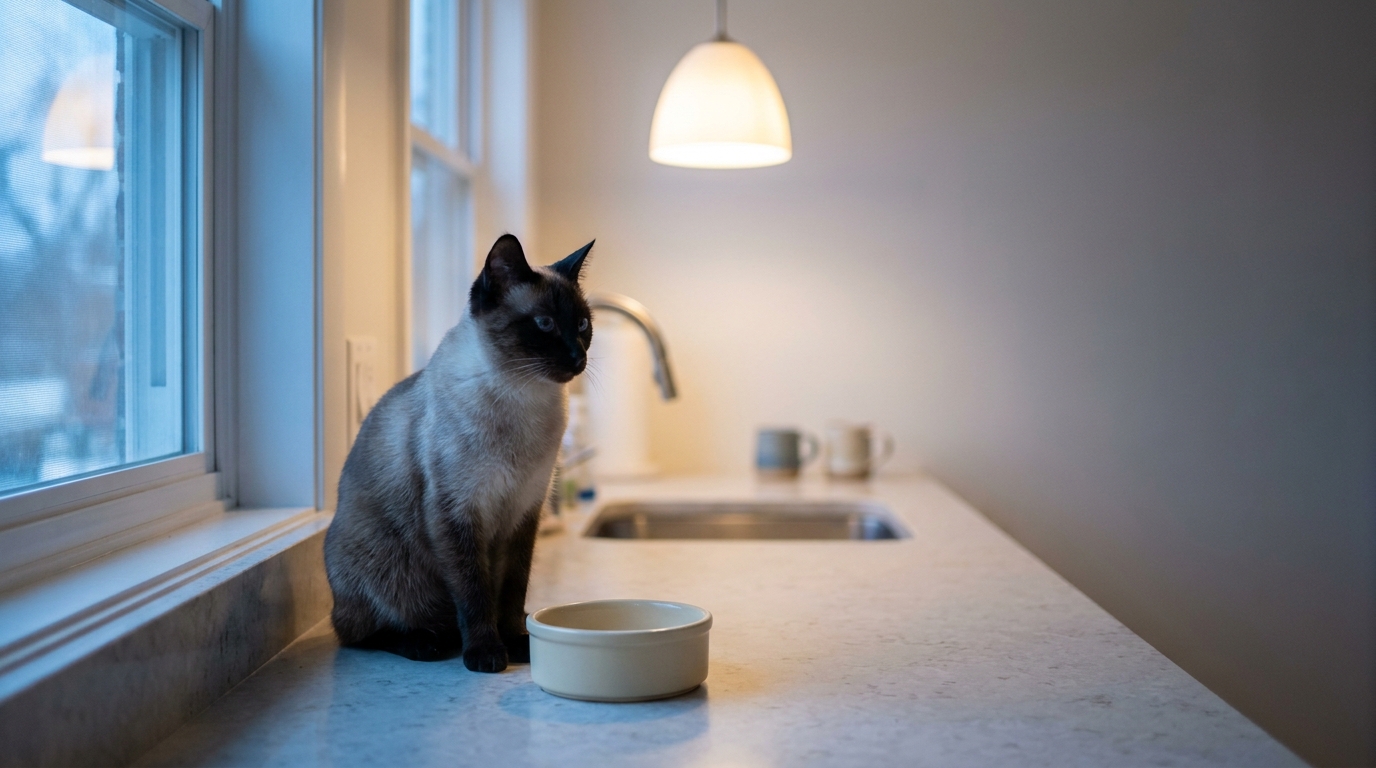
Diabetic pet and daylight saving time ending Nov. 1? Most pets can stay on their usual clock times, but check the plan with your vet first.
Go to an emergency vet now if your diabetic pet is weak, wobbly, trembling, vomiting, having a seizure, collapsed or hard to wake. These can be signs of dangerously low blood sugar.
If your pet takes insulin, you may be wondering what to do with the schedule this weekend. This guide covers what the fall-back change means for injection times, what the published guidance says, the signs that mean going in right away, and a short checklist so nothing gets missed on Sunday.
Diabetic pet and daylight saving time: what changes on Nov. 1
Clocks go back one hour at 2 a.m. on Sunday, Nov. 1, 2026, in Florida, New York and Virginia. Your pet's insulin, food and care plan stay the same unless your veterinarian tells you otherwise. The only question is how the clock change fits around the times you already use.
Timing still matters. As VCA Animal Hospitals puts it, "Consistent treatment is a vital component of proper management of a diabetic cat."
For cats, the Cornell Feline Health Center notes that "Insulin injections are given under the skin (subcutaneously) approximately every 12 hours." Your vet sets your own pet's schedule, whether you have a cat or a dog, so treat your vet's instructions as the plan and the sources here as background.
The practical question for Sunday is simple: when the clock on your wall shows the usual injection time, do you give the dose then? The fall-back section below has the published answer. First, the one thing that matters more than any schedule.
Low blood sugar is the emergency
Whatever the clock says, low blood sugar is the problem to watch for this weekend and every weekend. The Cornell Feline Health Center lists the signs: "Signs of low blood sugar (hypoglycemia) include weakness, lethargy, vomiting, lack of coordination, seizures, and coma."
If you see any of these signs in a dog or a cat on insulin, go to an emergency vet now. The same applies if your pet is trembling, wobbly, collapsed or hard to wake. Do not wait to see whether it passes, and do not wait for a call back before you leave.
For cats, Cornell gives one first-aid step: "If your cat shows signs of hypoglycemia (lethargy, weakness, tremors, seizures, vomiting) apply honey, a glucose solution, or dextrose gel to the gums and immediately contact a veterinarian." Then go to an emergency vet. This is Cornell's advice for cats, and it is something to do on the way, not instead of going. For a dog, go straight to the emergency vet.
Before the weekend, find the emergency clinic nearest you and save its name, address and phone number. If you are ever unsure whether something counts as an emergency, our practical checklist for spotting a pet emergency walks through it. With a pet on insulin, when in doubt, go in.
The fall-back rule of thumb (check with your vet first)
The clearest published guidance on the end of daylight saving comes from Animal Diabetes Australia: "There is no requirement to miss an insulin injection at the end of daylight saving time. Injections can be continued at the usual times."
In plain terms, you keep giving insulin at the same clock times you use now, reading them off the new clock. Because the clocks go back, one gap between injections on Sunday ends up one hour longer than usual. After that, the gaps return to their normal length.
For cats, the Cornell Feline Health Center adds: "Though ideally injections should be spaced 12 hours apart, varying injection times by 1-2 hours when needed will not adversely affect a cats’ treatment."
Cornell's guidance is for cats. For a dog, ask your vet what window is safe and what your dog's plan should be for the weekend. Do not assume the cat guidance carries over to dogs.
Animal Diabetes Australia also says: "It is recommended that you contact your veterinarian if you have any questions or concerns about this." The best time to ask is before Saturday, not at the moment the dose is due. Write down what your vet tells you so everyone in the house follows the same plan.
Meals, appetite and the insulin plan
Keep meals on the routine your vet set, read off the new clock, just like the injections. VCA advises: "You should feed a consistent amount of food each day, which allows you to be aware of changes in consumption."
Feeding the same amount each day helps you spot a change in appetite. A time change weekend is a good moment to watch closely, because your own routine is a little out of step and it is easier to lose track of who fed the pet and when.
If your pet will not eat its meal, call your vet before giving insulin. Do not change the dose or the timing yourself. Your vet knows your pet's history and can tell you what to do with that dose.
If a dose has already been missed, or you are not sure whether it was given, our guide on what to do after a missed insulin dose in cats covers the next steps. Again, do not change a dose on your own.
If more than one person in your home gives insulin, agree on who gives each dose this weekend. A clear handoff keeps the time change from leading to a dose being given twice or not at all.
Spring forward is different (March 2027)
This section is about next March, not Nov. 1. When the clocks go forward in March 2027, one gap between doses gets shorter instead of longer, and the published guidance is different.
Your vet decides whether your pet should do what follows. With that said, Animal Diabetes Australia states: "For most diabetic dogs and cats, the safest approach for the beginning of daylight saving is that one insulin injection is missed." It explains why: "This avoids the possibility that insulin overdose might result when there is overlap of insulin action from injections given less than 12 hours apart."
The same guidance has an exception: "If you routinely check your pet’s blood glucose concentration prior to each insulin injection, there is no need for you to miss an insulin injection."
Ask your vet before March; do not skip a dose on your own. None of the spring guidance applies to the Nov. 1 fall-back, when injections can continue at the usual times.
A weekend checklist
A few minutes on Friday or Saturday makes Sunday easy. Work through this list once and you are set.
- Write down both injection times on the new clock. Put them where everyone in the house will see them, such as the fridge door.
- Set phone alarms by the new time. Also check any clock you rely on that may not change by itself, such as an oven or microwave clock.
- Check insulin supply and storage. Make sure you have enough on hand for the weekend and that it has been stored the way your vet or the label directs. If it was left out, read our guide on insulin left out of the fridge.
- Keep a simple log. Note each meal, each dose given and the time, and any home glucose readings. A shared note on your phone works well.
- Know which emergency vet is open that Sunday. Save the name, address and phone number, and know the route before you need it.
What a RexVet online vet can and cannot do
RexVet is a 501(c)(3) non-profit veterinary telehealth service. RexVet's veterinarians are licensed in Florida, New York and Virginia, and they are available 24/7, including nights, weekends and holidays. A video visit is for planning and questions. It does not replace an emergency vet.
A RexVet veterinarian can:
- Review your pet's schedule, meals and home glucose log before the weekend.
- Talk through the plan for the time change, so you know exactly what you will do on Sunday.
- Watch your pet on camera for low-sugar warning signs.
- Help you decide whether something needs an in-person visit.
A RexVet veterinarian cannot:
- Run in-clinic glucose curves or bloodwork.
- Change your pet's treatment without the information your regular vet holds.
- Supply insulin. A video visit is not a way to get insulin, a new insulin prescription or an insulin refill; that stays with the veterinarian who examines your pet in person.
- Treat an emergency. Low-sugar signs go to an emergency vet first.
As a general rule for any video visit, if the veterinarian decides medication is appropriate, they can prescribe where state rules allow. In Florida, a veterinarian who has seen your pet only by video may prescribe only FDA-approved animal drugs used as labeled, for up to 14 days (1 month for flea-and-tick-only products), and cannot renew without an in-person exam.
If you would like a vet to look over your pet's weekend plan, you can book a RexVet video visit. A visit is $64.99, vets are available 24/7, and visits are for pet parents in Florida, New York and Virginia only.
When to be seen in person in Florida, New York or Virginia
Some problems need hands-on care, not a video call. Use this as your guide over the weekend and after it:
- Any low-sugar sign, such as weakness, wobbliness, trembling, vomiting, a seizure, collapse or being hard to wake: go to an emergency vet now.
- A pet that will not eat its meal: call your vet before giving insulin.
- Much more thirst or urination than usual: book an in-person visit with your vet.
Know which local clinic or ER you would use. In Florida, a telehealth vet must give you "the contact information for at least one physical veterinary clinic in the vicinity of the patient's location."
For more on diabetes care where you live, see our diabetes guides for Florida, New York and Virginia, and our online vet pages for Florida, New York and Virginia.
Frequently Asked Questions
Do I change my pet's insulin time when the clocks fall back?
Usually not. Animal Diabetes Australia says injections can be continued at the usual clock times when daylight saving ends. Check your pet's plan with your vet first.
Is it okay to give insulin an hour late?
For cats, the Cornell Feline Health Center says that "varying injection times by 1-2 hours when needed will not adversely affect a cats’ treatment." Cornell's guidance is for cats; for a dog, ask your vet what window is safe. If you are unsure for either species, call your vet before the dose.
What about insulin when daylight saving starts in spring?
That is a separate situation, in March 2027. Animal Diabetes Australia says that for most diabetic dogs and cats, the safest approach is that one insulin injection is missed, unless you routinely check blood glucose before each injection. Your vet decides; do not skip a dose on your own.
What if my pet won't eat on the morning of the time change?
Call your vet before giving any insulin, and do not change the dose or timing yourself. If your pet also seems weak or wobbly, or is vomiting, go to an emergency vet now.
What are the signs of low blood sugar in a diabetic pet?
Cornell lists weakness, lethargy, vomiting, lack of coordination, seizures and coma. For any pet with these signs, go to an emergency vet now. For a cat, Cornell advises applying honey, a glucose solution or dextrose gel to the gums and immediately contacting a veterinarian, which you can do on the way.
One extra hour on Sunday is easy to handle with a plan made in advance. If you want to go over that plan with a vet before the weekend, book a RexVet video visit. RexVet's veterinarians are licensed in Florida, New York and Virginia, a visit is $64.99, and a vet is available 24/7. For any sign of low blood sugar, go to an emergency vet first.
FAQs
Do I change my pet's insulin time when the clocks fall back?
Usually not. Animal Diabetes Australia says injections can be continued at the usual clock times when daylight saving ends. Check your pet's plan with your vet first.
Is it okay to give insulin an hour late?
For cats, the Cornell Feline Health Center says that "varying injection times by 1-2 hours when needed will not adversely affect a cats’ treatment." Cornell's guidance is for cats; for a dog, ask your vet what window is safe. If you are unsure for either species, call your vet before the dose.
What about insulin when daylight saving starts in spring?
That is a separate situation, in March 2027. Animal Diabetes Australia says that for most diabetic dogs and cats, the safest approach is that one insulin injection is missed, unless you routinely check blood glucose before each injection. Your vet decides; do not skip a dose on your own.
What if my pet won't eat on the morning of the time change?
Call your vet before giving any insulin, and do not change the dose or timing yourself. If your pet also seems weak or wobbly, or is vomiting, go to an emergency vet now.
What are the signs of low blood sugar in a diabetic pet?
Cornell lists weakness, lethargy, vomiting, lack of coordination, seizures and coma. For any pet with these signs, go to an emergency vet now. For a cat, Cornell advises applying honey, a glucose solution or dextrose gel to the gums and immediately contacting a veterinarian, which you can do on the way.
One extra hour on Sunday is easy to handle with a plan made in advance. If you want to go over that plan with a vet before the weekend, book a RexVet video visit. RexVet's veterinarians are licensed in Florida, New York and Virginia, a visit is $64.99, and a vet is available 24/7. For any sign of low blood sugar, go to an emergency vet first.
Medically Reviewed
Reviewed by Dr. Tiffany Delacruz, DVM — licensed veterinarian and CEO of RexVet. Last reviewed September 24, 2026.
Content is for informational purposes and does not replace professional veterinary advice.
Chief Executive Officer · Licensed Veterinarian
Dr. Delacruz is a licensed Doctor of Veterinary Medicine specializing in preventive care and veterinary telehealth. She reviews all health content on RexVet to ensure accuracy and clinical relevance.
Sources & References
- · American Veterinary Medical Association — Telehealth Guidelines
- · AVMA — Pet Care Resources
- · U.S. FDA — Animal & Veterinary
Need an Expert Opinion on This Topic?
Connect with a certified vet via video call in minutes
Talk to Vet Now