
Cat Head Tilt and Walking Sideways Suddenly: Vestibular Syndrome or an ER Trip?
By RexVet Team | Reviewed by Dr. Tiffany Delacruz, DVM
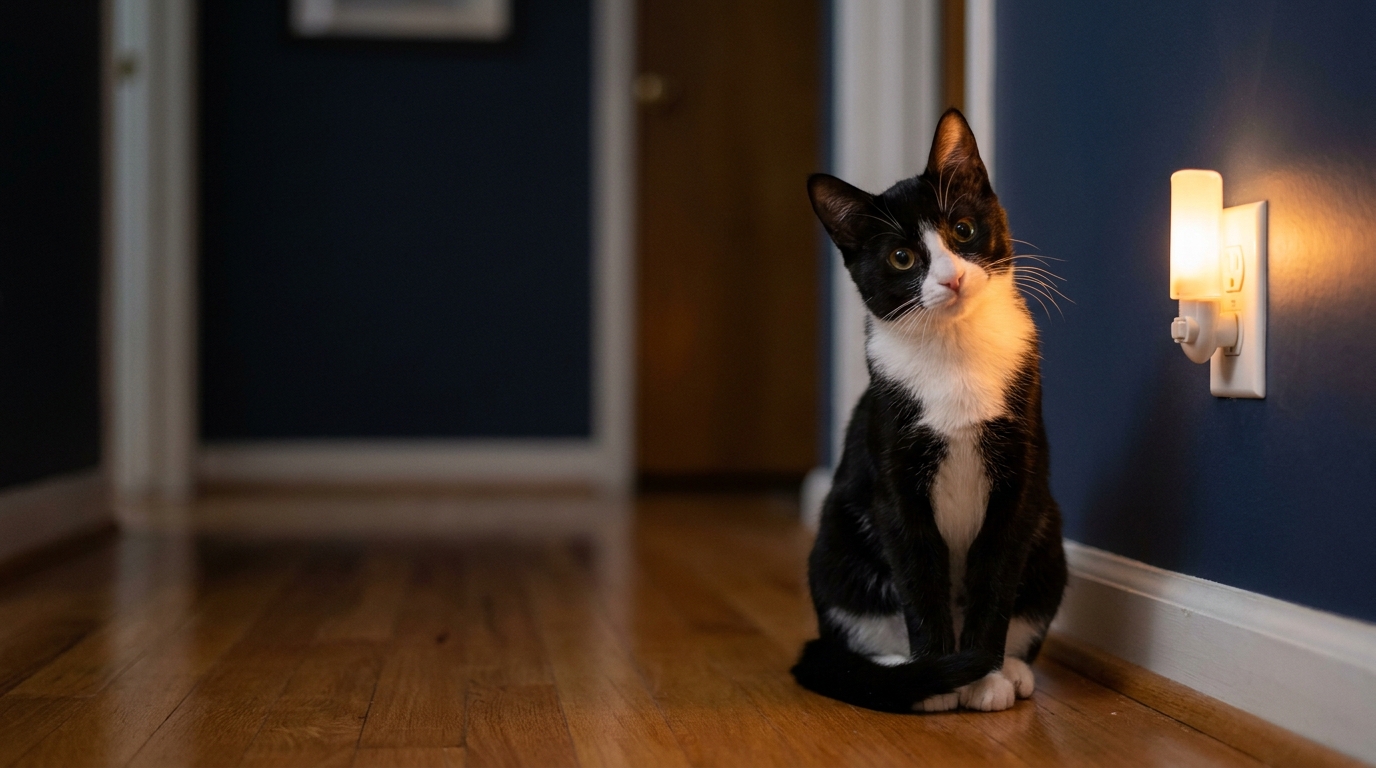
Sudden head tilt, sideways walking or flicking eyes? How to tell feline vestibular syndrome from ear infection or stroke, and when to go to the ER.
Quick answer: A sudden head tilt, sideways walking or flicking eyes is often feline vestibular syndrome, which is usually worst in the first 24–48 hours and then starts to improve, but your cat should see a vet the same day; go to an emergency vet now if your cat can't stand, has a seizure, seems dull, vomits repeatedly or keeps getting worse.
When your cat suddenly loses their balance, starts walking in circles, or tilts their head at an unusual angle, it is natural to feel immediate panic. Dealing with a sudden head tilt and sideways walking is a common challenge for pet owners, as these neurological symptoms often appear without warning. While these signs can be terrifying, they are frequently linked to vestibular disease in cats, a condition that impacts their internal balance system. Understanding whether you are facing a medical emergency or a manageable issue is the first step toward helping your companion.
For many pet parents, the first question is whether this means an emergency clinic tonight. Many cats have idiopathic vestibular syndrome and start improving within days, but the same signs can come from an ear infection, high blood pressure, a toxin or a stroke, so your cat should see a vet the same day. A RexVet video visit, available 24/7, can help you judge how urgent it is and what to do on the way.
Identifying Sudden Balance Issues in Cats
When you notice a sudden head tilt, capturing a high-quality video of your cat’s movement is the most helpful step you can take. This footage allows our licensed veterinarians to distinguish between benign idiopathic vestibular syndrome and more concerning neurological conditions like strokes or toxins. A video also helps the vet who examines your cat in person.
While many cases of these balance problems resolve within two to three weeks, certain red flags necessitate immediate in-person attention. You should seek emergency care if your cat exhibits any of the following symptoms:
- Repeated, forceful vomiting or inability to keep water down.
- Vertical nystagmus, where the eyes flick rapidly up and down instead of side-to-side.
- Complete inability to stand or walk, leading to extreme lethargy.
- Signs of facial drooping, unequal pupil sizes, or persistent seizures.
If none of these red flags are present, a same-day vet visit is still the safest plan. In the meantime, keep your cat in a small, quiet room with non-slip mats and low food and water bowls.
When to Seek Emergency Veterinary Care
Deciding between a calm night at home and a stressful emergency room visit is difficult when your pet is unwell. Remember that rapid, involuntary eye movement known as nystagmus is a primary indicator of vestibular disease in cats. While this neurological condition often resolves with rest, you must seek immediate help if your cat shows signs of ataxia so severe they cannot stand, or if they exhibit signs of trauma or toxin exposure. If you're unsure, a RexVet video visit can help you decide how urgently to go.
You can share a video of your cat walking in circles or holding a head tilt. A video can't replace an ear exam, but it helps a vet judge how severe the balance problem is and how quickly your cat needs to be seen in person.
The Role of Telehealth in Symptom Triage
When you face a head tilt like this, professional guidance is your best tool for peace of mind. Many owners worry that any imbalance signals a permanent neurological condition, but telehealth offers a clear path forward. By connecting with a licensed veterinarian via our 24/7 platform, you can share real-time observations that help distinguish between a temporary inner ear disturbance and a more serious systemic issue.
Seeing your cat at home, where they are calmer, also helps a vet judge the signs. A video visit can tell you whether your cat needs the ER now or a clinic visit later today, and how to set up a safe recovery space with soft bedding and easy access to food, water and the litter box.
Common Causes Behind Your Cat's Wobbliness
When you notice these balance problems, understanding the underlying triggers is essential for your peace of mind. While idiopathic vestibular syndrome often resolves on its own, other factors require professional intervention. Common triggers include deep inner ear infections, which may present with visible discharge or a foul odor, and inflammatory polyps that obstruct the ear canal. In senior cats, sudden balance loss can sometimes indicate hypertension or vascular events, which demand a more urgent diagnostic approach.
Because these causes can look alike, an in-person exam is usually needed to tell them apart: a look into the ears with an otoscope, a blood pressure check and sometimes blood work or imaging. A RexVet vet can help you decide how urgently that exam is needed and which changes in your cat's signs mean you should go in sooner.
Preparing for Your Virtual Vet Consultation
When your pet displays a sudden head tilt, precise documentation is key to a swift diagnosis. Before your virtual visit, use your smartphone to record a short, clear video of your cat moving across a flat surface. Capture their gait, eye movement, and how they hold their head while resting and walking. This visual evidence helps our veterinarians distinguish between common balance issues and more severe neurological emergencies.
To prepare for your consultation, note the exact time the symptoms started and if there were any recent changes in your cat's environment. Keep a simple log of their appetite, water intake, and any signs of nausea. Remember that our team provides the clarity you need to avoid unnecessary stress. By documenting these details, you empower our experts to provide a more accurate assessment, ensuring your cat receives the right care, whether that involves home monitoring or a trip to an emergency clinic.
Creating a Safe Recovery Space at Home
When you are at home managing a cat with balance issues, creating a safe environment is your top priority. Start by removing obstacles like tall furniture or sharp corners that could cause injury during a fall. Place food and water in shallow, wide bowls directly on the floor to minimize the need for your cat to move or reach. Using non-slip yoga mats or rubber rugs on hardwood floors provides essential traction for unsteady paws.
Keep the room dimly lit and quiet to reduce sensory overload, which often makes the dizziness feel worse. Most cats with idiopathic vestibular syndrome start improving within a few days and are close to normal in two to three weeks, though a slight head tilt can remain. If your cat is getting worse instead of better after the first 24–48 hours, or stops eating or drinking, go to an emergency vet.
RexVet is a nonprofit online vet service. Our veterinarians are licensed in Florida, New York and Virginia and see cats by video 24/7, so if you live in one of those states a vet can look at your cat tonight and help you decide where to go next.
Is your cat tilting and stumbling tonight? If you live in Florida, New York or Virginia, book a video visit with a licensed RexVet vet. A live video visit is $64.99, and the Family Plan is a one-time $120 for four visits over 12 months — no subscription. Go straight to an emergency vet if your cat can't stand or keeps rolling, has a seizure, seems dull or confused, has leg weakness or trouble breathing or swallowing, has up-and-down eye flicking, suddenly can't see, vomits repeatedly or can't eat or drink, keeps getting worse after the first 24–48 hours instead of improving, or may have had a fall or eaten something toxic.
Related RexVet guides: Vestibular disease in dogs · Cat ear infection symptoms · Cat's third eyelid showing? · Old cat's back legs suddenly wobbly
Frequently Asked Questions
What does it mean if my cat has a head tilt and is walking sideways suddenly?
When you notice a sudden head tilt, it often indicates an issue with your cat's vestibular system, which controls balance. This can look like stumbling, circling, or flicking eyes. While this is a neurological condition, it is frequently caused by idiopathic vestibular syndrome, which usually improves on its own. However, because it can also signal an inner ear infection or other serious health issues, you should always seek a professional opinion to rule out emergencies.
When should I treat a sudden head tilt and sideways walking as an emergency?
You should seek immediate emergency care if your cat shows severe signs alongside a sudden head tilt. Red flags include being unable to stand, repeated vomiting, seizures, extreme lethargy, up-and-down eye flicking, or getting worse after the first 24–48 hours. Even if your cat is alert and eating, have a vet check them the same day; a RexVet video visit can help you decide how urgently and whether an in-person ear exam is needed.
How can a virtual vet help with these balance problems?
A virtual consultation is an excellent first step for a sudden head tilt. Our licensed veterinarians can review videos of your cat's movement to determine if the symptoms are consistent with vestibular syndrome or if they require an in-person visit. This reduces stress for your cat, as traveling to a clinic can worsen their balance issues, and helps you decide how urgently your cat needs to be seen in person.
What should I do at home while waiting for advice on a head tilt like this?
If you are managing a sudden head tilt at home, keep your cat in a quiet, confined space like a small bedroom. Use non-slip mats on the floor to help them keep their footing and place food and water bowls close to their resting spot. Avoid picking them up frequently, as this can cause motion sickness. Most importantly, record a video of their symptoms to share with a RexVet doctor to get a more accurate assessment.
Is a sudden head tilt and sideways walking always caused by an ear infection?
Not necessarily. While an inner ear infection is a common cause for a sudden head tilt, it could also be idiopathic vestibular syndrome, which is common in late summer. Other possibilities include trauma, toxins, or hypertension in senior cats. Because the causes vary significantly, you should never assume it is just an ear infection. Use our virtual triage service to get a professional perspective on whether your cat needs diagnostics like blood work or an MRI.
Can a RexVet vet help with my cat's head tilt if I live in Florida, New York or Virginia?
Yes. RexVet veterinarians are licensed in Florida, New York and Virginia and can assess your cat by video at any hour, tell you whether the signs point to the ER, a same-day clinic visit or home care, and explain exactly what to watch for. Hands-on care such as an otoscope ear exam, a blood pressure check, blood work, a sedated ear flush, CT or MRI, or hospital IV fluids happens in person. Any prescription is the vet's decision: in Florida, medication from a video-only visit is limited to 14 days and can't be renewed without an in-person exam, and New York's rules are stricter, so your vet may refer you to a clinic.
FAQs
What does it mean if my cat has a head tilt and is walking sideways suddenly?
When you notice a sudden head tilt, it often indicates an issue with your cat's vestibular system, which controls balance. This can look like stumbling, circling, or flicking eyes. While this is a neurological condition, it is frequently caused by idiopathic vestibular syndrome, which usually improves on its own. However, because it can also signal an inner ear infection or other serious health issues, you should always seek a professional opinion to rule out emergencies.
When should I treat a sudden head tilt and sideways walking as an emergency?
You should seek immediate emergency care if your cat shows severe signs alongside a sudden head tilt. Red flags include being unable to stand, repeated vomiting, seizures, extreme lethargy, up-and-down eye flicking, or getting worse after the first 24–48 hours. Even if your cat is alert and eating, have a vet check them the same day; a RexVet video visit can help you decide how urgently and whether an in-person ear exam is needed.
How can a virtual vet help with these balance problems?
A virtual consultation is an excellent first step for a sudden head tilt. Our licensed veterinarians can review videos of your cat's movement to determine if the symptoms are consistent with vestibular syndrome or if they require an in-person visit. This reduces stress for your cat, as traveling to a clinic can worsen their balance issues, and helps you decide how urgently your cat needs to be seen in person.
What should I do at home while waiting for advice on a head tilt like this?
If you are managing a sudden head tilt at home, keep your cat in a quiet, confined space like a small bedroom. Use non-slip mats on the floor to help them keep their footing and place food and water bowls close to their resting spot. Avoid picking them up frequently, as this can cause motion sickness. Most importantly, record a video of their symptoms to share with a RexVet doctor to get a more accurate assessment.
Is a sudden head tilt and sideways walking always caused by an ear infection?
Not necessarily. While an inner ear infection is a common cause for a sudden head tilt, it could also be idiopathic vestibular syndrome, which is common in late summer. Other possibilities include trauma, toxins, or hypertension in senior cats. Because the causes vary significantly, you should never assume it is just an ear infection. Use our virtual triage service to get a professional perspective on whether your cat needs diagnostics like blood work or an MRI.
Can a RexVet vet help with my cat's head tilt if I live in Florida, New York or Virginia?
Yes. RexVet veterinarians are licensed in Florida, New York and Virginia and can assess your cat by video at any hour, tell you whether the signs point to the ER, a same-day clinic visit or home care, and explain exactly what to watch for. Hands-on care such as an otoscope ear exam, a blood pressure check, blood work, a sedated ear flush, CT or MRI, or hospital IV fluids happens in person. Any prescription is the vet's decision: in Florida, medication from a video-only visit is limited to 14 days and can't be renewed without an in-person exam, and New York's rules are stricter, so your vet may refer you to a clinic.
Medically Reviewed
Reviewed by Dr. Tiffany Delacruz, DVM — licensed veterinarian and CEO of RexVet. Last reviewed October 5, 2026.
Content is for informational purposes and does not replace professional veterinary advice.
Chief Executive Officer · Licensed Veterinarian
Dr. Delacruz is a licensed Doctor of Veterinary Medicine specializing in preventive care and veterinary telehealth. She reviews all health content on RexVet to ensure accuracy and clinical relevance.
Sources & References
- · American Veterinary Medical Association — Telehealth Guidelines
- · AVMA — Pet Care Resources
- · U.S. FDA — Animal & Veterinary
Need an Expert Opinion on This Topic?
Connect with a certified vet via video call in minutes
Talk to Vet Now