
Cat's Third Eyelid Showing? When It's Haws Syndrome and When to Worry
By RexVet Team | Reviewed by Dr. Tiffany Delacruz, DVM
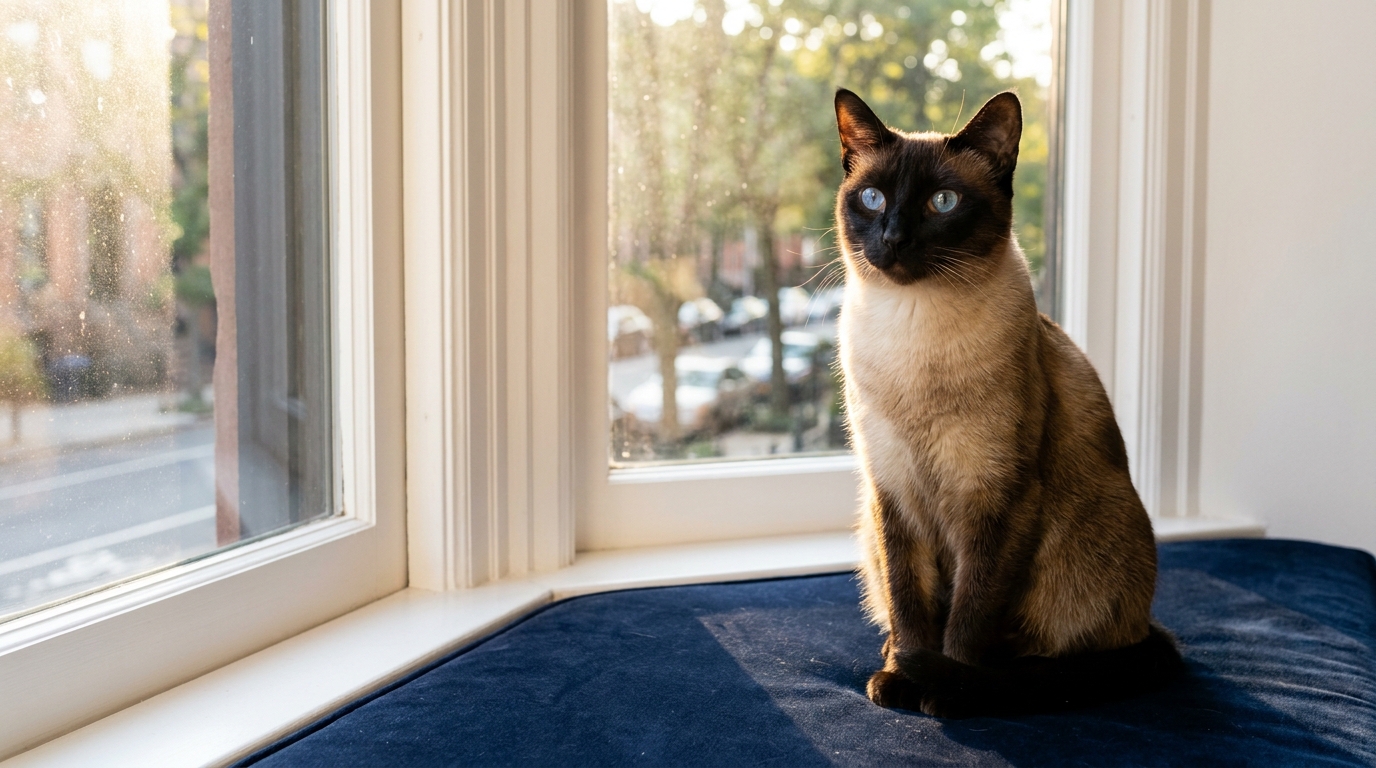
Cat's third eyelid showing? Learn when it's harmless Haws syndrome, when it signals pain or illness, and the signs that mean a vet visit today.
Quick answer: If your cat's third eyelid stays visible for more than 24 hours, or appears with squinting, discharge, lethargy or not eating, book a same-day vet visit; both third eyelids raised in a bright, eating cat after a bout of diarrhea is often Haws syndrome, which usually clears in about 5–6 weeks. While the nictitating membrane is usually hidden, its sudden protrusion can be alarming. Understanding the difference between a benign condition and a medical emergency is vital for your pet's health.
When you are searching for answers about a visible third eyelid, remember that RexVet is here to help. Whether it is a squinting eye or potential eye infection , our team provides expert triage. A live video visit is $64.99, Express starts at $64.99, and the Family Plan is a one-time $120 for four visits — no subscription. If you notice lethargy or not eating , please book a video visit immediately.
Quick Answer: Is Your Cat's Eye Condition Urgent?
When you notice your cat's third eyelid, it is helpful to understand the anatomy of the nictitating membrane. This protective layer usually stays tucked away, but its appearance can signal various issues. If you see a bilateral third eyelid prolapse in a cat that is otherwise acting normal, it often points to Haws syndrome, which is frequently linked to gastrointestinal inflammatory disorders. While this condition can persist for months, it is typically benign.
However, you should seek professional triage if the protrusion is unilateral or accompanied by pain. Your vet may use phenylephrine eye drops to confirm a nerve-related cause (such as Horner's or Haws syndrome) and to help pinpoint where along the nerve pathway the problem lies. Because a visible third eyelid can be confusing, our licensed experts are available to help you determine if your pet needs immediate care or can be managed at home. If you are uncertain about your pet's symptoms, our virtual platform offers an accessible way to get clarity without the stress of an unnecessary clinic visit.
What Is a Cat's Third Eyelid?
Understanding your cat's third eyelid starts with knowing the nictitating membrane. This thin, translucent tissue is tucked into the inner corner of your cat's eye, acting as a protective shield against debris. In a healthy cat, this membrane remains invisible, sliding across the eye only during blinking or when the eye is retracted. When you notice this structure becoming visible, it is essentially a signal that your cat's internal system is reacting to an underlying stressor.
It is helpful to know that this membrane is controlled by complex autonomic nerves. While a persistent, bilateral appearance is often linked to bouts of cat diarrhea, a sudden, one-sided protrusion can indicate localized issues. Because identifying the root cause requires a professional eye, our licensed veterinarians are available 24/7 to help you triage these symptoms. If you are unsure if your pet needs immediate intervention, book a video visit with us to get expert guidance from your home.
Recognizing Haws Syndrome in Your Cat
When you notice your cat's third eyelid, it is common to feel concerned about your pet's digestive health. Haws syndrome often manifests as a bilateral third eyelid prolapse that appears alongside bouts of cat diarrhea. Vets don't fully understand why this happens, but it is often linked to mild gastrointestinal upset. While the sight of both eyes being partially covered can be startling, if your cat remains active and playful, it is rarely a medical emergency.
Understanding a visible third eyelid requires monitoring for secondary symptoms. If the protrusion persists for weeks or is accompanied by severe lethargy, you should seek professional guidance. At RexVet, our experts can help you determine if dietary adjustments are needed to soothe your cat's stomach. If you are uncertain about your pet's condition, please book a video visit today to get the clarity you need from the comfort of your home.
Distinguishing Haws Syndrome From Eye Emergencies
When you notice a visible third eyelid, distinguishing between systemic issues and localized trauma is crucial. Haws syndrome typically presents as a bilateral third eyelid prolapse that occurs without pain, whereas trauma, such as a scratch or foreign object, usually affects only one eye and causes intense squinting or discharge. If your cat shows signs of an eye injury, such as cloudiness or swelling, this is an immediate emergency requiring in-person care.
To help you decide, we have created a comparison table to clarify these differences.
Feature | Haws Syndrome | Eye Injury/Infection |
|---|---|---|
Eyes Affected | Both eyes | Usually one eye |
Pain Level | None | High (squinting) |
Discharge | None | Possible pus or mucus |
Urgency | Monitor at home | Seek urgent care |
If you are struggling with a visible third eyelid, our team at RexVet can help you triage these symptoms via video. If your cat is acting normally, you can often monitor them, but please book a video visit if you notice behavioral changes.
Identifying Horner's Syndrome and Other Causes
When you notice a visible third eyelid, it is essential to look for signs of asymmetry. While Haws syndrome typically affects both eyes, a unilateral issue—where only one eye shows the membrane—often signals a different concern, such as Horner's syndrome. This condition occurs due to a disruption in the sympathetic nerve supply to the eye. You might observe the third eyelid rising alongside a constricted pupil or a drooping upper eyelid on the same side. Because these symptoms can mimic other painful conditions, getting a professional opinion is key.
If you are struggling with a visible third eyelid, remember that our licensed veterinarians can help you differentiate between these neurological signs and simple irritations. Assessing whether your cat has a small pupil or a sunken eye can be difficult at home, so please book a video visit to let our team guide you through the next steps safely.
When to Book a Virtual Veterinary Consultation
When you notice a visible third eyelid, telehealth is often your most efficient first step. Because many eye issues look similar, a virtual consultation allows a veterinarian to assess your cat's symptoms without the stress of a clinic visit. If you see signs like squinting, discharge, or redness, these are often indicators of an infection or injury that requires prompt attention. You can learn more about these concerns in our guide on cat eye infection symptoms and discharge .
For cases involving potential Haws syndrome, our vets can help you decide whether an in-person exam is needed. There, a vet may use phenylephrine eye drops to confirm a nerve-related cause and rule out a physical problem such as a mass. If your cat is also experiencing digestive upset, we can provide guidance on managing cat diarrhea and supporting their gut health. Please book a video visit to get professional clarity today.
Understanding the Link Between Gut and Eye Health
The exact mechanism isn't fully understood, but Haws syndrome often follows a bout of gastrointestinal upset, and the third eyelids usually settle once the gut recovers.
While this is often a benign response to an upset stomach, persistent protrusion requires attention. Consider the overall behavior of your pet. If your cat is eating well and remains active, you can monitor the situation. However, if symptoms of cat diarrhea persist, our team can provide guidance on dietary support to soothe the gut. If you notice signs of pain or lethargy, please book a video visit to ensure your cat receives the appropriate care from our licensed veterinarians.
Practical Home Care and Monitoring Tips
When you notice a visible third eyelid, your primary goal is to observe your pet's overall comfort level. If your cat is eating, playing, and acting like their normal self, you can safely monitor them at home for 24 hours. Keep a simple log of their behavior, noting any changes in appetite or activity levels. This observation period helps determine if the issue is a temporary reaction or a sign of something more serious.
For owners wondering about a visible third eyelid, our virtual platform is an ideal, low-stress starting point. You can share clear photos or videos with a licensed veterinarian to get an expert opinion without leaving your house. If your cat stops eating for more than 24 hours or becomes lethargic, please book a video visit immediately. We are here to help you navigate these health concerns with compassionate, accessible guidance.
Affordable Veterinary Support for Your Cat
When you notice your cat's third eyelid, finding affordable, expert guidance is essential for your peace of mind. RexVet provides a cost-effective, non-profit alternative to traditional clinics, ensuring you get professional triage without the high overhead costs. Our platform is designed to help you determine if your pet needs immediate intervention or can be safely managed at home.
By choosing our virtual services, you avoid the stress of transporting a potentially sick cat while receiving clear, actionable advice on managing symptoms like nictitating membrane protrusion. Our licensed veterinarians are ready to help with both the eye and any digestive upset behind it. Do not wait for symptoms to worsen; book a video visit today to get the clarity and care your companion deserves.
Next Steps for Your Cat's Eye Health
Deciding on the next steps for your pet can feel overwhelming when you notice a visible third eyelid. While many cases resolve on their own, our licensed veterinarians are available around the clock to provide the expert clarity you need. By booking a virtual session, you can receive a professional assessment from your home, avoiding the stress and expense of a traditional clinic visit for non-emergency concerns.
Whether you are curious about the phenylephrine test or need guidance on managing your cat's digestive health, our team is here to help. Do not hesitate to reach out. Our mission-driven platform ensures that quality care is accessible whenever you need it most. Please book a video visit today to get started with a trusted, non-profit veterinary partner.
RexVet is a nonprofit online vet service. Our veterinarians are licensed in Florida, New York and Virginia and see cats by video 24/7, so if you live in one of those states a vet can look at your cat tonight and tell you whether this can wait until your regular clinic opens.
Worried about your cat's eye tonight? If you live in Florida, New York or Virginia, book a video visit with a licensed RexVet vet . A live video visit is $64.99, Express starts at $64.99, and the Family Plan is a one-time $120 for four visits — no subscription. If the eye is bulging, cloudy or injured, or your cat is lethargic and not eating, get your cat seen the same day or go to an emergency vet.
Related RexVet guides: Cat squinting one eye · Cat eye infection symptoms · Cat diarrhea: common causes · Cat not eating
Frequently Asked Questions
What is the third eyelid and why is my cat's showing?
The third eyelid, or nictitating membrane, is a protective layer that usually sits in the inner corner of your cat's eye. When you notice a visible third eyelid, it often means the eye is irritated, painful, or your cat is feeling generally unwell. While it can be a sign of Haws syndrome, it can also signal eye injuries or systemic illness. If you are unsure, our team at RexVet can help you triage the symptoms via a virtual consultation in FL, NY, or VA.
How can I tell if my cat has Haws syndrome versus an eye injury?
Haws syndrome typically causes both third eyelids to rise simultaneously and is often linked to recent cat diarrhea or gastrointestinal issues. In contrast, an eye injury usually affects only one eye and may cause squinting, discharge, or swelling. Look for signs of pain. A painful eye is an emergency, while Haws syndrome is generally less urgent. If you are in FL, NY, or VA, book a session with us to get a professional opinion.
Is it an emergency if my cat's third eyelid is visible?
If the third eyelid is visible for more than 24 hours, or if your cat is lethargic, not eating, or showing signs of eye pain, you should seek veterinary advice immediately. Remember that emergency flags include cloudy eyes, repeated vomiting, or labored breathing. If your cat is acting normally and eating well, you may be able to monitor them, but a RexVet virtual visit can provide peace of mind without the stress of a clinic trip.
Does Haws syndrome require a trip to the vet clinic?
Haws syndrome is often self-limiting and may resolve on its own over several weeks. However, because it is frequently associated with gastrointestinal inflammatory disorders, it is important to ensure your cat is hydrated and eating. If you are worried about your cat's third eyelid, our licensed veterinarians can help you determine if your cat needs supportive care. We offer affordable virtual triage in FL, NY, and VA to help you avoid unnecessary in-person clinic visits.
How can RexVet help if my cat's third eyelid is showing?
RexVet provides affordable, 24/7 virtual consultations to help you figure out why your cat's third eyelid is showing. Our vets can assess your cat's symptoms via video to determine if you need an urgent in-person visit or if home care is appropriate. Book your appointment today to get expert guidance from the comfort of your home.
Can a RexVet vet check my cat's third eyelid if I live in Florida, New York or Virginia?
Yes. RexVet veterinarians are licensed in Florida, New York and Virginia and can assess your cat by video at any hour, tell you whether the signs point to the ER, a same-day clinic visit or home care, and explain exactly what to watch for overnight. Hands-on care such as an eye stain, an eye-pressure test or a neurological exam happens in person. Any prescription is the vet's decision: in Florida, medication from a video-only visit is limited to 14 days and can't be renewed without an in-person exam, and New York's rules are stricter, so your vet may refer you to a clinic.
FAQs
What is the third eyelid and why is my cat's showing?
The third eyelid, or nictitating membrane, is a protective layer that usually sits in the inner corner of your cat's eye. When you notice a visible third eyelid, it often means the eye is irritated, painful, or your cat is feeling generally unwell. While it can be a sign of Haws syndrome, it can also signal eye injuries or systemic illness. If you are unsure, our team at RexVet can help you triage the symptoms via a virtual consultation in FL, NY, or VA.
How can I tell if my cat has Haws syndrome versus an eye injury?
Haws syndrome typically causes both third eyelids to rise simultaneously and is often linked to recent cat diarrhea or gastrointestinal issues. In contrast, an eye injury usually affects only one eye and may cause squinting, discharge, or swelling. Look for signs of pain. A painful eye is an emergency, while Haws syndrome is generally less urgent. If you are in FL, NY, or VA, book a session with us to get a professional opinion.
Is it an emergency if my cat's third eyelid is visible?
If the third eyelid is visible for more than 24 hours, or if your cat is lethargic, not eating, or showing signs of eye pain, you should seek veterinary advice immediately. Remember that emergency flags include cloudy eyes, repeated vomiting, or labored breathing. If your cat is acting normally and eating well, you may be able to monitor them, but a RexVet virtual visit can provide peace of mind without the stress of a clinic trip.
Does Haws syndrome require a trip to the vet clinic?
Haws syndrome is often self-limiting and may resolve on its own over several weeks. However, because it is frequently associated with gastrointestinal inflammatory disorders, it is important to ensure your cat is hydrated and eating. If you are worried about your cat's third eyelid, our licensed veterinarians can help you determine if your cat needs supportive care. We offer affordable virtual triage in FL, NY, and VA to help you avoid unnecessary in-person clinic visits.
How can RexVet help if my cat's third eyelid is showing?
RexVet provides affordable, 24/7 virtual consultations to help you figure out why your cat's third eyelid is showing. Our vets can assess your cat's symptoms via video to determine if you need an urgent in-person visit or if home care is appropriate. Book your appointment today to get expert guidance from the comfort of your home.
Can a RexVet vet check my cat's third eyelid if I live in Florida, New York or Virginia?
Yes. RexVet veterinarians are licensed in Florida, New York and Virginia and can assess your cat by video at any hour, tell you whether the signs point to the ER, a same-day clinic visit or home care, and explain exactly what to watch for overnight. Hands-on care such as an eye stain, an eye-pressure test or a neurological exam happens in person. Any prescription is the vet's decision: in Florida, medication from a video-only visit is limited to 14 days and can't be renewed without an in-person exam, and New York's rules are stricter, so your vet may refer you to a clinic.
Medically Reviewed
Reviewed by Dr. Tiffany Delacruz, DVM — licensed veterinarian and CEO of RexVet. Last reviewed October 3, 2026.
Content is for informational purposes and does not replace professional veterinary advice.
Chief Executive Officer · Licensed Veterinarian
Dr. Delacruz is a licensed Doctor of Veterinary Medicine specializing in preventive care and veterinary telehealth. She reviews all health content on RexVet to ensure accuracy and clinical relevance.
Sources & References
- · American Veterinary Medical Association — Telehealth Guidelines
- · AVMA — Pet Care Resources
- · U.S. FDA — Animal & Veterinary
Need an Expert Opinion on This Topic?
Connect with a certified vet via video call in minutes
Talk to Vet Now