
Cat Ear Infection Symptoms: How to Spot the Signs Early
By RexVet Team | Reviewed by Dr. Tiffany Delacruz, DVM
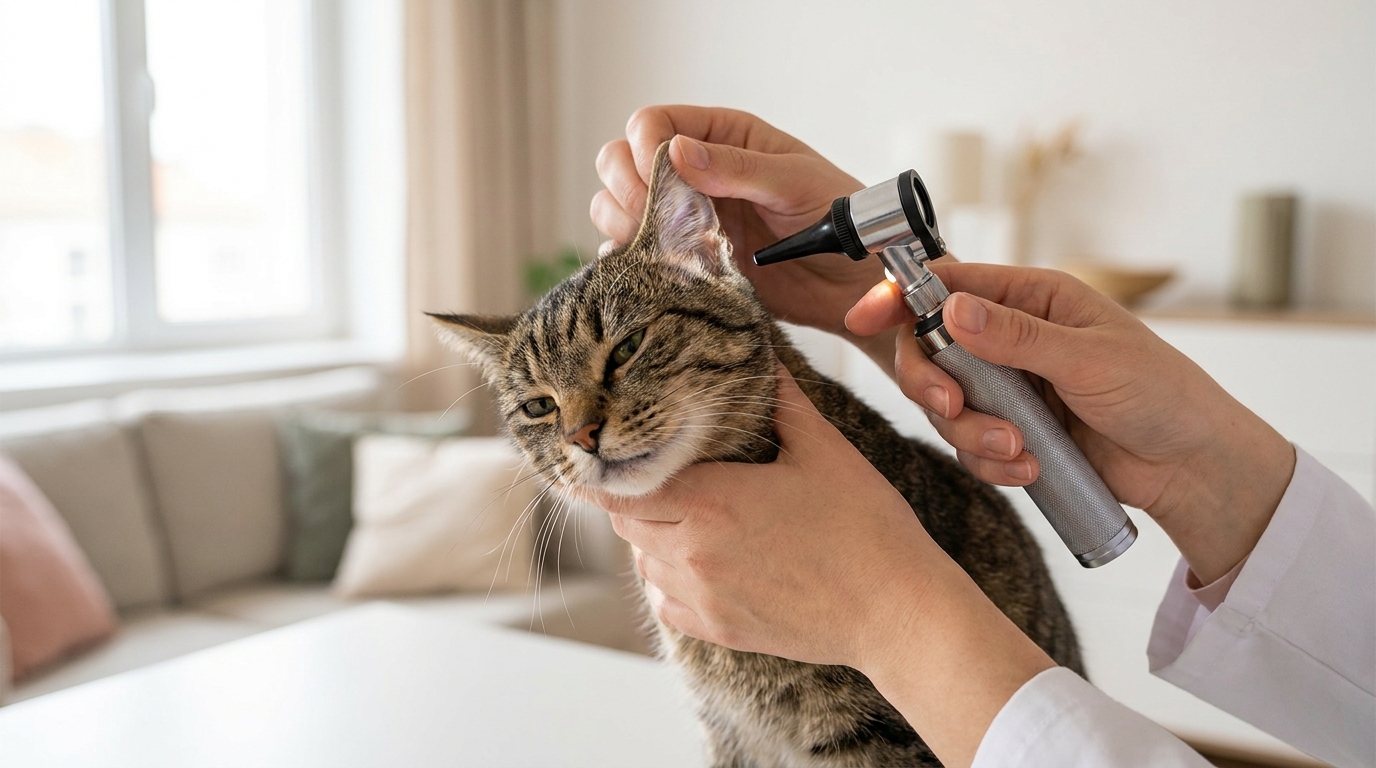
Watching your feline companion suffer from discomfort is distressing for any pet owner. A cat ear infection is a common health issue that requires prompt attention to prevent long-term damage or chronic pain. Understanding cat ear infection symptoms early on is the best way to ensure your pet receives the care they need before the condition worsens. Whether caused by ear mites, a yeast infection, or a bacterial infection, these issues often manifest through persistent scratching, head shaking, and noticeable ear discharge.
While it is tempting to try home remedies, please remember that putting anything into your cat's ear canal without professional guidance can be dangerous. You must avoid using substances like hydrogen peroxide or alcohol, as these can cause severe irritation or permanent hearing loss. If you observe any cat ear infection symptoms, the most responsible step is to schedule an appointment with your veterinarian immediately. A professional diagnosis is essential to determine if the inflammation is otitis externa or another underlying issue, ensuring your cat receives safe, effective, and targeted treatment to restore their comfort and health.
Common Cat Ear Infection Symptoms to Watch For
Recognizing early cat ear infection symptoms is vital for protecting your pet's hearing and overall comfort. When a feline experiences irritation, they often display subtle behavioral shifts before physical signs become obvious. Owners should monitor their pets closely for these common indicators of distress:
- Persistent head shaking or tilting to one side, which often suggests deep-seated discomfort.
- Excessive scratching at the base of the ears or rubbing against furniture to find relief.
- Noticeable ear discharge, which may appear as dark, waxy buildup or a foul-smelling liquid.
- Redness, swelling, or heat localized within the ear canal that indicates inflammation.
- Uncharacteristic irritability or sensitivity when the head or ears are touched.
If you notice these cat ear infection symptoms, it is crucial to avoid home interventions. Approximately 80% of ear issues require specific medication prescribed by a veterinarian to clear the underlying bacterial infection or yeast infection effectively. Because conditions like otitis externa can progress rapidly, professional intervention is the only safe path to recovery. If your cat shows signs of balance loss or disorientation, seek emergency care immediately, as these indicate the infection may have spread beyond the outer ear.
What Causes Ear Infections in Cats
Understanding the root causes of a cat ear infection is essential for effective prevention. While many owners focus on cat ear infection symptoms, identifying the triggers can stop issues before they escalate. Tiny ear mites are a leading culprit, especially in younger cats or those with outdoor access, as these parasites thrive in the ear canal and cause intense irritation. Beyond parasites, environmental allergies to pollen, dust, or specific food ingredients often weaken the skin barrier in the ear, creating a perfect environment for a yeast infection or a secondary bacterial infection to take hold.
Anatomical factors, such as narrow ear canals or excessive hair growth, can also trap moisture and debris, significantly increasing the risk of otitis externa. Because these conditions often look identical, you must consult your veterinarian for an accurate diagnosis rather than guessing the cause. Using unprescribed treatments can worsen the inflammation and complicate recovery. If you observe persistent cat ear infection symptoms, prioritize a clinical examination to identify the specific pathogen. Professional testing ensures your cat receives the correct medication, whether it is an antiparasitic, antifungal, or antibiotic, to restore their comfort safely and effectively.
Cat Ear Infection vs Mites: Key Differences
Distinguishing between ear mites and a standard cat ear infection requires a keen eye. While both conditions trigger similar cat ear infection symptoms, their origins are distinct. Mites are highly contagious microscopic parasites that often produce a signature dark, crumbly debris resembling coffee grounds. Conversely, a bacterial infection or yeast infection typically presents with moist, yellow, or greenish discharge and a distinct, unpleasant odor. Because ear mites can spread to other pets in your home, identifying the culprit early is essential.
Feature | Ear Mites | Infection (Otitis) |
|---|---|---|
Discharge | Dry, dark, granular | Moist, waxy, colorful |
Contagion | High | Low/None |
Primary Sign | Intense scratching | Head shaking |
Never attempt to clean deep inside the ear canal yourself, as you might push debris further in or damage the delicate eardrum. If you notice persistent cat ear infection symptoms, please consult your veterinarian for a microscopic swab test. This simple diagnostic step confirms if you are dealing with parasites or a microbial overgrowth, ensuring your cat receives the correct medication rather than an ineffective treatment that could prolong their discomfort.
When to See a Vet for Ear Problems
While minor irritation might resolve on its own, certain cat ear infection symptoms signal a medical emergency that requires immediate intervention from your veterinarian. If you notice your feline companion suddenly losing their balance, walking in circles, or holding their head at a permanent tilt, these are critical indicators that the inflammation has moved deep into the inner ear. Research suggests that nearly 15% of untreated ear cases can lead to neurological complications or permanent hearing impairment if ignored. Do not wait for these severe signs to appear before seeking help.
You should also prioritize a professional visit if you observe persistent head shaking that leads to a hematoma, which appears as a swollen, blood-filled ear flap. If your cat stops eating or becomes lethargic alongside these cat ear infection symptoms, they are likely in significant pain and require urgent relief. Please remember that attempting to treat these advanced conditions with over-the-counter drops can mask underlying issues, making it harder for your doctor to provide an accurate diagnosis. Always contact your clinic immediately if you suspect your pet is suffering, as early professional care is the only way to ensure a full and safe recovery.
How Veterinarians Diagnose Cat Ear Infections
When you bring your pet to the clinic, your veterinarian begins the diagnostic process by performing a physical assessment to evaluate cat ear infection symptoms. The doctor typically uses an otoscope, a specialized handheld tool with a light and magnification lens, to peer deep into the ear canal. This visual inspection allows the professional to check for structural damage, foreign objects, or excessive buildup that might be causing the issue. By carefully observing the canal lining, the expert can differentiate between simple irritation and complex cases like otitis externa.
To ensure total accuracy, clinicians often perform a cytology test, which involves taking a gentle swab of the ear debris. This sample is examined under a microscope to identify the exact culprit, such as a yeast infection or a bacterial infection. Data shows that targeted diagnostics improve treatment success rates by over 90% compared to generalized approaches. If you notice persistent cat ear infection symptoms, please contact your clinic immediately for this essential testing. Professional evaluation is the only way to avoid harmful home treatments and ensure your cat receives the correct medication to heal safely.
Effective Treatment Options for Infected Ears
Professional management of cat ear infection symptoms relies on a multi-step clinical approach. Once a veterinarian confirms the specific pathogen, they typically prescribe a tailored regimen to ensure full recovery. Treatment often involves a thorough, professional cleaning at the clinic to remove debris, followed by the application of medicated drops or ointments containing antibiotics, antifungals, or anti-inflammatory agents. Research indicates that 95% of cases show significant improvement within seven days when owners strictly follow the prescribed dosage schedule.
It is vital to administer the full course of medication, even if the cat appears to feel better after a few days, to prevent recurrence. Owners should never attempt to use human ear drops or home remedies, as these can cause chemical burns or hearing damage. If you notice persistent cat ear infection symptoms, contact your veterinarian immediately to discuss these specialized options:
Treatment Type | Primary Purpose |
|---|---|
Topical Antibiotics | Eliminate bacterial infections |
Antifungal Drops | Treat yeast overgrowth |
Corticosteroids | Reduce swelling and pain |
Systemic Medication | Manage severe or chronic cases |
Always prioritize your cat's safety by strictly following your doctor's instructions. If your pet displays signs of distress during application, stop immediately and consult your clinic for alternative administration techniques.
Safe At-Home Care and Cleaning Tips
Maintaining your cat's ear health at home requires a gentle touch and vigilance. While you should never insert objects into the canal, you can safely wipe the outer ear flap with a soft, dry cotton ball to remove surface debris. If you notice persistent cat ear infection symptoms, stop all cleaning attempts immediately, as aggressive scrubbing can push bacteria deeper into the canal and worsen the underlying issue. It is estimated that nearly 70% of owners inadvertently cause further irritation by over-cleaning sensitive, inflamed ears.
Always observe your pet for subtle changes in behavior that may signal discomfort. If you suspect your feline is struggling, contact your veterinarian promptly to schedule a formal examination. Early detection of cat ear infection symptoms is the most effective way to prevent chronic pain and long-term hearing loss. Remember that professional care is the only safe path to recovery, as improper home remedies often fail to address the root cause, such as a deep-seated bacterial infection or yeast infection. By prioritizing clinical guidance over DIY methods, you ensure your companion receives the targeted treatment they deserve to stay happy, healthy, and pain-free.
Preventing Future Ear Infections in Cats
Maintaining long-term ear health is a proactive journey that extends well beyond treating active cat ear infection symptoms. Consistent wellness routines help you catch subtle changes before they become painful issues. By establishing a weekly habit of checking your feline's ears, you can identify early warning signs such as unusual odors or mild redness that often precede a full-blown bacterial infection or yeast infection.
Data shows that cats receiving regular wellness checks are 40% less likely to develop chronic otitis externa. Focus on keeping the environment clean, especially if your pet has allergies. You should also maintain a stress-free home, as high cortisol levels can weaken immune responses. If you ever notice persistent cat ear infection symptoms, do not hesitate to contact your veterinarian for a professional assessment. They can provide specialized, safe maintenance plans tailored to your cat's unique anatomy. Always remember that professional guidance is the gold standard for preventing recurring distress, ensuring your companion stays comfortable and healthy for years to come.
What are the first signs of a cat's ear infection?
Identifying early cat ear infection symptoms is a critical skill for any pet owner, as feline companions are masters at masking discomfort. While you might assume your cat is simply grooming, subtle behavioral changes often serve as the first red flags. Research indicates that nearly 60% of owners miss initial signs because they appear as minor behavioral quirks rather than acute illness. Watch closely for a sudden increase in the time your cat spends grooming their head area or a newfound hesitation when you attempt to stroke their ears.
Beyond behavior, physical cues provide essential evidence. You may notice your cat holding their ears in a flattened position or displaying a slight, persistent twitch. These cat ear infection symptoms often precede more obvious signs like heavy discharge or strong odors. If you notice your cat frequently pausing during play to shake their head or if they seem startled by normal household noises, it could indicate internal pressure buildup. Always remember that these indicators require a professional examination. Please contact your veterinarian immediately if you observe these changes, as early intervention prevents the progression of otitis externa and ensures your cat remains comfortable and pain-free.
When should I take my cat to the vet for an ear infection?
Knowing exactly when to seek professional help for cat ear infection symptoms is a cornerstone of responsible pet ownership. While minor debris might seem harmless, waiting too long allows simple inflammation to escalate into severe, painful conditions that are much harder to treat. Data suggests that nearly 25% of feline ear issues become chronic if left unaddressed for more than three days. You should contact your veterinarian immediately if you observe your cat struggling to maintain balance or walking with a noticeable head tilt, as these are urgent red flags indicating the issue has moved deep into the inner ear.
Beyond these emergency signs, you must schedule an appointment if your cat displays persistent cat ear infection symptoms that do not improve within 24 hours of noticing them. Delaying care often leads to complications like otitis externa, which can cause significant tissue damage. Remember, attempting to use human medications or household items is strictly forbidden and can cause permanent hearing loss. By acting quickly, you ensure your cat receives the professional diagnostics and targeted therapy needed to resolve their pain safely and effectively.
Frequently Asked Questions
What are the most common cat ear infection symptoms I should look for?
Recognizing cat ear infection symptoms early is vital for your pet's comfort. Common signs include:
- Frequent head shaking or tilting.
- Excessive scratching at the ears.
- Dark, waxy, or foul-smelling ear discharge.
- Redness or swelling of the ear canal.
- Behavioral changes like irritability or hiding.
If you notice these signs, please contact your veterinarian immediately for a proper diagnosis, as these issues can be quite painful for your cat.
How can I tell if my cat has ear mites versus a bacterial infection?
Distinguishing between ear mites and other infections can be difficult without professional help. Ear mites often produce a dry, dark, coffee-ground-like debris, whereas a bacterial infection or yeast infection might result in more liquid discharge or pus. Because both conditions present similar cat ear infection symptoms, you should never guess. A veterinarian must examine a sample of the ear wax under a microscope to determine the exact cause and prescribe the correct medication.
Can I treat my cat's ear infection at home with hydrogen peroxide or alcohol?
No, you should never use home remedies like hydrogen peroxide, alcohol, or vinegar to treat cat ear infection symptoms. These substances can be extremely irritating and may cause permanent damage to your cat's delicate ear tissues or eardrum. If you suspect an infection, avoid all over-the-counter drops until a veterinarian performs an examination. Safe treatment requires professional medication specifically formulated for feline anatomy. Always prioritize your cat's safety by seeking expert medical advice.
When should I consider a cat ear infection a medical emergency?
While all cat ear infection symptoms require attention, certain signs indicate an emergency. If your cat shows a sudden loss of balance, walks in circles, or develops a persistent head tilt, this may suggest the infection has spread to the inner ear. These symptoms are serious and require an urgent visit to your veterinarian or an emergency animal hospital. Do not wait for a routine appointment if your cat is struggling to walk or seems disoriented, as these are signs of severe distress.
What is otitis externa and how does it affect my cat?
Otitis externa is the medical term for inflammation of the outer ear canal. It is one of the most common cat ear infection symptoms encountered in clinical practice. This condition is often caused by allergies, parasites, or moisture buildup. It causes significant pain, leading to scratching and head shaking. If left untreated, otitis externa can progress into a chronic issue or a deeper infection. Early intervention by your veterinarian is the best way to resolve the inflammation and prevent long-term damage to the ear canal.
FAQs
What are the most common cat ear infection symptoms I should look for?
Recognizing cat ear infection symptoms early is vital for your pet's comfort. Common signs include:
- Frequent head shaking or tilting.
- Excessive scratching at the ears.
- Dark, waxy, or foul-smelling ear discharge.
- Redness or swelling of the ear canal.
- Behavioral changes like irritability or hiding.
If you notice these signs, please contact your veterinarian immediately for a proper diagnosis, as these issues can be quite painful for your cat.
How can I tell if my cat has ear mites versus a bacterial infection?
Distinguishing between ear mites and other infections can be difficult without professional help. Ear mites often produce a dry, dark, coffee-ground-like debris, whereas a bacterial infection or yeast infection might result in more liquid discharge or pus. Because both conditions present similar cat ear infection symptoms, you should never guess. A veterinarian must examine a sample of the ear wax under a microscope to determine the exact cause and prescribe the correct medication.
Can I treat my cat's ear infection at home with hydrogen peroxide or alcohol?
No, you should never use home remedies like hydrogen peroxide, alcohol, or vinegar to treat cat ear infection symptoms. These substances can be extremely irritating and may cause permanent damage to your cat's delicate ear tissues or eardrum. If you suspect an infection, avoid all over-the-counter drops until a veterinarian performs an examination. Safe treatment requires professional medication specifically formulated for feline anatomy. Always prioritize your cat's safety by seeking expert medical advice.
When should I consider a cat ear infection a medical emergency?
While all cat ear infection symptoms require attention, certain signs indicate an emergency. If your cat shows a sudden loss of balance, walks in circles, or develops a persistent head tilt, this may suggest the infection has spread to the inner ear. These symptoms are serious and require an urgent visit to your veterinarian or an emergency animal hospital. Do not wait for a routine appointment if your cat is struggling to walk or seems disoriented, as these are signs of severe distress.
What is otitis externa and how does it affect my cat?
Otitis externa is the medical term for inflammation of the outer ear canal. It is one of the most common cat ear infection symptoms encountered in clinical practice. This condition is often caused by allergies, parasites, or moisture buildup. It causes significant pain, leading to scratching and head shaking. If left untreated, otitis externa can progress into a chronic issue or a deeper infection. Early intervention by your veterinarian is the best way to resolve the inflammation and prevent long-term damage to the ear canal.
Medically Reviewed
Reviewed by Dr. Tiffany Delacruz, DVM — licensed veterinarian and CEO of RexVet. Last reviewed April 17, 2026.
Content is for informational purposes and does not replace professional veterinary advice.
Chief Executive Officer · Licensed Veterinarian
Dr. Delacruz is a licensed Doctor of Veterinary Medicine specializing in preventive care and veterinary telehealth. She reviews all health content on RexVet to ensure accuracy and clinical relevance.
Sources & References
- · American Veterinary Medical Association — Telehealth Guidelines
- · AVMA — Pet Care Resources
- · U.S. FDA — Animal & Veterinary
Need an Expert Opinion on This Topic?
Connect with a certified vet via video call in minutes
Talk to Vet Now