
Vestibular Disease in Dogs: Symptoms and Online Vet Guidance
By RexVet Team | Reviewed by Dr. Tiffany Delacruz, DVM
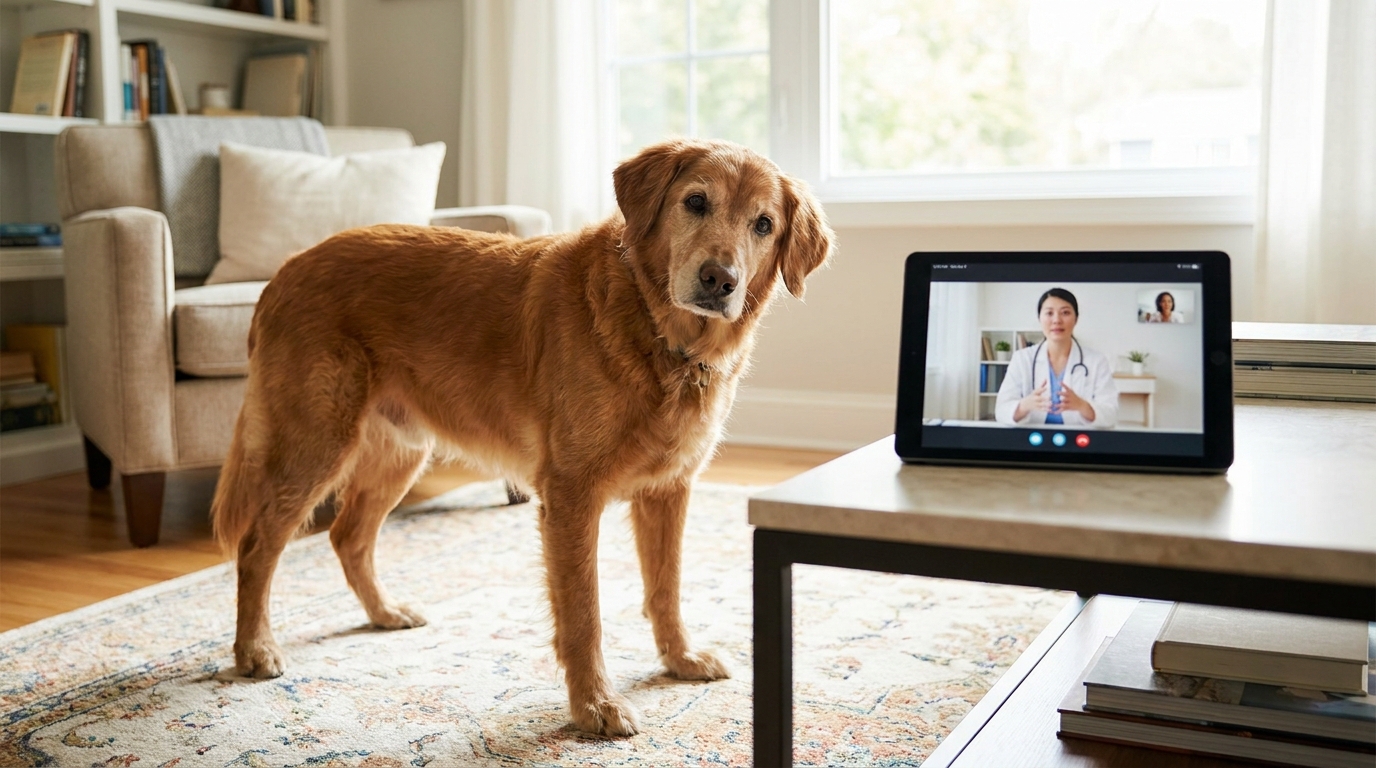
When your dog suddenly struggles to stand, tilts their head, or seems unable to maintain balance, it is natural to feel immediate alarm. These signs are often associated with Vestibular Disease in Dogs: Symptoms and Online Vet Guidance, a condition that impacts the system responsible for your pet's equilibrium. While the sight of a dog falling over or experiencing rapid, involuntary eye movements—known as nystagmus—can be terrifying, many cases are idiopathic, meaning they occur without a clear underlying cause. Understanding these signs is the first step toward helping your companion feel steady again.
Because these symptoms can mimic a stroke or other serious neurological emergencies, professional triage is essential. Vestibular Disease in Dogs: Symptoms and Online Vet Guidance provides a vital resource for pet parents who need to determine if their dog requires an immediate trip to an emergency clinic or if the situation can be managed with home care and monitoring. By connecting with a licensed veterinarian through a virtual platform, you can receive expert advice on how to keep your pet safe, comfortable, and stable while navigating these disorienting moments.
What Is Vestibular Disease?
The vestibular system acts as your dog's internal GPS, a complex network of nerves and fluid-filled structures located in the inner ear and brain. It constantly communicates with the eyes and limbs to maintain posture and orientation. When this delicate system faces disruption, it results in Vestibular Disease in Dogs: Symptoms and Online Vet Guidance, which manifests as a sudden loss of equilibrium. This condition often stems from idiopathic causes in senior pets , though secondary triggers like ear infections or inflammation can also play a role.
Because the brain receives conflicting signals, the dog experiences severe disorientation. Understanding Vestibular Disease in Dogs: Symptoms and Online Vet Guidance helps you recognize that these physical struggles are not behavioral issues but neurological responses to a sensory mismatch. The following indicators are common markers of this condition:
- Involuntary, rapid side-to-side or rotational eye movements known as nystagmus
- Persistent tilting of the head to one side
- Difficulty walking or standing due to ataxia
- Sudden nausea or refusal to eat
By utilizing Vestibular Disease in Dogs: Symptoms and Online Vet Guidance, you can quickly triage these alarming signs with a professional, ensuring your dog receives the appropriate level of care during their recovery process.
Symptoms Dog Owners Notice First
When observing your pet, the first signs often appear as a sudden, dramatic shift in their physical coordination. You might notice your dog stumbling into furniture or appearing confused as they attempt to navigate familiar rooms. A persistent head tilt is frequently the most noticeable indicator, often accompanied by a wide-based stance where they spread their legs to keep from falling over. These behaviors are central to identifying Vestibular Disease in Dogs: Symptoms and Online Vet Guidance, as they reflect a sudden loss of orientation.
Owners often report their dogs circling repeatedly in one direction or showing a sudden reluctance to jump onto beds or couches. If you notice these shifts, documenting the behavior on your phone is incredibly helpful for a virtual consultation. By providing a clear video, you allow a professional to see the exact nature of their movement, which is a core component of Vestibular Disease in Dogs: Symptoms and Online Vet Guidance. Recognizing these early warning signs allows you to act quickly, ensuring your pet remains safe while you seek expert advice on whether a home environment adjustment is sufficient or if further intervention is required.
Vestibular Disease vs Stroke-Like Symptoms
Distinguishing between vestibular issues and a stroke is a common concern for pet owners, as both can present with sudden, alarming neurological signs. While strokes in dogs are relatively rare, vestibular dysfunction is frequently encountered in clinical practice. Utilizing Vestibular Disease in Dogs: Symptoms and Online Vet Guidance helps you understand that a stroke often involves additional deficits, such as weakness on only one side of the body or changes in mental alertness, which are typically absent in isolated vestibular cases.
Feature | Vestibular Signs | Stroke Indicators |
|---|---|---|
Mental State | Usually alert | Often dull or confused |
Physical Deficits | Loss of balance/tilt | Weakness on one side |
Eye Movement | Rhythmic nystagmus | Abnormal pupil size |
Because these conditions appear similar to the untrained eye, seeking professional input is vital. Relying on Vestibular Disease in Dogs: Symptoms and Online Vet Guidance allows you to consult with a licensed veterinarian who can help determine if your pet's condition requires emergency intervention or if it aligns with common, manageable vestibular episodes. By capturing clear video of your dog's movements, you provide the necessary data for a remote expert to assess the situation safely and effectively.
When Symptoms May Be Urgent
While many balance issues resolve on their own, certain red flags necessitate immediate action. If your dog experiences sudden collapse, repeated seizures, or a complete inability to stand, these are not typical signs of vestibular syndrome and require a trip to an emergency clinic . Additionally, if your pet shows severe lethargy, becomes unresponsive, or exhibits signs of trauma after a fall, you must prioritize professional in-person care. Relying on Vestibular Disease in Dogs: Symptoms and Online Vet Guidance helps you distinguish between these critical emergencies and more stable, albeit alarming, episodes.
If your dog is alert and simply struggling with coordination, you can often manage the initial assessment from home. Our platform provides Vestibular Disease in Dogs: Symptoms and Online Vet Guidance to help you determine if your pet is safe to wait for a virtual consultation . By capturing video of your dog’s movement, you provide our licensed veterinarians with the data needed to triage the situation effectively. If you notice your dog is unable to swallow, has abnormal pupil sizes, or exhibits extreme weakness, do not wait—seek local emergency assistance immediately to ensure your companion receives the urgent support they need.
Preparing for Your Virtual Vet Visit
When you suspect your pet is struggling with balance, documenting their behavior is a vital component of Vestibular Disease in Dogs: Symptoms and Online Vet Guidance. Because these episodes can be fleeting or fluctuate in intensity, capturing a clear video on your smartphone provides our clinicians with an objective look at your dog's movements. When recording, try to keep the camera steady and focus on the dog's eye movements, head position, and how they navigate their immediate surroundings.
Before your session, note the duration of the symptoms and any specific triggers, such as sudden movement or changes in light. This preparation is essential for Vestibular Disease in Dogs: Symptoms and Online Vet Guidance, as it allows our team to distinguish between idiopathic episodes and potential underlying issues like inner ear infections. By having this information ready, you ensure a more accurate triage process. Our goal is to provide you with peace of mind and actionable steps, helping you decide if your dog needs urgent in-person care or can be safely supported at home. Describe your dog’s symptoms to a licensed online vet today to get the professional insight you need.
Can RexVet Help With Next Steps?
When you notice your dog struggling with balance, RexVet offers a streamlined path to clarity. Our telehealth triage service acts as a bridge between your observations at home and the need for specialized care. If your dog is alert and able to stand, our licensed clinicians can assess your dog on a live video visit to help decide whether an in-person exam is needed or the episode can be managed safely at home. If your dog has collapsed, is having seizures or cannot stand, go to an emergency veterinarian right away.
This virtual approach is particularly beneficial for senior pets, as it avoids the stress and cost of unnecessary transport. We help you assess if the symptoms are consistent with idiopathic cases or if they warrant a referral to a veterinary neurologist. Through Vestibular Disease in Dogs: Symptoms and Online Vet Guidance, we provide professional, non-profit-backed support that prioritizes your dog's comfort. Our goal is to empower you with the knowledge to navigate these frightening moments with confidence. If you are unsure about your pet's stability, our team is ready to help you evaluate the next steps. Describe your dog’s symptoms to a licensed online vet today to get the professional insight you need.
Ask RexVet for $64.99
When you notice your dog struggling with balance, seeking expert advice should not break your budget. Our non-profit platform offers affordable Vestibular Disease in Dogs: Symptoms and Online Vet Guidance for just $64.99. This flat fee ensures you get professional triage without the stress of an unnecessary emergency room bill. By choosing our service, you gain access to a licensed veterinarian who can analyze your pet's condition and provide clear, actionable next steps.
We believe that high-quality care should be accessible to every pet owner. Our $64.99 consultation fee is designed to help you navigate Vestibular Disease in Dogs: Symptoms and Online Vet Guidance with confidence. Whether you need to confirm if your dog's symptoms are idiopathic or require a visit to a specialist, our team is here to support you 24/7. This cost-effective approach allows you to prioritize your dog's health while managing your household budget effectively. Do not let financial worry delay your pet's recovery. Describe your dog’s symptoms to a licensed online vet today to get the professional insight you need.
Frequently Asked Questions
What causes vestibular disease in dogs?
Vestibular disease in dogs often stems from issues in the inner ear or the brain's balance center. Idiopathic vestibular syndrome, often called old dog syndrome, is the most common form where no specific cause is found. Other triggers include inner ear infections, trauma, or certain medications. Because understanding the root cause is vital for proper care, our guide on Vestibular Disease in Dogs: Symptoms and Online Vet Guidance helps you identify if your pet needs immediate in-person help or if it can be managed with professional virtual advice.
Can vestibular disease in dogs go away on its own?
Yes, many cases of idiopathic vestibular disease will show significant improvement within a few days, though some symptoms like a mild head tilt may persist longer. Recovery requires patience and a safe environment, such as blocking off stairs or using rugs to prevent slipping. If you are researching Vestibular Disease in Dogs: Symptoms and Online Vet Guidance, remember that while many dogs recover, you should always consult a professional to ensure the diagnosis is correct and your pet is comfortable during the healing process.
Is vestibular disease painful for my dog?
Vestibular disease is generally not considered painful, but it is extremely disorienting and stressful for your dog. The sensation of vertigo can lead to vomiting, loss of appetite, and anxiety. If you are looking for Vestibular Disease in Dogs: Symptoms and Online Vet Guidance, the best approach is to keep your pet in a quiet, low-light area. If your dog seems to be in pain or is unable to stand, contact an emergency veterinarian right away.
Should I ask an online vet about my dog's balance problems?
Yes, starting with a virtual consultation is a great way to triage your dog's condition. By using Vestibular Disease in Dogs: Symptoms and Online Vet Guidance, you can connect with a RexVet clinician who can assess your dog's nystagmus or ataxia via video. This helps you decide if it is safe to monitor your pet at home or if the symptoms are severe enough to warrant an urgent trip to an in-person emergency hospital, potentially saving you time and stress.
How can I prepare for a virtual vet visit regarding vestibular symptoms?
Preparation is key when seeking Vestibular Disease in Dogs: Symptoms and Online Vet Guidance. Before your RexVet video call, try to record a short video of your dog’s symptoms, such as their eye movements or how they walk. This visual evidence is invaluable for our vets to make an accurate assessment. Also, have a list of your dog's current medications and any recent changes in behavior ready to share, which helps our team provide the most effective guidance for your pet's specific situation.
FAQs
What causes vestibular disease in dogs?
Vestibular disease in dogs often stems from issues in the inner ear or the brain's balance center. Idiopathic vestibular syndrome, often called old dog syndrome, is the most common form where no specific cause is found. Other triggers include inner ear infections, trauma, or certain medications. Because understanding the root cause is vital for proper care, our guide on Vestibular Disease in Dogs: Symptoms and Online Vet Guidance helps you identify if your pet needs immediate in-person help or if it can be managed with professional virtual advice.
Can vestibular disease in dogs go away on its own?
Yes, many cases of idiopathic vestibular disease will show significant improvement within a few days, though some symptoms like a mild head tilt may persist longer. Recovery requires patience and a safe environment, such as blocking off stairs or using rugs to prevent slipping. If you are researching Vestibular Disease in Dogs: Symptoms and Online Vet Guidance, remember that while many dogs recover, you should always consult a professional to ensure the diagnosis is correct and your pet is comfortable during the healing process.
Is vestibular disease painful for my dog?
Vestibular disease is generally not considered painful, but it is extremely disorienting and stressful for your dog. The sensation of vertigo can lead to vomiting, loss of appetite, and anxiety. If you are looking for Vestibular Disease in Dogs: Symptoms and Online Vet Guidance, the best approach is to keep your pet in a quiet, low-light area. If your dog seems to be in pain or is unable to stand, contact an emergency veterinarian right away.
Should I ask an online vet about my dog's balance problems?
Yes, starting with a virtual consultation is a great way to triage your dog's condition. By using Vestibular Disease in Dogs: Symptoms and Online Vet Guidance, you can connect with a RexVet clinician who can assess your dog's nystagmus or ataxia via video. This helps you decide if it is safe to monitor your pet at home or if the symptoms are severe enough to warrant an urgent trip to an in-person emergency hospital, potentially saving you time and stress.
How can I prepare for a virtual vet visit regarding vestibular symptoms?
Preparation is key when seeking Vestibular Disease in Dogs: Symptoms and Online Vet Guidance. Before your RexVet video call, try to record a short video of your dog’s symptoms, such as their eye movements or how they walk. This visual evidence is invaluable for our vets to make an accurate assessment. Also, have a list of your dog's current medications and any recent changes in behavior ready to share, which helps our team provide the most effective guidance for your pet's specific situation.
Medically Reviewed
Reviewed by Dr. Tiffany Delacruz, DVM — licensed veterinarian and CEO of RexVet. Last reviewed June 3, 2026.
Content is for informational purposes and does not replace professional veterinary advice.
Chief Executive Officer · Licensed Veterinarian
Dr. Delacruz is a licensed Doctor of Veterinary Medicine specializing in preventive care and veterinary telehealth. She reviews all health content on RexVet to ensure accuracy and clinical relevance.
Sources & References
- · American Veterinary Medical Association — Telehealth Guidelines
- · AVMA — Pet Care Resources
- · U.S. FDA — Animal & Veterinary
Need an Expert Opinion on This Topic?
Connect with a certified vet via video call in minutes
Talk to Vet Now