
Cat Ate a Dead Bird? Bird Flu Signs and Who to Call First
By RexVet Team | Reviewed by Dr. Tiffany Delacruz, DVM
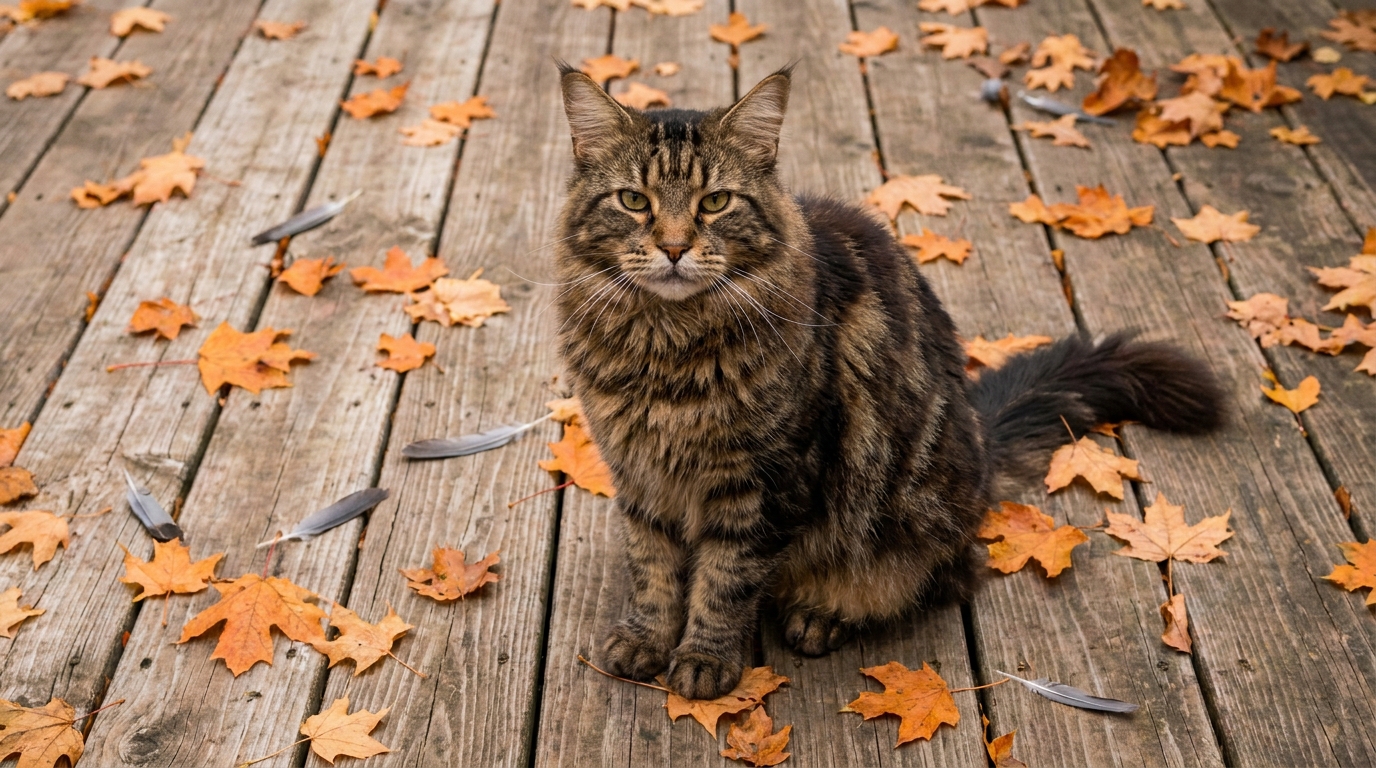
Cat ate a dead bird? Keep your cat inside and away from other pets, watch for fever or breathing trouble, and call a vet before you walk in.
If your cat has trouble breathing, tremors, seizures, stumbling, sudden blindness or is hard to wake, call an emergency vet now and tell them about the bird before you arrive.
Cat ate a dead bird: why bird flu is part of the question now
Cats have always brought home birds. What has changed is bird flu. The Cornell Feline Health Center explains that "Avian influenza A viruses occur naturally in waterfowl, and a subtype called H5N1 has recently evolved to infect a variety of other birds and mammals."
Cornell lists "exposure to wild birds" among the suspected or verified sources of H5N1 infection in cats. The same list includes raw milk, raw meat and poultry products, infected livestock and poultry and their surroundings, and infected people and their clothing.
The Virginia Department of Wildlife Resources (VA DWR) adds that "A highly pathogenic H5N1 virus has been circulating in wild birds in North America since late 2021, causing sporadic mortality events in wild birds and infections in domestic poultry and dairy cattle."
None of this means the bird your cat caught was infected. You have no way of knowing that from home. So take the exposure seriously, watch your cat closely, and know who to call before you need them.
Emergency signs, and why you call before you go
Cornell describes how the illness tends to show up in cats: "Infected cats often develop a fever, loss of appetite, and lethargy early in their infections; and signs can worsen rapidly to include nasal/ocular discharge, sneezing, coughing, respiratory difficulty, and neurologic signs such as incoordination, tremors, seizures, and blindness."
Because those signs can worsen rapidly, split them into two groups.
Call an emergency vet now if your cat has:
- Trouble breathing
- Tremors or seizures
- Stumbling or poor coordination
- Sudden blindness
- Being hard to wake
These mean going to an emergency clinic now. Phone on the way and tell them about the bird before you arrive.
Call your vet right away if your cat has:
- A fever
- Loss of appetite, or refuses food
- Lethargy, meaning much quieter or sleepier than normal
- New sneezing, coughing, or discharge from the eyes or nose
If coughing comes with any breathing effort, treat it as an emergency.
Why the phone call comes first
Cornell is direct about this step: "Importantly, do not bring your cat to a veterinarian before contacting them so that they can take appropriate precautions to protect your cat, other patients, and the whole veterinary team."
When you call, say that your cat caught or ate a wild bird, when it happened, and what signs you are seeing. That lets the clinic plan how to bring your cat in safely. For a broader look at which signs need a clinic tonight, see our pet emergency checklist for dog and cat owners.
What to do in the first hour
If your cat is acting normally right now, use this hour to set things up so you are ready if that changes.
- Bring your cat inside and keep it apart from other pets. A spare bedroom or bathroom with a litter box, water and bedding works. Cornell's advice for a cat that shows signs is clear: "Isolate the cat from other pets and people, thoroughly wash your hands before and after interacting with the cat and call your veterinarian immediately."
- Wash your hands before and after handling your cat. Cornell also advises washing your hands and changing clothing, including footwear, after contact with any wild bird.
- Call your veterinarian to talk through the exposure. Do this before you go anywhere. Never walk into a clinic unannounced with a cat that may have had contact with bird flu.
- Deal with what is left of the bird carefully. VA DWR advises: "If it is necessary to dispose of a dead bird on your property, wear rubber gloves and other personal protective equipment, such as a mask and eye protection, then bury the carcass or double-bag and dispose of it in a covered, secured trash can or place it in a landfill."
- Write down the details. Note the kind of bird if you can tell (a duck, a gull, a songbird), where your cat found it, when it happened, and how much your cat ate. Add any signs you notice over the next few days, with the time.
What about dogs?
Dogs pick up birds too, on walks, in the yard and on hunts. Cornell's HPAI (Bird Flu) Resource Center notes: "Although dogs are susceptible to H5N1, there have not been cases of dogs becoming clinically ill or succumbing from the disease."
That is reassuring, but it is not a reason to let a dog carry a dead bird around. A dog that mouths a carcass brings it close to your hands, your face and your other pets, including a cat.
If you hunt waterfowl with a dog, VA DWR's advice to hunters applies: "Do not handle or butcher birds that are obviously sick or are found dead." In practice, that means not sending your dog to retrieve a bird you did not shoot, and calling it off any bird it finds already dead.
If your dog has trouble breathing, tremors or seizures, or collapses after eating a bird, go to an emergency vet now and phone ahead about the bird. If your dog simply seems unwell afterward, call your vet and mention the bird. Fall brings other finds too, so it helps to know what to do if your dog ate a dead mouse.
Is your family at risk?
The Cornell Feline Health Center says: "While the risk to the public remains low, owners of cats diagnosed with HPAI infections should monitor their own health and contact their health care professionals if they experience illness after being exposed to cats infected by HPAI."
Cornell also advises that "any cat showing signs of H5N1 infection should not be allowed to lick anyone's face or interact closely with people until veterinary consultation has been carried out."
So if your cat becomes sick after a bird exposure, keep face-to-face cuddling on hold until you have spoken with a vet, and keep up the handwashing. Questions about your own health belong with your own doctor, not a veterinarian.
Which cats are at higher risk?
Cornell's HPAI (Bird Flu) Resource Center puts it plainly: "The risk is higher for farm cats, outdoor cats, cats who drink raw milk or eat a raw food diet, and cats having household members who are at risk of exposure to HPAI."
An outdoor cat that hunts already falls in a group Cornell describes as higher risk. Diet matters too. The Cornell Feline Health Center advises owners to "Refrain from feeding raw (even freeze-dried raw) meat-based foods and treats and unpasteurized dairy products." Cornell's page also tracks recalled raw pet foods, which is worth checking if you feed raw.
Cornell's prevention advice includes keeping cats indoors and away "from sick or dead birds." If your cat is used to roaming, your vet can talk through how to make the switch.
Birds are not the only thing hunting cats bring home. If you are in Florida, read what to watch for if your cat eats a lizard.
Reporting dead birds in your state
If you find dead wild birds near your home, here is where to report them.
- Virginia: VA DWR asks you to report clusters such as "Five or more dead vultures, waterfowl, shorebirds, or seabirds in the same area within five days." In its words, "please notify DWR by calling the Virginia Wildlife Conflict Helpline at 855-571-9003."
- Florida and New York: contact your state wildlife agency and follow its instructions for reporting dead birds.
RexVet does not take reports of dead birds or test for bird flu.
What a RexVet online vet can and cannot do after a bird exposure
Cornell's advice is to contact a vet before you bring your cat in. If your cat has none of the emergency signs above, a video visit can be that first call.
What a video vet can do
- Go through the exposure with you: the bird, the timing, how much your cat ate, and your cat's diet and lifestyle
- Check breathing effort, alertness and your cat's eyes on camera
- Set a watch plan for the coming days, including which changes mean calling back or going in
- Help you decide whether and where your cat should be seen, and how to call ahead so the clinic can prepare
What a video vet cannot do
- Test for H5N1
- Give oxygen or fluids
If your cat needs those, the vet will help you choose a clinic and tell you how to call ahead. If the veterinarian decides medication is appropriate, they can prescribe where state rules allow. In Florida, a veterinarian who has seen your pet only by video may prescribe only FDA-approved animal drugs used as labeled, for up to 14 days (1 month for flea-and-tick-only products), and cannot renew without an in-person exam.
To see how a video visit works for cats in general, read about low-stress online vet help for cats at home.
If your cat is stable, with none of the emergency signs above, you can book a RexVet video visit any time. RexVet's veterinarians are licensed in Florida, New York and Virginia and are available 24/7 for pet parents in those three states only. A visit is $64.99.
When to be seen in person in Florida, New York or Virginia
A video visit is a first step, not a substitute for a clinic when your cat is sick. Your cat should be seen in person if you notice:
- Any sign from the emergency list: trouble breathing, tremors, seizures, stumbling, sudden blindness or being hard to wake. These mean an emergency vet now.
- A fever
- Not eating
- Lethargy
- Fast breathing, even while resting or asleep
Whatever the reason, always phone the clinic before you arrive and mention the bird. That is how staff protect your cat, their other patients and themselves.
In Florida, state law (Fla. Stat. 474.2021) requires a telehealth vet to give you "the contact information for at least one physical veterinary clinic in the vicinity of the patient's location." Ask for it during your visit if you do not have a clinic you already use.
For more on how video care works where you live, see our pages for online vet care in Florida, online vet care in New York and online vet care in Virginia.
Frequently Asked Questions
Can cats get bird flu from eating a bird?
Cornell lists "exposure to wild birds" among the suspected or verified sources of H5N1 infection in cats. That does not mean the bird your cat caught was infected, and there is no way to tell at home. Keep your cat inside, watch for signs, and call a vet before going in if any appear.
What are the first signs of bird flu in cats?
Cornell says infected cats often develop a fever, loss of appetite and lethargy early, and that signs can worsen rapidly. Call your vet right away for any of those. If you see breathing trouble, tremors, seizures, stumbling or blindness, call an emergency vet now and tell them about the bird before you arrive.
Can dogs get bird flu from dead birds?
Cornell notes: "Although dogs are susceptible to H5N1, there have not been cases of dogs becoming clinically ill or succumbing from the disease." It is still wise to keep dogs away from carcasses. Hunters with dogs should follow VA DWR's advice not to handle birds that are obviously sick or found dead.
Can I catch bird flu from my cat?
According to Cornell, the risk to the public remains low. If your cat is diagnosed with HPAI, monitor your own health and contact your health care professional if you become ill. Cornell also advises that a cat showing signs of H5N1 should not lick anyone's face or interact closely with people until a vet has been consulted.
Should I stop feeding my cat raw food?
Cornell's Feline Health Center advises owners to "Refrain from feeding raw (even freeze-dried raw) meat-based foods and treats and unpasteurized dairy products." Cornell's HPAI Resource Center also lists cats on a raw food diet among the higher-risk groups. Your vet can help you plan a change of diet.
If your cat ate a dead bird and is stable, with none of the emergency signs above, you do not have to sort it out alone. RexVet is a 501(c)(3) non-profit, and RexVet's veterinarians are licensed in Florida, New York and Virginia. They are available 24/7, including nights and weekends, for pet parents in those three states only. A visit is $64.99, and you can book a video visit now.
FAQs
Can cats get bird flu from eating a bird?
Cornell lists "exposure to wild birds" among the suspected or verified sources of H5N1 infection in cats. That does not mean the bird your cat caught was infected, and there is no way to tell at home. Keep your cat inside, watch for signs, and call a vet before going in if any appear.
What are the first signs of bird flu in cats?
Cornell says infected cats often develop a fever, loss of appetite and lethargy early, and that signs can worsen rapidly. Call your vet right away for any of those. If you see breathing trouble, tremors, seizures, stumbling or blindness, call an emergency vet now and tell them about the bird before you arrive.
Can dogs get bird flu from dead birds?
Cornell notes: "Although dogs are susceptible to H5N1, there have not been cases of dogs becoming clinically ill or succumbing from the disease." It is still wise to keep dogs away from carcasses. Hunters with dogs should follow VA DWR's advice not to handle birds that are obviously sick or found dead.
Can I catch bird flu from my cat?
According to Cornell, the risk to the public remains low. If your cat is diagnosed with HPAI, monitor your own health and contact your health care professional if you become ill. Cornell also advises that a cat showing signs of H5N1 should not lick anyone's face or interact closely with people until a vet has been consulted.
Should I stop feeding my cat raw food?
Cornell's Feline Health Center advises owners to "Refrain from feeding raw (even freeze-dried raw) meat-based foods and treats and unpasteurized dairy products." Cornell's HPAI Resource Center also lists cats on a raw food diet among the higher-risk groups. Your vet can help you plan a change of diet.
If your cat ate a dead bird and is stable, with none of the emergency signs above, you do not have to sort it out alone. RexVet is a 501(c)(3) non-profit, and RexVet's veterinarians are licensed in Florida, New York and Virginia. They are available 24/7, including nights and weekends, for pet parents in those three states only. A visit is $64.99, and you can book a video visit now.
Medically Reviewed
Reviewed by Dr. Tiffany Delacruz, DVM — licensed veterinarian and CEO of RexVet. Last reviewed September 26, 2026.
Content is for informational purposes and does not replace professional veterinary advice.
Chief Executive Officer · Licensed Veterinarian
Dr. Delacruz is a licensed Doctor of Veterinary Medicine specializing in preventive care and veterinary telehealth. She reviews all health content on RexVet to ensure accuracy and clinical relevance.
Sources & References
- · American Veterinary Medical Association — Telehealth Guidelines
- · AVMA — Pet Care Resources
- · U.S. FDA — Animal & Veterinary
Need an Expert Opinion on This Topic?
Connect with a certified vet via video call in minutes
Talk to Vet Now