
My Dog Ate a Dead Mouse: Could It Be Poisoned?
By RexVet Team | Reviewed by Dr. Tiffany Delacruz, DVM
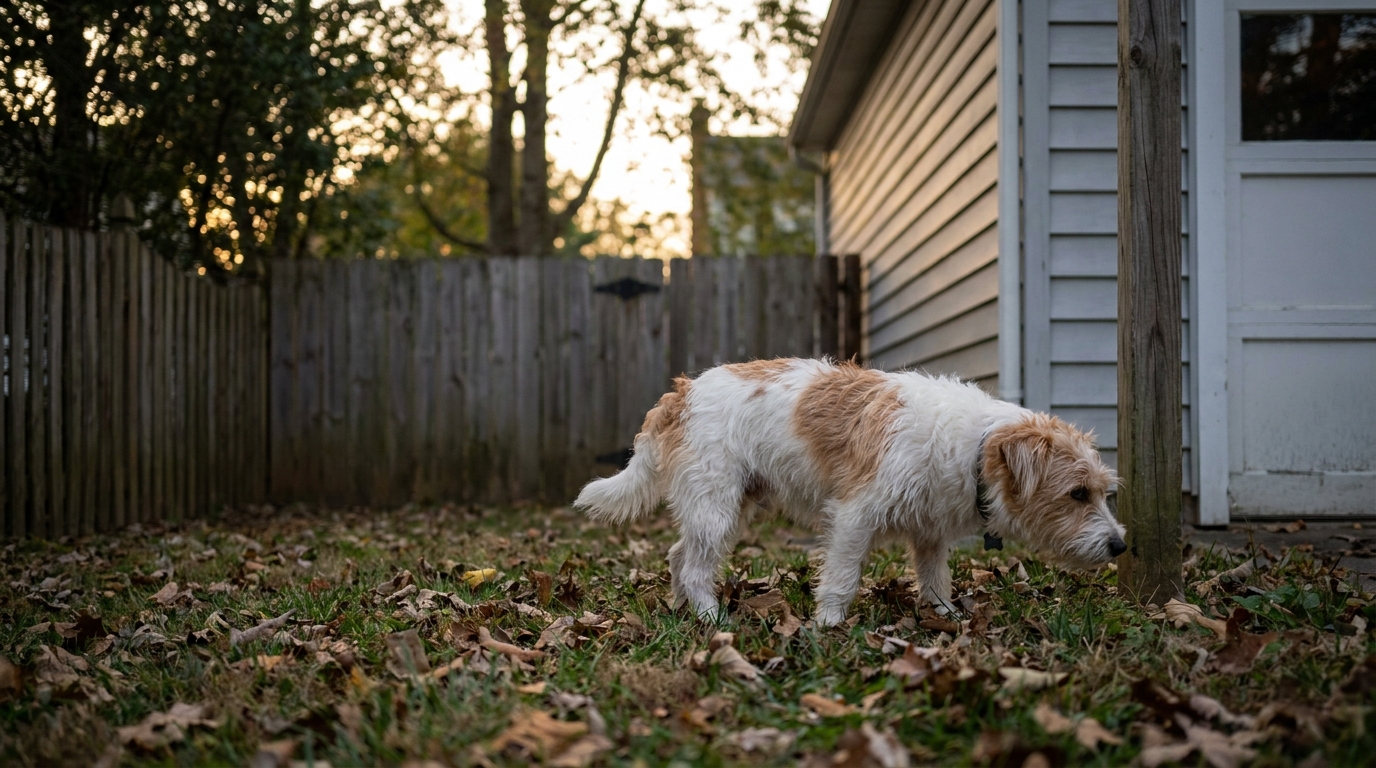
A dead mouse rarely poisons a dog by itself, but if rat bait is used anywhere nearby, call a vet or poison line tonight and watch for a week.
If your dog has pale gums, a nosebleed, bruising, bloody vomit or stool, trouble breathing, tremors, wobbly legs or collapse, or you know rat bait was in the house, yard or building, go to an in-person emergency vet now, do not wait for morning.
If you are typing "my dog ate a dead mouse" into your phone, the mouse itself is the smaller worry; what matters is whether it ate rat bait before it died.
Can a dog get poisoned from eating a dead mouse?
Yes. Veterinarians call it relay toxicosis or secondary poisoning: whatever bait is still in the mouse's body goes into your dog.
Merck lists relay toxicosis from prey or scavenged carrion as a documented route of anticoagulant rodenticide poisoning. VCA Animal Hospitals calls secondary poisoning rare because a dog would usually need to eat many rodents that died from the poison.
Cornell's Wildlife Health Lab, writing about animals in general, notes that in secondary poisoning smaller non-lethal doses are often taken in repeatedly, and because these compounds can last in the liver for months, the effects can build up. A dog that catches or scavenges mice regularly deserves extra caution.
The other baits are less clear-cut. Merck says bromethalin relay toxicosis has not been documented in research settings; it is theoretically possible, particularly in cats, and anecdotally reported in very rare cases. For cholecalciferol (vitamin D3), Merck notes acute relay toxicosis is not documented in research, though rare relay toxicosis may theoretically be possible. For phosphide baits, Merck says it is theoretically possible, but animals are usually poisoned by the bait itself.
Rare is not never. If you know bait is in your basement, a neighbor's garage or a bait station in your building, follow the bold line above and go in person now.
First 10 minutes: what to do right now
- Take any remaining mouse away from your dog and bag it in case the vet asks.
- Do not make your dog vomit at home; decontamination is a veterinary decision.
- Look for bait in the house, garage, basement, yard and any neighbor's yard in reach. In an apartment building, ask the landlord or super whether rat bait is used.
- If you find a package or bait-station label, photograph the active ingredient and the EPA registration number.
- Write down the time, whether the mouse was fresh or decomposed, whole or partial, and your dog's approximate weight.
- Call your veterinarian, ASPCA Animal Poison Control at (888) 426-4435 (24/7, 365 days a year; a consultation fee may apply) or Pet Poison Helpline at (855) 764-7661 (an incident fee applies).
Rat bait is one of many hidden hazards; the room-by-room household toxins guide covers the rest.
Which rat poison matters: the four main bait types
Pet Poison Helpline lists the common toxic active ingredients as long-acting anticoagulants, cholecalciferol, bromethalin and phosphides. Merck adds that bromethalin became the most common rodenticide exposure in companion animals after the EPA's risk mitigation measures.
- Long-acting anticoagulants stop the blood from clotting. Merck notes that clotting-test changes are delayed 2 to 5 days and visible bleeding typically appears 3 to 7 days after ingestion.
- Bromethalin is a neurotoxin that causes brain swelling. Merck describes a convulsant form (tremors, seizures) within 4 to 36 hours and a paralytic form (wobbly or weak back legs) typically within 1 to 5 days. No antidote exists.
- Cholecalciferol (vitamin D3) pushes calcium up. Merck says signs often develop within 12 to 48 hours: weakness, loss of appetite, vomiting, heavy thirst and urination; persistently high calcium commonly injures the kidneys.
- Zinc phosphide releases a corrosive gas in the stomach. Merck says it very rapidly causes vomiting, with or without blood, plus severe stomach upset, wobbliness, tremors, seizures, difficult breathing, pale gums and shock; signs can occur within minutes or, rarely, take up to 24 hours.
The bait's color or shape cannot tell you which it is; Pet Poison Helpline says the active ingredient is identified only from the label on the package or the pest company's label.
Symptoms to watch for over the next 7 days
VCA explains the week-long watch: after an anticoagulant bait a dog shows no signs at first; clotting factors take one to two days to be used up, then signs of blood loss follow in three to seven days. The other baits move faster, so the first 36 hours have their own list, but keep those signs on your watch list all week: the bromethalin paralytic form can appear up to day 5 and cholecalciferol signs up to 48 hours.
First 36 hours (the fast-acting baits):
- Tremors, twitching or seizures
- Wobbliness or weak back legs
- Vomiting, with or without blood
- Aimless pacing or acting confused
- Heavy drinking and urinating
Days 2 to 7 (the anticoagulant signs Merck and VCA list):
- Pale or white gums
- Nosebleed
- Bruising or pinpoint bleeding
- Bloody urine, black or tarry stool, or bloody stool
- Vomiting, including bloody vomit
- Coughing, faster breathing at rest, or labored breathing
- Weakness, lethargy or lack of appetite
- A swollen belly, or swollen or painful joints
To check gums, lift your dog's lip under your phone light: pink and moist is normal; pale or white is a go-now sign.
Keep a written log because bleeding is often quiet; VCA notes it frequently happens inside the abdomen, chest, lungs, joints and gut. Note appetite, energy, drinking, breathing, urine and stool morning and evening. For a dog that is simply flatter than usual, see the guide to a lethargic, weak dog.
Any bleeding sign, tremors, wobbliness, trouble breathing or collapse means an in-person emergency vet now, not a video visit. Anything milder still means calling your vet or a poison line tonight.
Beyond poison: worms, leptospirosis and stomach upset from a dead mouse
Merck notes that suburban, rural and hunting dogs with access to small mammals may pick up Taenia tapeworms, diagnosed by finding segments or eggs in the stool or stuck to the hair around the anus; they look like grains of rice. Merck adds that control takes both treatment and prevention; the vet chooses the dewormer, and Drontal for dogs is one option.
Leptospirosis is the bacterial risk. The CDC lists the routes as contact with infected urine or contaminated water, bite wounds from animals including rodents, and eating infected body tissues or organs. Signs in dogs include fever, lethargy, loss of appetite, joint or muscle pain and changes in urination, and it can spread to people. The CDC notes that a dog vaccine is available in the United States and a veterinarian treats it with antibiotics. See also leptospirosis risk after heavy rain or flooding.
Mild vomiting or diarrhea from a spoiled carcass can happen, but vomiting is also an early sign of some baits, so mention it when you call tonight; blood in the vomit or stool means an in-person emergency vet now.
When to go to the emergency vet vs. when an online vet visit helps
Go to an in-person emergency vet now, with the packaging photo, for any of the following:
- Pale gums, a nosebleed, bruising, bloody vomit, black or bloody stool, or bloody urine
- Tremors, seizures, wobbliness or collapse
- Trouble breathing or a swollen belly
- Confirmed bait ingestion, or a chewed bait station or package anywhere your dog has been
- You know rat bait is in the house, yard or building
A video visit cannot treat a bleeding, seizing or collapsed dog; emergency hospitals have clotting tests, imaging and treatment on the spot. The emergency online vet guide explains that line, and the is-it-a-pet-emergency checklist helps you sort symptoms.
A video visit fits when your dog is acting normally and bait is only a possibility. On camera, the veterinarian can go through what bait is around the home, check gum color and breathing, build the 7-day watch plan, and help you decide whether an in-person clotting test makes sense once clotting changes could show, 2 to 5 days after ingestion per Merck. For a dog that hunts, the vet can also cover deworming and the leptospirosis vaccine.
If your dog is acting normally and you are unsure what to do next, you can book a RexVet video visit now for $64.99. RexVet's veterinarians are licensed in Florida, New York and Virginia only and are available 24/7. The visit covers the history, the bait situation and the watch plan; it does not replace an emergency hospital for a bleeding, seizing or collapsed dog.
How a veterinarian diagnoses and treats rodenticide poisoning
History and packaging come first, including any label photo. Merck notes that a prothrombin time (PT) test is used to assess clotting; the veterinarian may add bloodwork and X-rays or ultrasound to look for blood in the chest or abdomen. Decontamination is the vet's call; VCA says activated charcoal should be given only by a veterinarian and never at home.
Vitamin K1 is the antidote for anticoagulant baits, per Merck. VCA notes that when anticoagulant poisoning is confirmed, vitamin K1 is continued for several weeks and clotting times are rechecked about 48 hours after it is stopped; whether to start it and for how long are in-person decisions. There is no antidote for bromethalin, Merck says, so early veterinary care matters most. Medication of any kind is prescribed only if the veterinarian decides it is appropriate and state rules allow.
Preventing the next dead-mouse snack
Tamper-resistant bait stations keep bait away from a dog; save every package so the label is ready to photograph. Ask neighbors, landlords and pest-control companies what they use.
Fall is when mice move indoors in New York and Virginia homes and when bait stations appear in NYC and Buffalo apartment buildings; Florida yards see rodents year-round, and hurricane-season debris gives them cover. Fall yards also grow mushrooms; see what to do if your dog ate a mushroom.
On walks, a leash and a reliable "leave it" are the best defense. Keep parasite prevention and vaccines current.
If your dog ate a mouse tonight and is acting normally, you do not have to plan the week alone. You can book a video visit with a RexVet veterinarian for $64.99, 24/7; RexVet's veterinarians are licensed in Florida, New York and Virginia only, so your dog needs to be in one of those states for the visit. The visit helps you judge whether bait is a real possibility and what to watch for; any bleeding, tremors or collapse means an in-person emergency vet instead.
Frequently asked questions
Can my dog get poisoned from eating a mouse that ate rat poison?
Yes, though VCA calls it rare because a dog would usually need to eat many rodents that died from the poison. Call your vet, ASPCA Animal Poison Control at (888) 426-4435 or Pet Poison Helpline at (855) 764-7661 tonight.
How long after eating a poisoned mouse would a dog show symptoms?
It depends on the bait. Merck puts anticoagulant bleeding at 3 to 7 days after ingestion, bromethalin signs within 4 to 36 hours (1 to 5 days for the paralytic form), cholecalciferol signs within 12 to 48 hours, and zinc phosphide vomiting within minutes or, rarely, up to 24 hours. Keep a log for a week and go to an in-person vet the moment any sign appears.
Should I make my dog throw up after eating a dead mouse?
No. Do not make your dog vomit at home; any decontamination is a decision for the veterinarian or the poison line. Remove any remaining mouse and call your vet or a poison line right away.
Can my dog get worms or leptospirosis from a dead mouse?
Yes, both are possible. Merck notes that dogs with access to small mammals may acquire Taenia tapeworms, seen as rice-like segments in the stool or near the tail, and the CDC lists eating infected tissues, rodent bites and contaminated water among the ways leptospirosis spreads. Fever, lethargy, loss of appetite or changes in urination afterward are reasons to call the vet.
Can an online vet help if my dog ate a dead mouse?
Yes, if your dog is acting normally and the bait situation is unknown. A RexVet veterinarian can review what bait is around the home, check gums and breathing on camera and help you build a 7-day watch plan. Any bleeding sign, tremors, seizures, trouble breathing or collapse needs an in-person emergency vet, not a video call.
Sources
- Merck Veterinary Manual: Anticoagulant Rodenticide Poisoning in Animals
- Merck Veterinary Manual: Bromethalin Poisoning in Animals
- Merck Veterinary Manual: Cholecalciferol (Vitamin D3) Poisoning in Animals
- Merck Veterinary Manual: Phosphide (Zinc, Magnesium, Aluminum) Poisoning in Animals
- VCA Animal Hospitals: Anticoagulant Rodenticide Poisoning in Dogs
- Cornell Wildlife Health Lab: Rodenticide Toxicity
- Pet Poison Helpline: Mouse and Rat Poison
- ASPCA Animal Poison Control Center
- Merck Veterinary Manual: Gastrointestinal Parasites of Dogs
- CDC: Leptospirosis in Animals
FAQs
Can my dog get poisoned from eating a mouse that ate rat poison?
Yes, though VCA calls it rare because a dog would usually need to eat many rodents that died from the poison. Call your vet, ASPCA Animal Poison Control at (888) 426-4435 or Pet Poison Helpline at (855) 764-7661 tonight.
How long after eating a poisoned mouse would a dog show symptoms?
It depends on the bait. Merck puts anticoagulant bleeding at 3 to 7 days after ingestion, bromethalin signs within 4 to 36 hours (1 to 5 days for the paralytic form), cholecalciferol signs within 12 to 48 hours, and zinc phosphide vomiting within minutes or, rarely, up to 24 hours. Keep a log for a week and go to an in-person vet the moment any sign appears.
Should I make my dog throw up after eating a dead mouse?
No. Do not make your dog vomit at home; any decontamination is a decision for the veterinarian or the poison line. Remove any remaining mouse and call your vet or a poison line right away.
Can my dog get worms or leptospirosis from a dead mouse?
Yes, both are possible. Merck notes that dogs with access to small mammals may acquire Taenia tapeworms, seen as rice-like segments in the stool or near the tail, and the CDC lists eating infected tissues, rodent bites and contaminated water among the ways leptospirosis spreads. Fever, lethargy, loss of appetite or changes in urination afterward are reasons to call the vet.
Can an online vet help if my dog ate a dead mouse?
Yes, if your dog is acting normally and the bait situation is unknown. A RexVet veterinarian can review what bait is around the home, check gums and breathing on camera and help you build a 7-day watch plan. Any bleeding sign, tremors, seizures, trouble breathing or collapse needs an in-person emergency vet, not a video call.
Sources
- Merck Veterinary Manual: Anticoagulant Rodenticide Poisoning in Animals
- Merck Veterinary Manual: Bromethalin Poisoning in Animals
- Merck Veterinary Manual: Cholecalciferol (Vitamin D3) Poisoning in Animals
- Merck Veterinary Manual: Phosphide (Zinc, Magnesium, Aluminum) Poisoning in Animals
- VCA Animal Hospitals: Anticoagulant Rodenticide Poisoning in Dogs
- Cornell Wildlife Health Lab: Rodenticide Toxicity
- Pet Poison Helpline: Mouse and Rat Poison
- ASPCA Animal Poison Control Center
- Merck Veterinary Manual: Gastrointestinal Parasites of Dogs
- CDC: Leptospirosis in Animals
Medically Reviewed
Reviewed by Dr. Tiffany Delacruz, DVM — licensed veterinarian and CEO of RexVet. Last reviewed September 19, 2026.
Content is for informational purposes and does not replace professional veterinary advice.
Chief Executive Officer · Licensed Veterinarian
Dr. Delacruz is a licensed Doctor of Veterinary Medicine specializing in preventive care and veterinary telehealth. She reviews all health content on RexVet to ensure accuracy and clinical relevance.
Sources & References
- · American Veterinary Medical Association — Telehealth Guidelines
- · AVMA — Pet Care Resources
- · U.S. FDA — Animal & Veterinary
Need an Expert Opinion on This Topic?
Connect with a certified vet via video call in minutes
Talk to Vet Now