
Why Is My Cat Hiding? 6 Causes + When to See a Vet
By RexVet Team | Reviewed by Dr. Tiffany Delacruz, DVM
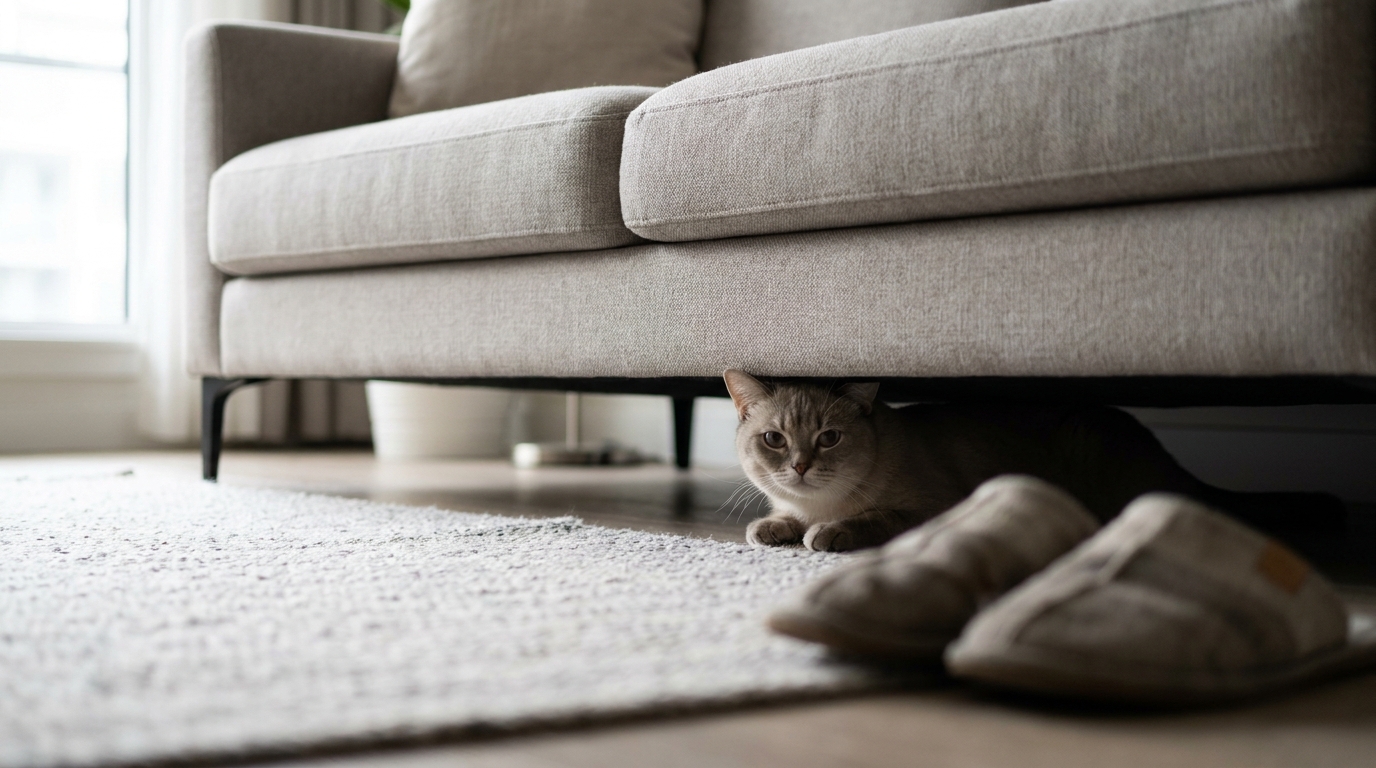
It can be deeply unsettling when your feline companion suddenly retreats into the shadows, leaving you to wonder, Why Is My Cat Hiding? While cats are naturally solitary creatures that appreciate quiet moments, a sudden shift in behavior often serves as a silent signal that something is amiss. Whether your pet is dealing with environmental stress or an underlying health concern, understanding the root cause is the first step toward restoring their comfort.
Hiding behavior can range from a simple reaction to a loud vacuum cleaner to a serious sign of physical pain or illness. Because cats are masters at masking discomfort, even subtle changes in their social habits deserve your attention. If you find yourself asking, Why Is My Cat Hiding?, it is important to observe their environment for recent changes while monitoring for other symptoms like lethargy or changes in appetite. As a mission-driven, non-profit resource, RexVet is here to help you triage these concerns from the comfort of your home. By connecting with a licensed veterinarian online, you can gain professional clarity on whether your cat needs urgent care or simply a bit of extra support to feel safe again.
Is Hiding Normal for Cats?
In the wild, feline ancestors relied on denning behavior to protect themselves from predators and harsh weather. This instinctual drive to seek out small, enclosed spaces remains deep within your domestic cat. When you ask, Why Is My Cat Hiding?, remember that for them, a dark closet or a spot under the bed is not just a place to sleep; it is a safe space that provides a sense of security and control over their environment.
While this behavior is natural, it can become a concern if it represents a sudden shift from their usual social patterns. Understanding why is my cat hiding requires looking at the context of their environment and health. Cats are experts at concealing vulnerability, often using isolation to cope with stressors such as:
- Sudden environmental changes like moving furniture or loud house guests.
- The introduction of a new pet or family member.
- Underlying physical pain or undiagnosed medical issues.
- Anxiety triggered by external noises or routine disruptions.
If your cat's retreat is accompanied by lethargy or a loss of appetite, it is time to seek professional input to determine if their hiding is a normal instinct or a symptom of distress.
Common Reasons Cats Start Hiding
When you ask, Why Is My Cat Hiding?, it is helpful to look beyond instinct. While some cats are naturally shy, a sudden withdrawal often signals that something is physically or emotionally wrong. For instance, cats suffering from urinary tract infections or dental pain may hide to mask their vulnerability, as they feel unable to defend themselves while ill.
Environmental triggers also play a major role. If you have recently introduced a new pet or rearranged your living space, your cat may feel their territory is threatened. This anxiety can lead to persistent hiding as they attempt to regain a sense of safety. If you notice your cat hiding and not eating, this is a significant red flag that requires immediate attention.
You do not have to navigate these concerns alone. By using RexVet Express for just $64.99, you can consult with a licensed veterinarian to determine if your cat’s behavior is a minor reaction to stress or a medical emergency. Understanding Why Is My Cat Hiding? is the first step toward helping your feline friend feel secure and healthy once again.
Stress and Fear Factors
When you find yourself wondering, Why Is My Cat Hiding?, it is often because their social world has shifted. Cats are highly sensitive to the presence of unfamiliar people or new animal companions. A guest visiting your home or a new pet can trigger a stressed cat to seek refuge, as they may perceive these newcomers as threats to their territory or personal safety. This hiding behavior is a natural defense mechanism used to assess risk from a distance.
If you have recently introduced a new family member or pet, observe your cat's body language. Are they crouched low, ears flattened, or tail tucked? These are clear signs of anxiety. While this reaction is common, persistent withdrawal can impact their overall cat health. If you are asking, Why Is My Cat Hiding? and notice they refuse to come out even for treats or favorite toys, it may be time to intervene. You can connect with a professional through our platform to discuss these behavioral shifts . For just $64.99, our veterinarian team can help you determine if your pet needs a gradual reintroduction plan or if their retreat indicates deeper medical issues.
Environmental Changes at Home
Changes at home
Beyond direct social triggers, your living environment plays a massive role in feline comfort. Cats are creatures of habit who rely on predictability to feel safe. When you rearrange furniture, paint a room, or introduce loud appliances like a new vacuum or power tools, your cat may feel their territory has been compromised. This sudden shift often leads owners to ask, Why Is My Cat Hiding? as their pet seeks a secure vantage point to observe the chaos from a distance.
Acoustic stress is another frequent culprit. High-frequency noises or persistent vibrations from construction can make a home feel hostile. If you have recently started a home renovation project or have loud neighbors, your cat may retreat to quiet, enclosed areas to cope with the sensory overload. Understanding Why Is My Cat Hiding? starts with evaluating recent household modifications. If the behavior persists after things return to normal, it may indicate that your cat is struggling to process the disruption. You can consult with a licensed veterinarian via our platform to discuss environmental enrichment strategies that help your pet regain their confidence and feel secure in their home again.
Pain as a Hidden Trigger
Pain
When you ask Why Is My Cat Hiding?, it is vital to recognize that your pet may be masking severe physical agony. In the wild, cats hide to avoid predators when they are too weak to defend themselves. Domestic cats retain this primal instinct, often retreating to dark, quiet corners when suffering from conditions like arthritis, dental disease, or internal injury. Because cats are stoic, they rarely vocalize their pain, making isolation their primary way of coping. If your cat is hiding and not eating, this is a major red flag that they are struggling with significant physical distress. Why Is My Cat Hiding? could be the most important question you ask if their movement seems stiff or if they avoid being touched. Persistent hiding effectively severs the social bond, as the cat prioritizes safety over interaction. If you notice your cat withdrawing from family activities, do not ignore it. You can consult with a licensed veterinarian on our platform for $64.99 to triage these symptoms and determine if your cat requires urgent medical intervention to manage their discomfort.
Illness and Underlying Health Issues
When you find yourself asking Why Is My Cat Hiding?, you must look for physical red flags that signal an urgent need for medical care. While some behavior is personality-driven, sudden, persistent withdrawal is often a clinical symptom of systemic distress. Watch closely for signs such as heavy or rapid breathing, which may indicate heart or lung issues, or a noticeable weakness where the cat struggles to stand or walk. If you observe repeated vomiting, diarrhea, or a complete refusal to use the litter box, these are critical indicators that your pet is suffering from a condition like a urinary blockage or severe gastrointestinal distress.
You should also monitor for physical changes like dull fur, squinting eyes, or discharge, which can point to underlying infections. Because cats are experts at masking illness, even minor changes in their activity level should be taken seriously. If you are concerned about your cat's health, do not wait for the situation to escalate. Why Is My Cat Hiding? is a question that our team at RexVet can help you answer immediately. By using our virtual consultation service, you can receive professional triage to determine if your cat requires an emergency clinic visit or if their symptoms can be safely managed at home.
When Hiding Becomes a Health Warning
When you find yourself asking Why Is My Cat Hiding?, it is essential to distinguish between normal quiet time and a medical emergency. Certain behaviors serve as critical red flags that demand immediate professional assessment. If your cat displays any of the following symptoms, please do not delay in seeking help.
Symptom | Potential Urgency |
|---|---|
Inability to urinate | Critical Emergency |
Labored or open-mouth breathing | Critical Emergency |
Complete refusal to eat for 24+ hours | High Priority |
Repeated vomiting or diarrhea | High Priority |
Extreme lethargy or collapse | Critical Emergency |
These signs often indicate systemic issues like urinary obstructions or severe infections that require rapid intervention. Why Is My Cat Hiding? could be a question of life or death if these physical symptoms are present. If you notice these indicators, our licensed veterinarians at RexVet are available 24/7 to help you triage the situation. A quick virtual consultation for just $64.99 can provide the clarity you need to decide if an immediate trip to an emergency clinic is necessary, potentially saving your cat from unnecessary stress and preventing life-threatening delays in their care.
How to Track Symptoms at Home
When you start asking Why Is My Cat Hiding?, creating a structured observation log is the most effective way to gather data for your veterinarian. Begin by documenting the exact time of day your cat retreats and how long they remain secluded. Note any specific triggers, such as loud noises, the presence of specific family members, or recent changes in their feeding routine. Keeping a simple notebook or a digital note on your phone allows you to track patterns that might otherwise seem random.
Pay close attention to physical markers during these periods. Does your cat emerge to use the litter box, or are they avoiding it entirely? Are they drinking water, or is the bowl untouched? Tracking these small details helps you determine if the behavior is a temporary reaction to environmental stress or a potential health issue. If you find yourself frequently asking Why Is My Cat Hiding? while noting a decrease in grooming or a change in litter box habits, these are critical data points for a professional consultation. Our team at RexVet can review these observations during a virtual visit to provide immediate, cost-effective guidance, helping you decide if your cat needs urgent care or just a calm, supportive environment to recover their confidence.
When Virtual Vet Guidance Can Help
When you find yourself asking, Why Is My Cat Hiding?, remote triage offers a bridge between worry and action. Virtual consultations allow you to speak with a licensed veterinarian immediately, helping you determine if the behavior is a simple stress response or a medical emergency . This proactive step saves you the time and expense of an unnecessary trip to an emergency clinic when your pet simply needs a calm environment.
By using a digital platform, you gain access to professional guidance from the comfort of your home. A veterinarian can evaluate your cat's specific symptoms through video, providing peace of mind and actionable advice. This is especially helpful for multi-pet households where identifying the source of stress can be complex. If you are still wondering, Why Is My Cat Hiding?, our experts can help you assess environmental factors or physical signs that might otherwise go unnoticed. This service provides a cost-effective, accessible way to prioritize your cat's health without the stress of travel. Connect with a professional today to ensure your feline friend receives the care they need to feel safe and secure once again.
Ask RexVet Express for Expert Advice
When you find yourself asking, Why Is My Cat Hiding?, it is natural to feel a sense of urgency. Our non-profit platform, RexVet, offers a compassionate, budget-friendly way to get the answers you need without the stress of a clinic trip. For just $64.99, you can connect with a licensed veterinarian who will help you triage your cat's behavior in real-time.
Many pet parents worry that a consultation might be expensive or unnecessary. However, our virtual service is designed specifically to help you decide if your cat's retreat is a minor behavioral quirk or a sign of a medical issue requiring immediate care. By speaking with a professional, you can avoid the high costs of an emergency room visit for non-urgent concerns while ensuring your pet receives expert guidance.
If you are still wondering, Why Is My Cat Hiding?, remember that our team is available 24/7 to provide clarity and peace of mind. Whether it is stress, pain, or a change in their environment, we are here to support your cat's health journey. Simply log in to RexVet Express to start your consultation and get your cat back to their happy, social self.
Frequently Asked Questions
Why is my cat suddenly hiding?
When you ask why is my cat hiding?, it is often a sign that your pet is feeling overwhelmed, anxious, or unwell. Cats are masters at masking discomfort, so they may retreat to a safe space when they feel vulnerable. Common triggers include sudden environmental changes, such as moving furniture, new guests, or the introduction of a new pet. If the behavior is sudden, it is important to monitor for other signs of distress like changes in appetite or activity levels.
Should I pull my cat out of hiding?
It is generally best to avoid forcing your cat out of their hiding spot. Doing so can increase their stress and make them feel trapped, which might lead to defensive behavior. Instead, make the area around their hiding spot quiet and calm. Ensure they have easy access to water and a litter box nearby. If you are worried about why is my cat hiding, observe them from a distance and use a RexVet virtual consultation to discuss whether your cat needs medical intervention.
What if my cat is hiding and not eating?
If you notice your cat is hiding and not eating, this is a significant health concern that requires prompt attention. Cats can develop serious complications, such as hepatic lipidosis, if they stop eating for even a short period. Do not wait for the behavior to resolve on its own. Contact a licensed veterinarian immediately or use our virtual triage service to determine if your cat needs an urgent in-person visit to an emergency clinic.
Can pain make cats hide?
Yes, pain is a common reason for hiding behavior. Cats often hide to protect themselves when they are in physical distress from conditions like arthritis, dental issues, or internal illness. If you are wondering why is my cat hiding and notice other signs like stiffness, difficulty jumping, or changes in grooming, they may be trying to manage their pain. A virtual vet consultation can help you identify subtle signs of pain and decide on the best path forward for your pet's comfort.
How can I help a stressed cat feel safe?
To help a stressed cat, focus on creating a predictable environment. Provide vertical spaces like cat trees, ensure they have quiet retreats, and use pheromone diffusers if recommended by a professional. If you are still asking why is my cat hiding after trying these changes, it may be time to consult a veterinarian. We can help you rule out underlying medical issues and provide a tailored plan to reduce your cat's anxiety through our affordable virtual care platform.
FAQs
Why is my cat suddenly hiding?
When you ask why is my cat hiding?, it is often a sign that your pet is feeling overwhelmed, anxious, or unwell. Cats are masters at masking discomfort, so they may retreat to a safe space when they feel vulnerable. Common triggers include sudden environmental changes, such as moving furniture, new guests, or the introduction of a new pet. If the behavior is sudden, it is important to monitor for other signs of distress like changes in appetite or activity levels.
Should I pull my cat out of hiding?
It is generally best to avoid forcing your cat out of their hiding spot. Doing so can increase their stress and make them feel trapped, which might lead to defensive behavior. Instead, make the area around their hiding spot quiet and calm. Ensure they have easy access to water and a litter box nearby. If you are worried about why is my cat hiding, observe them from a distance and use a RexVet virtual consultation to discuss whether your cat needs medical intervention.
What if my cat is hiding and not eating?
If you notice your cat is hiding and not eating, this is a significant health concern that requires prompt attention. Cats can develop serious complications, such as hepatic lipidosis, if they stop eating for even a short period. Do not wait for the behavior to resolve on its own. Contact a licensed veterinarian immediately or use our virtual triage service to determine if your cat needs an urgent in-person visit to an emergency clinic.
Can pain make cats hide?
Yes, pain is a common reason for hiding behavior. Cats often hide to protect themselves when they are in physical distress from conditions like arthritis, dental issues, or internal illness. If you are wondering why is my cat hiding and notice other signs like stiffness, difficulty jumping, or changes in grooming, they may be trying to manage their pain. A virtual vet consultation can help you identify subtle signs of pain and decide on the best path forward for your pet's comfort.
How can I help a stressed cat feel safe?
To help a stressed cat, focus on creating a predictable environment. Provide vertical spaces like cat trees, ensure they have quiet retreats, and use pheromone diffusers if recommended by a professional. If you are still asking why is my cat hiding after trying these changes, it may be time to consult a veterinarian. We can help you rule out underlying medical issues and provide a tailored plan to reduce your cat's anxiety through our affordable virtual care platform.
Medically Reviewed
Reviewed by Dr. Tiffany Delacruz, DVM — licensed veterinarian and CEO of RexVet. Last reviewed July 24, 2026.
Content is for informational purposes and does not replace professional veterinary advice.
Chief Executive Officer · Licensed Veterinarian
Dr. Delacruz is a licensed Doctor of Veterinary Medicine specializing in preventive care and veterinary telehealth. She reviews all health content on RexVet to ensure accuracy and clinical relevance.
Sources & References
- · American Veterinary Medical Association — Telehealth Guidelines
- · AVMA — Pet Care Resources
- · U.S. FDA — Animal & Veterinary
Need an Expert Opinion on This Topic?
Connect with a certified vet via video call in minutes
Talk to Vet Now