
Leptospirosis Risk in Dogs After Heavy Rain, Flooding, or Standing Water
By RexVet Team | Reviewed by Dr. Tiffany Delacruz, DVM
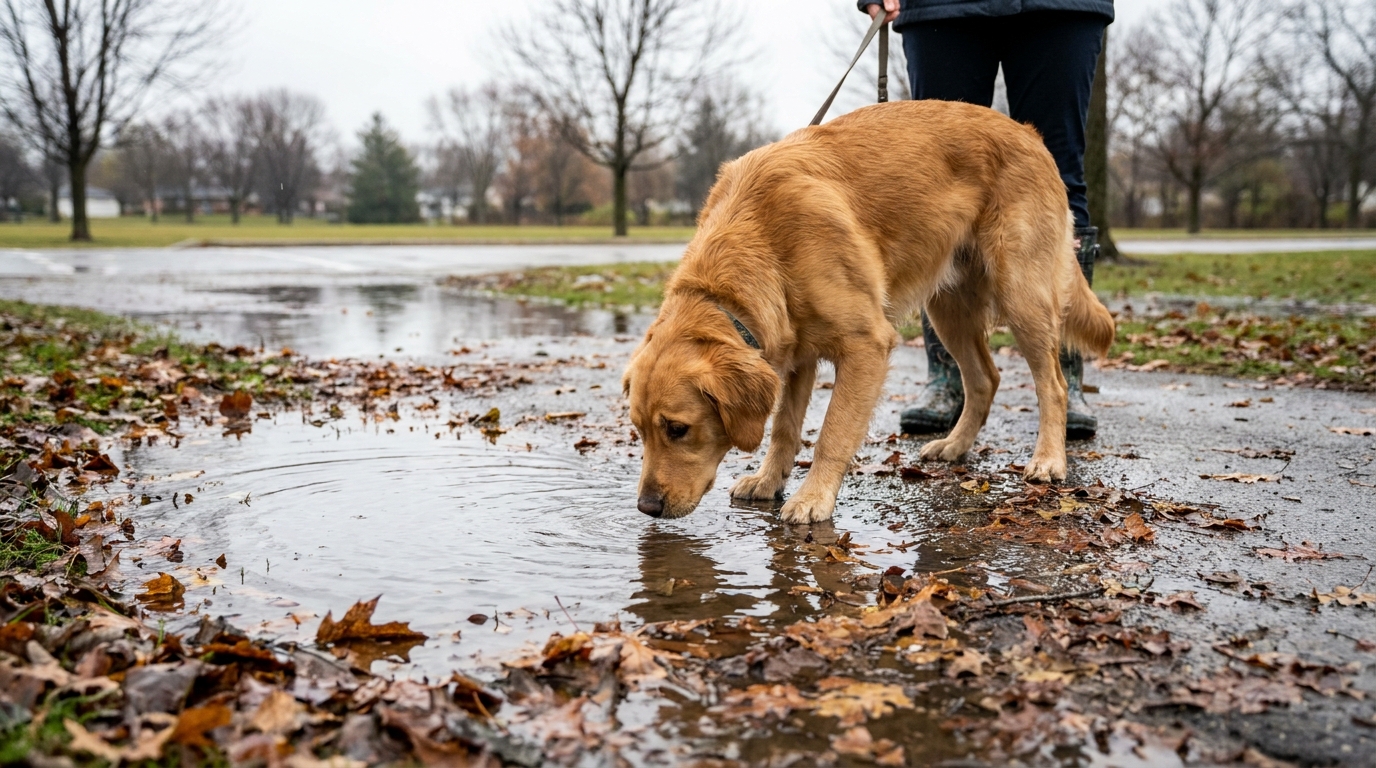
For pet owners in Florida and New York, understanding the leptospirosis risk after heavy rain is a vital part of keeping your furry friend safe. Leptospirosis is a serious bacterial infection that spreads through the urine of infected wildlife, such as rodents, often contaminating puddles and wet soil. When your dog walks through or drinks from these areas, they face a high risk of contracting the disease, which can lead to severe kidney failure or liver failure if left untreated.
Recognizing the risk of leptospirosis early is essential. Symptoms often include fever, vomiting, diarrhea, lethargy, yellow gums, and increased thirst. If you notice these signs, call a veterinarian right away, and if your dog has yellow gums, repeated vomiting, or seems very weak, go to an emergency veterinarian now. For non-urgent questions, RexVet, a non-profit 501(c)(3) organization, offers live video visits with licensed veterinarians. You can book a video visit today to discuss vaccination options and protective measures to keep your pet healthy during storm season.
How Rain and Flooding Spread Leptospirosis
Understanding how bacteria infiltrates our environment is crucial to managing the leptospirosis risk in dogs. When storms hit, runoff from soil and urban surfaces gathers into pools, effectively creating a concentrated soup of contaminants. This water often contains waste from infected wildlife like raccoons, rats, and opossums. Because the bacteria thrive in moisture, these puddles act as long-term reservoirs for infection.
Even small amounts of standing water in a backyard can harbor these pathogens for weeks. As a pet owner, you should be aware that the risk of leptospirosis increases significantly when your dog interacts with these damp zones. To help you stay ahead of potential health issues, consider these protective habits:
- Avoid letting your dog drink from outdoor puddles or slow-moving streams after a storm.
- Wipe your dog's paws and belly thoroughly after every walk to remove mud and debris.
- Use our 24/7 virtual triage to discuss environmental risks in your specific neighborhood.
- Keep your pet away from areas where wildlife activity is common, especially near storm drains.
- Schedule a consultation to review your dog's vaccination status and overall exposure risk.
By staying vigilant, you can better manage the risk after heavy rain or flooding and keep your companion safe.
Recognizing Early Signs of Leptospirosis in Dogs
When monitoring your pet for the warning signs, timing is everything. Because this bacterial infection can progress rapidly into kidney failure or liver failure, you must watch for subtle shifts in behavior. Early warning signs often include a sudden refusal to eat, unexplained shivering, or persistent muscle tenderness that makes your dog hesitant to move. You might also notice that your pup is urinating more frequently or, conversely, struggling to pass urine at all.
If you observe these red flags, do not wait for the condition to worsen. The possibility of leptospirosis is a serious matter that necessitates professional triage. At RexVet, our licensed veterinarians can help you assess these symptoms via virtual consultation to decide if an immediate clinic visit is required. By acting quickly, you can ensure your dog receives the necessary diagnostics and support. If you are concerned about potential exposure, please book an appointment today to discuss your pet's vaccination needs and keep them safe during the storm season.
Triage and Assessing Exposure Risk via Telehealth
When storm clouds clear, it is natural to want to get your dog back outside for some fresh air, but you must remain cautious. The leptospirosis risk after heavy rain and flooding is a genuine concern for pet parents in urban and suburban areas alike. Because this bacterial infection can survive in moist soil for months, simply avoiding obvious puddles is often not enough. If your pet shows any signs of illness, such as lack of energy or digestive upset, you should use our telehealth platform to perform a quick triage.
Assessing the leptospirosis risk involves monitoring your pet's behavior closely after any outdoor exposure. If you are worried, our team at RexVet is here to help you determine if an urgent, in-person visit is necessary. By using our live video triage visit , you get professional guidance without unnecessary stress. You can also book an appointment to discuss long-term vaccination strategies, which remain the most effective way to protect your dog against kidney failure and liver failure caused by this dangerous pathogen.
Practical Steps to Keep Your Dog Safe
When managing the leptospirosis risk from standing water, proactive preparation is your best defense. Beyond monitoring your pet, you can implement physical barriers to reduce exposure. For example, consider using protective dog boots during walks to prevent direct contact with contaminated mud. If your dog is prone to splashing, a lightweight, waterproof raincoat can keep their fur clean, minimizing the chance of them ingesting bacteria while grooming later at home.
You should also audit your backyard for low-lying areas that collect water. Filling these spots with gravel or sand helps eliminate potential breeding grounds for pathogens. Even in dry weather, keeping your lawn trimmed reduces the presence of rodents that carry the bacteria. If you are unsure about your neighborhood's environmental safety, our team at RexVet can provide expert guidance on local hazards. Addressing the leptospirosis risk in wet weather requires consistent vigilance, but small changes to your routine make a significant difference. If you have questions about your pet's specific environment, please book an appointment today to discuss a tailored safety plan.
When to Seek In-Person Veterinary Care
While virtual triage is a powerful first step, some clinical situations demand immediate, in-person veterinary intervention. When managing the risk of leptospirosis, physical diagnostics are non-negotiable if your pet displays severe systemic distress. Because this pathogen targets internal organs, blood panels and urinalysis are critical to detect early indicators of organ dysfunction that cannot be identified via video.
If your dog shows signs of jaundice, persistent vomiting, or severe dehydration, you must seek an emergency clinic immediately. These symptoms often signal that the disease has progressed beyond a mild infection. In such cases, your pet may require intravenous fluids, specialized antibiotics, and intensive monitoring that only a physical facility can provide. Our team at RexVet can help you identify these red flags during a virtual visit, but we will always prioritize your pet's safety by directing you to local care when physical testing is required. Please book an appointment to discuss your pet's health status if you are concerned about potential exposure.
Need an Expert Opinion on This Topic?
Book a video visit with a licensed vet, evenings and weekends included
See open timesFrequently Asked Questions
What is leptospirosis and why does it pose a risk to my dog after heavy rain?
Leptospirosis is a bacterial infection that spreads through the urine of infected wildlife, such as rats or raccoons. When you have heavy rain or flooding, this bacteria washes into puddles and standing water. The risk of leptospirosis increases significantly because your pet may drink from or walk through these contaminated areas. If your dog has a small cut on their paw or drinks the water, the bacteria can enter their system and lead to serious health issues like kidney failure or liver failure.
What are the common symptoms of leptospirosis I should watch for in my dog?
If you are concerned about the leptospirosis risk after flooding, monitor your pet closely for these warning signs:
- Fever and shivering
- Vomiting or diarrhea
- Loss of appetite
- Increased thirst and urination
- Yellowing of the gums or eyes
- Lethargy or muscle pain
If you notice any of these symptoms, act quickly. If your dog has yellow gums or eyes, repeated vomiting, or seems very weak, go to an emergency veterinarian now. For other signs, call your veterinarian promptly, since leptospirosis is diagnosed with blood and urine tests done in person. For non-urgent questions about exposure or prevention, you can use a RexVet live video visit to talk with a licensed vet.
How can I protect my dog from leptospirosis during storm season?
Reducing the risk of infection starts with prevention. Avoid letting your dog drink from or play in stagnant water or puddles after a storm. Keep your dog on a leash during walks to prevent them from exploring areas where wildlife might have urinated. Additionally, wash your dog's paws thoroughly after they have been outside. You should also consult with a veterinarian about the leptospirosis vaccination, which is a highly effective way to protect your pet from common strains of the bacteria.
When should I seek professional veterinary help if I suspect my dog was exposed to contaminated water?
If your dog has been exposed to standing water during a flood, do not wait for symptoms to appear before seeking advice. Because the threat of leptospirosis is serious, early detection is key. If you are unsure about your pet's current health status, you can book a virtual consultation with RexVet . Our licensed vets can help you triage the situation, determine if your dog needs an in-person exam, and guide you on the next steps for testing and treatment.
Is the leptospirosis vaccine necessary for all dogs?
The leptospirosis vaccination is generally recommended for dogs that spend time outdoors, especially in areas prone to heavy rain or high wildlife activity. Even if your dog lives in an urban environment like New York or a humid climate like Florida, they can still encounter the bacteria in city parks or backyard puddles. To determine if your pet is at high risk, discuss your living situation and local weather patterns with a vet. RexVet can help you review your pet's medical history and vaccination status to ensure they are properly protected.
Can RexVet help me manage my dog's health after a flood or heavy storm?
Yes, RexVet is designed to be your first line of defense. If you are worried about the leptospirosis risk after heavy rain, our 24/7 virtual platform allows you to speak with a licensed veterinarian from the comfort of your home. We can help you assess symptoms, provide medical advice, and determine if an in-person clinic visit is necessary. Our non-profit model ensures that you get professional, accessible care without the stress or cost of unnecessary emergency room trips.
FAQs
What is leptospirosis and why does it pose a risk to my dog after heavy rain?
Leptospirosis is a bacterial infection that spreads through the urine of infected wildlife, such as rats or raccoons. When you have heavy rain or flooding, this bacteria washes into puddles and standing water. The leptospirosis risk in dogs after heavy rain, flooding, or standing water increases significantly because your pet may drink from or walk through these contaminated areas. If your dog has a small cut on their paw or drinks the water, the bacteria can enter their system and lead to serious health issues like kidney failure or liver failure.
What are the common symptoms of leptospirosis I should watch for in my dog?
If you are concerned about the leptospirosis risk in dogs after heavy rain, flooding, or standing water, monitor your pet closely for these warning signs:
- Fever and shivering
- Vomiting or diarrhea
- Loss of appetite
- Increased thirst and urination
- Yellowing of the gums or eyes
- Lethargy or muscle pain
If you notice any of these symptoms, act quickly. If your dog has yellow gums or eyes, repeated vomiting, or seems very weak, go to an emergency veterinarian now. For other signs, call your veterinarian promptly, since leptospirosis is diagnosed with blood and urine tests done in person. For non-urgent questions about exposure or prevention, you can use a RexVet live video visit to talk with a licensed vet.
How can I protect my dog from leptospirosis during storm season?
Reducing the leptospirosis risk in dogs after heavy rain, flooding, or standing water starts with prevention. Avoid letting your dog drink from or play in stagnant water or puddles after a storm. Keep your dog on a leash during walks to prevent them from exploring areas where wildlife might have urinated. Additionally, wash your dog's paws thoroughly after they have been outside. You should also consult with a veterinarian about the leptospirosis vaccination, which is a highly effective way to protect your pet from common strains of the bacteria.
When should I seek professional veterinary help if I suspect my dog was exposed to contaminated water?
If your dog has been exposed to standing water during a flood, do not wait for symptoms to appear before seeking advice. Because the leptospirosis risk in dogs after heavy rain, flooding, or standing water is serious, early detection is key. If you are unsure about your pet's current health status, you can book a virtual consultation with RexVet . Our licensed vets can help you triage the situation, determine if your dog needs an in-person exam, and guide you on the next steps for testing and treatment.
Is the leptospirosis vaccine necessary for all dogs?
The leptospirosis vaccination is generally recommended for dogs that spend time outdoors, especially in areas prone to heavy rain or high wildlife activity. Even if your dog lives in an urban environment like New York or a humid climate like Florida, they can still encounter the bacteria in city parks or backyard puddles. To determine if your pet is at high risk, discuss your living situation and local weather patterns with a vet. RexVet can help you review your pet's medical history and vaccination status to ensure they are properly protected.
Can RexVet help me manage my dog's health after a flood or heavy storm?
Yes, RexVet is designed to be your first line of defense. If you are worried about the leptospirosis risk in dogs after heavy rain, flooding, or standing water, our 24/7 virtual platform allows you to speak with a licensed veterinarian from the comfort of your home. We can help you assess symptoms, provide medical advice, and determine if an in-person clinic visit is necessary. Our non-profit model ensures that you get professional, accessible care without the stress or cost of unnecessary emergency room trips.
Medically Reviewed
Reviewed by Dr. Tiffany Delacruz, DVM — licensed veterinarian and CEO of RexVet. Last reviewed May 22, 2026.
Content is for informational purposes and does not replace professional veterinary advice.
Chief Executive Officer · Licensed Veterinarian
Dr. Delacruz is a licensed Doctor of Veterinary Medicine specializing in preventive care and veterinary telehealth. She reviews all health content on RexVet to ensure accuracy and clinical relevance.
Sources & References
- · American Veterinary Medical Association — Telehealth Guidelines
- · AVMA — Pet Care Resources
- · U.S. FDA — Animal & Veterinary