
Dog Killed a Squirrel? Rabies Risk, Bites and What to Watch
By RexVet Team | Reviewed by Dr. Tiffany Delacruz, DVM
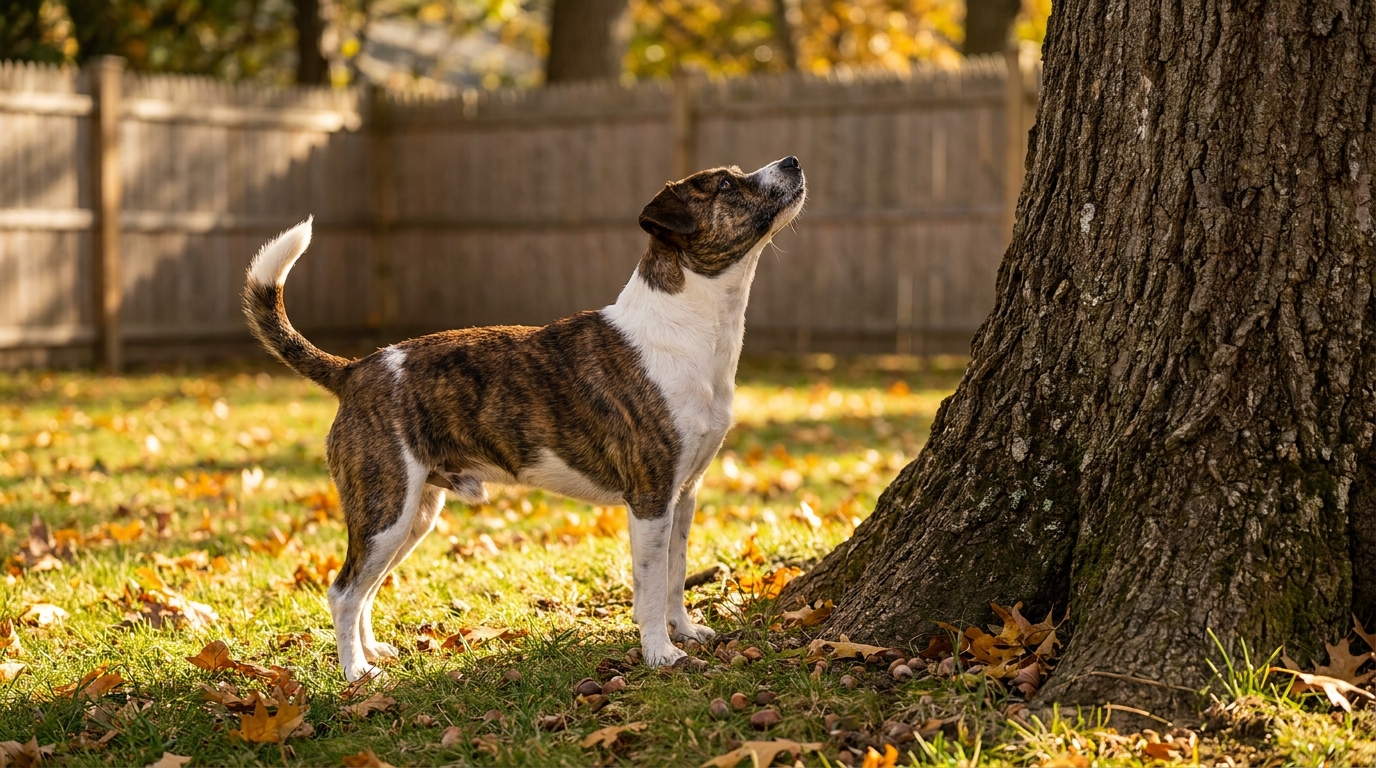
Dog killed a squirrel? Rabies from squirrels is very rare, but check your dog for bites and scratches and watch for vomiting or diarrhea.
Go to a vet now if your dog has a deep bite or puncture, bleeding that won't stop, a swollen or painful face or leg, or is vomiting repeatedly, weak, or has pale gums or bleeding from the nose or gums.
Below: what the health departments actually say about rabies and squirrels, how to check your dog from nose to paws, what to watch if your dog ate part of the squirrel, and which signs mean a clinic visit.
Dog killed a squirrel: is rabies a real risk?
If rabies is your first worry, start with the people whose job it is to track it.
The New York State Department of Health says: "Some animals almost never get rabies." It goes on: "These include rabbits and small rodents such as squirrels, chipmunks, rats, mice, guinea pigs, gerbils, and hamsters."
The same page adds an important condition: "It is possible for these animals to get rabies, but only in rare circumstances, such as if they are attacked but not killed by a rabid animal."
NYC Health puts it this way: "Rabbits and small rodents — including squirrels, hamsters, mice and rats — are not normally found to be infected with rabies, nor have there been any human rabies cases associated with them."
So the risk is very low, but the health departments do not call it zero. That is why the rest of this guide still asks you to check your dog's rabies record, and why the type of animal matters so much. A raccoon, bat, skunk or fox is a different story, covered further down.
For a squirrel catch, the more practical concerns are bite and claw wounds, and an upset stomach if your dog ate some of it.
Emergency signs: go to a vet now
Take your dog to an emergency vet or your regular clinic right away if you see any of these:
- A deep bite or puncture wound
- Bleeding that won't stop
- A swollen or painful face or leg
- Repeated vomiting
- Weakness, or collapse
- Pale gums, or bleeding from the nose or gums
- Trouble breathing
Don't wait to see whether these signs settle down on their own, and don't try to sort them out at home first. Call the clinic from the car if you can, so they know you are on the way.
If you are not sure whether what you are seeing counts as an emergency, this practical emergency checklist for dog and cat owners walks through the common red flags.
Check your dog for bites and scratches
A squirrel can bite and scratch while it is being caught. Once your dog is calm, do a slow check in good light. If you need to move the squirrel's body, use gloves or a plastic bag rather than bare hands.
Gently feel along your dog's body and part any matted or wet fur, since small punctures can be hard to see. Look closely at the lips, muzzle, front legs and paws, including between the toes and pads. Check the ears and around the eyes too.
What you are looking for:
- Small holes in the skin, even ones that barely bled
- Scratches or scrapes
- Spots your dog flinches at, licks, or won't let you touch
- A limp or a paw your dog holds up
Why a tiny hole matters: PetMD explains that "Puncture wounds are extremely varied: From small splinters, stickers, and grass awns that break the skin to animal bites and gunshot wounds." It also warns: "They almost always get infected, leading to severe problems under the skin even when everything looks fine from the outside."
That is the key point. If you find any puncture, even a small one that looks clean, have your dog seen by a vet in person.
A surface scratch that did not break through the skin is different from a puncture. This guide to minor pet wounds, and when an online vet can help versus when to go in explains the difference. Many of the same checks also apply after a fight with another dog; see dog bitten by another dog: what to check right now.
If your dog ate some or all of it
Some dogs just shake a squirrel and drop it. Others eat part of it, or all of it. If your dog ate a squirrel, the main worry is the stomach and gut.
VCA Animal Hospitals lists "Dietary indiscretion (eating garbage or other offensive or irritating materials)" among the causes of diarrhea in dogs, along with "Infection with bacteria, viruses, coccidia, or parasites such as worms." Eating a squirrel counts as dietary indiscretion.
For the next several days, keep an eye on:
- Appetite: is your dog eating normally?
- Vomiting: once, or more than once?
- Stool: is it formed, loose, or watery? Any blood or worms?
- Energy: is your dog acting like themselves?
How to act on what you see:
- Go to a vet now if the vomiting is repeated, or your dog seems weak or has pale or bleeding gums. Stop logging and go.
- Have your dog checked by a vet if diarrhea keeps going, your dog's appetite stays poor, or you see worms in the stool.
Tell the vet your dog ate a wild animal, and roughly how much. This guide on mild diarrhea in dogs and when to call a vet can help you judge the in-between cases.
Could the squirrel have eaten poison bait?
If the squirrel seemed sick or slow, or you found it near bait stations, poison is possible: read my dog ate a dead mouse: could it be poisoned?, and if you know or strongly suspect your dog ate a poisoned animal, go to an emergency vet or call a pet poison line.
When it isn't a squirrel
Sometimes the animal turns out to be something else, or you aren't sure what it was. That changes the picture.
The New York State Department of Health says: "Rabies is most often seen among wild animals such as raccoons, bats, skunks, and foxes, but any mammal can be infected with rabies."
If your dog had contact with a raccoon, bat, skunk or fox, or an animal you couldn't identify:
- Don't touch the animal with bare hands, and keep other pets and children away from it.
- Call your county or local health department and follow its instructions.
- Contact your vet, and find your dog's rabies vaccine record.
- Check your dog for wounds as described above, and treat any puncture as a reason for a clinic visit.
If your dog killed a chipmunk, rat or mouse instead, those animals sit on the same New York State Department of Health "almost never get rabies" list as squirrels. With rats and mice, keep the poison question above in mind.
Whatever the animal, the New York State Department of Health's advice on prevention is plain: "The best way to keep pets safe from rabies is to vaccinate them and keep their shots up to date."
What a RexVet online vet can and cannot do after a squirrel catch
If your dog has none of the emergency signs, a video visit can help you sort out what comes next. RexVet's veterinarians are licensed in Florida, New York and Virginia.
On a video visit, a vet can:
- Look over scratches and surface marks on camera, and tell you if something you took for a scratch looks like a puncture that needs a clinic today
- Go through what your dog ate and how much
- Check your dog's rabies vaccine record with you
- Set a watch list for the next several days: appetite, vomiting, stool and energy
- Help you decide between a clinic visit today and watching at home
What a video visit cannot do: a vet on camera cannot clean out deep punctures, sedate your dog, or run tests. Those need hands-on care.
If you found a deep puncture or any sign on the emergency list, go to a clinic now instead of booking.
Good photos and short videos make the visit more useful. This guide explains how to upload pet photos and videos for an online vet review.
If the veterinarian decides medication is appropriate, they can prescribe where state rules allow. In Florida, a veterinarian who has seen your pet only by video may prescribe only FDA-approved animal drugs used as labeled, for up to 14 days (1 month for flea-and-tick-only products), and cannot renew without an in-person exam.
If there are no emergency signs and you want a vet to look over scratches, go through what your dog ate, or check the rabies record, you can book a RexVet video visit. A visit is $64.99, vets are available 24/7, including nights, weekends and holidays, and the service is for pet parents in Florida, New York and Virginia only.
When to be seen in person in Florida, New York or Virginia
Have your dog examined in person if you notice:
- Any puncture wound, even a small one that looks clean
- Any swelling of the face or a leg
- Repeated vomiting
- Diarrhea that lasts
For collapse, trouble breathing or bleeding that won't stop, go to an emergency clinic now.
If your dog has a strong chase drive and catches more than one squirrel, give each catch the same nose-to-paws check.
If you start with a video visit in Florida, the vet will point you to hands-on care nearby. Under Florida law (Fla. Stat. 474.2021), a telehealth vet must give "the contact information for at least one physical veterinary clinic in the vicinity of the patient's location."
For state-specific details, see the pages on seeing an online vet in Florida, an online vet in New York and an online vet in Virginia.
Frequently Asked Questions
Can my dog get rabies from a squirrel?
It is very unlikely. The New York State Department of Health lists squirrels among the animals that "almost never get rabies," and NYC Health says small rodents including squirrels "are not normally found to be infected with rabies." That is not the same as zero risk, so keep your dog's rabies shots current and mention the catch to your vet.
Do I need to report that my dog killed a squirrel?
Ask your county or local health department. The New York State Department of Health says: "Report all animal bites or contact with wild animals to your county health department." A short call will tell you what applies where you live. If the animal was a raccoon, bat, skunk or fox, or you couldn't tell what it was, call your health department and your vet.
My dog ate part of a squirrel: will he get sick?
He may get an upset stomach. VCA Animal Hospitals lists eating "offensive or irritating materials" and "parasites such as worms" among the causes of diarrhea in dogs. Watch his appetite, vomiting, stool and energy over the next several days. If the vomiting is repeated, or he seems weak or has pale gums, go to a vet now.
Does my dog need a rabies booster after killing a squirrel?
Ask your vet to check your dog's rabies record and whether the shots are current. The New York State Department of Health says "The best way to keep pets safe from rabies is to vaccinate them and keep their shots up to date." After contact with a raccoon, bat, skunk or fox, your local health department and your vet will tell you what is needed.
How do I stop my dog from chasing squirrels?
Keep your dog on a leash in parks and anywhere squirrels are active, and supervise yard time. Practice "leave it" and a reliable recall at home first, then outdoors with small distractions, rewarding your dog every time they turn back to you. A long line in a secure area lets you practice recall without giving your dog the chance to catch anything.
A squirrel catch can be a scare, and a small puncture or a stomach that won't settle still deserves attention. If your dog has no emergency signs and you'd like a vet to help you decide what to watch, you can book a RexVet video visit. A visit is $64.99, and vets are available 24/7 for pet parents in Florida, New York and Virginia only.
FAQs
Can my dog get rabies from a squirrel?
It is very unlikely. The New York State Department of Health lists squirrels among the animals that "almost never get rabies," and NYC Health says small rodents including squirrels "are not normally found to be infected with rabies." That is not the same as zero risk, so keep your dog's rabies shots current and mention the catch to your vet.
Do I need to report that my dog killed a squirrel?
Ask your county or local health department. The New York State Department of Health says: "Report all animal bites or contact with wild animals to your county health department." A short call will tell you what applies where you live. If the animal was a raccoon, bat, skunk or fox, or you couldn't tell what it was, call your health department and your vet.
My dog ate part of a squirrel: will he get sick?
He may get an upset stomach. VCA Animal Hospitals lists eating "offensive or irritating materials" and "parasites such as worms" among the causes of diarrhea in dogs. Watch his appetite, vomiting, stool and energy over the next several days. If the vomiting is repeated, or he seems weak or has pale gums, go to a vet now.
Does my dog need a rabies booster after killing a squirrel?
Ask your vet to check your dog's rabies record and whether the shots are current. The New York State Department of Health says "The best way to keep pets safe from rabies is to vaccinate them and keep their shots up to date." After contact with a raccoon, bat, skunk or fox, your local health department and your vet will tell you what is needed.
How do I stop my dog from chasing squirrels?
Keep your dog on a leash in parks and anywhere squirrels are active, and supervise yard time. Practice "leave it" and a reliable recall at home first, then outdoors with small distractions, rewarding your dog every time they turn back to you. A long line in a secure area lets you practice recall without giving your dog the chance to catch anything.
A squirrel catch can be a scare, and a small puncture or a stomach that won't settle still deserves attention. If your dog has no emergency signs and you'd like a vet to help you decide what to watch, you can book a RexVet video visit. A visit is $64.99, and vets are available 24/7 for pet parents in Florida, New York and Virginia only.
Medically Reviewed
Reviewed by Dr. Tiffany Delacruz, DVM — licensed veterinarian and CEO of RexVet. Last reviewed September 26, 2026.
Content is for informational purposes and does not replace professional veterinary advice.
Chief Executive Officer · Licensed Veterinarian
Dr. Delacruz is a licensed Doctor of Veterinary Medicine specializing in preventive care and veterinary telehealth. She reviews all health content on RexVet to ensure accuracy and clinical relevance.
Sources & References
- · American Veterinary Medical Association — Telehealth Guidelines
- · AVMA — Pet Care Resources
- · U.S. FDA — Animal & Veterinary
Need an Expert Opinion on This Topic?
Connect with a certified vet via video call in minutes
Talk to Vet Now