
Mild Diarrhea in Dogs: When to Wait It Out vs. When to Call a Vet
By RexVet Team | Reviewed by Dr. Tiffany Delacruz, DVM
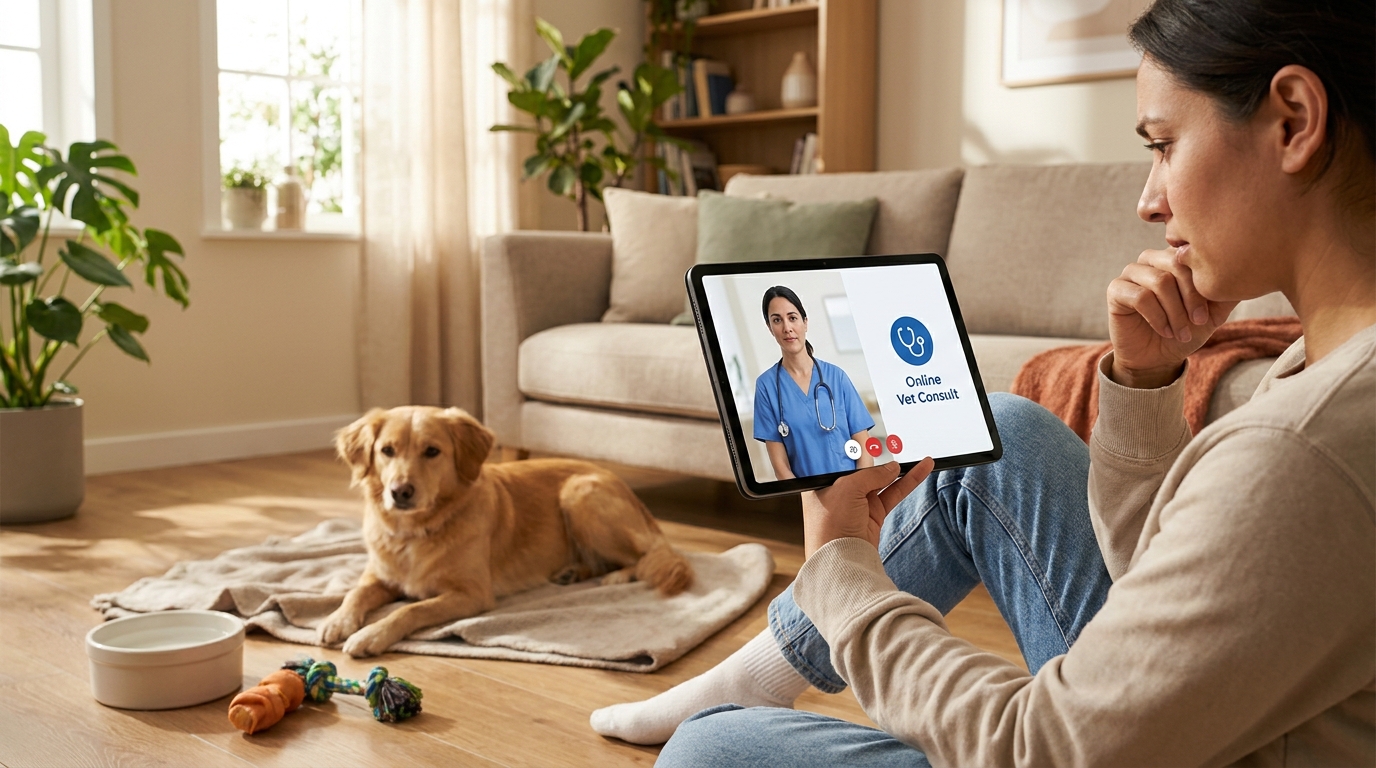
Finding your pup with a loose bowel movement can be stressful, but occasional digestive upset is a common part of pet ownership. Understanding Mild Diarrhea in Dogs is essential for keeping your furry friend safe and comfortable. While many cases of soft stool resolve on their own, knowing the difference between a minor dietary mishap and a serious health concern can save you from unnecessary worry or expensive emergency trips. By talking to a licensed U.S. vet online , you can get clarity on whether your dog needs rest or professional intervention.
This guide on Mild Diarrhea in Dogs provides the knowledge you need to triage your dog's symptoms effectively. We will walk you through common causes, red flags that demand urgent care, and supportive home practices. Our goal is to empower you with the right tools so you can make informed decisions, ensuring your dog receives the appropriate level of care exactly when they need it most.
Normalizing Occasional Digestive Upset in Dogs
Finding a single instance of loose stool in your dog's yard can be unsettling, but it is often a temporary glitch in their digestive system rather than a medical emergency. Many pet parents worry immediately, yet understanding Mild Diarrhea in Dogs helps you distinguish between a passing inconvenience and a genuine health concern. In most cases, a healthy, active dog who has had one or two soft movements but remains bright and playful is simply processing a minor dietary indiscretion or a bit of environmental stress.
When navigating Mild Diarrhea in Dogs, it is helpful to remember that your dog's gut microbiome is sensitive to change. Whether it was a piece of table scrap or a new treat, the body often self-corrects quickly. If you find yourself overthinking the situation, remember that talking to a licensed U.S. vet online provides a low-stress way to get professional guidance. By staying calm and observing your dog's overall energy levels, you can effectively manage these minor hiccups without unnecessary panic.
Common Causes of Mild Diarrhea in Dogs
When evaluating Mild Diarrhea in Dogs, it is helpful to understand the common triggers behind these digestive hiccups. Often, a simple dietary change—such as introducing a new kibble too quickly or indulging in table scraps—can disrupt your dog's gut flora. Similarly, scavenging behavior during walks or exposure to environmental stressors, like a move or a new pet, may lead to temporary soft stool. In some cases, a mild bacterial or viral infection can also be the culprit.
Understanding Mild Diarrhea in Dogs is crucial for avoiding unnecessary anxiety. If your dog remains energetic, maintains a healthy appetite, and shows no signs of blood, home observation is often appropriate. However, if symptoms persist or you feel uncertain, remember that you can book a live video visit with a licensed vet for $64.99 for professional peace of mind. By identifying these common causes, you can better determine if your pet simply needs a little rest or if it is time to seek expert guidance to ensure their long-term health and comfort.
The 24-Hour Rule for Home Monitoring
When considering Mild Diarrhea in Dogs, the 24-hour rule serves as a vital benchmark for most healthy adults. If your dog has loose stool but remains playful, maintains a normal appetite, and stays hydrated, monitoring them at home for up to one day is generally safe. During this window, focus on observing their behavior and stool consistency. If you feel uncertain while watching your pet, remember that you can book a live video visit with a licensed vet for $64.99 for expert guidance.
However, this timeframe is not universal. For puppies, senior dogs, or those with underlying health conditions, waiting 24 hours can be risky due to their lower physiological reserves. In these instances, Mild Diarrhea in Dogs requires a more proactive approach. If your dog shows signs of lethargy, stops drinking, or if the stool contains visible blood, skip the waiting period and seek immediate veterinary attention. By staying observant and utilizing professional virtual triage, you ensure your pet receives the right care at the right time.
Red Flags Requiring Immediate Emergency Care
While minor digestive issues often resolve quickly, certain situations demand immediate medical intervention to protect your dog's health. Understanding Mild Diarrhea in Dogs means recognizing that some symptoms are never considered normal and require a trip to an emergency clinic. If you observe your dog passing stool that is bright red or black and tarry, this indicates internal bleeding that cannot wait. Similarly, if your pet is experiencing frequent, forceful vomiting alongside diarrhea, they are at high risk for rapid dehydration, which can become life-threatening within hours.
Other critical warning signs include extreme lethargy where your dog cannot stand, signs of severe abdominal pain like a hunched back, or the suspicion that they have ingested a toxic substance or a foreign object. These scenarios fall outside the scope of home monitoring. When evaluating Mild Diarrhea in Dogs, always prioritize professional assessment if your dog is a puppy, a senior, or has pre-existing health conditions. Prompt action is the best way to prevent a minor issue from escalating into a complex emergency.
Supportive Home Care for Your Dog
When your dog experiences digestive distress, providing the right support at home is vital for their recovery. Proper hydration is the most important factor, as loose stools can quickly deplete your dog's fluid levels. Ensure fresh, clean water is always available to prevent dehydration. If your dog is stable, you might transition them to a bland diet, such as plain boiled chicken breast and white rice, to soothe their irritated gut. Avoid adding any oils, seasonings, or butter, as these can worsen the situation. It is critical to avoid human over-the-counter medications, as many are toxic to pets.
Understanding Mild Diarrhea in Dogs requires careful observation of your pet's behavior. If you are unsure about the best path forward, talking to a licensed U.S. vet online can provide expert clarity. Navigating Mild Diarrhea in Dogs is much easier when you have professional support to guide your decisions. For personalized advice, you can book a live video visit at rexvet.org/book-appointment to ensure your dog receives the safest care possible.
When Online Vet Help Makes Sense
When your dog experiences digestive upset, virtual triage acts as a bridge between home monitoring and a costly, unnecessary emergency room visit. Choosing between Mild Diarrhea in Dogs often feels overwhelming, but our platform simplifies this decision. By connecting with a professional, you receive evidence-based guidance that helps you determine if your pet needs an urgent in-person exam or if they can safely recover at home with rest and a bland diet.
Our virtual service is specifically designed for non-emergency cases, allowing you to bypass long wait times and high clinic fees. Whether you are questioning the severity of your dog's symptoms or seeking peace of mind, Mild Diarrhea in Dogs is a choice that becomes much clearer with expert input. We provide the professional assessment you need to ensure your pet stays healthy and comfortable without the stress of an unnecessary trip to the clinic.
Tracking Symptoms for Better Veterinary Outcomes
Digital record-keeping is a game-changer when managing Mild Diarrhea in Dogs. By logging the frequency, consistency, and color of your dog's stool in a digital health portal, you provide a clear timeline for your care team. This data helps professionals identify trends that might be missed during a verbal description alone, allowing for more precise triage.
When you are talking to a licensed U.S. vet online, having these digital notes ready allows for a faster, more accurate assessment of your dog's condition. This proactive approach is particularly helpful for tracking whether symptoms are improving or worsening over time. Understanding Mild Diarrhea in Dogs becomes much easier when you have a clear, documented history of your pet's digestive health. Utilizing these tools ensures that your virtual consultation is efficient and focused on your dog's immediate needs, helping you avoid unnecessary worry while ensuring your pet receives the expert attention they deserve.
Avoiding Unnecessary Trips to the Clinic
Choosing between an expensive emergency clinic visit and home care is a common dilemma for pet parents. When you are navigating Mild Diarrhea in Dogs, virtual care acts as a financial bridge. Instead of paying hundreds for an emergency exam, you can utilize our non-profit platform to get expert triage. By talking to a licensed U.S. vet online , you receive professional guidance that helps you decide if your dog truly needs an in-person visit or just simple rest.
Data shows that nearly 40% of emergency visits for digestive issues could be managed or triaged remotely, saving owners significant time and stress. When you are uncertain about Mild Diarrhea in Dogs, remember that our team provides the same high-quality clinical assessment without the overhead. If you are worried, you can book a live video visit with a licensed vet for $64.99 to talk through your next steps. If diarrhea lasts more than 24 hours, gets worse, or comes with blood, vomiting or weakness, see a vet in person.
Frequently Asked Questions
What is the difference between mild diarrhea in dogs and an emergency?
Understanding mild diarrhea in dogs is key to your pet's health. Mild cases usually involve soft stool in a dog that is otherwise acting normal, eating, and drinking. An emergency, however, involves bloody diarrhea, persistent vomiting, or extreme lethargy. If your dog seems weak or is unable to keep water down, seek immediate in-person care.
Can I treat mild diarrhea at home without seeing a vet?
For very mild cases, you might monitor your dog for 24 hours if they are still energetic and hydrated. However, when considering mild diarrhea in dogs, it is safer to consult a professional before starting any bland diet or home remedies. Never give your dog human medications, as these can be toxic. Always check with a professional first to ensure your plan is safe.
When should I use a virtual vet service for my dog's runny poop?
A virtual consultation is perfect when you are unsure about mild diarrhea in dogs. If your dog is stable but you are worried about their dog soft stool, a virtual vet can help you decide if you can manage it at home or if you need an in-person visit. It is a convenient way to get expert advice without the stress of a clinic trip.
How can I tell if my dog is dehydrated from diarrhea?
Dehydration is a serious concern when evaluating mild diarrhea in dogs. You can check for dehydration by gently lifting the skin between their shoulder blades; it should snap back immediately. Also, check their gums; they should be moist and pink, not dry or tacky. If you suspect dehydration, contact a veterinarian right away, as this requires professional medical attention.
What causes mild diarrhea in dogs, and how can I prevent it?
Common causes include dietary indiscretion (eating something they shouldn't), sudden food changes, or stress. To prevent these issues, keep your dog's diet consistent and supervise them during walks to avoid foreign object ingestion. If you are struggling with recurring digestive issues, remember that mild diarrhea in dogs is a common concern, and a virtual vet can help identify patterns in your dog's health.
FAQs
What is the difference between mild diarrhea in dogs and an emergency?
Understanding mild diarrhea in dogs: when to wait it out vs. when to call a vet is key to your pet's health. Mild cases usually involve soft stool in a dog that is otherwise acting normal, eating, and drinking. An emergency, however, involves bloody diarrhea, persistent vomiting, or extreme lethargy. If your dog seems weak or is unable to keep water down, seek immediate in-person care.
Can I treat mild diarrhea at home without seeing a vet?
For very mild cases, you might monitor your dog for 24 hours if they are still energetic and hydrated. However, when considering mild diarrhea in dogs: when to wait it out vs. when to call a vet, it is safer to consult a professional before starting any bland diet or home remedies. Never give your dog human medications, as these can be toxic. Always check with a professional first to ensure your plan is safe.
When should I use a virtual vet service for my dog's runny poop?
A virtual consultation is perfect when you are unsure about mild diarrhea in dogs: when to wait it out vs. when to call a vet. If your dog is stable but you are worried about their dog soft stool, a virtual vet can help you decide if you can manage it at home or if you need an in-person visit. It is a convenient way to get expert advice without the stress of a clinic trip.
How can I tell if my dog is dehydrated from diarrhea?
Dehydration is a serious concern when evaluating mild diarrhea in dogs: when to wait it out vs. when to call a vet. You can check for dehydration by gently lifting the skin between their shoulder blades; it should snap back immediately. Also, check their gums; they should be moist and pink, not dry or tacky. If you suspect dehydration, contact a veterinarian right away, as this requires professional medical attention.
What causes mild diarrhea in dogs, and how can I prevent it?
Common causes include dietary indiscretion (eating something they shouldn't), sudden food changes, or stress. To prevent these issues, keep your dog's diet consistent and supervise them during walks to avoid foreign object ingestion. If you are struggling with recurring digestive issues, remember that mild diarrhea in dogs: when to wait it out vs. when to call a vet is a common concern, and a virtual vet can help identify patterns in your dog's health.
Medically Reviewed
Reviewed by Dr. Tiffany Delacruz, DVM — licensed veterinarian and CEO of RexVet. Last reviewed May 15, 2026.
Content is for informational purposes and does not replace professional veterinary advice.
Chief Executive Officer · Licensed Veterinarian
Dr. Delacruz is a licensed Doctor of Veterinary Medicine specializing in preventive care and veterinary telehealth. She reviews all health content on RexVet to ensure accuracy and clinical relevance.
Sources & References
- · American Veterinary Medical Association — Telehealth Guidelines
- · AVMA — Pet Care Resources
- · U.S. FDA — Animal & Veterinary
Need an Expert Opinion on This Topic?
Connect with a certified vet via video call in minutes
Talk to Vet Now