
Dog Hasn't Peed in 24 Hours? When Holding It Becomes an Emergency Tonight
By RexVet Team | Reviewed by Dr. Tiffany Delacruz, DVM
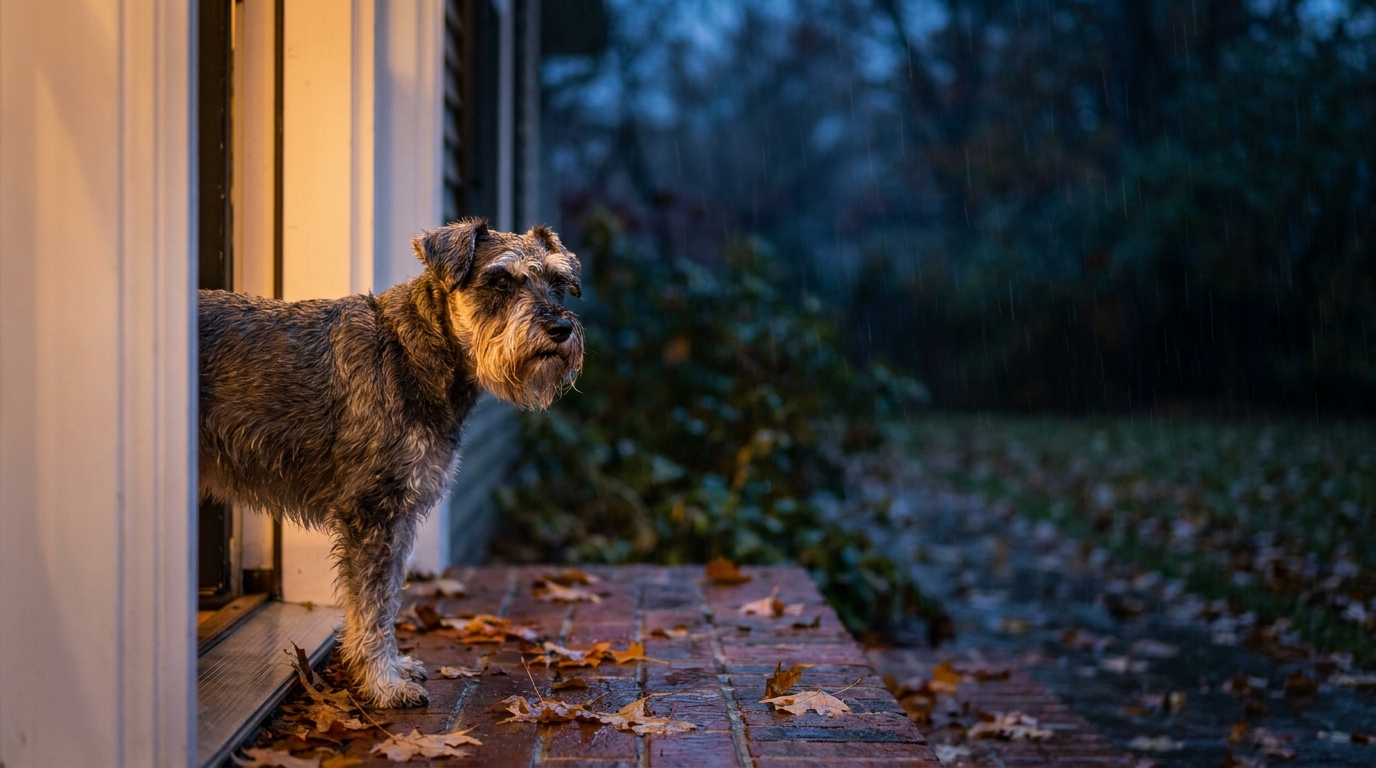
Dog hasn't peed in 12 or 24 hours? See the common causes, the warning signs of a urinary blockage, and when it means an emergency vet tonight.
Quick answer: Most healthy adult dogs pee three to five times a day, usually every 4–8 hours. If your dog has gone 12 hours without urinating, call a vet now. If your dog hasn't peed in 24 hours, you must seek an emergency clinic immediately. A blockage is a life-threatening crisis that requires urgent intervention.
Seeing your pet struggle can be terrifying, but knowing when to act is vital. A true urinary emergency often involves straining, dribbling, or a hard, swollen belly. While some dogs may hold their bladder due to stress or cold weather, a complete inability to pass urine can lead to rapid toxin buildup and kidney damage. If you are unsure about the urgency of your dog's symptoms, RexVet is here to help you triage the situation from home. A live video visit is $64.99, Express starts at $64.99, and the Family Plan is a one-time $120 for four visits — no subscription.
When to Seek Immediate Help
While healthy adult dogs typically empty their bladders every four to eight hours, a delay is not always a crisis. If your pet is simply avoiding the outdoors due to cold rain, mild anxiety, or recent changes in their environment, they may hold it longer. However, you must remain vigilant. When a dog hasn't peed in 24 hours, you are facing a potential medical catastrophe. Signs like persistent straining without success, a firm or tender abdomen, or visible lethargy indicate that your pet needs immediate professional triage.
Male dogs are especially prone to urethral obstructions caused by bladder stones, which can lead to rapid kidney damage if left untreated. If you notice your dog dribbling or crying while attempting to posture, do not wait for the situation to worsen.
Why Your Dog Might Be Holding It
While a urinary blockage is a serious medical crisis, not every instance of a dog avoiding the grass indicates a life-threatening emergency. Sometimes, behavioral factors are at play. For instance, dogs are sensitive creatures that may refuse to go outside due to environmental stressors like loud thunderstorms, unfamiliar surroundings after a recent move, or even a simple dislike for cold, damp weather. Surgery and back pain are different: after anesthesia, or with a back problem, not peeing can be a real medical issue rather than a choice. Call your vet if it lasts more than about 12 hours, and go to an emergency vet right away if back pain comes with wobbly or weak back legs.
However, you must remain vigilant because not peeing becomes an emergency if your pet shows signs of physical distress. If a distended bladder is coupled with lethargy or vomiting, the situation has shifted from a behavioral quirk to a potential kidney damage risk. Our non-profit platform offers affordable expert triage.
Warning Signs of a Urinary Blockage
Recognizing the physical indicators of a urinary obstruction is critical for your dog's safety. If your dog hasn't peed for a full day, you must look for specific red flags that signal a blockage. These include persistent, unproductive straining where your pet assumes the posture but produces nothing, or perhaps only a few drops of blood-tinged urine. You might also notice your dog pacing restlessly, whining, or showing signs of a firm, painful abdomen that feels tight to the touch.
These symptoms often indicate that the urethra is obstructed, preventing the bladder from emptying. This is a severe health risk because the inability to pass urine leads to a rapid buildup of toxins, which can damage the kidneys and become life-threatening within a day or two. Our non-profit platform provides expert triage to help you decide on the next step.
The Danger of Male Urinary Obstructions
Male dogs face unique anatomical risks because their urethra is significantly longer and narrower than that of their female counterparts. This structural design makes them highly susceptible to urinary obstructions, where tiny bladder stones or crystalline sludge become lodged, creating a complete blockage. When a dog hasn't peed in 24 hours, this physical bottleneck is often the culprit, preventing any urine from exiting the body.
Because the bladder continues to fill, the pressure builds rapidly, which can lead to severe bladder wall damage or even rupture. If your dog still hasn't urinated after 24 hours, you must act fast. Our non-profit platform provides immediate, affordable triage to help you determine if your dog requires an emergency clinic visit.
How Telehealth Triage Saves You Time
When you notice your pet skipping bathroom breaks, professional triage acts as a vital bridge between home observation and a stressful trip to the clinic. Many owners panic prematurely, but a quick virtual assessment can distinguish between a minor behavioral delay and a life-threatening blockage. If your dog hasn't peed in 24 hours, our licensed veterinarians can evaluate your pet's specific symptoms via video to determine if immediate in-person care is truly necessary.
This professional screening process helps you avoid unnecessary emergency room fees while ensuring your dog receives timely care if a true crisis exists. We focus on identifying clinical warning signs that require urgent intervention to prevent long-term health complications. If your dog hasn't peed for a full day, remember that our non-profit platform is designed to provide accessible, expert guidance exactly when you need it most.
What to Observe Before Your Consultation
When preparing for a consultation, keeping a detailed log of your pet's bathroom habits is incredibly helpful for our veterinarians. Start by noting the exact time your dog last urinated and whether the stream appeared normal, weak, or interrupted. If you are worried because your dog still hasn't urinated after 24 hours, track any changes in activity level or appetite, as these often provide clues about the underlying cause.
Observe your pet's posture closely; are they hunching as if trying to go but failing? Take note of any vocalizations like whimpering or crying during these attempts. Having this information ready allows our team to triage your pet quickly via our virtual platform.
When to Go Directly to an ER
When a dog hasn't peed in 24 hours, you need to watch for specific red flags that demand immediate physical help. These include your pet repeatedly posturing to urinate with nothing coming out, dribbling small amounts of blood, or appearing visibly distressed. You may also notice your dog pacing, panting, or having a hard, swollen abdomen that feels painful when touched. These signs suggest a total obstruction, which can become life-threatening within a day or two, so it can't wait until morning.
If you are worried, our team can help you triage these symptoms via video to determine if you need to rush to a clinic.
Affordable Care Options for Concerned Owners
When you are worried that your dog hasn't peed for a full day, RexVet provides a clear, cost-effective path to professional care. Our non-profit mission is centered on removing financial barriers to veterinary guidance, ensuring you never have to guess when a situation requires an expensive trip to the emergency clinic. We offer transparent, fixed pricing so you can focus on your pet's health without worrying about hidden costs or subscription fees.
Our service options are designed to fit your specific needs during stressful health scares. By choosing a virtual consultation, you gain immediate access to a licensed veterinarian who can assess your dog's symptoms, such as a distended belly or straining, to determine if the issue is a true blockage or a manageable behavioral delay. If your dog still hasn't urinated after 24 hours, do not hesitate to book an appointment today to secure the expert support your companion deserves.
Supporting Your Dog’s Comfort at Home
When you notice your pet is uncomfortable, it is natural to worry. If your dog has gone several hours without peeing but seems comfortable, stay calm and act decisively. While waiting for professional advice, ensure your dog has access to a quiet, familiar spot to relieve themselves, as environmental anxiety can sometimes cause temporary retention. Offer fresh water, but don't force your dog to drink.
Monitor their behavior closely for any signs of pain, such as restlessness or a hunched posture. If you notice a distended bladder or if your pet is straining to urinate without success, these are critical warning signs of a potential urinary blockage. Our team at RexVet offers immediate triage to help you decide if you need an emergency clinic.
RexVet is a nonprofit online vet service. Our veterinarians are licensed in Florida, New York and Virginia and see dogs by video 24/7, so if you live in one of those states a vet can look at your dog tonight and tell you whether this can wait until your regular clinic opens.
Your dog still hasn't peed? If you live in Florida, New York or Virginia, book a video visit with a licensed RexVet vet . A live video visit is $64.99, Express starts at $64.99, and the Family Plan is a one-time $120 for four visits — no subscription. If your dog is straining with nothing coming out, crying, vomiting or has a hard, swollen belly, go straight to the nearest emergency vet.
Related RexVet guides: Dog UTI symptoms · Dog yelping when picked up: back pain signs · Dog hasn't pooped since surgery · Urinary blockage in male cats
Frequently Asked Questions
Why is it an emergency if my dog hasn't peed in 24 hours?
When a dog hasn't peed in 24 hours, it is critical because your dog may have a urinary blockage. If urine cannot exit the body, it backs up into the bladder and kidneys. This causes toxins to build up in the bloodstream, which can lead to life-threatening complications, including kidney damage or bladder rupture. If you notice your dog is straining to urinate but nothing comes out, please seek professional help immediately.
Can I use RexVet to determine if my dog needs an emergency clinic?
Yes, RexVet is an excellent first step. If you are worried that your dog hasn't peed for a full day, a virtual consultation allows our licensed veterinarians to triage the situation. We can assess symptoms like a hard, swollen belly or lethargy via video to help you decide if you need to rush to an emergency clinic or if the situation can be managed differently. This can save you time and unnecessary travel costs.
What are the common signs of a urinary blockage in dogs?
The most common signs include straining to urinate without producing any urine, or only producing a few drops. You might also notice your dog is crying, pacing, vomiting, or appears lethargic. If you observe a hard or distended abdomen, this is a major red flag. These symptoms require an immediate professional assessment to prevent severe health issues.
Could my dog just be holding it because of the weather or stress?
It is possible for dogs to hold their urine due to stress, anxiety, or refusing to go out in cold rain. If your dog is acting normal, eating well, and not straining, it might be behavioral. But if they are showing any signs of discomfort, it is always safer to consult with a professional to rule out a medical blockage.
How much does it cost to get guidance on my dog's urinary issues?
RexVet offers transparent, affordable pricing to help you get answers without the stress of an expensive emergency room visit. If you are worried that your dog still hasn't urinated after 24 hours, our team is here to provide the triage you need. A live video visit is $64.99, Express starts at $64.99, and the Family Plan is a one-time $120 for four visits — no subscription.
Can a RexVet vet help if my dog hasn't peed and I live in Florida, New York or Virginia?
Yes. RexVet veterinarians are licensed in Florida, New York and Virginia and can assess your dog by video at any hour, tell you whether the signs point to the ER, a same-day clinic visit or home care, and explain exactly what to watch for overnight. Hands-on care such as a urinary catheter, blood work or X-rays happens in person. Any prescription is the vet's decision: in Florida, medication from a video-only visit is limited to 14 days and can't be renewed without an in-person exam, and New York's rules are stricter, so your vet may refer you to a clinic.
FAQs
Why is it an emergency if my dog hasn't peed in 24 hours?
When a dog hasn't peed in 24 hours, it is critical because your dog may have a urinary blockage. If urine cannot exit the body, it backs up into the bladder and kidneys. This causes toxins to build up in the bloodstream, which can lead to life-threatening complications, including kidney damage or bladder rupture. If you notice your dog is straining to urinate but nothing comes out, please seek professional help immediately.
Can I use RexVet to determine if my dog needs an emergency clinic?
Yes, RexVet is an excellent first step. If you are worried that your dog hasn't peed for a full day, a virtual consultation allows our licensed veterinarians to triage the situation. We can assess symptoms like a hard, swollen belly or lethargy via video to help you decide if you need to rush to an emergency clinic or if the situation can be managed differently. This can save you time and unnecessary travel costs.
What are the common signs of a urinary blockage in dogs?
The most common signs include straining to urinate without producing any urine, or only producing a few drops. You might also notice your dog is crying, pacing, vomiting, or appears lethargic. If you observe a hard or distended abdomen, this is a major red flag. These symptoms require an immediate professional assessment to prevent severe health issues.
Could my dog just be holding it because of the weather or stress?
It is possible for dogs to hold their urine due to stress, anxiety, or refusing to go out in cold rain. If your dog is acting normal, eating well, and not straining, it might be behavioral. But if they are showing any signs of discomfort, it is always safer to consult with a professional to rule out a medical blockage.
How much does it cost to get guidance on my dog's urinary issues?
RexVet offers transparent, affordable pricing to help you get answers without the stress of an expensive emergency room visit. If you are worried that your dog still hasn't urinated after 24 hours, our team is here to provide the triage you need. A live video visit is $64.99, Express starts at $64.99, and the Family Plan is a one-time $120 for four visits — no subscription.
Can a RexVet vet help if my dog hasn't peed and I live in Florida, New York or Virginia?
Yes. RexVet veterinarians are licensed in Florida, New York and Virginia and can assess your dog by video at any hour, tell you whether the signs point to the ER, a same-day clinic visit or home care, and explain exactly what to watch for overnight. Hands-on care such as a urinary catheter, blood work or X-rays happens in person. Any prescription is the vet's decision: in Florida, medication from a video-only visit is limited to 14 days and can't be renewed without an in-person exam, and New York's rules are stricter, so your vet may refer you to a clinic.
Medically Reviewed
Reviewed by Dr. Tiffany Delacruz, DVM — licensed veterinarian and CEO of RexVet. Last reviewed October 3, 2026.
Content is for informational purposes and does not replace professional veterinary advice.
Chief Executive Officer · Licensed Veterinarian
Dr. Delacruz is a licensed Doctor of Veterinary Medicine specializing in preventive care and veterinary telehealth. She reviews all health content on RexVet to ensure accuracy and clinical relevance.
Sources & References
- · American Veterinary Medical Association — Telehealth Guidelines
- · AVMA — Pet Care Resources
- · U.S. FDA — Animal & Veterinary
Need an Expert Opinion on This Topic?
Connect with a certified vet via video call in minutes
Talk to Vet Now