
Cat Lethargic After Vaccines? How Long Is Normal and the Signs That Mean the ER
By RexVet Team | Reviewed by Dr. Tiffany Delacruz, DVM
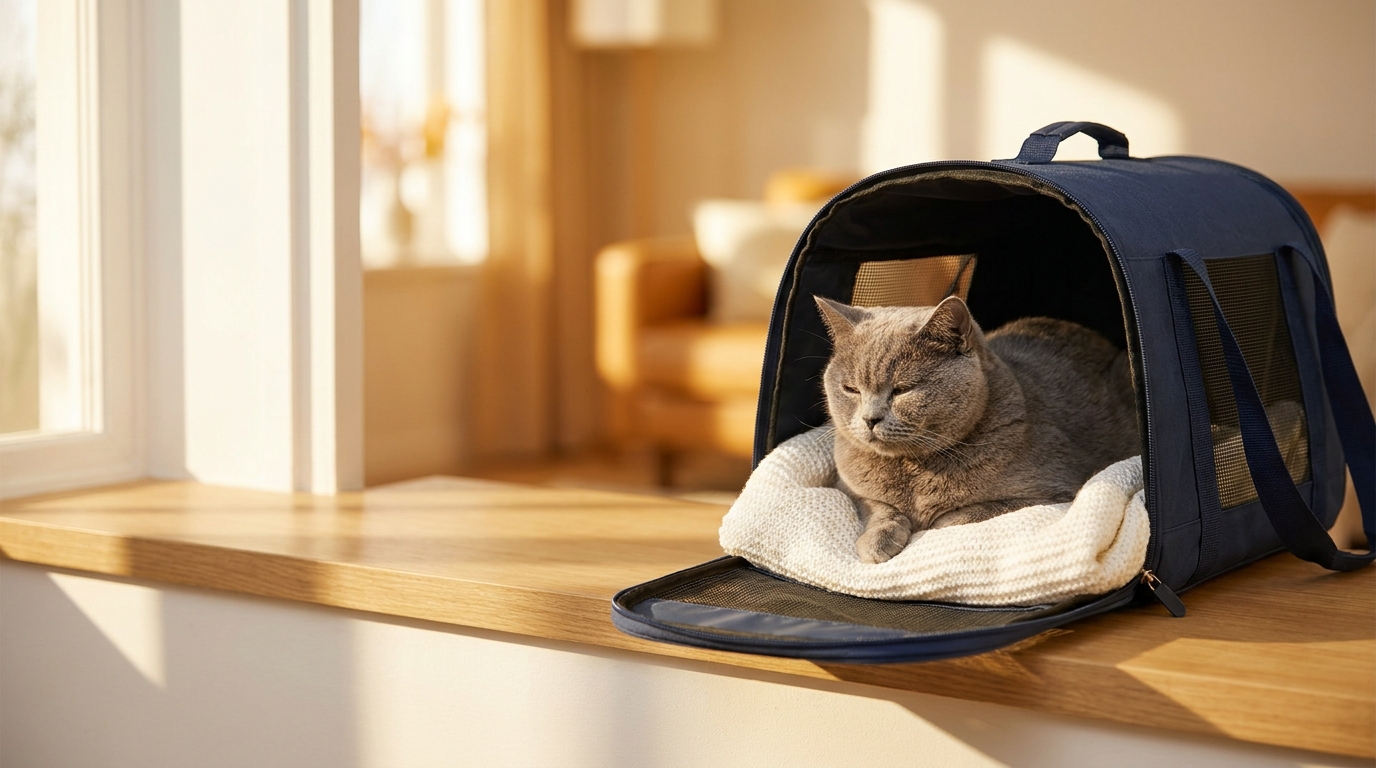
Sleepy and sore after shots is usually normal for 24-48 hours. How long to wait, what a vaccine lump means, and the reaction signs that need an ER.
Quick answer: Sleepiness, mild soreness and a low fever for 24–48 hours after vaccines are normal; call your vet if it lasts past 48 hours or your cat eats nothing for 24 hours, and go to an emergency vet now for vomiting, diarrhea, facial swelling, hives, labored breathing, pale gums or collapse.
Seeing your cat feel under the weather after a routine visit can be stressful as you try to work out whether they need help or just extra rest. Generally, mild lethargy, soreness at the injection site and a low-grade fever are common responses that resolve within 24 to 48 hours. They are typical signs that your cat's immune system is responding to the vaccine.
However, knowing when to move from home care to a vet matters. If the sleepiness lasts beyond 48 hours, or your cat eats nothing for 24 hours, call your vet. If your cat shows facial swelling, hives, vomiting, difficulty breathing or collapse, go to an emergency vet immediately. For everything in between, RexVet's licensed veterinarians can help you decide by video, 24/7, whether your cat needs to be seen in person.
What Is a Normal Reaction After Cat Vaccines?
It is common for cats to experience mild fatigue as their immune system builds protection. This sleepiness typically begins within a few hours and should resolve quickly. If you are ever unsure, our team at RexVet provides 24/7 virtual triage to help you distinguish between standard recovery and genuine emergencies.
- Watch for these signs: If your cat is unresponsive, has trouble breathing, develops hives, or experiences persistent vomiting, these are critical indicators requiring immediate in-person emergency veterinary care.
While some extra rest is expected, keep a close eye on your cat. If your cat refuses food for more than 24 hours, it is time to call a vet. A RexVet video visit lets you talk to a licensed veterinarian from home, which is easier on a cat who already feels sore.
The 24-48 Hour Rule for Recovery
During this time, you might notice your cat is less active or seems slightly sore, which is a standard immune response. Most mild symptoms fade within two days as your cat builds protection.
If your cat is still sluggish after 48 hours, or stops eating for 24 hours, call your vet. A RexVet video visit, available 24/7, can help you decide whether your cat needs to be seen in person today or just needs more time to recover.
When Lethargy Becomes a Serious Concern
While most pets recover quickly, some symptoms signal a true medical crisis. If you notice your cat struggling to breathe, suffering from repeated vomiting, or showing signs of collapse, these are not normal post-vaccine reactions. These symptoms indicate a severe allergic response, such as anaphylaxis, which requires immediate in-person emergency veterinary care.
Other red flags include facial swelling, hives or pale gums. If you see any of these, do not wait for the 48-hour window to pass: go to an emergency vet now, because every minute counts with an allergic reaction.
Understanding the 3-2-1 Vaccine Site Rule
Monitoring the injection site is a vital part of post-vaccine care. It is equally important to check for localized swelling. Use the 3-2-1 rule as a simple guide: if a lump persists for more than 3 months, is larger than 2 centimeters, or is still growing 1 month after the vaccine, schedule a non-emergency vet visit. These lumps are often just minor inflammatory responses, but tracking their size helps your veterinarian provide better care.
If you notice a small, firm bump right after an injection, do not panic; most small reactions fade on their own within a few weeks. A RexVet vet can help you track the lump by video and tell you when it needs an in-person check. Any lump that meets part of the 3-2-1 rule should be examined, and usually sampled, in person.
How to Comfort Your Cat at Home
Creating a calm, low-stress environment is the best way to help your pet recover after their shots. Prioritize a quiet, dim room away from household noise, children, or other pets. Providing a soft, warm bed encourages rest, which is essential for immune system recovery. Ensure they have easy access to fresh water and a nearby litter box so they do not have to exert themselves.
While your cat rests, keep a close eye on their behavior. Remember that our virtual vets are available 24/7 to provide professional guidance. Our team can assess your cat's comfort level in real-time, helping you decide if they truly need urgent care or simply more time to nap. Keeping them peaceful at home is often the most effective medicine for a quick recovery.
Managing Multiple Pets During Recovery
When your home houses multiple pets, recovery after a vaccination visit requires a strategic approach. If you are worried about your cat's lethargy after vaccines, the best strategy is physical separation. A recovering cat needs a quiet, low-traffic sanctuary to rest without interference from playful housemates or curious dogs. Setting up a dedicated space with their own water bowl and litter box prevents unnecessary movement and stress.
Keep the environment dim and calm to encourage sleep, as rest is the primary tool for immune system stabilization. Monitor the patient closely, but keep other pets out of the room to prevent accidental roughhousing or accidental ingestion of the recovering cat's specialized diet. Remember that our virtual veterinarians are available 24/7 to help you triage the situation.
Logging Reactions for Future Vet Visits
Keeping a simple health log is one of the smartest ways to prepare for future vaccines. Start a note on your phone and record the vaccine, the date and any symptoms such as soreness or reduced appetite. This helps your veterinarian adjust future protocols if your cat has a history of sensitivity.
This history is especially helpful if you ever need to ask a vet about a reaction. You can share your log during a video visit, and a RexVet vet can help you decide whether your cat's next booster needs extra precautions, such as spacing out shots or staying at the clinic for observation afterward.
Get Professional Help Anytime You Worry
If you're worried about how your cat is recovering, you don't have to guess. A RexVet video visit lets you talk to a licensed veterinarian from home, which is easier on a cat who already feels sore.
A vet can look at your cat's symptoms, tell you what's normal, and tell you clearly when your cat needs to be seen in person or at an emergency clinic.
RexVet is a nonprofit online vet service. Our veterinarians are licensed in Florida, New York and Virginia and see cats by video 24/7, so if you live in one of those states a vet can look at your cat tonight and help you decide where to go next.
Is your cat still wiped out after her shots? If you live in Florida, New York or Virginia, book a video visit with a licensed RexVet vet. A live video visit is $64.99, and the Family Plan is a one-time $120 for four visits over 12 months — no subscription. Go straight to an emergency vet if your cat vomits, has diarrhea, develops facial swelling or hives, struggles to breathe, has pale gums or collapses after a vaccine, especially within the first few hours.
Related RexVet guides: Kitten vaccination schedule · Is it a pet emergency? A practical checklist · Cat hissing at other cat after a vet visit · How to tell if your cat is in pain
Frequently Asked Questions
Is it normal for my cat to be sleepy after vaccines?
It is very common for a cat to feel tired or sluggish for 24 to 48 hours after receiving vaccinations. This mild lethargy is usually just a sign that your cat's immune system is working hard to build protection. However, if your cat is still acting very weak, hiding, or not eating after 48 hours, you should seek professional advice. If you see signs like vomiting, facial swelling, hives, or difficulty breathing, this is an emergency, and you must go to an ER clinic immediately.
What should I do if I'm worried about my cat's tiredness after vaccines?
If your cat has no emergency signs, you can book a video visit with a licensed RexVet veterinarian, who can tell you whether this is a typical reaction or whether your cat needs to be seen in person. If you see facial swelling, hives, vomiting or breathing trouble, go to an emergency vet instead.
Are kittens more likely to have vaccine side effects?
Kittens often receive multiple vaccines at once, which can sometimes lead to more noticeable side effects. While mild lethargy is standard, kittens are more sensitive to these changes. Monitor them closely for the first 48 hours. If your kitten stops playing, refuses to eat for more than 24 hours, or seems unusually unresponsive, it is time to reach out for professional guidance. Always keep a log of any reactions to share with your vet before their next set of boosters.
Does a lump at the injection site mean my cat is having a reaction?
A small, firm lump at the injection site can sometimes appear after a vaccine. We recommend following the 3-2-1 rule to monitor it: 1) If the lump persists for more than 3 months, 2) if it is larger than 2 centimeters, or 3) if it continues to grow for 1 month after the vaccination, you should have it evaluated by a veterinarian. If the area is painful, red, or draining, consult a vet sooner.
When is a vaccine reaction an emergency?
Most vaccine reactions occur within 30 minutes to a few hours after the injection. You must seek emergency veterinary care immediately if you notice:
- Facial swelling or hives
- Labored or noisy breathing
- Pale or blue-tinted gums
- Sudden collapse or inability to stand
- Persistent vomiting or diarrhea
Can a RexVet vet help if my cat is lethargic after vaccines and I live in Florida, New York or Virginia?
Yes. RexVet veterinarians are licensed in Florida, New York and Virginia and can assess your cat by video at any hour, tell you whether the signs point to the ER, a same-day clinic visit or home care, and explain exactly what to watch for. Hands-on care such as emergency treatment for an allergic reaction, IV fluids, or a needle sample or biopsy of a vaccine-site lump happens in person. Any prescription is the vet's decision: in Florida, medication from a video-only visit is limited to 14 days and can't be renewed without an in-person exam, and New York's rules are stricter, so your vet may refer you to a clinic.
FAQs
Is it normal for my cat to be sleepy after vaccines?
It is very common for a cat to feel tired or sluggish for 24 to 48 hours after receiving vaccinations. This mild lethargy is usually just a sign that your cat's immune system is working hard to build protection. However, if your cat is still acting very weak, hiding, or not eating after 48 hours, you should seek professional advice. If you see signs like vomiting, facial swelling, hives, or difficulty breathing, this is an emergency, and you must go to an ER clinic immediately.
What should I do if I'm worried about my cat's tiredness after vaccines?
If your cat has no emergency signs, you can book a video visit with a licensed RexVet veterinarian, who can tell you whether this is a typical reaction or whether your cat needs to be seen in person. If you see facial swelling, hives, vomiting or breathing trouble, go to an emergency vet instead.
Are kittens more likely to have vaccine side effects?
Kittens often receive multiple vaccines at once, which can sometimes lead to more noticeable side effects. While mild lethargy is standard, kittens are more sensitive to these changes. Monitor them closely for the first 48 hours. If your kitten stops playing, refuses to eat for more than 24 hours, or seems unusually unresponsive, it is time to reach out for professional guidance. Always keep a log of any reactions to share with your vet before their next set of boosters.
Does a lump at the injection site mean my cat is having a reaction?
A small, firm lump at the injection site can sometimes appear after a vaccine. We recommend following the 3-2-1 rule to monitor it: 1) If the lump persists for more than 3 months, 2) if it is larger than 2 centimeters, or 3) if it continues to grow for 1 month after the vaccination, you should have it evaluated by a veterinarian. If the area is painful, red, or draining, consult a vet sooner.
When is a vaccine reaction an emergency?
Most vaccine reactions occur within 30 minutes to a few hours after the injection. You must seek emergency veterinary care immediately if you notice:
- Facial swelling or hives
- Labored or noisy breathing
- Pale or blue-tinted gums
- Sudden collapse or inability to stand
- Persistent vomiting or diarrhea
Can a RexVet vet help if my cat is lethargic after vaccines and I live in Florida, New York or Virginia?
Yes. RexVet veterinarians are licensed in Florida, New York and Virginia and can assess your cat by video at any hour, tell you whether the signs point to the ER, a same-day clinic visit or home care, and explain exactly what to watch for. Hands-on care such as emergency treatment for an allergic reaction, IV fluids, or a needle sample or biopsy of a vaccine-site lump happens in person. Any prescription is the vet's decision: in Florida, medication from a video-only visit is limited to 14 days and can't be renewed without an in-person exam, and New York's rules are stricter, so your vet may refer you to a clinic.
Medically Reviewed
Reviewed by Dr. Tiffany Delacruz, DVM — licensed veterinarian and CEO of RexVet. Last reviewed October 5, 2026.
Content is for informational purposes and does not replace professional veterinary advice.
Chief Executive Officer · Licensed Veterinarian
Dr. Delacruz is a licensed Doctor of Veterinary Medicine specializing in preventive care and veterinary telehealth. She reviews all health content on RexVet to ensure accuracy and clinical relevance.
Sources & References
- · American Veterinary Medical Association — Telehealth Guidelines
- · AVMA — Pet Care Resources
- · U.S. FDA — Animal & Veterinary
Need an Expert Opinion on This Topic?
Connect with a certified vet via video call in minutes
Talk to Vet Now