
Why Is My Cat Shaking? Cold, Fear, Pain or an Emergency
By RexVet Team | Reviewed by Dr. Tiffany Delacruz, DVM
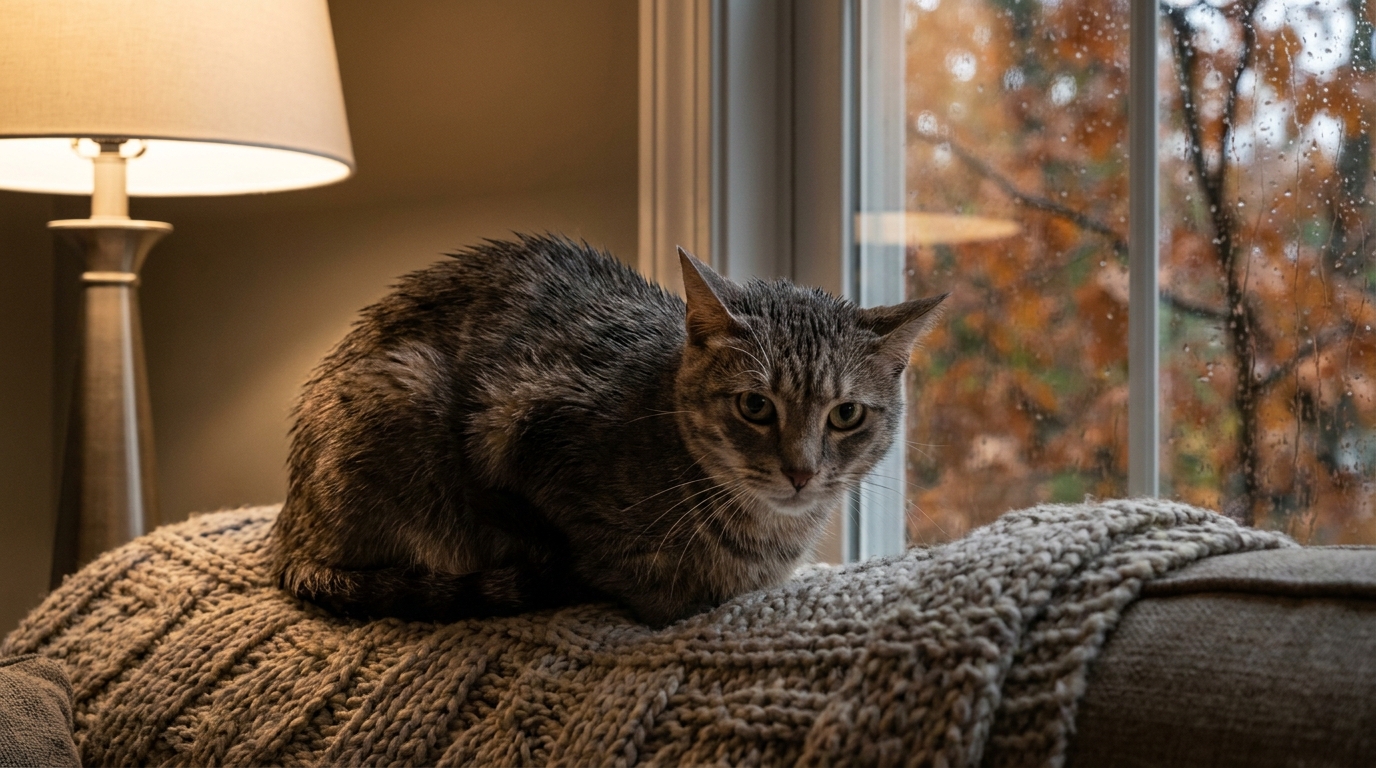
Why is my cat shaking? Often it is cold, fear or pain. Trembling after a flea product or poison, or in a diabetic cat, means an ER now.
Go to an emergency vet now if your cat starts trembling after a flea product, rat bait, antifreeze or any other poison, is diabetic and shaking or weak, has a seizure, can't stand or walks like it is drunk, breathes hard or with its mouth open, collapses, was hurt in a fall or by a car, or is a kitten that is weak or cold.
If anything in that line fits, stop reading and head to the ER now. The emergency list below adds a few more signs.
Why is my cat shaking? Shivering, trembling and tremors are not the same thing
- Shivering is the whole-body shiver of a cat that is cold, wet or feverish.
- Trembling is the tense, crouched shake of a cat that is scared or sore.
- Brief twitches of the paws, whiskers or tail while your cat sleeps are usually normal dreaming. A deep purr can also look like a shake.
- A true tremor is a rhythmic, involuntary shake, often of the head or the whole body, that does not stop when your cat is warm, calm and fully awake.
A true tremor matters because it can come from the nervous system. Per the Merck Veterinary Manual, "The primary signs of nervous system disorders include behavioral changes, seizures, tremors, pain, numbness, lack of coordination, and weakness or paralysis of one or more legs."
What matters tonight is what happened right before the shaking and what else your cat is doing.
Emergency signs: go to an ER now, not a video call
Take your cat to an in-person emergency vet now for any of these. If a poison or a flea product could be involved, also call a poison line on the way (the numbers are below).
- Trembling after a flea product, rat bait, antifreeze or any other poison
- A diabetic cat that is shaking or weak
- A seizure, or an episode that looked like one (a glazed look, drooling, paddling legs or collapse), even if it has stopped
- Can't stand, or walks like it is drunk
- Hard breathing, or breathing with its mouth open
- Collapse
- A fall or a car accident
- A kitten that is weak or cold
- A cat that is shivering or cold and also dull, lethargic or slow to respond, even if it seems feverish
- A true tremor: shaking that keeps going once your cat is warm, calm and fully awake, even if you know of nothing it got into; do not wait for morning
- Straining in the litter box, or not peeing at all
Flea and tick products
Pet Poison Helpline warns: "Permethrin is commonly found in dog flea products and unfortunately cats are highly sensitive to it." Never put a dog flea product on a cat.
Pet Poison Helpline lists signs of poisoning that include profuse drooling, vomiting, tremors, weakness and difficulty breathing, and it is direct about what to do: "If your cat exhibits tremors or seizures, you must take your cat to the veterinary clinic immediately." Once your cat is on the way to care, read what to do when a cat drools after a flea treatment.
Low blood sugar in a diabetic cat
If your cat gets insulin, shaking or weakness is an emergency. Cornell's Feline Health Center says, "Signs of low blood sugar (hypoglycemia) include weakness, lethargy, vomiting, lack of coordination, seizures, and coma." Cornell also warns, "Hypoglycemia can be fatal if left untreated."
Other poisons
Per Merck, "Various chemicals can cause a toxic reaction in the nervous system. These include certain pesticides and herbicides, rat poisons, antifreeze, and sedatives."
If you think your cat touched or swallowed a poison, call ASPCA Animal Poison Control at (888) 426-4435 or Pet Poison Helpline at (855) 764-7661 on your way to the ER. Both are open 24/7, and a fee may apply. Do not give any home remedy or medicine.
Other common reasons a cat shakes: cold, fear, fever and pain
Read on only if nothing on the list above fits.
Cold or wet
A cat caught in a fall rain, one that was just bathed, or one asleep by a cold window can come in chilled. VCA says, "Hypothermic pets may be lethargic and less alert. They may shiver or tremble."
RexVet's advice: warm only a bright, alert adult cat at home. A weak or cold kitten, or a chilled cat that is dull or slow to respond, goes to an emergency vet now.
Fear and stress
Doorbells, costumes, visitors, storms, a new pet, a car ride or a vet visit can all set off trembling. VCA notes that frightened cats "may pace, fidget, freeze, or attempt to hide or flee."
Fever
A cat with a fever can shiver too. VCA says, "Most cats with a fever are lethargic, reluctant to move, have a loss of appetite," and adds, "They may also be shivering or showing stiffness." A chilled cat can look the same, so a cat that is shivering and also lethargic or dull goes to an emergency vet now, whether it feels hot or cold.
Pain
Pain from a sore mouth, back, joint or belly can make a cat hunch, tense up, tremble, hide or hiss when touched. VCA notes, "Underlying illness or pain can contribute to fear or anxiety." If your cat is also hissing or swatting, read why a cat can suddenly turn aggressive.
What to do in the next hour
These steps are only for a cat with nothing on the emergency list.
- Move your cat to a quiet, dim, warm room with food, water and a litter box. Do not pin or restrain it.
- If the fur is wet or your adult cat feels cold, towel it dry and, in VCA's words, "wrap them in warm towels or blankets." VCA also says to "avoid heating pads, which can cause burns."
- Check what may have changed: a new flea or tick product on your cat or your dog, rat or mouse bait, an antifreeze spill in the garage, open trash, a dropped pill. If you find any of these, stop here and follow the emergency section instead.
- Do not give any human medicine or leftover pet medicine.
- Watch your cat as it warms up and settles, and note whether it eats, drinks, walks straight and uses the litter box. Shaking that keeps going once it is warm, calm and fully awake, wobbling, hard breathing, straining in the litter box without peeing, or a cat that is hard to rouse means an emergency vet now.
- Only if your cat has settled, walks straight and shows nothing on the emergency list, film a short clip of any shaking that comes back and of your cat walking. Here is how to upload photos and videos for an online vet review.
If an episode looked like a seizure (a glazed look, drooling, paddling legs or collapse), go to an emergency vet now, even if it has stopped.
How a vet finds the cause in person
At an in-person exam, a hands-on check, a temperature and often blood and urine tests help separate fever, pain and fear from problems inside the body.
Per Merck, "Some metabolic disorders affect the function of the nervous system, including low blood sugar, shortness or loss of breath, liver disease, and kidney failure."
Head injuries matter too. Merck notes, "Injuries to the cerebellum can result in a lack of coordination of the head and legs, tremors, and a loss of balance."
Bring your clip and any flea or tick product packaging.
What a RexVet online vet can and cannot do for a shaking cat
For a cat whose shaking has settled and that shows nothing on the emergency list, a RexVet veterinarian can watch your clip or your cat live, go over what happened right before, and help you decide between an in-person exam soon and watching at home. If you are unsure whether an emergency sign is present, go to an emergency vet now instead of booking a video call.
A video vet cannot take your cat's temperature, run blood tests, treat a poisoning or low blood sugar, or examine your cat hands-on; those need an in-person clinic. Anything on the emergency list goes to an emergency vet now, not a video call.
If the veterinarian decides medication is appropriate, they can prescribe where state rules allow.
RexVet's veterinarians are licensed in Florida, New York and Virginia and are available 24/7. If your cat has settled, nothing on the emergency list fits, and you want a vet to review your clip tonight, you can book a RexVet video visit for $64.99.
October in Florida, New York and Virginia: seasonal reasons a cat shakes
Halloween doorbells, knocking and costumes can scare a cat into trembling and hiding. On the busiest evenings, give your cat a closed, quiet room with water and a litter box.
Colder nights in New York and Virginia can bring a cat in chilled and shivering from outdoors or a drafty window. In Florida, storms at the end of hurricane season can scare cats, too.
If mice come indoors and bait goes down, remember that Merck lists rat poisons and antifreeze among the chemicals that can cause a toxic reaction in the nervous system. If your cat may have gotten into bait or antifreeze, go to an emergency vet now and call a poison line on the way.
For fall flea and tick treatments, never use the dog's product on your cat; Pet Poison Helpline warns that permethrin is common in dog flea products.
When to be seen in person in Florida, New York or Virginia
Anything on the emergency list above goes to an emergency vet now, not a video call. Beyond that, these signs need a hands-on exam soon, but only if every shaking episode fully settles once your cat is warm and calm, your cat is not diabetic, and it is bright and alert between episodes:
- Shaking that keeps coming back
- Shaking together with not eating
- Hiding that goes on
- Weight loss
- A cat that seems sore but still pees and walks normally
If an episode does not fully settle, your cat is diabetic, or it is not bright and alert, go to an emergency vet now instead. In Florida, a telehealth vet must give you "the contact information for at least one physical veterinary clinic in the vicinity of the patient's location" (Fla. Stat. 474.2021).
RexVet is a 501(c)(3) non-profit, and RexVet's veterinarians are licensed in Florida, New York and Virginia and available 24/7. If your cat's shaking has settled and nothing on the emergency list fits, book a video visit now for $64.99.
Frequently Asked Questions
Is it normal for my cat to twitch or shake while sleeping?
Brief twitches of the paws, whiskers or tail while your cat sleeps can be normal dreaming. Go to an emergency vet now if your cat is hard to rouse, if shaking goes on once your cat is awake, or if it came with a glazed look, drooling, paddling legs or collapse, which can mean a seizure, even if it has stopped. Go now, too, if the shaking follows a flea product, rat bait, antifreeze or other poison, or your cat is diabetic, can't stand or wobbles like it is drunk, breathes hard or open-mouthed, was hit by a car or fell, or is a weak or cold kitten.
Why is my cat shaking and hiding?
Pain can make a cat tremble and hide, and so can fear: VCA says frightened cats "may pace, fidget, freeze, or attempt to hide or flee." Go to an emergency vet now if the shaking follows a flea product, rat bait, antifreeze or other poison or keeps going once your cat is warm, calm and fully awake, or if your cat is dull, lethargic or slow to respond, is diabetic, can't stand or wobbles like it is drunk, breathes hard or open-mouthed, was hit by a car or fell, is a weak or cold kitten, or has collapsed or had a seizure (a glazed look, drooling or paddling legs), even if it has stopped. If the shaking has fully settled and your cat is bright and alert but stays hidden once the house is calm or will not eat, have a veterinarian examine it in person soon.
Can a cat shiver from being cold even indoors?
Yes, after a bath, a soak in the rain or a night by a cold window; VCA says hypothermic pets "may shiver or tremble." Go to an emergency vet now for a weak or cold kitten, or if your cat is dull or slow to respond, keeps shivering once dry and warm, is diabetic, can't stand or wobbles like it is drunk, breathes hard or open-mouthed, was hit by a car or fell, started shaking after a flea product, rat bait, antifreeze or other poison, or has collapsed or had a seizure (a glazed look, drooling or paddling legs), even if it has stopped. Otherwise, towel a bright, alert adult cat dry, wrap it in warm towels or blankets, and skip heating pads.
My cat is shaking after a flea treatment. What should I do?
Go to an emergency vet now, and call ASPCA Animal Poison Control at (888) 426-4435 or Pet Poison Helpline at (855) 764-7661 on the way (both 24/7; a fee may apply). Pet Poison Helpline says, "If your cat exhibits tremors or seizures, you must take your cat to the veterinary clinic immediately." Once your cat is on the way, read our guide to cat drooling after flea treatment.
Can I give my cat something at home to stop the shaking?
No, do not give any human medicine or leftover pet medicine. Go to an emergency vet now if the shaking follows a flea product, rat bait, antifreeze or other poison or keeps going once your cat is warm, calm and fully awake, or if your cat is dull, lethargic or slow to respond, is diabetic, can't stand or wobbles like it is drunk, breathes hard or open-mouthed, was hit by a car or fell, is a weak or cold kitten, or has collapsed or had a seizure (a glazed look, drooling or paddling legs), even if it has stopped. If your cat is bright and alert and its shaking has fully settled, keep it warm and quiet. If the veterinarian decides medication is appropriate, they can prescribe where state rules allow.
FAQs
Is it normal for my cat to twitch or shake while sleeping?
Brief twitches of the paws, whiskers or tail while your cat sleeps can be normal dreaming. Go to an emergency vet now if your cat is hard to rouse, if shaking goes on once your cat is awake, or if it came with a glazed look, drooling, paddling legs or collapse, which can mean a seizure, even if it has stopped. Go now, too, if the shaking follows a flea product, rat bait, antifreeze or other poison, or your cat is diabetic, can't stand or wobbles like it is drunk, breathes hard or open-mouthed, was hit by a car or fell, or is a weak or cold kitten.
Why is my cat shaking and hiding?
Pain can make a cat tremble and hide, and so can fear: VCA says frightened cats "may pace, fidget, freeze, or attempt to hide or flee." Go to an emergency vet now if the shaking follows a flea product, rat bait, antifreeze or other poison or keeps going once your cat is warm, calm and fully awake, or if your cat is dull, lethargic or slow to respond, is diabetic, can't stand or wobbles like it is drunk, breathes hard or open-mouthed, was hit by a car or fell, is a weak or cold kitten, or has collapsed or had a seizure (a glazed look, drooling or paddling legs), even if it has stopped. If the shaking has fully settled and your cat is bright and alert but stays hidden once the house is calm or will not eat, have a veterinarian examine it in person soon.
Can a cat shiver from being cold even indoors?
Yes, after a bath, a soak in the rain or a night by a cold window; VCA says hypothermic pets "may shiver or tremble." Go to an emergency vet now for a weak or cold kitten, or if your cat is dull or slow to respond, keeps shivering once dry and warm, is diabetic, can't stand or wobbles like it is drunk, breathes hard or open-mouthed, was hit by a car or fell, started shaking after a flea product, rat bait, antifreeze or other poison, or has collapsed or had a seizure (a glazed look, drooling or paddling legs), even if it has stopped. Otherwise, towel a bright, alert adult cat dry, wrap it in warm towels or blankets, and skip heating pads.
My cat is shaking after a flea treatment. What should I do?
Go to an emergency vet now, and call ASPCA Animal Poison Control at (888) 426-4435 or Pet Poison Helpline at (855) 764-7661 on the way (both 24/7; a fee may apply). Pet Poison Helpline says, "If your cat exhibits tremors or seizures, you must take your cat to the veterinary clinic immediately." Once your cat is on the way, read our guide to cat drooling after flea treatment.
Can I give my cat something at home to stop the shaking?
No, do not give any human medicine or leftover pet medicine. Go to an emergency vet now if the shaking follows a flea product, rat bait, antifreeze or other poison or keeps going once your cat is warm, calm and fully awake, or if your cat is dull, lethargic or slow to respond, is diabetic, can't stand or wobbles like it is drunk, breathes hard or open-mouthed, was hit by a car or fell, is a weak or cold kitten, or has collapsed or had a seizure (a glazed look, drooling or paddling legs), even if it has stopped. If your cat is bright and alert and its shaking has fully settled, keep it warm and quiet. If the veterinarian decides medication is appropriate, they can prescribe where state rules allow.
Medically Reviewed
Reviewed by Dr. Tiffany Delacruz, DVM — licensed veterinarian and CEO of RexVet. Last reviewed September 30, 2026.
Content is for informational purposes and does not replace professional veterinary advice.
Chief Executive Officer · Licensed Veterinarian
Dr. Delacruz is a licensed Doctor of Veterinary Medicine specializing in preventive care and veterinary telehealth. She reviews all health content on RexVet to ensure accuracy and clinical relevance.
Sources & References
- · American Veterinary Medical Association — Telehealth Guidelines
- · AVMA — Pet Care Resources
- · U.S. FDA — Animal & Veterinary
Need an Expert Opinion on This Topic?
Connect with a certified vet via video call in minutes
Talk to Vet Now