
Dog's Paw Is Swollen? What to Check Before Morning
By RexVet Team | Reviewed by Dr. Tiffany Delacruz, DVM
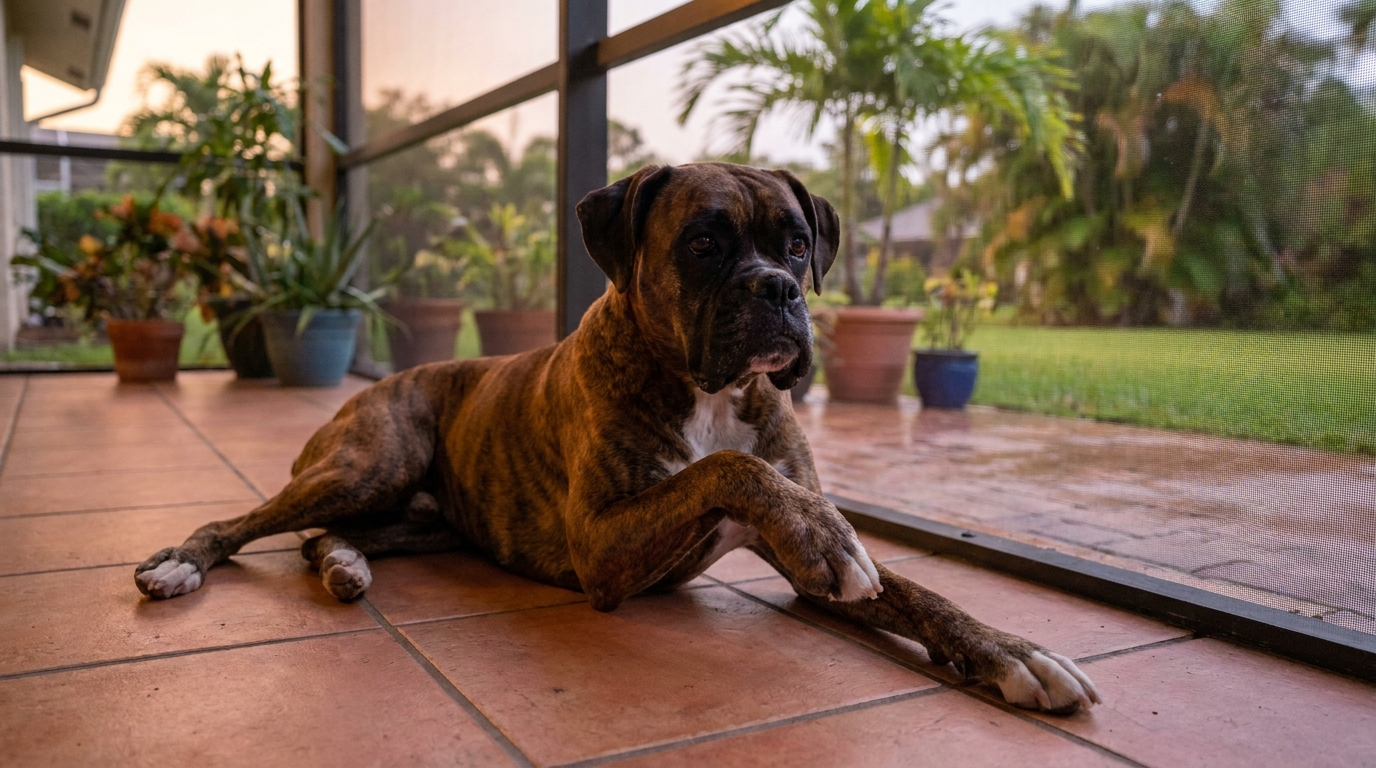
Dog's paw is swollen? Check between the toes for a sting, splinter or cut. Face swelling, hives or a snakebite mean an ER visit now.
Go to an emergency vet now if your dog won't put any weight on the leg, the swelling spreads fast up the leg, the face or neck swells, hives appear, breathing is hard, your dog vomits or collapses after a sting, you think a snake bit your dog, or bleeding won't stop.
If anything in the line above fits your dog, stop reading and go now. Otherwise, here is what to check tonight.
Why a dog's paw swells: the usual causes
A common culprit is something stuck in the foot. According to PetMD's guide to swollen paws, "Swollen paws are often caused by a foreign object getting trapped between the pads/toes of the dog's foot."
PetMD adds: "Insect or spider bites, puncture wounds, broken toes, fractured claws, and constant licking/chewing (as with allergies or other source of chronic irritation) are other common causes."
Feet are an easy place for a sting. As VCA Animal Hospitals explains in its insect-sting first aid guide, "Insects sting the closest body part, making the eyes, ears, and feet easy targets."
Sometimes the swelling is a bump in the skin between the toes. The Merck Veterinary Manual describes interdigital furuncles this way: "These painful, pus-filled blisters often occur in the webbing between a dog's toes." VCA notes that "Allergy-induced paw inflammation is the most common cause of interdigital cysts."
The pattern gives you a clue. One swollen paw right after a walk points toward a sting, bite, splinter, burr or cut. Several itchy, red paws point more toward allergies.
Florida sandspurs can also lodge between the toes; see our guide to removing sandspurs from a dog's paw and when to worry.
Emergency signs: go to an ER now, not a video call
Any one of these means an emergency vet now, not waiting and not a video call first:
- Your dog won't put any weight at all on the leg.
- The swelling spreads fast up the leg.
- The face or neck swells.
- Hives appear anywhere on the body.
- Breathing is hard or noisy.
- Your dog vomits, wobbles or collapses after a sting.
- You think a snake may have bitten your dog.
- Bleeding won't stop.
- The leg looks bent, or you can see bone.
VCA's sting guide lists serious-reaction signs including "Severe swelling around the head and neck that could compromise respiration." and "Hives on any part of the body."
The Merck Veterinary Manual's page on snakebites is direct: "Snakebite with envenomation is a true emergency." It advises that owners "should not spend time on first aid other than to keep the animal quiet and limit its activity." Merck also warns that "hair may hide the typical fang marks," so a paw that swells fast after time in brush or tall grass counts as a possible bite even if you can't find a wound.
Don't ice, cut, suck or tie off a suspected bite. Merck calls ice, cold packs or sprays, incision and suction, and tourniquets "ineffective and can be potentially harmful." Keep your dog calm and still, and drive to the nearest emergency vet.
If you're unsure about other signs, keep our practical pet emergency checklist handy. When in doubt, go.
A calm paw check you can do tonight
If none of the emergency signs apply, take a closer look in good light, with a helper holding your dog and offering treats. Go slowly: a sore paw can make even a gentle dog snap, so stop if your dog growls or stiffens.
Start with the two checks PetMD recommends: "Check the paw for objects caught between the pads/toes." and "Check for insect stings or puncture wounds (though often hard to pinpoint)."
Then look above the foot. PetMD says to "check the dog's leg to ensure no constricting material is present (which can easily cause swelling)." That could be:
- a hair tie or rubber band that ended up around a toe or leg
- string, thread or fishing line
- a tight mat of fur wrapped around the leg or a toe
Compare the sore paw with the other one. Is it warmer? Is a nail split or bleeding at the base? Is there a red bump in the webbing?
If you see a stinger, VCA explains that "Bees are the only insects that leave their stingers in their victims." VCA suggests removing a bee stinger by "scraping a credit card over your dog's coat" rather than pulling it with tweezers.
Leave anything cut into the skin or embedded deep, a thorn whose end you can't see, or a puncture wound for a vet to remove. Don't dig at home.
Before you finish, take clear photos of the top of the paw, the bottom and between the toes, plus a short clip of your dog walking across the room. Our guide on how to upload pet photos and videos for an online vet review shows what angles help most.
Can it wait until morning?
That depends on what you found. Anything on the emergency list means going now, not in the morning. If your dog is bearing weight and has none of those signs, a close watch overnight can be an option. But PetMD is clear about when to call: "If you can see an obvious lesion, the swelling does not quickly disappear, or the dog continues to favor the paw, call your vet for further advice."
After a sting, keep watching even if your dog seems fine. VCA says: "Allergic reactions usually occur within 20 minutes of the bite, but may be delayed for hours, so close monitoring is critical."
What to watch tonight:
- The edge of the swelling: if it is moving up the leg, or you can't tell, go to an emergency vet now. If not, take a photo now and again before bed, and go now if it has spread.
- Whether the foot goes down: if your dog won't put any weight at all on the leg, go to an emergency vet now.
- Licking: note whether it keeps up (see the cone tip below).
- Heat, a smell or discharge: these are reasons to book a hands-on exam soon.
- The face and breathing after any sting: any sign from the emergency list means going to an emergency vet now.
To stop the licking, VCA suggests: "Use an Elizabethan collar (cone) if your dog continues to lick or scratch at the bite wound." Keep your dog quiet, use a leash for potty breaks, and keep them off stairs and rough ground.
Don't give your dog any human medicine or put anything from your own cabinet on the paw. Skip soaks and home remedies, and never cut or squeeze a bump.
Red bumps between the toes: cysts and abscesses
A raised red bump in the webbing may be what vets call an interdigital furuncle, also known as an interdigital cyst. The Merck Veterinary Manual puts it this way: "It is similar to a severely infected pimple or boil on the face."
According to Merck, "Furuncles are usually painful, and the dog may be obviously lame on the affected foot (or feet) and lick and bite at them." Merck also notes: "Furuncles caused by a foreign object are usually solitary and often occur on a front foot."
Some dogs seem more prone to them. Merck names "Chinese Shar-Peis, Labrador Retrievers, and English Bulldogs" among the breeds. VCA adds: "You may even notice small blood spots on the floor if a cyst has ruptured."
Do not squeeze, lance or cut a bump at home. A vet does that in person and may also test the skin. Per Merck, "The furuncles can be lanced to find and remove any foreign objects."
What a RexVet online vet can and cannot do when a dog's paw is swollen
If your dog has none of the emergency signs, a veterinarian on a video visit can look closely at the pads, nails and webbing while you spread the toes, and spot a stinger, splinter, puncture, split nail or a band cutting into the leg. They can watch your dog walk, ask where your dog was and what might have stung or bitten them, and help you decide between an ER now, a hands-on exam tomorrow, or watching at home.
A video vet cannot x-ray a toe, lance or drain a bump, dig out a deep splinter, run skin tests or cultures, or treat a snakebite. Those need a hands-on exam or an emergency clinic. A suspected snakebite, or any sign from the emergency list, goes straight to an emergency vet, not to a video call.
If the veterinarian decides medication is appropriate, they can prescribe where state rules allow. In Florida, a veterinarian who has seen your pet only by video may prescribe only FDA-approved animal drugs used as labeled, for up to 14 days (1 month for flea-and-tick-only products), and cannot renew without an in-person exam.
RexVet is a 501(c)(3) non-profit. RexVet's veterinarians are licensed in Florida, New York and Virginia and are available 24/7, including nights, weekends and holidays. If there are no emergency signs and you want a vet to see that paw tonight, you can book a RexVet video visit for $64.99.
Fall paw hazards in Florida, New York and Virginia
In Florida, fire-ant mounds hide in lawns, sandspurs cling to sandy yards, and storm debris such as splinters and loose nails can linger as hurricane season winds down. VCA warns: "When a dog steps on an ant hill or disturbs a wasp nest or beehive, the insects swarm and sting the dog's whole body."
In New York and Virginia, fall hikes bring burrs, sticks and thorns hidden under fallen leaves. Stinging insects gather around trash cans and fallen fruit, so keep your dog away from both.
Venomous snakes live in all three states. If your dog's paw swells fast after time in brush, woodpiles or tall grass, treat it as a possible bite and go to an emergency vet now.
A few habits help prevent trouble:
- Check and wipe your dog's paws after every walk.
- Keep the fur between the pads trimmed so burrs and seeds have less to grab.
- Never leave hair ties, rubber bands or string where a dog can get tangled in them.
When to be seen in person in Florida, New York or Virginia
Anything on the emergency list above goes to an emergency vet now. Otherwise, book a hands-on exam soon when:
- you can see a wound (PetMD's "obvious lesion")
- the swelling is not going down
- your dog is still favoring the paw
- you suspect a broken toe or a fractured claw
- a nail is torn at the base
- a bump opens up or drains
- the swelling keeps coming back
Repeat bumps are worth a deeper look. Merck notes that "The most common causes of recurrent furuncles in dogs are atopy and demodicosis."
If you start with a video visit in Florida, Florida law (Fla. Stat. 474.2021) requires the vet to give you "the contact information for at least one physical veterinary clinic in the vicinity of the patient's location."
If it isn't an emergency but you're not sure whether that paw needs an exam tomorrow, RexVet's veterinarians are licensed in Florida, New York and Virginia and see dogs by video 24/7. You can book a RexVet video visit for $64.99, share your photos and walking clip, and get a clear next step.
Frequently Asked Questions
Why is my dog's paw swollen between the toes?
The usual causes are a trapped object like a thorn or seed, an insect sting, or a bump in the webbing. The Merck Veterinary Manual describes these bumps as "painful, pus-filled blisters" that are "similar to a severely infected pimple or boil," and VCA says allergy-induced paw inflammation is their most common cause. Fast swelling after time in brush or tall grass could be a snakebite. Go to an emergency vet now for no weight on the leg, swelling spreading fast up the leg, face or neck swelling, hives, hard breathing, vomiting or collapse after a sting, a suspected snakebite, or bleeding that won't stop.
Can a swollen paw wait until morning if my dog is still walking on it?
Not if any emergency sign is present: go to an emergency vet now for no weight on the leg, swelling spreading fast up the leg, face or neck swelling, hives, hard breathing, vomiting or collapse after a sting, a suspected snakebite, or bleeding that won't stop. Without those signs, PetMD advises calling your vet if you see an obvious lesion, the swelling doesn't quickly go down, or your dog keeps favoring the paw. After a sting, VCA says "Allergic reactions usually occur within 20 minutes of the bite, but may be delayed for hours, so close monitoring is critical." If any of those signs appear overnight, go to an emergency vet now.
What does a bee sting on a dog's paw look like?
Expect sudden puffiness on the foot, and your dog may lick or chew at it; sometimes a small stinger is visible. VCA suggests removing a bee stinger by scraping a credit card over the coat rather than using tweezers. Go to an emergency vet now for swelling spreading fast up the leg, face or neck swelling, hives, hard breathing, vomiting, wobbling or collapse, no weight on the leg, bleeding that won't stop, or a possible snakebite.
Could my dog's swollen paw be a snakebite?
It could, especially if the swelling came on fast after time in brush, woodpiles or tall grass. Merck notes that "hair may hide the typical fang marks," so don't wait to find a wound. Keep your dog quiet, limit their activity and go straight to an emergency vet now, and don't use ice, cutting, suction or a tourniquet.
Can I give my dog something from my medicine cabinet for the swelling?
No: don't give your dog any human medicine or put ointments from your cabinet on the paw. Go to an emergency vet now for no weight on the leg, swelling spreading fast up the leg, face or neck swelling, hives, hard breathing, vomiting or collapse after a sting, a suspected snakebite, or bleeding that won't stop. Otherwise, keep your dog quiet, use a cone if the licking keeps up, and call your vet if the swelling doesn't quickly go down or your dog keeps favoring the paw. If the veterinarian decides medication is appropriate, they can prescribe where state rules allow.
FAQs
Why is my dog's paw swollen between the toes?
The usual causes are a trapped object like a thorn or seed, an insect sting, or a bump in the webbing. The Merck Veterinary Manual describes these bumps as "painful, pus-filled blisters" that are "similar to a severely infected pimple or boil," and VCA says allergy-induced paw inflammation is their most common cause. Fast swelling after time in brush or tall grass could be a snakebite. Go to an emergency vet now for no weight on the leg, swelling spreading fast up the leg, face or neck swelling, hives, hard breathing, vomiting or collapse after a sting, a suspected snakebite, or bleeding that won't stop.
Can a swollen paw wait until morning if my dog is still walking on it?
Not if any emergency sign is present: go to an emergency vet now for no weight on the leg, swelling spreading fast up the leg, face or neck swelling, hives, hard breathing, vomiting or collapse after a sting, a suspected snakebite, or bleeding that won't stop. Without those signs, PetMD advises calling your vet if you see an obvious lesion, the swelling doesn't quickly go down, or your dog keeps favoring the paw. After a sting, VCA says "Allergic reactions usually occur within 20 minutes of the bite, but may be delayed for hours, so close monitoring is critical." If any of those signs appear overnight, go to an emergency vet now.
What does a bee sting on a dog's paw look like?
Expect sudden puffiness on the foot, and your dog may lick or chew at it; sometimes a small stinger is visible. VCA suggests removing a bee stinger by scraping a credit card over the coat rather than using tweezers. Go to an emergency vet now for swelling spreading fast up the leg, face or neck swelling, hives, hard breathing, vomiting, wobbling or collapse, no weight on the leg, bleeding that won't stop, or a possible snakebite.
Could my dog's swollen paw be a snakebite?
It could, especially if the swelling came on fast after time in brush, woodpiles or tall grass. Merck notes that "hair may hide the typical fang marks," so don't wait to find a wound. Keep your dog quiet, limit their activity and go straight to an emergency vet now, and don't use ice, cutting, suction or a tourniquet.
Can I give my dog something from my medicine cabinet for the swelling?
No: don't give your dog any human medicine or put ointments from your cabinet on the paw. Go to an emergency vet now for no weight on the leg, swelling spreading fast up the leg, face or neck swelling, hives, hard breathing, vomiting or collapse after a sting, a suspected snakebite, or bleeding that won't stop. Otherwise, keep your dog quiet, use a cone if the licking keeps up, and call your vet if the swelling doesn't quickly go down or your dog keeps favoring the paw. If the veterinarian decides medication is appropriate, they can prescribe where state rules allow.
Medically Reviewed
Reviewed by Dr. Tiffany Delacruz, DVM — licensed veterinarian and CEO of RexVet. Last reviewed September 30, 2026.
Content is for informational purposes and does not replace professional veterinary advice.
Chief Executive Officer · Licensed Veterinarian
Dr. Delacruz is a licensed Doctor of Veterinary Medicine specializing in preventive care and veterinary telehealth. She reviews all health content on RexVet to ensure accuracy and clinical relevance.
Sources & References
- · American Veterinary Medical Association — Telehealth Guidelines
- · AVMA — Pet Care Resources
- · U.S. FDA — Animal & Veterinary
Need an Expert Opinion on This Topic?
Connect with a certified vet via video call in minutes
Talk to Vet Now