
Dog Got a Fish Hook in Its Lip? What to Do Before You Pull
By RexVet Team | Reviewed by Dr. Tiffany Delacruz, DVM
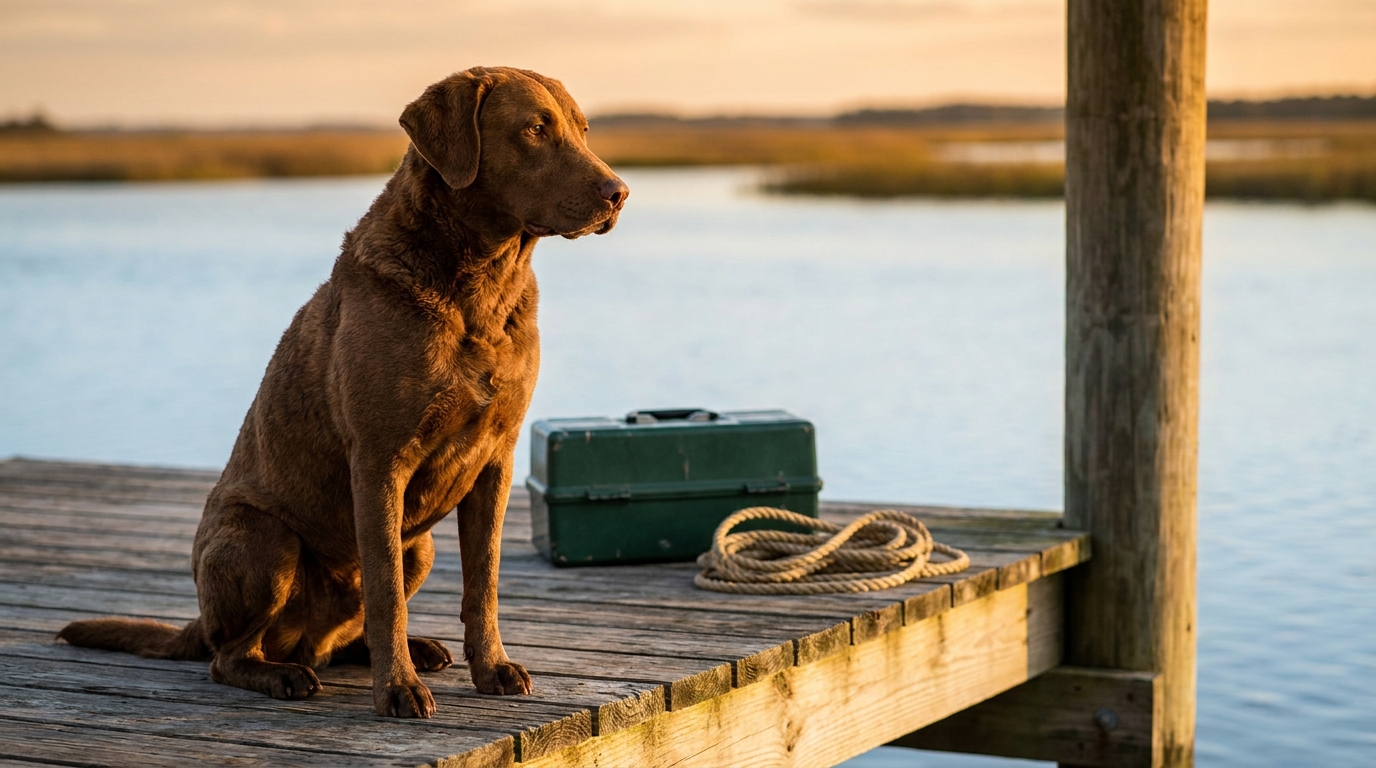
Dog got a fish hook in its lip? Don't yank the hook or the line. Keep your dog still and get help; hooks in the mouth or swallowed need a vet now.
Go to a vet now if the hook is inside the mouth, in an eye or ear, or swallowed, or if fishing line is hanging from the mouth (do not pull it); go to an ER if your dog is gagging, drooling heavily, vomiting or bleeding a lot.
Here is what to do in the next few minutes, which cases mean you go in right away, and when a vet can help over video.
Dog got a fish hook in its lip: why pulling makes it worse
The urge to pull the hook straight out is strong. Resist it. Fish hooks have barbs, and PetMD says those barbs are what make them hard to remove.
PetMD's guide to fishhook care for dogs puts it plainly: "Due to the multiple barbs on the hooks, fishhooks can be very difficult to remove without sedation, minor surgery, and pain medication." It also warns that "Excessive damage can also be caused if you pull on the fishing line and hook."
So the first rule is simple. Do not tug the hook, and do not pull the line, even gently. Keeping everything still is the most useful thing you can do while you work out the next step.
Go to a vet now: mouth, eye, ear, swallowed or line from the mouth
Before you think about removing anything, look at where the hook is and how your dog is acting. Go to a veterinarian in person now if:
- The hook is anywhere inside the mouth, including the gums, tongue or inner lip
- The hook is in or near an eye, or in an ear
- You think your dog swallowed a hook, a lure or any other tackle
- Fishing line is hanging out of the mouth, whether it looks tight or slack
- The hook is in a paw (more on that below)
Go straight to an emergency vet if your dog is gagging, drooling heavily, vomiting, bleeding a lot or bleeding that will not stop, having trouble breathing, or collapses.
The Merck Veterinary Manual is direct about hooks in the face: "Do not try to remove a hook embedded in the eyes, mouth, or ears. This procedure needs anesthesia and a vet."
For line coming from the mouth, PetMD says: "If you see fishing line hanging out of your pet’s mouth, never pull on it and seek veterinary attention immediately."
A swallowed hook is not something to wait out at home, even if your dog seems fine. According to PetMD, "If your pet swallowed a fishhook, anesthesia and endoscopy or surgery may be necessary to carefully remove the hook."
If you are not sure whether what you are seeing counts as an emergency, our practical pet emergency checklist walks through the signs. When in doubt, go in.
First steps on the dock or boat
Wherever the hook is, these steps help keep things from getting worse while you get help.
- Keep your dog calm and still. Speak quietly, hold your dog close, and keep them as still as you can so the hook does not move further. If you can do it without pulling on anything, move to a quiet, shaded spot away from other people and dogs.
- Muzzle before you touch the face. Even the gentlest dog may bite when a sore spot is handled. Use a muzzle or a soft towel, fitted so it does not touch or catch the hook. Do not muzzle a dog that is gagging, vomiting, having trouble breathing or has line coming from the mouth; take that dog straight to a vet.
- Leave the line alone except as described below. Never pull it.
If the hook is in the mouth and still has line on it, the Merck Veterinary Manual advises: "If a hook in your pet's mouth is attached to line, tie the line to the animal's collar to keep it from swallowing the hook. If possible, cut the line, leaving a few inches attached to help find the hook."
Do that on your way out the door, not instead of going. A hook in the mouth still needs a vet now.
Paws are different from lips. PetMD advises: "If the hook (including the barb) is embedded in a paw, immediately cover it (to prevent further damage or your pet from chewing, licking, or swallowing it), and take your dog to the veterinarian as soon as possible." A paw hook is not a home job. If your dog keeps licking that paw once it has been seen, our guide to dog paw licking causes and care explains what to watch for.
A hook through the edge of the lip: what vets advise
One situation is different: a hook that has gone through the very edge of the outer lip, where you can see both ends of the hook outside the skin. Even here, the first answer is a vet. PetMD says: "When in doubt, this is best removed by your veterinarian. If you are not near a veterinarian, you may consider removing this on your own, but be aware that you can cause worse damage."
The Merck Veterinary Manual describes the method for a hook in the skin: "If the barb of the hook has entered your pet's skin, push the hook fully through and clip off the barb with wire cutters, then pull it back out the way it entered. Clean and bandage the wound, and see your vet."
Notice the last four words. Even when a hook comes out cleanly, removal is not the end of care.
Only consider removal at home if every one of these is true:
- The hook is through the edge of the lip only, not inside the mouth
- You can see both ends of the hook
- Your dog is calm and muzzled
- A veterinarian is guiding you live, by phone or video
Stop right away if your dog struggles, and go in. This never applies to a hook inside the mouth, in or near an eye, in an ear, in a paw, or a hook that was swallowed. Those go to a vet in person.
After the hook is out
Whoever removed the hook, keep an eye on the spot. PetMD advises that "the site should be checked once or twice a day to make sure there are no signs of infection, pus, redness, or swelling."
Any of those signs means a vet visit. So does drooling, or your dog not eating. Ask the veterinarian who removed the hook how to care for the spot; a vet decides on anything more than checking it.
Dock, pier and boat safety in Florida, Virginia and New York
Dogs and fishing trips go together in all three states. In Florida, people fish from piers, bridges and boats all year. In Virginia, the Chesapeake Bay and the coast mean docks, small boats and bait buckets. In New York, dogs tag along to lakes upstate and to the shoreline on Long Island.
PetMD's prevention advice is short and worth following:
- "Always keep unused lures and bait covered and away from inquisitive pets."
- "When casting your line, it’s always best to have your pet secured in a safe area."
That means closing the tackle box between casts, keeping bait buckets out of nose reach, and picking up stray hooks and line before you leave.
Watch your dog's face, too. If your dog suddenly starts drooling heavily after time near fishing gear, treat it as a possible hook or line in the mouth and go to a vet now. For other reasons a dog may drool, see why is my dog suddenly drooling a lot.
What a RexVet online vet can and cannot do
A video visit fits one part of this problem: a hook you can see on the outside of the lip, in a dog who is calm and breathing normally. RexVet is a 501(c)(3) non-profit, and RexVet's veterinarians are licensed in Florida, New York and Virginia.
On a video visit, a vet can:
- See exactly where the hook is and whether the barb has gone through
- Tell you whether this is a go-now case
- Guide a lip-edge removal, only when it is safe to do so
- Check the site afterwards as it heals
A video vet cannot:
- Sedate your dog
- Remove a hook from the mouth, eye, ear or paw
- Retrieve a swallowed hook
Good light and a steady close-up help the vet see what you see. Our guide on how to upload pet photos and videos for an online vet review shows how to share clear pictures with the vet.
If the veterinarian decides medication is appropriate, they can prescribe where state rules allow. In Florida, a veterinarian who has seen your pet only by video may prescribe only FDA-approved animal drugs used as labeled, for up to 14 days (1 month for flea-and-tick-only products), and cannot renew without an in-person exam.
If the hook is on the outside edge of the lip and your dog is calm, you can book a RexVet video visit for $64.99, 24/7, including nights, weekends and holidays. Video visits are for pet parents in Florida, New York and Virginia only.
When to be seen in person in Florida, New York or Virginia
Go to a clinic or an emergency vet in person for:
- Anything in the go-now list near the top of this page
- A hook in a paw
- A hook you tried to remove and could not, or one you decided not to try
- A site that looks infected later, with pus, redness or swelling, or a dog who is drooling or not eating
Florida law also looks out for you here. A Florida vet practicing telehealth must give you "the contact information for at least one physical veterinary clinic in the vicinity of the patient's location" (Fla. Stat. 474.2021).
For more on getting help where you live, see our pages on pet trauma in Tampa and pet trauma in Virginia Beach, and our state guides for Florida, New York and Virginia.
Frequently Asked Questions
Should I cut the fishing line if my dog swallowed a hook?
If your dog swallowed a hook, the step that matters is getting to a vet now without pulling on any line; PetMD's advice for line hanging from the mouth is to "never pull on it and seek veterinary attention immediately." The Merck Veterinary Manual's tie-and-cut advice is for a hook in the mouth that is still attached to line, not a hook that has already gone down. For that case, Merck says to "tie the line to the animal's collar to keep it from swallowing the hook. If possible, cut the line, leaving a few inches attached to help find the hook."
Can a dog pass a swallowed fish hook?
Do not wait to find out. Go to a vet now, even if your dog seems completely fine. PetMD says that if your pet swallowed a fishhook, "anesthesia and endoscopy or surgery may be necessary to carefully remove the hook."
How do I get a fish hook out of my dog's lip?
Start with PetMD's advice: "When in doubt, this is best removed by your veterinarian." Home removal is only an option if the hook is through the edge of the lip with both ends visible, your dog is calm and muzzled, and a veterinarian is guiding you by phone or video. The Merck Veterinary Manual's method is to push the hook through, clip off the barb and back it out, then "see your vet." Stop if your dog struggles, and never try this for a hook in the mouth, eye, ear or paw, or a swallowed hook.
What if the fish hook is in my dog's paw?
Do not try to remove it yourself. PetMD says: "If the hook (including the barb) is embedded in a paw, immediately cover it (to prevent further damage or your pet from chewing, licking, or swallowing it), and take your dog to the veterinarian as soon as possible." A paw hook goes to a vet in person, not a video call.
Does my dog need treatment after a hook is removed from the lip?
Keep watching the spot. PetMD says "the site should be checked once or twice a day to make sure there are no signs of infection, pus, redness, or swelling." Any of those signs, drooling or not eating means a vet visit, and a vet decides whether anything more is needed.
For anything on the go-now list, see a vet in person first. If it is a hook on the outside edge of the lip and your dog is calm, you can book a video visit now for $64.99, 24/7. RexVet's veterinarians are licensed in Florida, New York and Virginia, and video visits are for pet parents in those three states only.
FAQs
Should I cut the fishing line if my dog swallowed a hook?
If your dog swallowed a hook, the step that matters is getting to a vet now without pulling on any line; PetMD's advice for line hanging from the mouth is to "never pull on it and seek veterinary attention immediately." The Merck Veterinary Manual's tie-and-cut advice is for a hook in the mouth that is still attached to line, not a hook that has already gone down. For that case, Merck says to "tie the line to the animal's collar to keep it from swallowing the hook. If possible, cut the line, leaving a few inches attached to help find the hook."
Can a dog pass a swallowed fish hook?
Do not wait to find out. Go to a vet now, even if your dog seems completely fine. PetMD says that if your pet swallowed a fishhook, "anesthesia and endoscopy or surgery may be necessary to carefully remove the hook."
How do I get a fish hook out of my dog's lip?
Start with PetMD's advice: "When in doubt, this is best removed by your veterinarian." Home removal is only an option if the hook is through the edge of the lip with both ends visible, your dog is calm and muzzled, and a veterinarian is guiding you by phone or video. The Merck Veterinary Manual's method is to push the hook through, clip off the barb and back it out, then "see your vet." Stop if your dog struggles, and never try this for a hook in the mouth, eye, ear or paw, or a swallowed hook.
What if the fish hook is in my dog's paw?
Do not try to remove it yourself. PetMD says: "If the hook (including the barb) is embedded in a paw, immediately cover it (to prevent further damage or your pet from chewing, licking, or swallowing it), and take your dog to the veterinarian as soon as possible." A paw hook goes to a vet in person, not a video call.
Does my dog need treatment after a hook is removed from the lip?
Keep watching the spot. PetMD says "the site should be checked once or twice a day to make sure there are no signs of infection, pus, redness, or swelling." Any of those signs, drooling or not eating means a vet visit, and a vet decides whether anything more is needed.
For anything on the go-now list, see a vet in person first. If it is a hook on the outside edge of the lip and your dog is calm, you can book a video visit now for $64.99, 24/7. RexVet's veterinarians are licensed in Florida, New York and Virginia, and video visits are for pet parents in those three states only.
Medically Reviewed
Reviewed by Dr. Tiffany Delacruz, DVM — licensed veterinarian and CEO of RexVet. Last reviewed September 24, 2026.
Content is for informational purposes and does not replace professional veterinary advice.
Chief Executive Officer · Licensed Veterinarian
Dr. Delacruz is a licensed Doctor of Veterinary Medicine specializing in preventive care and veterinary telehealth. She reviews all health content on RexVet to ensure accuracy and clinical relevance.
Sources & References
- · American Veterinary Medical Association — Telehealth Guidelines
- · AVMA — Pet Care Resources
- · U.S. FDA — Animal & Veterinary
Need an Expert Opinion on This Topic?
Connect with a certified vet via video call in minutes
Talk to Vet Now