
Why Is My Cat Meowing So Much?
By RexVet Team | Reviewed by Dr. Tiffany Delacruz, DVM
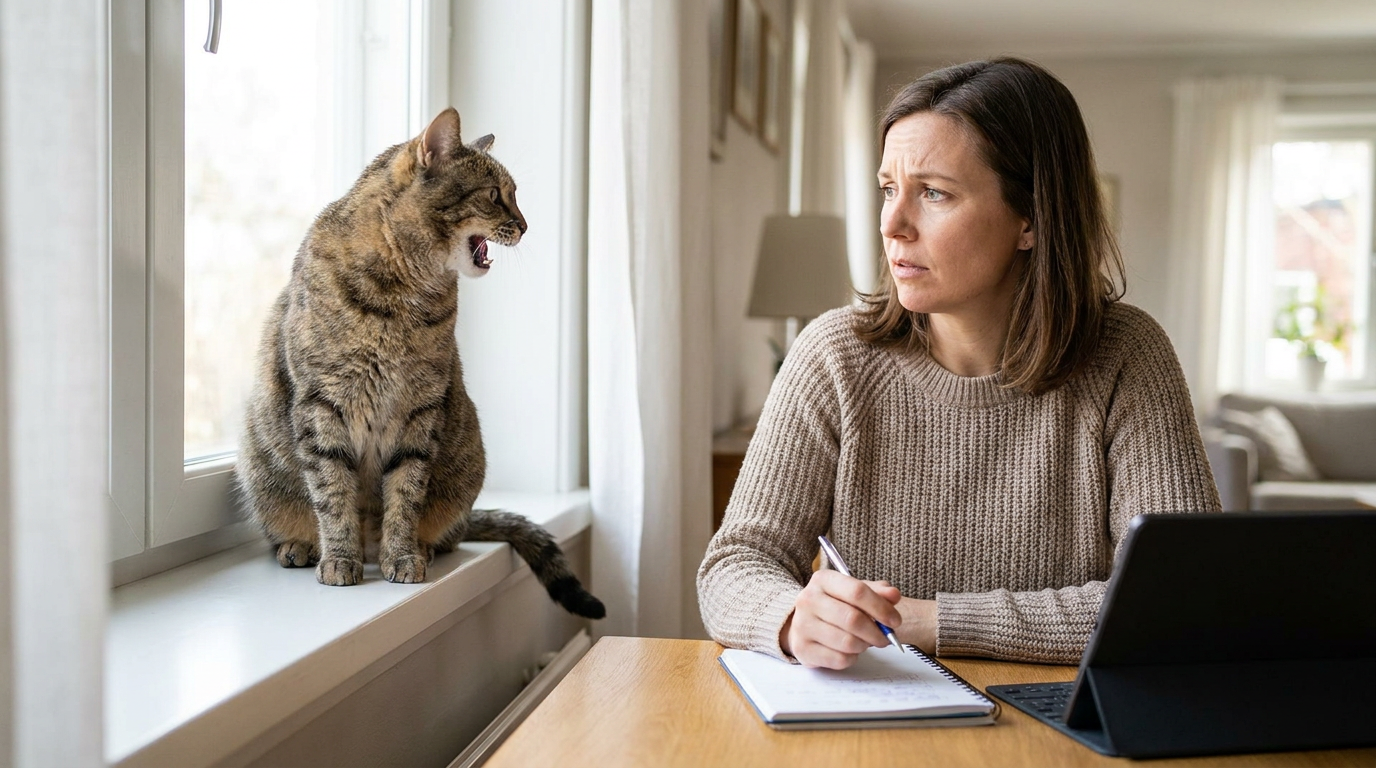
If you find yourself asking, Why Is My Cat Meowing So Much?, you are certainly not alone. Many pet parents notice a sudden shift in their cat's vocal habits, ranging from persistent chirping during the day to disruptive crying at night. While some cats are naturally more talkative than others, an increase in feline vocalization often serves as a primary clue that your companion is trying to communicate an unmet need or an underlying health concern.
Understanding Why Is My Cat Meowing So Much? requires looking at the bigger picture of your cat's daily life. Common triggers can range from simple boredom and hunger to more complex issues like stress, pain, or even age-related cognitive changes. Because cats are masters at masking discomfort, excessive meowing should never be dismissed as just a personality quirk. Whether it is a hunger-driven request for food or a sign of an illness like hyperthyroidism, identifying the root cause is essential for your cat's well-being. If your cat's behavior has changed suddenly, our licensed veterinarians are available for a virtual consultation to help you triage these symptoms from the comfort of your home for just $64.99.
Normal Cat Meowing vs Excessive Meowing
Distinguishing between typical feline chatter and excessive meowing is vital for every pet parent. Normal vocalization is a cat's way of greeting you, requesting play, or expressing mild interest in their environment. These sounds are usually brief, situational, and stop once the interaction or need is satisfied. When you find yourself asking, Why Is My Cat Meowing So Much?, look for patterns that deviate from your pet's baseline.
Abnormal vocalization is often persistent, repetitive, or occurs at inappropriate hours, such as cat meowing at night . While a hungry cat may vocalize for dinner, a cat in pain or suffering from cognitive decline often exhibits a frantic or distressed tone that does not cease with standard attention. If you are wondering Why Is My Cat Meowing So Much?, consider whether the behavior is a sudden change or a gradual escalation. Monitoring the frequency, volume, and context of these sounds provides essential data for a professional veterinary consultation. By documenting these episodes, you help our experts determine if the cause is behavioral or a sign of underlying health issues like hyperthyroidism in cats or pain or discomfort .
Common Reasons Cats Meow More Than Usual
When you ask, Why Is My Cat Meowing So Much?, you are often looking at a mix of environmental and physical triggers. Cats frequently vocalize to signal they are hungry or that their daily routine has been disrupted, such as a change in feeding times. Attention-seeking behavior is another common culprit, especially if your cat has learned that noise results in interaction or treats. However, environmental stressors like moving houses, new pets, or loud noises can also trigger vocalization. If you are wondering, Why Is My Cat Meowing So Much?, consider if your cat is experiencing physical pain, which can cause restlessness, or if they are in a heat cycle, which leads to intense, repetitive crying. Senior cats may also suffer from cognitive dysfunction, leading to confusion and nighttime vocalizing. Because these behaviors often overlap with serious health conditions, observing your cat's specific patterns is key. If the vocalization is paired with lethargy or hiding, it is time to seek professional guidance. Our non-profit platform allows you to connect with a licensed veterinarian for a virtual consultation for just $64.99 to determine if your cat needs urgent care.
Medical Causes Behind Persistent Vocalization
When you find yourself asking, Why Is My Cat Meowing So Much?, it is crucial to consider that persistent vocalization often stems from underlying medical conditions rather than just personality. For instance, hyperthyroidism in cats is a common endocrine disorder that frequently causes increased energy, restlessness, and excessive, demanding meowing. Because this condition accelerates your cat's metabolism, they may feel constantly hungry or agitated, leading to vocal outbursts that seem out of character.
Beyond metabolic issues, pain or discomfort is a frequent trigger for vocalization. Cats are naturally stoic, but chronic conditions like arthritis or dental disease can cause them to cry out, especially when moving or attempting to sleep. If you notice your pet is sensitive to touch or reluctant to jump, these are physical red flags. You might also observe vocalization as a response to internal distress, such as urinary tract inflammation. If you are still wondering, Why Is My Cat Meowing So Much?, our licensed veterinarians can help you differentiate between behavioral habits and medical emergencies. Booking a virtual consultation for $64.99 allows our team to observe your cat in their home environment, providing a professional assessment that avoids the stress of a clinic visit.
Why Your Cat Is Crying at Night
If you find yourself asking, Why Is My Cat Meowing So Much? during the quiet hours, you are witnessing a common form of nocturnal restlessness. Cats are naturally crepuscular, meaning they are most active at dawn and dusk, but sudden crying at night often signals a disruption in their internal clock or environment. This behavior is frequently linked to cognitive dysfunction in older pets, where confusion leads to disorientation in the dark. Alternatively, your cat may simply be bored if they lack sufficient stimulation during the day. When you wonder, Why Is My Cat Meowing So Much?, consider if your cat is pacing or seems unable to settle. This vocalization is their way of expressing frustration or anxiety . To better understand these nighttime episodes, try recording the sounds or timing the frequency of the calls. If this pattern is new, it is vital to rule out medical issues through a professional veterinary consultation. Our platform offers an affordable way to discuss these concerns with a licensed expert for just $64.99, ensuring your cat receives the care they need without the stress of an emergency clinic visit.
How to Document Your Cat's Behavior
When you find yourself asking Why Is My Cat Meowing So Much?, capturing clear video evidence is the most effective way to help a veterinarian diagnose the issue. Since cats often mask symptoms during stressful clinic visits, a virtual consultation allows a professional to observe your pet in their natural, comfortable environment. Before your appointment, record short clips of the behavior, ideally capturing the cat's body language, the time of day, and any specific triggers like food preparation or environmental noises.
These videos provide vital context that a static physical exam might miss. For instance, documenting how your cat moves or interacts during a vocal episode can reveal signs of pain or discomfort that are otherwise invisible. If you are still wondering Why Is My Cat Meowing So Much?, our licensed experts can review this footage to determine if the behavior requires a change in routine or medical intervention. By preparing this evidence, you make your session more efficient and actionable. You can easily share these clips during your RexVet video call, ensuring you get the right guidance for just $64.99.
When to Seek Professional Veterinary Guidance
When you find yourself asking, Why Is My Cat Meowing So Much?, it is essential to prioritize your pet's safety by identifying potential red flags. While vocalization is often behavioral, certain physical symptoms indicate an urgent need for medical intervention. If your cat shows signs of trouble urinating, such as straining in the litter box or vocalizing while attempting to go, this is a medical emergency that requires immediate attention.
Other warning signs include sudden weakness, lethargy, hiding in unusual places, or a complete refusal to eat. These behaviors often signal underlying illness or acute pain that goes beyond simple attention-seeking. If your cat is panting or struggling to breathe, do not wait to seek help. Because cats are experts at hiding discomfort, even subtle changes in their baseline behavior warrant a professional assessment. If you are ever unsure about the severity of these signs, our licensed veterinarians are available for a virtual consultation to help you triage these symptoms from the safety of your home for just $64.99. Understanding Why Is My Cat Meowing So Much? starts with recognizing when your pet is in distress and requires expert care.
Get Affordable Support from RexVet
When you find yourself asking Why Is My Cat Meowing So Much?, it is natural to feel overwhelmed. Connecting with a licensed veterinarian for remote triage is a highly effective way to determine if your pet needs an urgent in-person visit or if you can manage the situation from home. Our non-profit platform specializes in these exact scenarios, providing professional guidance without the stress of a carrier or a crowded clinic lobby.
By choosing a virtual consultation, you allow a vet to observe your cat in their familiar environment, which often yields more accurate insights into behavioral versus medical triggers. If you are still wondering Why Is My Cat Meowing So Much?, our team can help you identify specific warning signs like changes in appetite, litter box habits, or activity levels. We aim to make expert veterinary advice accessible to every pet owner. If your cat’s vocalization has changed suddenly, ask a licensed vet online for $64.99. This affordable, 24/7 service ensures you have the support you need to keep your companion healthy and happy, all while avoiding unnecessary emergency room costs.
Frequently Asked Questions
Why is my cat meowing at night?
When you ask, Why Is My Cat Meowing So Much? at night, it often points to boredom, an altered sleep cycle, or hunger. Cats are naturally crepuscular, meaning they are most active at dawn and dusk. If your cat cries at night, try providing more interactive play before bed to burn off energy. However, if this is a new behavior, it could indicate discomfort or a medical issue like hyperthyroidism, which requires professional triage.
Why is my cat suddenly meowing a lot?
A sudden change in vocalization is a significant clue. If you are wondering, Why Is My Cat Meowing So Much? all of a sudden, consider recent environmental stressors like a new pet, a move, or a change in routine. If the behavior persists, it may signal underlying pain or illness. Because cats often hide symptoms of disease, a virtual veterinary consultation is an affordable way to determine if you need an in-person exam.
Can pain make cats vocalize?
Yes, pain is a common reason for excessive vocalization. If you find yourself asking, Why Is My Cat Meowing So Much?, it is important to rule out physical discomfort. Cats suffering from arthritis, dental issues, or urinary tract infections may cry out. If you notice your cat hiding, not eating, or showing signs of weakness alongside the meowing, please seek professional veterinary guidance immediately to ensure their safety and comfort.
Should I worry if my senior cat meows more?
Senior cats often experience cognitive dysfunction or age-related confusion, which can lead to increased vocalization, especially at night. If you are concerned about Why Is My Cat Meowing So Much? in their golden years, it is best to consult a veterinarian. We can help you distinguish between normal aging processes and treatable conditions like high blood pressure or kidney disease, ensuring your senior companion remains comfortable.
How can a virtual vet help with excessive meowing?
A virtual vet visit is an excellent first step when you are unsure Why Is My Cat Meowing So Much?. Through a secure video call, our licensed veterinarians can observe your cat's behavior in their home environment, which is often less stressful than a clinic. We can help you triage the symptoms, provide guidance on whether the behavior is behavioral or medical, and recommend the next best steps for your pet's health.
FAQs
Why is my cat meowing at night?
When you ask, why is my cat meowing so much at night, it often points to boredom, an altered sleep cycle, or hunger. Cats are naturally crepuscular, meaning they are most active at dawn and dusk. If your cat cries at night, try providing more interactive play before bed to burn off energy. However, if this is a new behavior, it could indicate discomfort or a medical issue like hyperthyroidism, which requires professional triage.
Why is my cat suddenly meowing a lot?
A sudden change in vocalization is a significant clue. If you are wondering, why is my cat meowing so much all of a sudden, consider recent environmental stressors like a new pet, a move, or a change in routine. If the behavior persists, it may signal underlying pain or illness. Because cats often hide symptoms of disease, a virtual veterinary consultation is an affordable way to determine if you need an in-person exam.
Can pain make cats vocalize?
Yes, pain is a common reason for excessive vocalization. If you find yourself asking, why is my cat meowing so much, it is important to rule out physical discomfort. Cats suffering from arthritis, dental issues, or urinary tract infections may cry out. If you notice your cat hiding, not eating, or showing signs of weakness alongside the meowing, please seek professional veterinary guidance immediately to ensure their safety and comfort.
Should I worry if my senior cat meows more?
Senior cats often experience cognitive dysfunction or age-related confusion, which can lead to increased vocalization, especially at night. If you are concerned about why is my cat meowing so much in their golden years, it is best to consult a veterinarian. We can help you distinguish between normal aging processes and treatable conditions like high blood pressure or kidney disease, ensuring your senior companion remains comfortable.
How can a virtual vet help with excessive meowing?
A virtual vet visit is an excellent first step when you are unsure why is my cat meowing so much. Through a secure video call, our licensed veterinarians can observe your cat's behavior in their home environment, which is often less stressful than a clinic. We can help you triage the symptoms, provide guidance on whether the behavior is behavioral or medical, and recommend the next best steps for your pet's health.
Medically Reviewed
Reviewed by Dr. Tiffany Delacruz, DVM — licensed veterinarian and CEO of RexVet. Last reviewed June 15, 2026.
Content is for informational purposes and does not replace professional veterinary advice.
Chief Executive Officer · Licensed Veterinarian
Dr. Delacruz is a licensed Doctor of Veterinary Medicine specializing in preventive care and veterinary telehealth. She reviews all health content on RexVet to ensure accuracy and clinical relevance.
Sources & References
- · American Veterinary Medical Association — Telehealth Guidelines
- · AVMA — Pet Care Resources
- · U.S. FDA — Animal & Veterinary
Need an Expert Opinion on This Topic?
Connect with a certified vet via video call in minutes
Talk to Vet Now