
Pet First Aid Kit Checklist: What Every Dog and Cat Owner Should Have
By RexVet Team | Reviewed by Dr. Tiffany Delacruz, DVM
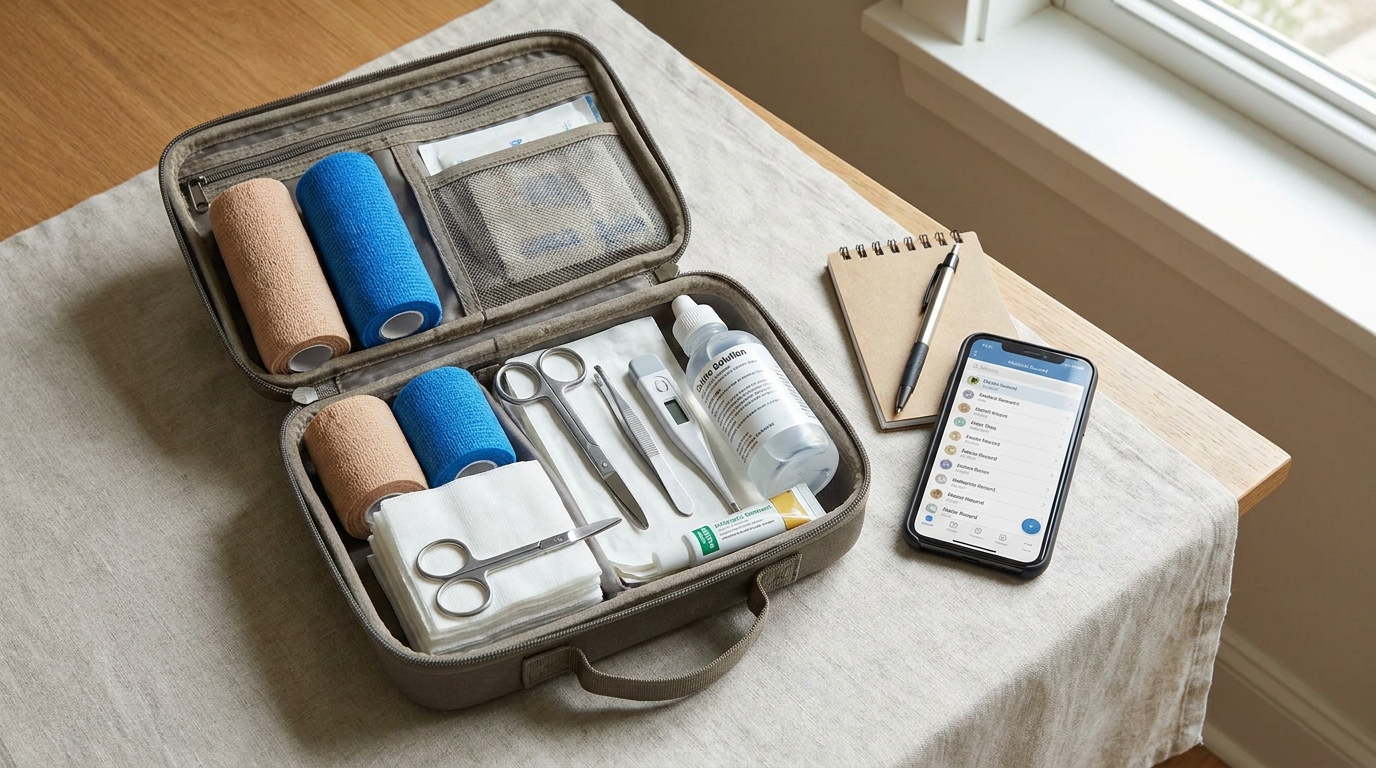
As a dedicated pet parent, being prepared for the unexpected is one of the most compassionate choices you can make. Whether you are dealing with a minor scrape or a sudden health concern, having a Pet First Aid Kit Checklist is your first line of defense. This proactive approach ensures you are never caught off guard when your furry companion needs help the most.
By maintaining a well-stocked kit, you gain the peace of mind that comes with being ready for home emergencies or travel mishaps. Following a comprehensive Pet First Aid Kit Checklist allows you to manage minor issues effectively while knowing exactly when to seek professional guidance. Remember, while these supplies are essential for support, they are never a substitute for urgent veterinary care in cases of severe bleeding, poisoning , or breathing difficulties. As a non-profit telehealth platform, RexVet is here to help you navigate those critical moments. You can keep RexVet as part of your pet care plan and ask a licensed vet online for $64.99 to ensure your pet gets the expert advice they deserve.
Why Every Pet Owner Needs a First Aid Kit
Pet First Aid Kit Checklist
Why Every Pet Owner Should Have a First Aid Kit
Emergencies rarely provide a warning, making a Pet First Aid Kit Checklist an essential component of responsible pet guardianship. Statistics show that nearly 60% of pet owners will encounter a minor injury or health scare at home that requires immediate stabilization. By maintaining a dedicated kit, you transform from a panicked bystander into a calm, effective caregiver capable of managing situations until professional help arrives.
This proactive strategy is not just about having supplies; it is about readiness. A Pet First Aid Kit Checklist empowers you to address small wounds or discomforts quickly, preventing minor issues from escalating into expensive, stressful after-hours clinic visits. While your kit provides the tools for initial support, remember that it is a bridge to care, not a replacement for veterinary expertise. When seconds count, having your supplies organized alongside a clear plan for virtual triage ensures you are never navigating a crisis alone. Preparation is the ultimate act of love for your companion.
Basic Supplies to Include in Your Kit
When assembling your Pet First Aid Kit Checklist, focus on items that allow for safe handling and initial stabilization. Start with gauze pads and self-adhering bandages, which are essential for controlling minor bleeding without sticking to your pet's fur. A digital thermometer is vital for monitoring temperature, while antiseptic solution helps clean small abrasions before they become infected. Including tweezers allows for the safe removal of thorns or debris, and a saline rinse is perfect for flushing eyes or minor wounds. Always pack a pair of protective gloves to keep the area sterile.
Beyond physical tools, your Pet First Aid Kit Checklist must include documentation. Digital copies of pet medical records are highly effective, but keeping a printed emergency contact list ensures you have your vet's information during power outages. Remember, these supplies are for support, not for treating serious emergencies. Once you have stabilized your pet, the best next step is using RexVet to consult a licensed vet online for $64.99, ensuring your pet receives professional guidance immediately.
Gauze, Bandages, and Wound Care Essentials
When managing minor injuries, your Pet First Aid Kit Checklist serves as a vital resource for stabilization. Proper wound care requires specific materials to prevent infection and promote healing. You should stock sterile gauze pads of various sizes to absorb fluids and self-adhering bandages that provide support without sticking to your pet's fur. Always include an antiseptic solution, such as dilute povidone-iodine or chlorhexidine, to gently cleanse debris from scrapes before covering them.
Using the right tools is essential for safety. For instance, if a pet has a minor paw pad cut, applying pressure with a gauze pad is the first step. However, if bleeding persists or the wound appears deep, you must seek professional veterinary care immediately. A Pet First Aid Kit Checklist is designed for temporary support while you assess the situation. After providing initial care, you can use RexVet to connect with a licensed veterinarian online for $64.99. This allows you to share photos of the injury, ensuring you receive expert guidance on whether further treatment is necessary, keeping your pet safe and comfortable at home.
Tools for Monitoring and Managing Health
Beyond basic bandages, your Pet First Aid Kit Checklist must include precise instruments for monitoring vitals and removing foreign objects. A digital thermometer is an indispensable tool, as recognizing a fever or hypothermia early can be the difference between a minor concern and a medical crisis. Always use a dedicated pet thermometer rectally, as ear readings are often imprecise for our companions. Similarly, high-quality tweezers are essential for extracting ticks, glass shards, or thorns that may cause localized inflammation.
When you assemble your Pet First Aid Kit Checklist, consider these specialized tools to ensure you are ready for common household accidents:
Tool | Primary Purpose |
|---|---|
Digital Thermometer | Tracking body temperature during illness |
Fine-Point Tweezers | Safe removal of debris or parasites |
Blunt-Tip Scissors | Trimming fur around sensitive wounds |
Flashlight | Illuminating hard-to-see injury sites |
While these instruments provide utility, they are only as effective as your ability to interpret the findings. If you observe abnormal temperatures or cannot safely remove a foreign object, do not hesitate to reach out. Keep RexVet as part of your pet care plan and ask a licensed vet online for $64.99 to get professional guidance on how to proceed safely.
Digital Records and Emergency Contact Access
Beyond physical tools, your Pet First Aid Kit Checklist must prioritize digital accessibility for your pet's medical history. Modern pet care relies on data, and having instant access to your animal's vaccination status, existing health conditions, and current medication dosages can save precious minutes during a crisis. Instead of fumbling with loose papers, store digital records on your smartphone or within the secure portal of your telehealth provider. This ensures that when you connect with a professional, you can provide an accurate history immediately.
Integrating these digital habits into your Pet First Aid Kit Checklist creates a seamless bridge between home care and clinical intervention. By maintaining an updated list of emergency contacts, including your primary veterinarian and local 24-hour clinics, you eliminate guesswork when stress levels are high. Remember that a Pet First Aid Kit Checklist is truly complete only when it pairs these resources with 24/7 expert support. Keep RexVet as part of your pet care plan and ask a licensed vet online for $64.99 to ensure you always have professional guidance at your fingertips.
Items to Avoid Without Veterinary Guidance
When assembling your Pet First Aid Kit Checklist, it is vital to understand that human medications are often dangerous for pets. Many common household pills, such as ibuprofen, acetaminophen, or aspirin, can cause severe organ failure, internal bleeding, or even death in dogs and cats. Even topical ointments meant for humans may contain ingredients that are toxic if your pet licks them off.
Never attempt to treat symptoms like vomiting, lethargy, or pain with leftover human medicine. Instead, treat your Pet First Aid Kit Checklist as a collection of stabilization tools only. If your pet appears unwell, the safest course of action is to consult a professional. Keep RexVet as part of your pet care plan and ask a licensed vet online for $64.99 to get accurate, species-specific guidance. Relying on expert advice instead of guessing with human drugs prevents accidental poisoning and ensures your pet receives the correct care for their specific condition.
When to Consult an Online Vet First
Knowing when to consult an online vet is a critical skill for any pet owner using a Pet First Aid Kit Checklist. Triage is the process of deciding which issues can be managed at home and which require immediate professional attention. For example, if your pet has a minor superficial scratch, you might clean it with saline, but persistent lethargy or loss of appetite requires a professional opinion. By using a Pet First Aid Kit Checklist, you can provide initial comfort while waiting for expert guidance.
Data shows that nearly 40% of emergency visits could be managed or stabilized via virtual consultation, saving owners significant stress and expense. If you notice symptoms like mild diarrhea, localized skin irritation, or minor limping, these are perfect scenarios for a virtual assessment. However, always prioritize professional input for anything involving breathing, seizures, or trauma. Keep RexVet as part of your pet care plan and ask a licensed vet online for $64.99 to determine the best path forward for your companion's specific health needs.
Recognizing When You Cannot Wait
While a Pet First Aid Kit Checklist is vital for minor scrapes, certain situations demand immediate, in-person veterinary intervention. Recognizing these red flags can save your pet's life. If you notice signs of respiratory distress, such as blue-tinged gums, rapid shallow breathing, or gasping, skip the home care and head to an emergency clinic immediately. Similarly, if your pet experiences a seizure lasting longer than three minutes, or multiple seizures in a row, they require urgent clinical stabilization.
Other critical indicators include uncontrolled bleeding that does not stop after five minutes of firm pressure, signs of severe poisoning like sudden collapse or tremors, and obvious bone fractures. Do not attempt to splint a suspected break at home, as this can cause further injury. A Pet First Aid Kit Checklist is a support tool, not an emergency room substitute. If you are ever unsure, keep RexVet as part of your pet care plan and ask a licensed vet online for $64.99 to confirm if your situation requires an immediate trip to the hospital.
Using RexVet for Immediate Support
When you encounter a pet health concern, having a Pet First Aid Kit Checklist is only the first step. While your kit provides essential tools for stabilization, you should never feel like you are navigating a health crisis alone. RexVet offers a reliable bridge between your home supplies and professional veterinary care. By utilizing our virtual platform, you can consult with a licensed veterinarian who will review your pet's symptoms and advise whether your home-based care is sufficient or if an immediate clinic visit is required.
Integrating RexVet into your Pet First Aid Kit Checklist ensures you have expert support at your fingertips 24/7. Our non-profit model focuses on accessibility, providing peace of mind for just $64.99 per consultation. This cost-effective approach helps you avoid unnecessary emergency room trips while ensuring your pet receives the professional attention they need. Keep RexVet as part of your pet care plan and ask a licensed vet online for $64.99 to ensure your pet gets the expert advice they deserve.
Maintaining Your Kit for Long-Term Readiness
Maintaining your Pet First Aid Kit Checklist requires more than just initial assembly; it demands regular audits to ensure every item remains safe and effective. Many essential supplies, such as antiseptic solutions, saline rinses, and sterile gauze pads, possess expiration dates that can compromise their integrity over time. Using expired products on a sensitive wound can introduce bacteria or fail to provide the necessary protection, potentially worsening an injury.
We recommend conducting a thorough review of your supplies every six months. Check for compromised packaging, dried-out wipes, or medications that have passed their shelf life. When you perform this routine check, you are also reinforcing your readiness, which is a key component of the Pet First Aid Kit Checklist. If you discover outdated items, replace them promptly to keep your safety net functional. Should you ever feel uncertain about the shelf life of a specific product or how to store your kit properly, keep RexVet as part of your pet care plan and ask a licensed vet online for $64.99 to receive professional, expert guidance.
Frequently Asked Questions
What items are essential for a basic pet first aid kit?
A comprehensive pet first aid kit should include items to stabilize your pet until you can seek professional care. Key essentials include gauze pads for wound cleaning, a self-adhering bandage, a digital thermometer for checking temperatures, and an antiseptic solution. Additionally, keep a copy of your pet's medical records and your emergency contact list handy. Remember, these supplies are for initial support, and you should always consult a licensed veterinarian via a platform like RexVet if you are unsure about your pet's condition.
Can I use human first aid supplies on my dog or cat?
While some items like gauze, towels, and gloves are safe to use, you must be extremely cautious with medications. Many common human over-the-counter drugs are toxic to pets. Never administer human pain relievers or ointments without explicit guidance from a vet. When building your pet first aid kit, focus on physical barrier supplies like bandages rather than medications. If you have questions about what is safe, our team at RexVet can provide clear, professional advice for just $64.99.
Should I keep my pet's medical records in the first aid kit?
Yes, keeping a physical copy of your pet's medical history, vaccination records, and a list of current medications is a best practice for any pet emergency kit. However, in today's digital age, you can also rely on the secure medical record management provided by RexVet. Having these details ready allows a virtual vet to assess your pet's health status much faster, ensuring they receive the correct triage advice during an urgent situation.
When should I consult an online vet instead of going to an emergency clinic?
An online vet is an excellent first step for non-emergency health concerns, such as minor scrapes, skin irritations, or digestive upsets. If your pet is stable but showing symptoms that worry you, a virtual consultation can save you a stressful trip to the clinic. However, if your pet is experiencing severe bleeding, difficulty breathing, or seizures, skip the wait and go directly to an emergency animal hospital. When in doubt, use RexVet to get a professional triage assessment quickly.
How often should I check and update my pet emergency kit?
You should review your pet first aid kit at least twice a year. Check for expired supplies, such as saline rinses or antiseptic solutions, and replace them as needed. Ensure that your emergency contact list is up to date with the latest phone numbers for your local emergency vet and the RexVet service. Keeping your kit organized and current ensures that you are not scrambling to find usable supplies during a high-stress moment.
What is the best way to handle a sudden pet injury at home?
Stay calm and ensure your own safety first, as an injured pet may bite out of fear. Use your pet first aid kit to apply gentle pressure to bleeding wounds using clean gauze. Do not attempt to self-treat deep lacerations or fractures. After stabilizing the area, contact a professional immediately. Using a service like RexVet allows you to show a vet the injury via video call, helping you decide if you need to head to an emergency clinic or if home care is appropriate.
FAQs
What items are essential for a basic pet first aid kit?
A comprehensive pet first aid kit should include items to stabilize your pet until you can seek professional care. Key essentials include gauze pads for wound cleaning, a self-adhering bandage, a digital thermometer for checking temperatures, and an antiseptic solution. Additionally, keep a copy of your pet's medical records and your emergency contact list handy. Remember, these supplies are for initial support, and you should always consult a licensed veterinarian via a platform like RexVet if you are unsure about your pet's condition.
Can I use human first aid supplies on my dog or cat?
While some items like gauze, towels, and gloves are safe to use, you must be extremely cautious with medications. Many common human over-the-counter drugs are toxic to pets. Never administer human pain relievers or ointments without explicit guidance from a vet. When building your pet first aid kit, focus on physical barrier supplies like bandages rather than medications. If you have questions about what is safe, our team at RexVet can provide clear, professional advice for just $64.99.
Should I keep my pet's medical records in the first aid kit?
Yes, keeping a physical copy of your pet's medical history, vaccination records, and a list of current medications is a best practice for any pet emergency kit. However, in today's digital age, you can also rely on the secure medical record management provided by RexVet. Having these details ready allows a virtual vet to assess your pet's health status much faster, ensuring they receive the correct triage advice during an urgent situation.
When should I consult an online vet instead of going to an emergency clinic?
An online vet is an excellent first step for non-emergency health concerns, such as minor scrapes, skin irritations, or digestive upsets. If your pet is stable but showing symptoms that worry you, a virtual consultation can save you a stressful trip to the clinic. However, if your pet is experiencing severe bleeding, difficulty breathing, or seizures, skip the wait and go directly to an emergency animal hospital. When in doubt, use RexVet to get a professional triage assessment quickly.
How often should I check and update my pet emergency kit?
You should review your pet first aid kit at least twice a year. Check for expired supplies, such as saline rinses or antiseptic solutions, and replace them as needed. Ensure that your emergency contact list is up to date with the latest phone numbers for your local emergency vet and the RexVet service. Keeping your kit organized and current ensures that you are not scrambling to find usable supplies during a high-stress moment.
What is the best way to handle a sudden pet injury at home?
Stay calm and ensure your own safety first, as an injured pet may bite out of fear. Use your pet first aid kit to apply gentle pressure to bleeding wounds using clean gauze. Do not attempt to self-treat deep lacerations or fractures. After stabilizing the area, contact a professional immediately. Using a service like RexVet allows you to show a vet the injury via video call, helping you decide if you need to head to an emergency clinic or if home care is appropriate.
Medically Reviewed
Reviewed by Dr. Tiffany Delacruz, DVM — licensed veterinarian and CEO of RexVet. Last reviewed June 17, 2026.
Content is for informational purposes and does not replace professional veterinary advice.
Chief Executive Officer · Licensed Veterinarian
Dr. Delacruz is a licensed Doctor of Veterinary Medicine specializing in preventive care and veterinary telehealth. She reviews all health content on RexVet to ensure accuracy and clinical relevance.
Sources & References
- · American Veterinary Medical Association — Telehealth Guidelines
- · AVMA — Pet Care Resources
- · U.S. FDA — Animal & Veterinary
Need an Expert Opinion on This Topic?
Connect with a certified vet via video call in minutes
Talk to Vet Now