
Online Vet for Aggressive Dogs: Can Yours Be Seen at Home?
By RexVet Team | Reviewed by Dr. Tiffany Delacruz, DVM
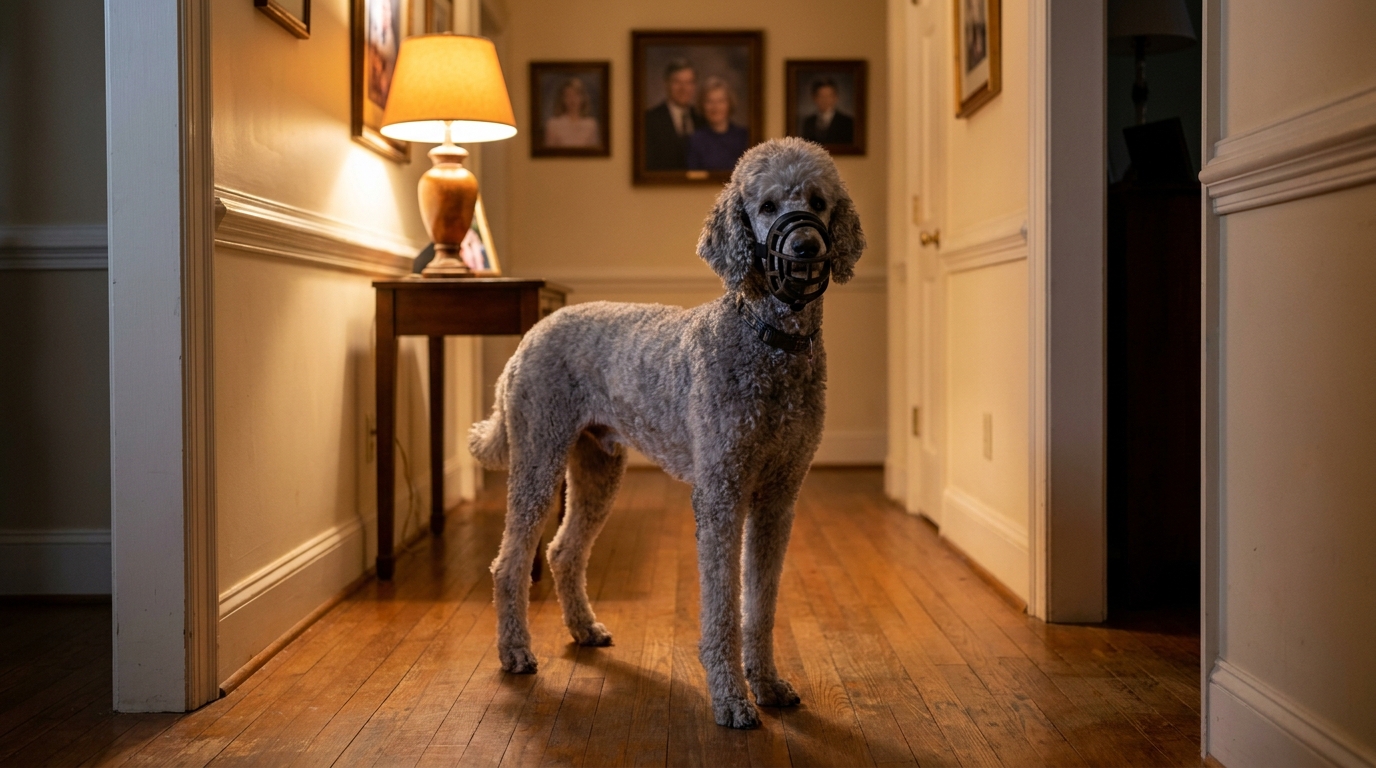
Yes: a vet licensed in FL, NY or VA can assess an aggressive or reactive dog by video while it stays calm at home, then say what still needs a clinic.
If your dog is collapsing, struggling to breathe, bleeding heavily, seizing, bloated, unable to urinate, overheated, has swallowed something toxic, or is actively attacking a person or another animal right now, go to an in-person emergency vet immediately; a video visit cannot treat any of that.
If your dog is easy at home and a different animal in a waiting room, you know the pattern: routine care gets postponed, and an itchy ear waits until it is a bigger problem. An online vet for aggressive dogs is a way to get that separate, non-emergency problem looked at by a licensed veterinarian while your dog stays on its own bed.
To be clear about scope: this is a calm medical assessment for a dog that cannot be handled at the clinic and has a separate, non-emergency problem; it is not behavior therapy. A dog that is biting or threatening people in its own household needs an in-person exam and a referral to a veterinary behaviorist, and RexVet's veterinarians can help you plan how to get there safely.
Why the clinic itself is the problem for a reactive or aggressive dog
The Cornell Riney Canine Health Center describes reactive dogs as dogs that become overly aroused by ordinary things; they "may lunge, bark and growl" and get so caught up in the trigger that they are hard to move away from it. Cornell's next point is the one to hold onto: "A reactive dog is usually a fearful dog."
The Merck Veterinary Manual says the same about aggression in general: "Fear causes most types of aggression." A clinic stacks the triggers: strange people, other dogs, slippery floors, a small closed room, hands reaching for the sore spot. A dog that feels cornered may lunge, growl or snap to put distance between itself and what it fears. That is not badness; it is a frightened dog with nowhere to go.
For owners in Florida, New York and Virginia whose dog has been muzzled, sedated or turned away, the obstacle is the clinic environment, not the dog's ability to be assessed.
What an online vet for aggressive dogs can actually do
The 2021 AAHA/AVMA Telehealth Guidelines note that live video "provides the ability to see an animal's environment when needed (behavioral assessments)", and they list behavioral consults among the services a practice can consider offering by telehealth. The guidelines are honest about the limits too: "Pets may not be immediately cooperative." A vet doing a virtual vet visit for a reactive dog plans around that.
On camera, the veterinarian can watch:
- how your dog walks, turns, sits and gets up when nobody is restraining it;
- the skin and coat: a hot spot, a rash, or a patch you part the fur to show;
- the outside of the ear flap and opening, plus any head shaking or scratching;
- breathing pattern at rest;
- stool, in a photo or a short clip;
- appetite, thirst and energy, from your description.
The veterinarian also takes a full history. RexVet's veterinarians are licensed in Florida, New York and Virginia, and care is limited to pet parents in those three states.
Problems that suit a video visit when your dog cannot be handled
The complaints that suit an online vet for aggressive dogs are everyday ones:
- ear scratching and head shaking;
- itchy skin and hot spots;
- soft stool or diarrhea in a dog that is otherwise bright;
- a mild limp with no obvious wound;
- a change in appetite or thirst;
- a question about a medication the dog is already taking;
- a follow-up after a clinic visit the dog barely tolerated.
RexVet has separate guides to what an online vet for dogs can review and to follow-up questions that do not need another clinic visit. On medication: if the veterinarian decides medication is appropriate, they can prescribe where state rules allow.
Is the aggression itself a medical problem?
Sometimes, yes. Merck describes pain aggression as a defensive reaction that happens when a dog is in pain, and adds that organ dysfunction (kidney or liver), neurologic diseases and hormonal disorders of the adrenal, sex or thyroid glands can also lead to aggression. Merck's conclusion: "This is why veterinarians rule out medical causes of aggression." The ASPCA tells owners the same: if your dog has an aggression problem, it is "crucial to take her to a veterinarian, before you do anything else, to rule out medical issues" that could cause or worsen the behavior.
The red flag is timing. New or sudden aggression, especially in an older or previously gentle dog, is a medical warning sign, not a training failure, and it needs in-person tests such as blood work or a neurologic exam.
The video visit cannot run those tests or diagnose the cause. It is the calm first step: the vet watches your dog move unrestrained, hears the history, and says which in-person tests come next and how urgently. The guide to how to tell if your dog is in pain lists the subtler signs worth mentioning on the call.
How to prepare your dog for a video visit
Think phone-first. Pick a quiet, well-lit room your dog likes, and have a second person hold the phone while you sit near the dog. When you book an appointment, record short clips beforehand: the walk, the ear from the outside, the skin patch with the fur parted, and the stool. Clips show the vet what the dog will not show near the phone.
Three rules that do not bend: never pry open your dog's mouth, never hold down or pin a dog that snaps, and never attempt any step you are not comfortable with. The vet works from what your dog tolerates.
A muzzle-trained dog may wear its basket muzzle during the call while you lift an ear flap or part the fur. VCA Animal Hospitals explains why the basket style is the right kind: "A properly fitted basket muzzle will allow the dog to open its mouth, pant, eat treats, and show body language signals – but will prevent a bite." The AAHA/AVMA guidelines acknowledge that pets are not always cooperative on camera, and the vet expects that.
Online vet vs in person: what still needs hands-on or sedated care
The honest list. A video visit cannot do any of these, and a RexVet veterinarian will say so if your dog needs one:
- palpating a painful belly;
- drawing blood;
- x-rays;
- scoping deep in the ear canal, or a deep ear cleaning;
- cleaning or closing a wound;
- vaccines;
- sedation for an exam the dog will not otherwise allow.
There is a legal limit as well. In Florida, a drug approved for human use or a controlled substance cannot be prescribed by telehealth without an in-person exam (Florida Statutes 474.2021). The video visit decides whether the clinic trip is needed at all, and if so, what it is for.
If your dog's problem is on the everyday list above, you can book a RexVet video visit now for $64.99. RexVet's veterinarians are available 24/7 and are licensed in Florida, New York and Virginia only. The visit is an assessment and a plan, not a promise of medication.
Medication questions in Florida, New York and Virginia
Florida Statutes 474.2021 allow a prescription based only on a telehealth evaluation for "up to 14 days of treatment for other animal drugs", and such prescriptions "may not be renewed without an in-person examination". The statute also bars prescribing a controlled substance, or a drug approved by the FDA for human use, by telehealth without an in-person exam. See the online vet in Florida page.
The Code of Virginia 54.1-3303 says the examination behind a veterinarian-client-patient relationship (the relationship a vet needs before prescribing) may be made "either physically or by the use of instrumentation and diagnostic equipment through which images and medical records may be transmitted electronically". See the online vet in Virginia page.
For New York, the veterinarian follows what New York currently allows; the online vet in New York page has the details.
In all three states: if the veterinarian decides medication is appropriate, they can prescribe where state rules allow. No dose and no drug is promised.
Muzzle training and low-stress handling between visits
A basket muzzle the dog is comfortable in widens its options: it can be examined and handled at the clinic without a bite. It is a kindness, not a punishment.
VCA's muzzle-training page lays out the steps: let your dog see and sniff the muzzle, then reward; gradually wait longer and longer before placing the treat inside the basket, so the dog puts its own nose in; then gradually build up the time the dog wears the muzzle, always paired with something good. VCA adds that "Muzzles can be helpful during certain behavior modification exercises, such as desensitization to being handled at the veterinary office."
A RexVet veterinarian can walk you through those steps and through low-stress handling for the medical exam; a full desensitization program belongs with the in-person team and, where needed, a veterinary behaviorist. See also remote behavioral guidance without a stressful clinic visit.
Getting a reactive dog ready for the in-person exam your vet says it needs
When the next step must be in person, the goal is a short, predictable visit. Cornell defines a trigger as whatever sets off your dog's dramatic reaction, and names strange people and other dogs as the classic ones; children are another for many dogs. Plan the day around avoiding those:
- ask for the first or last appointment of the day;
- wait in the car until the exam room is ready;
- ask whether there is a side entrance;
- bring a basket muzzle your dog is already comfortable wearing, and put it on in the car;
- bring the clips and notes from the video visit.
Ask the video vet what a pre-visit calming plan could look like and whether it must be arranged through the in-person clinic. If the veterinarian decides medication is appropriate, they can prescribe where state rules allow.
You do not have to keep putting the small things off because the big thing is so hard. You can book a video visit with a RexVet veterinarian for $64.99, 24/7; RexVet's veterinarians are licensed in Florida, New York and Virginia only. The vet will say what can be handled from home and how to get through the clinic visit when one is needed.
Frequently asked questions
Can an online vet see a dog that bites or lunges at the clinic?
Yes. Your dog stays home, so the fear that drives clinic aggression is not in the room, and the veterinarian can watch how it moves, breathes and behaves. If something needs hands-on care, the vet says so; short clips you record first cover the parts your dog will not let you film up close.
Will the online vet prescribe something to calm my dog before an in-person visit?
The visit does not promise calming medication. The vet can discuss what a pre-visit calming plan could involve and whether it must be arranged through an in-person clinic. In Florida, a controlled substance or a drug approved for human use cannot be prescribed by telehealth without an in-person exam, and telehealth-only prescriptions cannot be renewed without one. If the veterinarian decides medication is appropriate, they can prescribe where state rules allow.
What if my dog will not sit still or cooperate on camera?
That is expected, and the AAHA/AVMA telehealth guidelines say as much. Record the walk, the ear, the skin and the stool before the call so the vet has them even if your dog wanders off camera.
Could my dog's aggression be caused by pain or illness?
Yes. Merck notes that pain aggression is a defensive reaction, and that organ, neurologic and hormonal disorders can also lead to aggression, which is why medical causes are ruled out first. An ear infection or a sore leg can make a dog snap when touched. The video visit cannot run the tests, but it can decide which come next and how soon.
What happens if the online vet says my dog still needs a sedated in-person exam?
The vet says so plainly, explains what the clinic needs to do (blood work, x-rays, a deep ear cleaning), and helps you prepare with low-stress handling, timing and muzzle work. The video visit spares you a clinic trip when the problem can be assessed at home, and prepares you when it cannot.
Sources
- 2021 AAHA/AVMA Telehealth Guidelines for Small-Animal Practice
- Florida Statutes 474.2021: Veterinary telehealth (The Florida Senate)
- Code of Virginia 54.1-3303: Prescriptions to be issued and drugs to be dispensed for medical or therapeutic purposes only
- Merck Veterinary Manual: Behavior Problems in Dogs
- Cornell Riney Canine Health Center: Managing reactive behavior
- ASPCA: Aggression
- VCA Animal Hospitals: Muzzle Training for Dogs
FAQs
Can an online vet see a dog that bites or lunges at the clinic?
Yes. Your dog stays home, so the fear that drives clinic aggression is not in the room, and the veterinarian can watch how it moves, breathes and behaves. If something needs hands-on care, the vet says so; short clips you record first cover the parts your dog will not let you film up close.
Will the online vet prescribe something to calm my dog before an in-person visit?
The visit does not promise calming medication. The vet can discuss what a pre-visit calming plan could involve and whether it must be arranged through an in-person clinic. In Florida, a controlled substance or a drug approved for human use cannot be prescribed by telehealth without an in-person exam, and telehealth-only prescriptions cannot be renewed without one. If the veterinarian decides medication is appropriate, they can prescribe where state rules allow.
What if my dog will not sit still or cooperate on camera?
That is expected, and the AAHA/AVMA telehealth guidelines say as much. Record the walk, the ear, the skin and the stool before the call so the vet has them even if your dog wanders off camera.
Could my dog's aggression be caused by pain or illness?
Yes. Merck notes that pain aggression is a defensive reaction, and that organ, neurologic and hormonal disorders can also lead to aggression, which is why medical causes are ruled out first. An ear infection or a sore leg can make a dog snap when touched. The video visit cannot run the tests, but it can decide which come next and how soon.
What happens if the online vet says my dog still needs a sedated in-person exam?
The vet says so plainly, explains what the clinic needs to do (blood work, x-rays, a deep ear cleaning), and helps you prepare with low-stress handling, timing and muzzle work. The video visit spares you a clinic trip when the problem can be assessed at home, and prepares you when it cannot.
Sources
- 2021 AAHA/AVMA Telehealth Guidelines for Small-Animal Practice
- Florida Statutes 474.2021: Veterinary telehealth (The Florida Senate)
- Code of Virginia 54.1-3303: Prescriptions to be issued and drugs to be dispensed for medical or therapeutic purposes only
- Merck Veterinary Manual: Behavior Problems in Dogs
- Cornell Riney Canine Health Center: Managing reactive behavior
- ASPCA: Aggression
- VCA Animal Hospitals: Muzzle Training for Dogs
Medically Reviewed
Reviewed by Dr. Tiffany Delacruz, DVM — licensed veterinarian and CEO of RexVet. Last reviewed September 19, 2026.
Content is for informational purposes and does not replace professional veterinary advice.
Chief Executive Officer · Licensed Veterinarian
Dr. Delacruz is a licensed Doctor of Veterinary Medicine specializing in preventive care and veterinary telehealth. She reviews all health content on RexVet to ensure accuracy and clinical relevance.
Sources & References
- · American Veterinary Medical Association — Telehealth Guidelines
- · AVMA — Pet Care Resources
- · U.S. FDA — Animal & Veterinary
Need an Expert Opinion on This Topic?
Connect with a certified vet via video call in minutes
Talk to Vet Now