
Dog Ate Acorns and Is Throwing Up: What to Do Now
By RexVet Team | Reviewed by Dr. Tiffany Delacruz, DVM
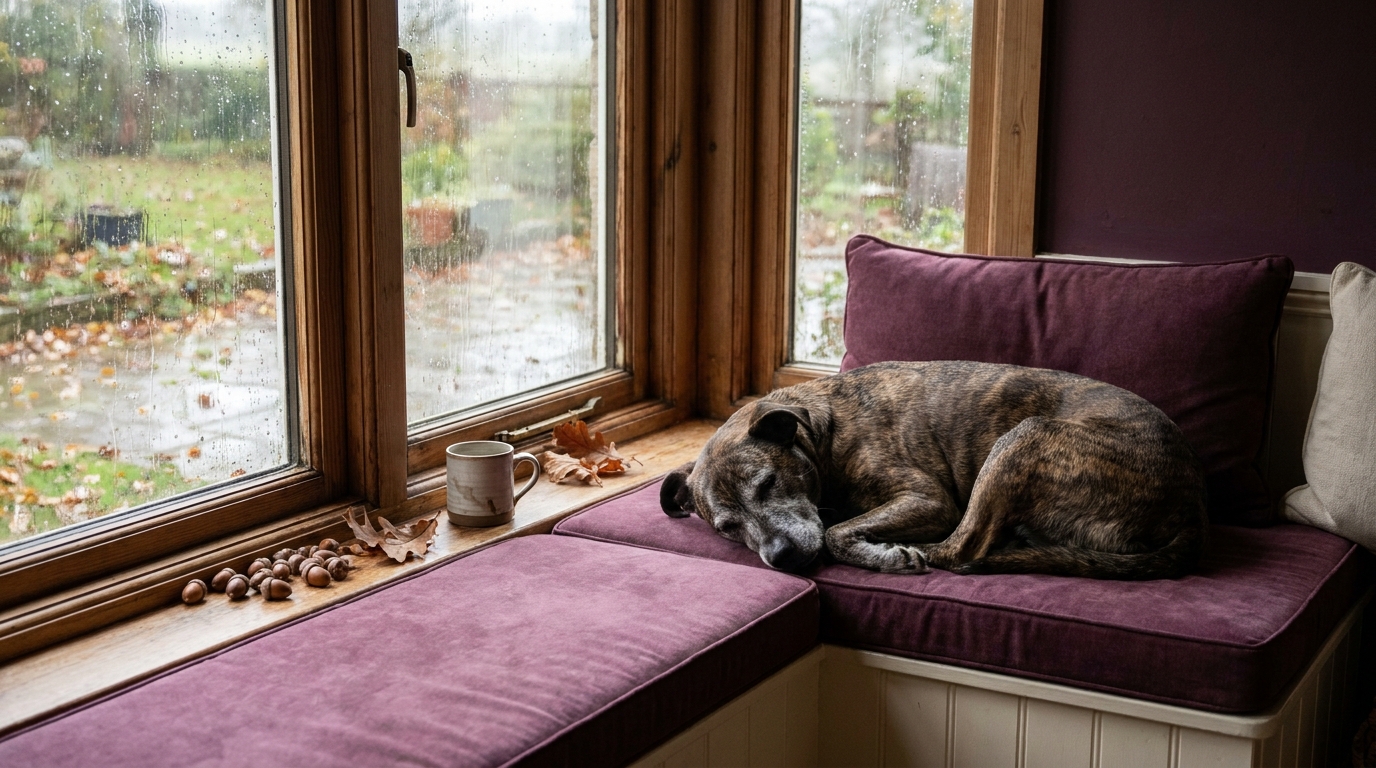
If your dog ate acorns and is throwing up, it is usually tannin stomach upset, but nonstop vomiting or a painful belly can mean a blockage.
Go to an in-person emergency vet now if your dog keeps vomiting and cannot hold down water, retches without bringing anything up, has a bloated or painful belly, is choking, is weak or collapsing, has blood in the vomit or stool, or shows yellow gums or dark urine.
If none of those signs are present, take a breath. The sections below help you tell tannin upset from an acorn that may be stuck.
Dog ate acorns and is throwing up: is this an emergency?
In most cases, when a dog ate acorns and is throwing up, tannins are the reason, not a blockage. The ASPCA notes that acorns contain a high concentration of tannins, which can irritate a pet's digestive system, so vomiting, diarrhea and abdominal discomfort can develop. Texas A&M says acorns are generally not toxic to dogs, though a few documented cases have been associated with damage to the liver or kidneys. The more common physical danger is an acorn stuck in the gut.
The wait-or-go picture is plain. A dog that is bright, drinking and holding water down, with a soft belly and none of the signs in the bold line above, can usually be watched at home with a plan. A dog that keeps vomiting, refuses water, is lethargic, or has a tense, painful or distended belly needs an in-person clinic now. Hours matter with a blockage, for reasons explained below, so the decision has to be made tonight. RexVet's toxic foods for dogs emergency guide covers the other autumn hazards.
Why acorns make dogs vomit
Tannins are bitter plant compounds, and acorns carry a lot of them. The Merck Veterinary Manual explains that tannins bind to and denature the proteins lining the GI tract, causing erosions, hemorrhage and ulceration. In plain words, the gut lining gets irritated and the body tries to get rid of the cause.
How much of that a dog gets depends on the individual dog, how much was eaten and whether the acorns were chewed or swallowed whole. Chewed acorns are mostly a tannin problem; acorns swallowed whole are also a solid object that has to pass through. Merck adds that dogs can develop kidney failure and liver disease after eating acorns, but the signs may be due only to a physical blockage. So the same vomiting can have two very different causes, and the blockage signs decide the next step.
How many acorns is too many?
There is no reliable number. Texas A&M says most dogs would need to eat large quantities of acorns to become sick, but not all dogs, and Great Pet Care says there is really no known dose per dog: it depends on the dog, what they ate and how much.
Size matters, but only qualitatively. A whole acorn is a large object relative to a small dog's gut, so a small dog that swallowed acorns whole is the higher-concern picture. A large dog that crunched a couple of acorns from the yard is more likely to have tannin upset, which usually settles.
Stomach upset or a blockage? The signs to compare
Great Pet Care lists the early signs of acorn trouble as a dip in energy, loss of appetite, vomiting and diarrhea, and notes that obstruction is one of the most common reasons veterinarians see dogs for acorns. Texas A&M adds that acorns can cause dogs to choke or get stuck and obstruct the gastrointestinal tract, and can even cause dental trauma. The signs overlap at the start, so watch the pattern over hours.
Looks like tannin upset:
- Vomiting once or a few times, then settling.
- Drinks and keeps water down.
- Belly stays soft and your dog lets you touch it.
- Alert, watching you, moving normally.
- Appetite mildly reduced.
Looks like a possible blockage:
- Vomiting that keeps going, or retching that brings nothing up.
- Cannot hold down water.
- Belly tense, painful or swollen; VCA lists abdominal tenderness or pain among the signs of a swallowed object.
- Lethargic or weak; Merck lists anorexia, regurgitation, vomiting, diarrhea, lethargy or shock as signs of a GI obstruction.
- Refusing food and water.
Any sign in the second list, or any sign in the bold line near the top, means an in-person emergency vet now: not more watching, and not a video visit. If you are not sure acorns are the cause, RexVet's guide to why your dog is vomiting covers the other common reasons.
The rare but serious side: liver and kidney warning signs
Merck states that dogs can develop renal failure and a hepatopathy, meaning kidney failure and liver disease, after eating acorns; Texas A&M describes the documented cases as few. The ASPCA's oak entry lists the signs of oak tannin poisoning as abdominal pain, constipation followed by diarrhea that is occasionally bloody, depression, frequent urination, discolored urine and jaundice, which shows as a yellow tint to the gums or the whites of the eyes.
None of those are watch-and-wait signs; they are reasons to go in person. So is a dog that ate a lot of acorns, or one that keeps getting worse over a day or two even if each sign seems small. Finding organ damage takes bloodwork, which only an in-person clinic can run; a video visit cannot. RexVet's guide on dog vomiting and not eating covers how long is too long to wait.
What you can safely do at home in the first few hours
If your dog has none of the go-now signs, these steps are low-risk and useful:
- Take the acorns away. Check the yard and porch and, since the ASPCA notes acorns are commonly used in fall decorations, the wreath and centerpiece too.
- If you can see an acorn in the mouth and can remove it without being bitten, gently take it out, as Texas A&M suggests. If your dog is choking, do not dig for it; go to an emergency vet now.
- Note the time, the rough amount and whether the acorns were chewed or swallowed whole.
- Photograph any vomit, especially if you can see shell or nut pieces in it.
- Offer water, and keep your dog quiet and calm.
- Watch for choking, vomiting or low appetite, which Texas A&M says to monitor for.
Two plain rules: do not make your dog vomit at home, and do not give any human medication. Either can make things worse.
Texas A&M advises contacting a pet poison control line if acorn ingestion occurs. The ASPCA Animal Poison Control Center is (888) 426-4435.
What a RexVet online vet visit can and cannot do when a dog ate acorns
On video, a RexVet veterinarian can see your dog live: gum color, energy, breathing, and how the belly reacts when you touch it under guidance. The veterinarian reviews timing, amount and your vomit photo, and helps you decide between watching at home and going to an emergency clinic tonight. If watching is the answer, you get a written home-monitoring plan with clear thresholds and a follow-up check.
A video visit cannot take X-rays or ultrasound, palpate the abdomen, run bloodwork, induce vomiting, or remove a stuck acorn. Only an in-person exam with imaging, palpation and bloodwork can find a blockage or organ damage; a video visit cannot rule one out. If the veterinarian decides medication is appropriate, they can prescribe where state rules allow. Florida limits telehealth-only prescribing to a 14-day supply with no renewal without an in-person exam, and controlled substances cannot be prescribed by telehealth without an in-person exam (Florida Statutes 474.2021).
If your dog is alert, holding water down and has none of the emergency signs, you can book a RexVet video visit now for $64.99. RexVet's veterinarians are licensed in Florida, New York and Virginia only and are available 24/7. It is triage and a plan, not an X-ray.
When it must be an in-person emergency vet
Go now, at any hour, if your dog:
- Keeps vomiting or cannot hold down water.
- Retches without bringing anything up.
- Has a bloated, hard or painful belly, or stands hunched.
- Is choking.
- Is weak, collapsing or very lethargic.
- Has blood in the vomit or stool.
- Shows yellow gums or eyes, or dark urine.
- Refuses all food and water.
VCA explains why these cannot wait: an intestinal or stomach obstruction often compromises the blood supply to those tissues, and tissue death can occur if the blood supply is interrupted for more than a few hours. VCA says abdominal X-rays will be performed, and exploratory surgery is generally recommended if an obstruction is diagnosed or suspected. Merck notes that radiographs and abdominal ultrasound help identify foreign bodies, and that removing them by endoscopy or surgery is recommended because of the potential for obstruction or perforation.
Bring any acorn pieces or the photo of the vomit, and your notes. For the video-call-or-ER choice, see RexVet's guide to online vet vs. emergency vet.
Acorn season in New York and Virginia: stopping the next mouthful
From September into November, oaks drop acorns onto Hudson Valley yards, Brooklyn park paths, Shenandoah trails and Northern Virginia backyards, and a dog that has eaten them once may try again:
- Keep your dog on a leash or a short line under oaks.
- Teach and reward a "leave it" cue.
- Sweep the yard, porch and deck during the drop.
- Check fall decorations; the ASPCA notes acorns are commonly used in them.
- Keep an extra eye on puppies and food-driven dogs.
RexVet's online vet in New York and online vet in Virginia pages explain how a video visit works in each state. Florida oak country has the same hazard, and the online vet in Florida page applies there.
If your dog has none of the emergency signs but you cannot tell whether this is tannin upset or something stuck, you do not have to guess alone. You can book a video visit with a RexVet veterinarian for $64.99, 24/7; RexVet's veterinarians are licensed in Florida, New York and Virginia only. The veterinarian will say plainly whether to keep watching with a written plan or head to an emergency clinic now.
Frequently asked questions
Can acorns kill dogs?
Rarely, and usually not through the tannins alone. Texas A&M says acorns are generally not toxic to dogs, with a few documented cases linked to liver or kidney damage; Merck says kidney failure and liver disease can occur, and that the signs may come only from a physical blockage. The more common danger is an acorn stuck in the gut, which is why the bold-line signs mean an emergency vet, not more watching.
How long after eating acorns will a dog get sick?
The sources give no reliable timeline, so watch the pattern. Tannin upset, which the ASPCA describes as vomiting, diarrhea and abdominal discomfort, tends to be the earlier picture; an acorn swallowed whole can cause obstruction signs later, which Merck lists as anorexia, regurgitation, vomiting, diarrhea, lethargy or shock. Log when the acorns were eaten and when the first vomit happened, and go in person the moment a bold-line sign appears.
Should I make my dog throw up after eating acorns?
No, not at home. Making a dog vomit can make things worse, and whether to induce vomiting or retrieve an acorn by endoscopy is a decision a veterinarian makes in person. Remove any remaining acorns, photograph the vomit, and call a veterinarian or a pet poison control line instead.
My dog ate acorns but is acting normal, do I still need a vet?
Not necessarily tonight, but keep watching. Texas A&M says to monitor for choking, vomiting or low appetite and to contact a pet poison control line if acorn ingestion occurs. An acorn swallowed whole can cause blockage signs later, such as vomiting, low energy or a tense belly, so note the time, amount and whether they were chewed. A video visit can help you set a watch plan, but it cannot clear your dog of a blockage.
Can an online vet help if my dog ate acorns and is throwing up?
Yes, as long as none of the emergency signs are present. On video a RexVet veterinarian can check energy, gum color and breathing, guide a gentle check of how the belly reacts when you touch it, and help you decide between an in-person emergency clinic and watching at home with a written plan. A video visit cannot take X-rays, run bloodwork or rule out a blockage. RexVet's veterinarians are licensed in Florida, New York and Virginia; you can book an appointment on the site.
Sources
- Texas A&M College of Veterinary Medicine: What To Know About Dogs And Acorns
- Merck Veterinary Manual: Oak Toxicosis in Animals
- ASPCA: 5 Toxic Seasonal Plants You Don't Want Your Pet To Fall For
- ASPCA: Toxic and Non-toxic Plants: Oak
- Great Pet Care: Are Acorns Bad For Dogs?
- VCA Animal Hospitals: Ingestion of Foreign Bodies in Dogs
- Merck Veterinary Manual: Gastrointestinal Obstruction in Small Animals
FAQs
Can acorns kill dogs?
Rarely, and usually not through the tannins alone. Texas A&M says acorns are generally not toxic to dogs, with a few documented cases linked to liver or kidney damage; Merck says kidney failure and liver disease can occur, and that the signs may come only from a physical blockage. The more common danger is an acorn stuck in the gut, which is why the bold-line signs mean an emergency vet, not more watching.
How long after eating acorns will a dog get sick?
The sources give no reliable timeline, so watch the pattern. Tannin upset, which the ASPCA describes as vomiting, diarrhea and abdominal discomfort, tends to be the earlier picture; an acorn swallowed whole can cause obstruction signs later, which Merck lists as anorexia, regurgitation, vomiting, diarrhea, lethargy or shock. Log when the acorns were eaten and when the first vomit happened, and go in person the moment a bold-line sign appears.
Should I make my dog throw up after eating acorns?
No, not at home. Making a dog vomit can make things worse, and whether to induce vomiting or retrieve an acorn by endoscopy is a decision a veterinarian makes in person. Remove any remaining acorns, photograph the vomit, and call a veterinarian or a pet poison control line instead.
My dog ate acorns but is acting normal, do I still need a vet?
Not necessarily tonight, but keep watching. Texas A&M says to monitor for choking, vomiting or low appetite and to contact a pet poison control line if acorn ingestion occurs. An acorn swallowed whole can cause blockage signs later, such as vomiting, low energy or a tense belly, so note the time, amount and whether they were chewed. A video visit can help you set a watch plan, but it cannot clear your dog of a blockage.
Can an online vet help if my dog ate acorns and is throwing up?
Yes, as long as none of the emergency signs are present. On video a RexVet veterinarian can check energy, gum color and breathing, guide a gentle check of how the belly reacts when you touch it, and help you decide between an in-person emergency clinic and watching at home with a written plan. A video visit cannot take X-rays, run bloodwork or rule out a blockage. RexVet's veterinarians are licensed in Florida, New York and Virginia; you can book an appointment on the site.
Sources
- Texas A&M College of Veterinary Medicine: What To Know About Dogs And Acorns
- Merck Veterinary Manual: Oak Toxicosis in Animals
- ASPCA: 5 Toxic Seasonal Plants You Don't Want Your Pet To Fall For
- ASPCA: Toxic and Non-toxic Plants: Oak
- Great Pet Care: Are Acorns Bad For Dogs?
- VCA Animal Hospitals: Ingestion of Foreign Bodies in Dogs
- Merck Veterinary Manual: Gastrointestinal Obstruction in Small Animals
Medically Reviewed
Reviewed by Dr. Tiffany Delacruz, DVM — licensed veterinarian and CEO of RexVet. Last reviewed September 20, 2026.
Content is for informational purposes and does not replace professional veterinary advice.
Chief Executive Officer · Licensed Veterinarian
Dr. Delacruz is a licensed Doctor of Veterinary Medicine specializing in preventive care and veterinary telehealth. She reviews all health content on RexVet to ensure accuracy and clinical relevance.
Sources & References
- · American Veterinary Medical Association — Telehealth Guidelines
- · AVMA — Pet Care Resources
- · U.S. FDA — Animal & Veterinary
Need an Expert Opinion on This Topic?
Connect with a certified vet via video call in minutes
Talk to Vet Now