
Yeast Infection in Dogs: Skin, Ears, Paws, and When to Ask a Vet
By RexVet Team | Reviewed by Dr. Tiffany Delacruz, DVM
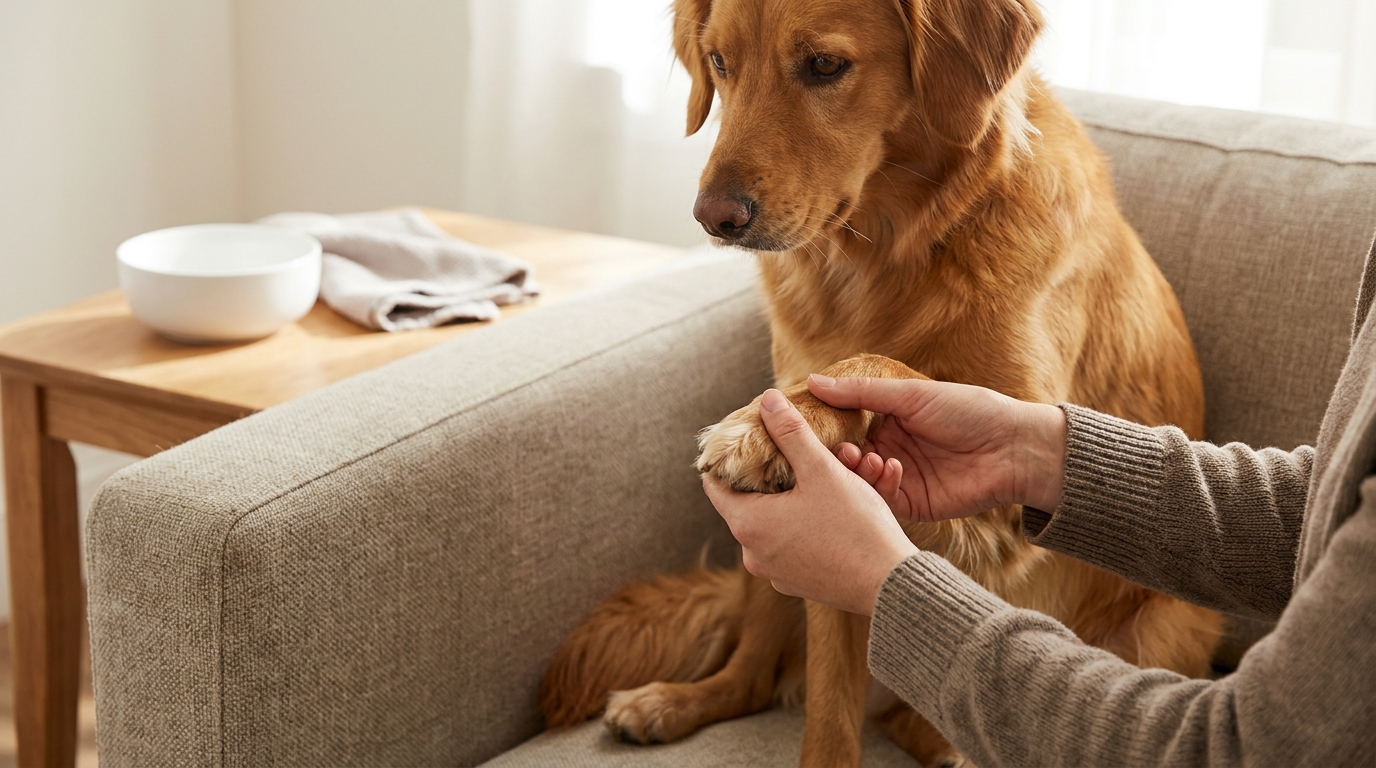
If your pet is constantly scratching, licking their paws, or emitting a peculiar odor, they may be dealing with a common fungal issue. Understanding a canine yeast infection is essential for every pet parent, as these infections are often more than just a surface-level annoyance. While yeast, specifically Malassezia, naturally lives on a dog's skin, an overgrowth can lead to significant discomfort, greasy skin, and persistent inflammation. Recognizing the signs early is the best way to prevent chronic suffering.
Many owners notice a distinct, musty smell often compared to corn chips, which is a classic indicator of an imbalance. Whether it is localized to the ears or widespread across the body, a yeast infection requires a tailored approach to treatment. At RexVet, our licensed veterinarians provide expert guidance to help you navigate these symptoms through convenient virtual consultations. By choosing our non-profit platform, you can access professional triage and prescription services from the comfort of your home, ensuring your dog gets the relief they need without the stress of an unnecessary clinic visit.
What Is a Yeast Infection in Dogs?
At its core, a yeast infection in dogs typically involves an overgrowth of Malassezia pachydermatis, a fungus that naturally resides on healthy canine skin. While small amounts of this yeast are normal, certain triggers cause it to multiply rapidly, leading to the clinical condition we recognize as an infection. When the skin barrier is compromised, this opportunistic organism thrives, causing the host immense irritation.
Several factors create the perfect environment for this fungal expansion:
- Allergies: Environmental or food sensitivities often trigger inflammation, which provides the ideal moisture and nutrient-rich surface for yeast to flourish.
- Moisture: Chronic dampness in skin folds, between toes, or within the ear canal acts as an incubator for fungal growth.
- Immune Suppression: Dogs with underlying health issues or those on specific medications may lack the immune strength to keep fungal populations in check.
Understanding these triggers is the first step in managing a yeast infection. By addressing the root cause—whether it is a dietary change or managing environmental allergens—you can help restore your dog's skin health and prevent the cycle of discomfort from returning.
Recognizing Yeast Symptoms on Skin, Ears, and Paws
Identifying a yeast infection begins with observing subtle changes in your pet's daily behavior. You might notice your dog constantly licking their paws, which often results in stained, reddish-brown fur between the toes. This behavior is a primary indicator that the skin barrier is compromised and yeast is thriving in those damp, warm crevices.
Beyond the paws, look for signs of itchy skin that cause your pet to rub against furniture or scratch incessantly, leading to hair loss or raw patches. A distinct, yeasty smell—frequently described as smelling like corn chips or stale bread—is a hallmark sign that requires attention. If you detect a pungent odor or see dark, waxy ear discharge, your dog may be suffering from an ear infection that needs professional triage.
Understanding a yeast infection is vital because these symptoms often signal underlying allergies. If you notice persistent redness, greasy skin, or your dog seems distressed, our licensed veterinarians at RexVet can help. Through a quick virtual consultation, we can evaluate your pet's condition and provide a clear path forward for relief.
How Allergies and Moisture Trigger Yeast Growth
Understanding the link between environmental factors and yeast infections is crucial for long-term health. While many owners focus on the symptoms, the root cause often lies in a combination of diet and climate. High humidity levels act as a catalyst, trapping moisture against the skin and creating a perfect breeding ground for Malassezia. When a dog consumes a diet high in simple carbohydrates, it can inadvertently feed this yeast, exacerbating the overgrowth.
Allergies play a massive role, as seasonal pollens or food proteins trigger an inflammatory response that compromises the skin barrier. This barrier breakdown allows yeast to penetrate deeper, leading to the chronic itching and greasy discharge many owners report. Learning about yeast infections in dogs helps you identify these patterns early. For instance, if your dog experiences flare-ups specifically during humid summer months, environmental management is key. Our licensed veterinarians at RexVet can help you determine if your dog's recurring issues stem from these underlying triggers, offering a clear strategy to restore balance and comfort through professional, affordable virtual care.
Yeast Infection vs Allergies: Spotting the Difference
Distinguishing between a yeast infection and common environmental allergies is essential, as their treatments differ significantly. While both conditions cause intense itching, allergies often present with clear, watery discharge and seasonal patterns, whereas yeast overgrowth typically produces a distinct, musty odor and greasy, thickened skin. Veterinarians often use a simple cytology test—pressing a slide against the skin or using a tape impression—to confirm the presence of Malassezia under a microscope.
Feature | Allergies | Yeast Overgrowth |
|---|---|---|
Odor | Minimal | Musty, corn-chip scent |
Skin Texture | Often dry or inflamed | Greasy, waxy, or crusty |
Primary Trigger | Immune reaction | Moisture and imbalance |
When you suspect a yeast infection, avoid using human antifungal creams, as these can be toxic if ingested or ineffective for canine-specific strains. Instead, turn to our team at RexVet. Our licensed veterinarians can provide a professional diagnosis via video triage and, if needed, prescribe targeted antifungal medications or medicated shampoos that are safe and effective for your pet. Early intervention is key to preventing secondary bacterial infections.
Safe Home Care Steps Before Seeing a Vet
When you notice your dog struggling with discomfort, managing a yeast infection begins with gentle hygiene. You should keep affected areas clean and dry, as moisture is the primary catalyst for fungal growth. Gently wipe paws or skin folds with a soft, dry cloth to remove debris, but avoid using hydrogen peroxide or alcohol, which can sting and damage sensitive tissue. Never apply human antifungal creams or over-the-counter ear drops, as these can be toxic or ineffective for your pet's specific needs.
Monitoring is critical when addressing a yeast infection. If you observe persistent head shaking , bleeding, or extreme swelling, these are signs that your pet requires immediate professional intervention. For less severe cases, our licensed veterinarians at RexVet offer 24/7 virtual triage to assess your dog's condition safely. By showing the affected area clearly during a live video visit, you can receive expert guidance on whether a prescription treatment is necessary. This proactive approach helps you manage your pet's health effectively without the stress of an unnecessary clinic visit, ensuring your dog stays comfortable and happy.
When a Virtual Vet Visit Is Enough
When managing a suspected yeast infection, virtual triage serves as a vital first step. You do not always need an in-person visit for initial assessment; many cases are effectively managed through remote consultation. Our licensed veterinarians can review photos of irritated skin or discharge to determine if a prescription is appropriate.
Through RexVetRx, we streamline the process by delivering necessary antifungal treatments directly to your door, saving you both time and travel stress. If your dog shows signs of a yeast infection, our team provides a clear follow-up plan to monitor progress and adjust treatment as needed. This ensures your pet receives professional care without the high costs of emergency clinics.
Always seek immediate in-person care if you notice severe head tilting, bleeding, or extreme swelling, as these symptoms require physical examination beyond the scope of telehealth.
By choosing our non-profit platform for your dog's yeast infection concerns, you gain access to 24/7 support. We help you navigate the healing process while keeping your pet comfortable at home.
When You Need an In‑Person Clinic
While many cases of fungal overgrowth are manageable at home, certain red flags indicate that you need an in-person clinic visit. Understanding canine yeast infections is crucial because some symptoms suggest deeper issues like bacterial infections or severe trauma. If you notice your dog displaying a persistent head tilt, which can signal a deep ear infection affecting balance, you should skip virtual triage and head to a physical clinic immediately.
Similarly, if you observe bleeding, deep ulcerations, or significant swelling that makes it painful for your dog to walk or be touched, professional physical intervention is required. Recurrent infections that return despite consistent treatment also warrant a comprehensive physical exam to rule out underlying endocrine disorders . When evaluating a possible yeast infection, always prioritize your pet's comfort. If you are ever unsure about the severity of your dog's condition, our RexVet team is available 24/7 to help you triage these symptoms and determine if an in-person visit is the safest path forward for your companion.
How RexVet Works for Yeast Issues
When you suspect a yeast infection, RexVet offers a streamlined, affordable path to recovery. For a flat fee of just $64.99, you can connect with a licensed veterinarian through a secure video visit to discuss your dog's symptoms. This digital triage is designed to save you the stress and expense of an unnecessary emergency clinic trip.
During your consultation, the veterinarian will evaluate your pet's condition to determine if an antifungal prescription is necessary. If treatment is required, our team can facilitate the process, ensuring you receive the appropriate medication delivered directly to your home via RexVetRx. This approach is particularly helpful for busy families managing a dog's yeast infection who need professional guidance without leaving the house. By choosing this virtual route, you gain access to expert care, clear treatment plans, and ongoing support for your dog's skin health, all while keeping costs manageable and your pet comfortable in their own environment.
Preventing Recurring Yeast in Multi‑Pet Households
Managing a yeast infection requires a unified strategy in multi-pet homes . Because fungal spores spread easily, keeping one dog healthy while another suffers is difficult. Start by ensuring ears are completely dry after every bath or swim, as trapped moisture is a primary catalyst for growth. Using specialized, vet-approved paw wipes after outdoor walks can significantly reduce the transfer of environmental allergens and yeast spores between pets.
A balanced, high-quality diet is equally vital to support your dog's immune system, which acts as the first line of defense against fungal overgrowth. When you consider a possible yeast infection, remember that the RexVet family plan is a game-changer for multi-pet households. It offers cost-effective, 24/7 access to licensed veterinarians who can help you coordinate care for all your pets simultaneously. By utilizing our virtual triage, you can identify early warning signs in every household member, ensuring that a simple yeast infection does not become a recurring, expensive household crisis.
Using RexVetRx for Antifungal Medications and Shampoos
When managing a yeast infection, convenience and cost-effectiveness are top priorities for pet parents. RexVetRx simplifies the treatment process by allowing you to order prescribed antifungal medications and medicated shampoos directly through our platform. By bypassing the traditional pharmacy markup, you save money while ensuring your pet receives high-quality, veterinarian-approved care.
Our streamlined shipping process ensures that essential treatments reach your doorstep quickly, reducing the time your dog spends in discomfort. Because we are a non-profit, our focus remains entirely on accessible health solutions for your furry family members. Whether you are addressing a chronic yeast infection or a sudden flare-up, our integrated pharmacy provides a reliable, stress-free alternative to in-person clinic visits.
Using RexVetRx for your pet's needs helps you maintain consistent treatment protocols, which is vital for preventing the recurrence of fungal overgrowth in sensitive areas.
By choosing our services, you support a mission-driven platform dedicated to affordable veterinary care, ensuring that every dog has access to the relief they deserve without unnecessary financial strain.
Frequently Asked Questions
How do I know if my dog has a yeast infection?
A yeast infection in dogs often presents with very specific clues. You might notice a distinct, musty odor often compared to corn chips or moldy bread. Other common signs include persistent itching, greasy or flaky skin, and visible redness in areas like the ears or between the toes. If you notice these symptoms, it is best to consult a professional to confirm the diagnosis, as these signs can overlap with other skin conditions.
Can yeast make dogs lick their paws?
Yes, excessive licking is a hallmark sign of a yeast infection in dog paws. When yeast overgrows in the moist spaces between a dog's toes, it causes intense irritation and discomfort. This leads the dog to lick or chew the area constantly, which unfortunately adds more moisture and can make the infection worse. If your dog is obsessively licking their paws, consider scheduling a virtual consultation with RexVet to determine if yeast is the culprit.
What does yeast smell like on dogs?
Many pet owners describe the smell of a yeast infection in dogs as similar to Fritos, corn chips, or a damp, musty basement. This odor is caused by the byproduct of the yeast organism, Malassezia, which thrives in warm, humid areas of the body. If you notice this smell coming from your dog's ears or skin folds, it is a strong indicator that an overgrowth may be present and requires veterinary attention.
Can I use human antifungal cream on my dog?
You should never use human antifungal creams or other over-the-counter products on your dog without explicit guidance from a veterinarian. Many human products contain ingredients that are toxic if ingested when your dog licks the area, or they may be too harsh for a dog's sensitive skin pH. Instead, reach out to a licensed vet through RexVet to get a safe, effective treatment plan tailored specifically for your pet's needs.
Can a vet diagnose a yeast infection over video?
While a definitive diagnosis often requires a physical test like a skin cytology or tape impression, a RexVet licensed veterinarian can perform a thorough virtual triage. By reviewing clear photos of the affected area and discussing your dog's symptoms, our vets can often determine if a yeast infection is likely and provide guidance on the next steps. This is a convenient, stress-free way to get professional advice from the comfort of your home.
When should I take my dog to an in-person clinic instead of using telehealth?
While telehealth is excellent for managing many cases, you should seek immediate in-person care if your dog shows signs of severe distress. This includes intense ear pain, a persistent head tilt, bleeding, significant swelling, or if the infection does not respond to initial treatment. If you are ever unsure about the severity of your dog's condition, our RexVet team can help you triage the situation and advise if an urgent clinic visit is necessary.
FAQs
How do I know if my dog has a yeast infection?
A yeast infection in dogs often presents with very specific clues. You might notice a distinct, musty odor often compared to corn chips or moldy bread. Other common signs include persistent itching, greasy or flaky skin, and visible redness in areas like the ears or between the toes. If you notice these symptoms, it is best to consult a professional to confirm the diagnosis, as these signs can overlap with other skin conditions.
Can yeast make dogs lick their paws?
Yes, excessive licking is a hallmark sign of a yeast infection in dog paws. When yeast overgrows in the moist spaces between a dog's toes, it causes intense irritation and discomfort. This leads the dog to lick or chew the area constantly, which unfortunately adds more moisture and can make the infection worse. If your dog is obsessively licking their paws, consider scheduling a virtual consultation with RexVet to determine if yeast is the culprit.
What does yeast smell like on dogs?
Many pet owners describe the smell of a yeast infection in dogs as similar to Fritos, corn chips, or a damp, musty basement. This odor is caused by the byproduct of the yeast organism, Malassezia, which thrives in warm, humid areas of the body. If you notice this smell coming from your dog's ears or skin folds, it is a strong indicator that an overgrowth may be present and requires veterinary attention.
Can I use human antifungal cream on my dog?
You should never use human antifungal creams or other over-the-counter products on your dog without explicit guidance from a veterinarian. Many human products contain ingredients that are toxic if ingested when your dog licks the area, or they may be too harsh for a dog's sensitive skin pH. Instead, reach out to a licensed vet through RexVet to get a safe, effective treatment plan tailored specifically for your pet's needs.
Can a vet diagnose a yeast infection over video?
While a definitive diagnosis often requires a physical test like a skin cytology or tape impression, a RexVet licensed veterinarian can perform a thorough virtual triage. By reviewing clear photos of the affected area and discussing your dog's symptoms, our vets can often determine if a yeast infection is likely and provide guidance on the next steps. This is a convenient, stress-free way to get professional advice from the comfort of your home.
When should I take my dog to an in-person clinic instead of using telehealth?
While telehealth is excellent for managing many cases, you should seek immediate in-person care if your dog shows signs of severe distress. This includes intense ear pain, a persistent head tilt, bleeding, significant swelling, or if the infection does not respond to initial treatment. If you are ever unsure about the severity of your dog's condition, our RexVet team can help you triage the situation and advise if an urgent clinic visit is necessary.
Medically Reviewed
Reviewed by Dr. Tiffany Delacruz, DVM — licensed veterinarian and CEO of RexVet. Last reviewed June 4, 2026.
Content is for informational purposes and does not replace professional veterinary advice.
Chief Executive Officer · Licensed Veterinarian
Dr. Delacruz is a licensed Doctor of Veterinary Medicine specializing in preventive care and veterinary telehealth. She reviews all health content on RexVet to ensure accuracy and clinical relevance.
Sources & References
- · American Veterinary Medical Association — Telehealth Guidelines
- · AVMA — Pet Care Resources
- · U.S. FDA — Animal & Veterinary
Need an Expert Opinion on This Topic?
Connect with a certified vet via video call in minutes
Talk to Vet Now