
Parvo Symptoms in Dogs: 8 Warning Signs (When It's an Emergency)
By RexVet Team | Reviewed by Dr. Tiffany Delacruz, DVM
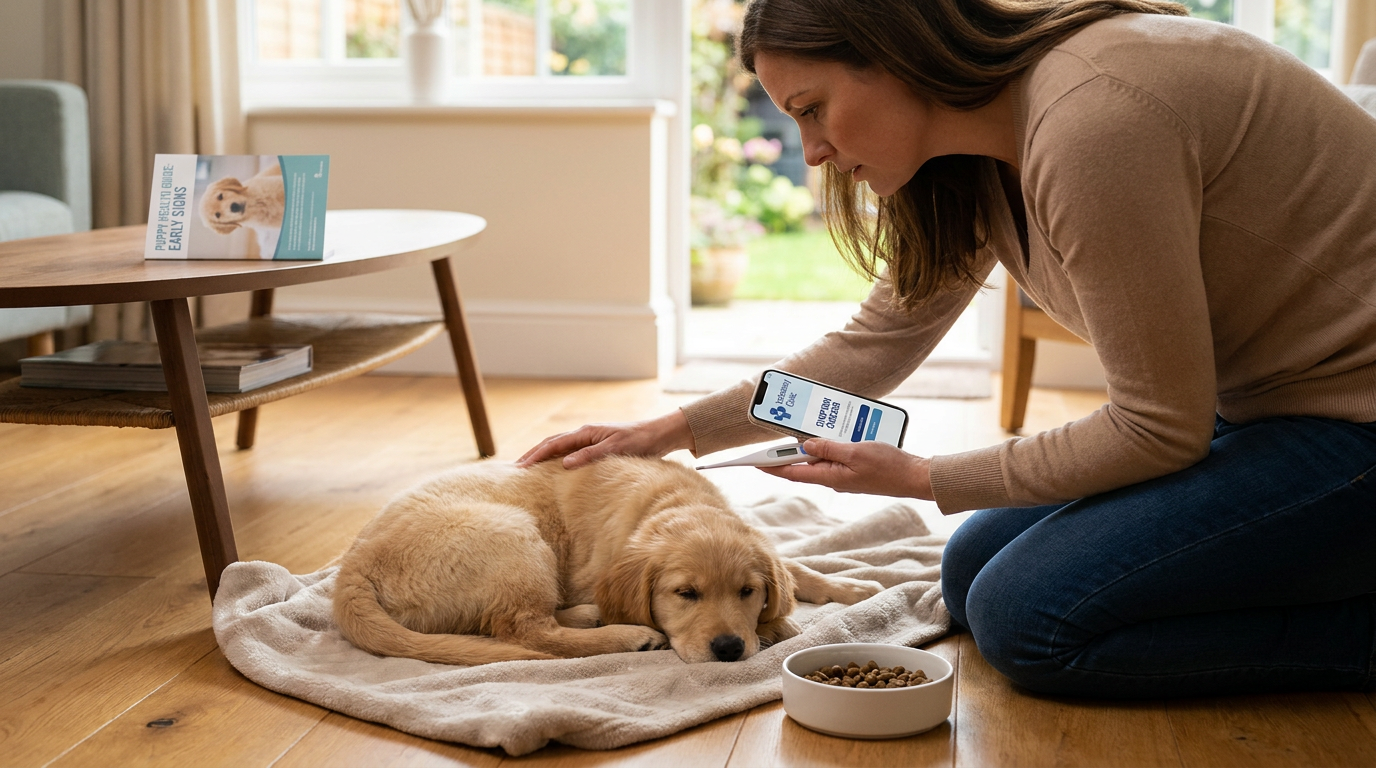
Discovering that your puppy is unwell can be a frightening experience for any pet owner. When it comes to canine parvovirus, time is of the essence, making it vital for every owner to be aware of the early indicators. Understanding parvo symptoms in dogs is your first line of defense in protecting your pet from this highly contagious and potentially life-threatening virus. Parvovirus attacks the gastrointestinal tract, often progressing rapidly in young or unvaccinated dogs.
By familiarizing yourself with the warning signs of parvo, you can act quickly to seek professional guidance. While this article provides essential educational insights, it is not a substitute for emergency veterinary care. If you notice concerning behaviors like lethargy or vomiting, RexVet is here to help you triage the situation. Our virtual consultations allow you to speak with a licensed veterinarian to determine if your pet requires an urgent trip to an emergency clinic. We are committed to providing accessible, non-profit support to ensure your dog receives the timely attention they need to stay safe and healthy.
What Is Parvo in Dogs?
Canine parvovirus is a highly contagious and devastating viral disease that primarily targets the rapidly dividing cells in a dog's intestinal tract. It is incredibly resilient, capable of surviving in the environment for months, which is why even dogs that never leave their own backyard can be at risk. Learning about parvo symptoms is essential because the virus spreads through direct contact with infected stool or contaminated objects like bowls, leashes, and even human shoes.
When a dog ingests the virus, it replicates in the lymph nodes before spreading through the bloodstream to the gut, where it destroys the lining responsible for nutrient absorption. This process leads to severe systemic illness. Because the virus is so aggressive, recognizing the signs of parvo early is the only way to facilitate the rapid intervention needed to support your pet's immune system. Understanding that this virus is shed in massive quantities by infected animals helps explain why outbreaks occur so quickly in shelters and parks. If you suspect exposure, acting quickly is vital for your dog's survival.
Early Parvo Symptoms to Watch For
Early Parvo Symptoms
Recognizing the warning signs of parvo is critical because the virus acts with extreme speed. In the earliest stages, your puppy may seem slightly off, often displaying lethargy where they lose interest in play or struggle to stay awake. This is frequently followed by a sudden loss of appetite, as the virus causes significant nausea and abdominal discomfort. Owners should watch for vomiting, which often starts as clear or yellow liquid, and diarrhea that may rapidly transition to a distinct, foul-smelling bloody diarrhea. These signs indicate the gastrointestinal lining is failing. Additionally, you might notice a fever or unexpected weakness, where your puppy appears unsteady on their feet. Because these parvo symptoms can mimic other illnesses, you must remain vigilant. If your pet shows these red flags, remember that RexVet provides tele-triage services to help you determine if your situation requires an immediate emergency clinic visit. Acting proactively is the best way to safeguard your dog during the initial onset of this aggressive disease.
Why Puppies Are at Higher Risk
Puppies face a significantly higher risk from parvovirus because their immune systems are still developing and have not yet built up the necessary defenses. Unlike adult dogs, who may have partial immunity from previous exposure or consistent vaccination, a puppy's internal protection is often incomplete. This vulnerability makes them prime targets for the virus, which thrives in environments where young dogs congregate. Understanding parvo warning signs is vital because even a brief encounter with contaminated soil or a common play area can lead to a severe infection.
Statistically, the window between six weeks and six months of age is the most dangerous period for a puppy. During this time, maternal antibodies wane, leaving a gap in protection. Because the virus is so contagious, even a single exposure can overwhelm a puppy's system in days. By learning the signs of parvo, you can prioritize early detection. If you suspect your puppy is at risk, RexVet offers professional tele-triage to help you assess the situation. Our team can guide you on whether your puppy needs immediate emergency intervention, ensuring you act before the condition escalates into a life-threatening crisis.
Distinguishing Parvo From Regular Dog Diarrhea
Distinguishing between common stomach upsets and parvo symptoms is essential for every pet parent. While simple dietary indiscretions or mild parasites often cause transient loose stools, parvovirus creates a much more aggressive, systemic collapse. Regular diarrhea might be caused by a sudden change in food or stress, typically leaving your dog alert and interested in treats. In contrast, parvo-related illness often includes a rapid onset of profound lethargy and a complete refusal to eat, which rarely happens with minor stomach bugs.
Feature | Regular Diarrhea | Parvovirus |
|---|---|---|
Energy Level | Usually normal | Severely depressed |
Appetite | Often maintained | Complete loss |
Stool Appearance | Soft or mushy | Bloody and foul-smelling |
Progression | Gradual | Extremely rapid |
Because these conditions look similar initially, reviewing the warning signs of parvo helps you prioritize safety. If your dog shows signs of severe dehydration or persistent vomiting, do not wait for symptoms to resolve on their own. Utilizing a RexVet virtual consultation allows you to quickly assess these risks with a professional, ensuring you get clear guidance on whether to head to an emergency clinic immediately.
When Symptoms Become a Medical Emergency
When you notice your pet is not acting like their usual self, identifying parvo warning signs can truly be the difference between life and death. You must treat any sudden onset of severe illness as a medical emergency , especially if your pet is a young puppy. While minor stomach upsets happen, parvo moves with terrifying speed, often causing dehydration and shock within hours. If your dog experiences repeated vomiting, uncontrollable bloody diarrhea, or becomes so weak that they cannot stand, do not wait for the morning to seek help. These are critical red flags that require immediate, in-person intervention at an emergency veterinary hospital.
Understanding parvo symptoms helps you recognize when you have moved past the point of home monitoring. If your puppy is lethargic and refuses food, you should immediately contact a professional. If your puppy has vomiting, diarrhea, and lethargy, ask RexVet what your next step should be. Our virtual triage team can help you assess the severity of these signs in real-time, guiding you on whether to head straight to an emergency clinic for supportive care . Your quick action is the most powerful tool you have to protect your dog.
How Online Vet Triage Helps Your Pet
When you are worried about possible parvo symptoms, telehealth acts as a vital bridge between your living room and an emergency clinic. Because parvovirus is so aggressive, our licensed veterinarians use virtual triage to assess your pet's current stability. During a video call, we look for critical indicators like dehydration, mucous membrane color, and responsiveness, which helps you decide if your dog needs immediate, life-saving supportive care at a local hospital.
Telehealth is not a replacement for intensive care, but it is an essential tool for rapid assessment. By reviewing possible parvo signs with a professional, you avoid the dangerous "wait and see" approach that often leads to worse outcomes for puppies. Our non-profit mission is to ensure you have expert guidance at your fingertips when seconds count. If your puppy has vomiting, diarrhea, and lethargy, ask RexVet what your next step should be. This proactive step helps you navigate the uncertainty of a potential infection while ensuring your pet receives the appropriate level of care as quickly as possible.
Get Professional Guidance With RexVet
Ask RexVet for $64.99
When you are navigating the stress of potential illness, professional support should be accessible and affordable. Recognizing parvo warning signs is a vital skill, but you do not have to interpret these complex signs alone. At RexVet, our non-profit mission is to bridge the gap between uncertainty and action by providing expert guidance at a flat, transparent rate of just $64.99 per consultation.
By choosing a virtual session, you gain access to a licensed veterinarian who can help you evaluate your pet's condition. This is not about replacing emergency care; it is about making informed decisions. Our team helps you determine if your pet's state requires a rush to the emergency room or if there are specific steps you can take to prepare for a visit. Understanding parvo symptoms is the first step in our collaborative effort to keep your puppy safe. If your puppy has vomiting, diarrhea, and lethargy, ask RexVet what your next step should be. We are here to provide the clarity you need to act with confidence and protect your pet when it matters most.
Need an Expert Opinion on This Topic?
Book a video visit with a licensed vet, evenings and weekends included
See open timesFrequently Asked Questions
What are the first signs of parvo I should watch for?
The earliest parvo symptoms in dogs often start with a sudden loss of appetite and noticeable lethargy. You might notice your puppy seems unusually tired, refuses to play, or hides away. These early warning signs are critical to notice because the virus progresses quickly. If your puppy is acting 'off' or seems depressed, it is important to contact a veterinarian and monitor them closely for the onset of vomiting or diarrhea, which typically follow these initial behavioral changes.
Can a fully vaccinated dog still get parvo?
While vaccines are highly effective, no vaccine is 100% guaranteed. A vaccinated dog is much less likely to contract the virus, but it remains a possibility, especially if the dog has a compromised immune system. If you notice parvo symptoms in dogs even after vaccination, do not assume it is something minor. Always treat these warning signs as urgent and consult a professional to rule out other serious health issues.
What does parvo poop look like?
Parvovirus often causes severe, foul-smelling diarrhea. The stool is frequently watery or mucus-like and often contains visible blood, which is a major red flag. If you see bloody diarrhea, this is a medical emergency. Because parvo is highly contagious and life-threatening, you should not wait to see if it passes. Seek immediate veterinary care if your dog exhibits this specific type of stool, as dehydration can occur within hours.
Should I ask an online vet if I suspect parvo?
Yes, RexVet can be a vital first step. While an online vet cannot replace the emergency, in-person diagnostic testing and intensive care required for a confirmed parvo case, we can help you triage the situation. We can assess the severity of the parvo symptoms in dogs you are seeing and provide guidance on whether you need to head to an emergency clinic immediately. This helps ensure you take the right action for your pet's safety.
How can I tell the difference between parvo and regular dog diarrhea?
Regular diarrhea often occurs due to dietary indiscretion or mild stress and usually does not come with severe lethargy or a high fever. In contrast, parvo symptoms in dogs are systemic and aggressive. If your puppy has diarrhea combined with vomiting, refusal to eat, and extreme weakness, it is likely not a simple stomach upset. When in doubt, it is always safer to treat the situation as urgent rather than waiting to see if symptoms improve.
What should I do if my puppy is lethargic and not eating?
If your puppy is lethargic and not eating, they are at high risk for rapid dehydration, which is a hallmark of parvovirus. You should immediately check for other parvo symptoms in dogs, such as vomiting or diarrhea. Because puppies have small reserves, they can decline very quickly. Contact a veterinarian right away for a professional assessment. Early intervention is the most important factor in improving the outcome for a puppy suspected of having this dangerous virus.
FAQs
What are the first signs of parvo I should watch for?
The earliest parvo symptoms in dogs often start with a sudden loss of appetite and noticeable lethargy. You might notice your puppy seems unusually tired, refuses to play, or hides away. These early warning signs are critical to notice because the virus progresses quickly. If your puppy is acting 'off' or seems depressed, it is important to contact a veterinarian and monitor them closely for the onset of vomiting or diarrhea, which typically follow these initial behavioral changes.
Can a fully vaccinated dog still get parvo?
While vaccines are highly effective, no vaccine is 100% guaranteed. A vaccinated dog is much less likely to contract the virus, but it remains a possibility, especially if the dog has a compromised immune system. If you notice parvo symptoms in dogs even after vaccination, do not assume it is something minor. Always treat these warning signs as urgent and consult a professional to rule out other serious health issues.
What does parvo poop look like?
Parvovirus often causes severe, foul-smelling diarrhea. The stool is frequently watery or mucus-like and often contains visible blood, which is a major red flag. If you see bloody diarrhea, this is a medical emergency. Because parvo is highly contagious and life-threatening, you should not wait to see if it passes. Seek immediate veterinary care if your dog exhibits this specific type of stool, as dehydration can occur within hours.
Should I ask an online vet if I suspect parvo?
Yes, RexVet can be a vital first step. While an online vet cannot replace the emergency, in-person diagnostic testing and intensive care required for a confirmed parvo case, we can help you triage the situation. We can assess the severity of the parvo symptoms in dogs you are seeing and provide guidance on whether you need to head to an emergency clinic immediately. This helps ensure you take the right action for your pet's safety.
How can I tell the difference between parvo and regular dog diarrhea?
Regular diarrhea often occurs due to dietary indiscretion or mild stress and usually does not come with severe lethargy or a high fever. In contrast, parvo symptoms in dogs are systemic and aggressive. If your puppy has diarrhea combined with vomiting, refusal to eat, and extreme weakness, it is likely not a simple stomach upset. When in doubt, it is always safer to treat the situation as urgent rather than waiting to see if symptoms improve.
What should I do if my puppy is lethargic and not eating?
If your puppy is lethargic and not eating, they are at high risk for rapid dehydration, which is a hallmark of parvovirus. You should immediately check for other parvo symptoms in dogs, such as vomiting or diarrhea. Because puppies have small reserves, they can decline very quickly. Contact a veterinarian right away for a professional assessment. Early intervention is the most important factor in improving the outcome for a puppy suspected of having this dangerous virus.
Medically Reviewed
Reviewed by Dr. Tiffany Delacruz, DVM — licensed veterinarian and CEO of RexVet. Last reviewed June 10, 2026.
Content is for informational purposes and does not replace professional veterinary advice.
Chief Executive Officer · Licensed Veterinarian
Dr. Delacruz is a licensed Doctor of Veterinary Medicine specializing in preventive care and veterinary telehealth. She reviews all health content on RexVet to ensure accuracy and clinical relevance.
Sources & References
- · American Veterinary Medical Association — Telehealth Guidelines
- · AVMA — Pet Care Resources
- · U.S. FDA — Animal & Veterinary