
How Much Water Should a Cat Drink?
By RexVet Team | Reviewed by Dr. Tiffany Delacruz, DVM
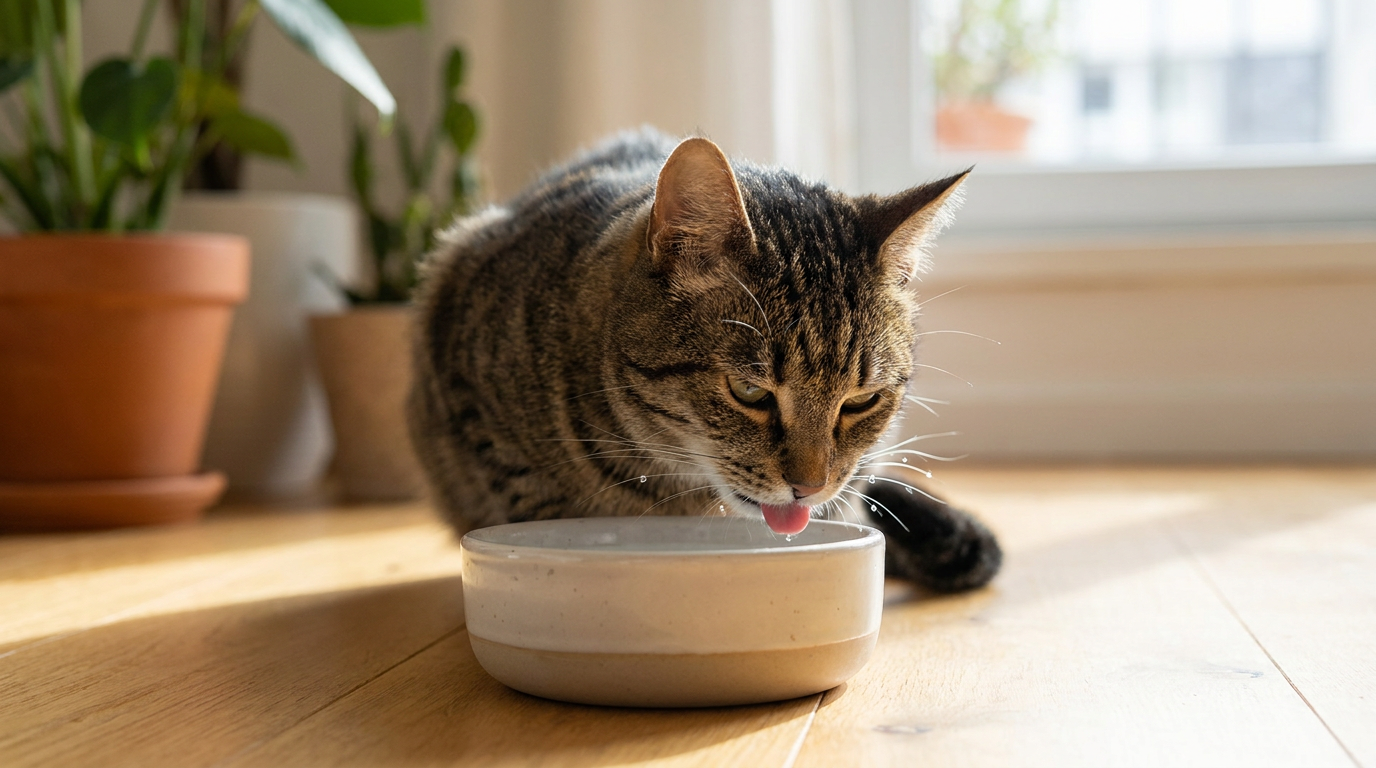
Understanding How Much Water Should a Cat Drink? is a vital part of proactive pet care. While every feline is unique, a general rule of thumb is that cats require approximately four ounces of water per five pounds of body weight daily. However, determining How Much Water Should a Cat Drink? becomes complex because their hydration levels are heavily influenced by their diet. A cat eating exclusively wet food receives significant moisture through their meals, whereas those on a dry kibble diet must compensate by drinking more from their water bowls.
Monitoring your cat's habits is essential because sudden shifts in water consumption are often the first indicators of underlying health concerns. Whether you notice your cat is drinking a lot of water or suddenly avoiding the bowl, these changes warrant attention. As a non-profit telehealth platform, RexVet is here to help you triage these concerns from the comfort of your home. If you are worried about your pet's hydration, you can connect with a licensed veterinarian online for $64.99 to determine if your observations require a trip to a local clinic.
Why Cat Water Intake Can Be Hard to Measure
Determining How Much Water Should a Cat Drink? is often more complex than simply watching a bowl. Because cats are evolutionarily adapted to derive most of their moisture from prey, they have a low thirst drive compared to dogs . This makes it difficult to tell if your pet is meeting their needs, especially since evaporation from the bowl or multi-pet households can skew your measurements.
Several factors complicate the process of tracking How Much Water Should a Cat Drink? accurately:
- Environmental factors: Humidity levels and ambient temperature significantly impact how much water evaporates from an open bowl rather than being consumed.
- Multi-pet dynamics: In homes with multiple animals, it is nearly impossible to track exactly which pet is sipping from which resource.
- Hidden sources: Cats may find alternative water sources like dripping faucets, shower puddles, or even condensation on windows, which are rarely factored into daily intake logs.
Because these variables make manual tracking unreliable, pet owners should focus on behavioral trends rather than specific milliliter counts. If you are ever unsure about your cat's hydration status, our team at RexVet can help you evaluate these subtle changes through a virtual consultation for just $64.99.
Wet Food vs Dry Food and Hydration
When evaluating How Much Water Should a Cat Drink?, it is vital to understand that moisture content in food plays a major role. Wet food typically contains about 70 to 80 percent water, which significantly reduces the amount a feline needs to consume from a bowl. In contrast, dry kibble is often less than 10 percent moisture, forcing the cat to make up the difference independently. If you are wondering How Much Water Should a Cat Drink? while on a dry diet, keep in mind that they must compensate for the lack of inherent hydration through increased voluntary intake.
Because cats are desert-adapted creatures, they often do not feel a strong urge to drink until they are already slightly dehydrated. This biological trait makes diet a primary tool for maintaining feline urinary tract health . By incorporating more canned food into their daily routine, you can naturally boost their hydration levels without relying solely on their desire to visit the water bowl. If you notice a sudden shift in your pet's drinking habits, it is often wise to consult a professional. You can connect with a licensed veterinarian online for $64.99 to discuss your cat's specific dietary needs and hydration patterns.
Signs Your Cat May Not Be Drinking Enough
When considering How Much Water Should a Cat Drink?, owners must watch for physical indicators of dehydration. A primary sign is a loss of skin elasticity; if you gently lift the skin between the shoulder blades and it does not snap back into place instantly, your pet may be dehydrated. You might also notice dry, tacky gums instead of the usual moist, pink appearance. Other warning signs include lethargy, sunken eyes, or a reduced appetite, as cats often stop eating when they feel unwell.
Physical changes in behavior are also critical clues. A cat that seems unusually quiet or hides more than normal may be struggling with fluid balance. Furthermore, if you are calculating How Much Water Should a Cat Drink?, remember that concentrated, dark-colored urine is a classic symptom of inadequate hydration. Because these physical cues can be subtle, it is important to monitor your cat daily. If you observe these symptoms, you can use our 24/7 virtual triage service for $64.99 to speak with a licensed vet who can help you determine if your cat needs urgent in-person care or if simple home adjustments will suffice.
Signs Your Cat May Be Drinking More Than Usual
When evaluating How Much Water Should a Cat Drink?, you must watch for sudden, unexplained spikes in consumption. While hydration needs vary, a noticeable shift where your cat constantly visits the bowl or seeks water from unusual places like toilets or showers can be a red flag. If you find yourself frequently refilling the bowl, this behavior, known as polydipsia , often indicates that your cat is struggling to maintain internal fluid balance.
Beyond just noticing a thirsty pet, observe their overall activity levels. If increased drinking is paired with frequent trips to the litter box or changes in appetite, it is time to take action. Understanding How Much Water Should a Cat Drink? helps you recognize when these habits deviate from the norm. Because these symptoms can be linked to various systemic health issues, early observation is key to effective management. If you are concerned about your cat's intake, you can connect with a licensed veterinarian online through our 24/7 triage service for just $64.99. This affordable consultation helps you determine if your pet's behavior warrants an in-person visit or if it can be managed with simple lifestyle adjustments.
When Hydration Changes May Signal a Problem
When you ask How Much Water Should a Cat Drink?, the answer often lies in observing behavioral red flags rather than tracking precise volumes. While minor fluctuations are normal, certain patterns indicate that your cat needs professional evaluation. If you notice your feline companion suddenly struggling to use the litter box, vocalizing in pain, or showing a dramatic, persistent shift in thirst that lasts more than 24 hours, these are clear signals that medical intervention is necessary.
You should also monitor for non-drinking behaviors that suggest discomfort, such as pawing at the water bowl without actually swallowing or suddenly preferring to drink from unusual, stagnant sources. If your cat displays lethargy, hides for extended periods, or experiences unexplained weight loss alongside these hydration changes, do not wait for the situation to escalate. Understanding How Much Water Should a Cat Drink? is the first step in preventive care, but it cannot replace a diagnostic assessment. If you are concerned about these behavioral shifts, you can connect with a licensed veterinarian through our 24/7 virtual triage service for just $64.99 to determine if your pet requires an urgent in-person visit.
When Online Vet Guidance Can Help
When you are researching How Much Water Should a Cat Drink?, it is easy to feel overwhelmed by conflicting advice. Virtual triage serves as an essential bridge between your observations at home and the need for professional care. By connecting with a licensed veterinarian through our 24/7 platform, you can receive expert guidance on whether your cat’s hydration habits are within a normal range or if they require a closer look.
Our virtual consultations help you navigate the nuances of feline health without the stress of an unnecessary clinic visit. During a session, a vet can help you assess environmental stressors, dietary impacts, and subtle behavioral shifts that might be missed. This proactive approach ensures you are not left guessing How Much Water Should a Cat Drink? while waiting for an appointment.
Service Benefit | Why It Matters |
|---|---|
Remote Triage | Reduces pet stress and travel time |
Expert Insight | Distinguishes normal habits from health risks |
Cost Efficiency | Affordable access for peace of mind |
If your cat shows signs of lethargy, persistent vomiting, or an inability to urinate, please seek immediate in-person emergency care. For all other concerns, our team is ready to provide the clarity you need.
Ask RexVet for $64.99
When you find yourself wondering How Much Water Should a Cat Drink?, remember that professional guidance is only a few clicks away. While tracking your cat's hydration habits is a great step toward proactive health, interpreting those observations can be tricky. Our licensed veterinarians are available around the clock to help you analyze your cat's specific situation, whether you are concerned about a sudden change in thirst or just want to ensure your pet is thriving.
By choosing a virtual consultation, you gain access to expert advice without the stress of a carrier or a car ride. For just $64.99, you can speak directly with a vet who will help you determine if your observations are normal or if they warrant a trip to your local clinic. This affordable, non-profit service is designed to provide peace of mind and clarity. If you are still asking How Much Water Should a Cat Drink?, let our team help you assess your cat's unique needs today. Simply log in to our platform to start your consultation and get the professional answers you deserve.
Frequently Asked Questions
How much water should daily?
On average, a healthy cat should drink about 3.5 to 4.5 ounces of water per 5 pounds of body weight each day. However, How Much Water Should a Cat Drink? depends heavily on their diet. Cats eating wet food get a large portion of their hydration from their meals, while those on dry kibble must drink more to compensate. If you notice a sudden change in these habits, it is a good idea to consult a professional for guidance.
Why is my cat drinking more water than usual?
If you are wondering How Much Water Should a Cat Drink? compared to what yours is currently consuming, a sudden increase—known as polydipsia—can be a health clue. While environmental factors like heat or activity play a role, increased thirst can also signal underlying issues. Because we cannot diagnose conditions like diabetes or kidney disease online, we recommend booking a $64.99 virtual consultation with RexVet to triage your cat's symptoms safely.
Do cats need wet food for better hydration?
Yes, incorporating wet food is one of the best ways to manage How Much Water Should a Cat Drink?. Since cats have a low thirst drive, they are naturally adapted to get moisture from their prey. Wet food contains about 70-80% water, which significantly supports feline urinary tract health. If your cat is a picky eater, try adding a small amount of warm water or low-sodium, onion-free broth to their food to boost intake.
How can I encourage my cat to drink more water?
To help your cat meet their ideal water intake, try these simple tips:
- Use wide, shallow bowls so their whiskers do not touch the sides.
- Place water stations in quiet, low-traffic areas of your home.
- Consider a cat water fountain, as many cats prefer running water.
- Keep water bowls away from their litter box to ensure the area feels safe.
Monitoring How Much Water Should a Cat Drink? is easier when you provide multiple, clean sources throughout the house.
When should I worry about my cat's water intake?
You should be concerned if you notice signs of dehydration , such as lethargy, sunken eyes, or skin that does not snap back quickly when gently pinched. Conversely, if your cat is drinking excessive amounts or urinating more frequently, it is time to act. If your cat shows signs of weakness, inability to urinate, or repeated vomiting, please seek urgent care immediately. For non-emergency concerns, our $64.99 virtual triage service can help you determine the next best steps.
FAQs
How much water should a cat drink daily?
On average, a healthy cat should drink about 3.5 to 4.5 ounces of water per 5 pounds of body weight each day. However, how much water should a cat drink depends heavily on their diet. Cats eating wet food get a large portion of their hydration from their meals, while those on dry kibble must drink more to compensate. If you notice a sudden change in these habits, it is a good idea to consult a professional for guidance.
Why is my cat drinking more water than usual?
If you are wondering how much water should a cat drink compared to what yours is currently consuming, a sudden increase—known as polydipsia—can be a health clue. While environmental factors like heat or activity play a role, increased thirst can also signal underlying issues. Because we cannot diagnose conditions like diabetes or kidney disease online, we recommend booking a $64.99 virtual consultation with RexVet to triage your cat's symptoms safely.
Do cats need wet food for better hydration?
Yes, incorporating wet food is one of the best ways to manage how much water should a cat drink. Since cats have a low thirst drive, they are naturally adapted to get moisture from their prey. Wet food contains about 70-80% water, which significantly supports feline urinary tract health. If your cat is a picky eater, try adding a small amount of warm water or low-sodium, onion-free broth to their food to boost intake.
How can I encourage my cat to drink more water?
To help your cat meet their ideal water intake, try these simple tips:
- Use wide, shallow bowls so their whiskers do not touch the sides.
- Place water stations in quiet, low-traffic areas of your home.
- Consider a cat water fountain, as many cats prefer running water.
- Keep water bowls away from their litter box to ensure the area feels safe.
Monitoring how much water should a cat drink is easier when you provide multiple, clean sources throughout the house.
When should I worry about my cat's water intake?
You should be concerned if you notice signs of dehydration , such as lethargy, sunken eyes, or skin that does not snap back quickly when gently pinched. Conversely, if your cat is drinking excessive amounts or urinating more frequently, it is time to act. If your cat shows signs of weakness, inability to urinate, or repeated vomiting, please seek urgent care immediately. For non-emergency concerns, our $64.99 virtual triage service can help you determine the next best steps.
Medically Reviewed
Reviewed by Dr. Tiffany Delacruz, DVM — licensed veterinarian and CEO of RexVet. Last reviewed June 15, 2026.
Content is for informational purposes and does not replace professional veterinary advice.
Chief Executive Officer · Licensed Veterinarian
Dr. Delacruz is a licensed Doctor of Veterinary Medicine specializing in preventive care and veterinary telehealth. She reviews all health content on RexVet to ensure accuracy and clinical relevance.
Sources & References
- · American Veterinary Medical Association — Telehealth Guidelines
- · AVMA — Pet Care Resources
- · U.S. FDA — Animal & Veterinary
Need an Expert Opinion on This Topic?
Connect with a certified vet via video call in minutes
Talk to Vet Now