
Benadryl for Dog Anxiety: Dosage Chart & Safety Guide (2026)
By RexVet Team | Reviewed by Dr. Tiffany Delacruz, DVM
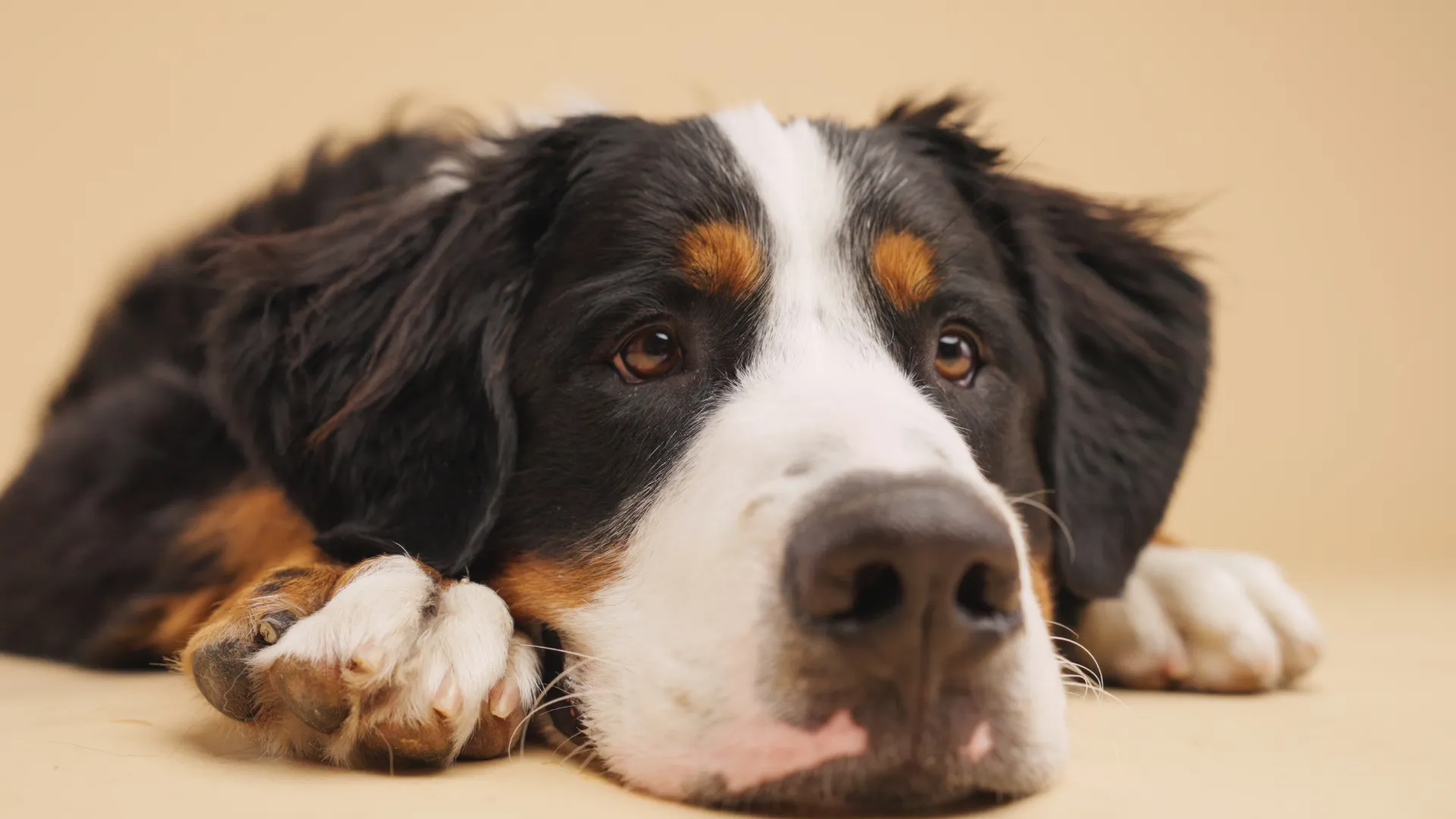
Benadryl is the wrong tool for most dog anxiety. A licensed RexVet veterinarian can build a real behaviour plan and prescribe an on-label option such as fluoxetine if the vet decides medication is needed: online vet that prescribes dog anxiety medication (FL, NY, VA) →
When owners search benadryl for dog anxiety, they are looking for a quick fix for storms, travel, or vet visits. Benadryl (Diphenhydramine) is an antihistamine.
Primary use: Allergic reactions (hives, swelling, itching).
Side effect: Drowsiness.
Crucial distinction: Benadryl causes sedation (sleepiness), but it is not an anxiolytic. It may make the dog too tired to move, but their brain may still be processing the fear. It creates a "sleepy but scared" dog.
Common owner mistakes that delay the right care
Using liquid Benadryl with Xylitol (toxic).
Assuming Benadryl will stop a full-blown panic attack (it’s too weak).
Overdosing small dogs by guessing the amount.
Using "Benadryl-D" (decongestant formulas are toxic to dogs).
Dosage Chart: The Golden Rule (1mg per pound)
Standard Veterinary Dosage
1 mg per pound of body weight, given 2-3 times a day.
Warning: Liquid dosage is practical only for small dogs. For large dogs, stick to tablets/capsules.
Safety Check: Ingredients to Avoid
Never use:
Benadryl-D: Contains Pseudoephedrine (stimulant, dangerous for heart).
Alcohol-based liquids: Toxic.
Xylitol (Birch sugar): Found in some sugar-free liquids/melts. Causes liver failure.
Always use plain Diphenhydramine.
The Limits of Benadryl: When to upgrade
Benadryl is mild. It might help a dog sleep through a long car ride, but it rarely works for:
Severe noise phobia (Thunder/Fireworks).
Separation anxiety.
Aggression derived from fear.
For these cases, you need true anxiolytics like Trazodone or Gabapentin, which work on brain chemistry to reduce fear, not just induce sleep.
Red flags and timing rules
Watch for paradoxical effects
Some dogs do not get sleepy; they get hyperactive, agitated, or anxious after Benadryl. If this happens, do not give it again.
Go to a physical emergency clinic now
If you suspect an overdose (tremors, seizures, dilated pupils).
If the dog ate a product containing Pseudoephedrine or Xylitol.
If the dog is retaining urine (straining to pee) after the dose.
If Benadryl isn’t working for your dog’s anxiety, or you need a safer, more effective plan for travel or noise phobia, book a RexVet online appointment. Our vets can discuss prescription options that treat the fear, not just the wakefulness. Trazodone is a human-labeled drug, so a veterinarian needs to examine your pet in person before prescribing it.
How much Benadryl can I give my 50lb dog? ▾
Does Benadryl actually help with dog anxiety? ▾
Can Benadryl kill a dog? ▾
Medically Reviewed
Reviewed by Dr. Tiffany Delacruz, DVM — licensed veterinarian and CEO of RexVet. Last reviewed July 19, 2026.
Content is for informational purposes and does not replace professional veterinary advice.
Chief Executive Officer · Licensed Veterinarian
Dr. Delacruz is a licensed Doctor of Veterinary Medicine specializing in preventive care and veterinary telehealth. She reviews all health content on RexVet to ensure accuracy and clinical relevance.
Sources & References
- · American Veterinary Medical Association — Telehealth Guidelines
- · AVMA — Pet Care Resources
- · U.S. FDA — Animal & Veterinary
Need an Expert Opinion on This Topic?
Connect with a certified vet via video call in minutes
Talk to Vet Now