
Worms in Dog Poop: What Owners Should Know
By RexVet Team | Reviewed by Dr. Tiffany Delacruz, DVM
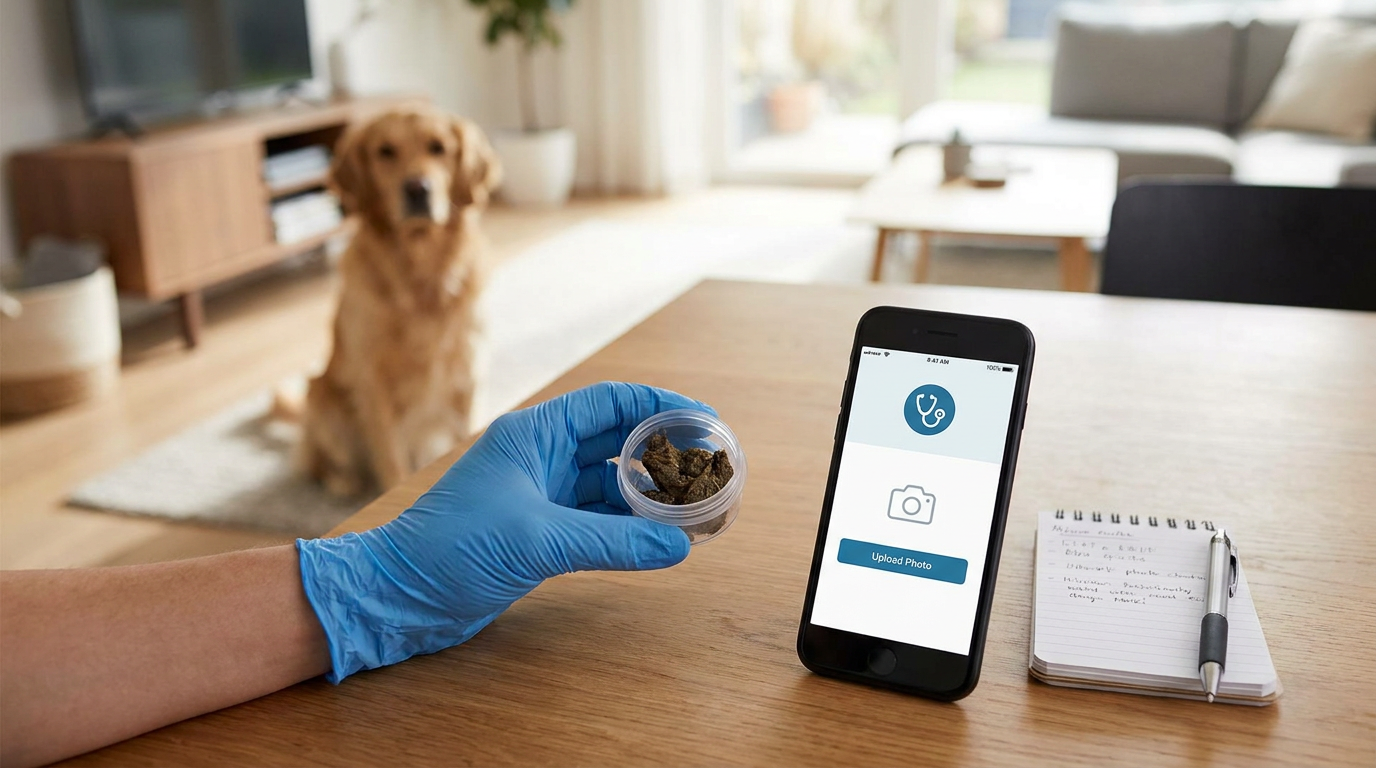
This article on Worms in Dog Poop: What They Look Like and When to Ask an Online Vet helps owners recognize unusual stool, understand the risks, and know when to seek professional advice. Seeing worms or white segments in your dog’s feces can be unsettling, but knowing what they look like and when to act makes a big difference.
Different parasites—such as tapeworms, roundworms, and hookworms—appear in distinct shapes and sizes, and the correct dewormer depends on identifying the exact worm. A one‑size‑fits‑all treatment often fails, which is why targeted guidance matters.
If you notice anything unusual, you can book a live video visit and ask RexVet what your next step should be. Remember, puppies, bloody diarrhea, severe weakness, dehydration, or a heavy worm burden may need urgent care.
This service aligns with the guidance discussed in Worms in Dog Poop: What They Look Like and When to Ask an Online Vet, offering 24/7 virtual veterinary consultations at a fixed price, allowing you to connect with a licensed vet from home, get symptom triage, and receive a prescription if needed, all without the stress of a clinic visit.
What Worms in Dog Poop May Look Like
As explained in Worms in Dog Poop: What They Look Like and When to Ask an Online Vet, recognizing the appearance of parasites in feces is the first step toward effective treatment.
Tapeworm pieces often resemble tiny grains of rice or cucumber seeds, appearing white or off‑white and sometimes moving slightly. Roundworms look like long, spaghetti‑like strands that are several inches long and may be coiled. Hookworms are much smaller, usually invisible to the naked eye, but heavy infestations can cause dark, tarry stool due to blood loss.
Following the guidance from Worms in Dog Poop: What They Look Like and When to Ask an Online Vet, you can book a $64.99 live video visit through RexVet and show the vet a clear photo of the stool; a licensed vet can identify the parasite, recommend the correct dewormer, and tell you when to seek urgent care for puppies, bloody diarrhea, or severe weakness.
Common Types of Worms in Dogs
Understanding the common intestinal parasites helps owners recognize why a specific dewormer is needed.
As discussed in Worms in Dog Poop: What They Look Like and When to Ask an Online Vet, tapeworms in dogs are flat, segmented worms that break off into small, white or cream‑colored pieces that may look like tiny seeds; they are usually spread when a dog ingests an infected flea during grooming.
Roundworms appear as long, smooth, spaghetti‑shaped strands several inches long and are prevalent in puppies, often causing a bloated belly, dull coat, and occasional vomiting or diarrhea.
Hookworms are smaller, thread‑like parasites that latch onto the intestinal lining and feed on blood, which can lead to anemia, weight loss, and dark, tarry stools; they can also penetrate the skin, making environmental control important.
Because each worm type requires a different medication, the guidance in Worms in Dog Poop: What They Look Like and When to Ask an Online Vet helps owners match the parasite to the right treatment.
If you see unusual material in your dog’s stool, booking a $64.99 live video visit through RexVet and showing the vet a clear photo lets a licensed vet identify the worm and, when it is clinically appropriate and state law allows, prescribe the appropriate dewormer.
Can Dog Worms Spread to Humans?
Some dog worms that you might see described in Worms in Dog Poop: What They Look Like and When to Ask an Online Vet can also infect people, especially children who accidentally ingest eggs from contaminated soil or feces. Roundworm larvae can travel through human organs, causing visceral larva migrans, while hookworm larvae can penetrate the skin, producing itchy, red tracks known as cutaneous larva migrans. Tapeworm spread to humans is uncommon but possible if a person swallows an infected flea.
Good hygiene cuts the zoonotic risk dramatically. Wash hands with soap and water after touching dog waste, before eating, and after gardening; pick up feces promptly and seal them in a bag for disposal. Clean hard surfaces with a pet-safe disinfectant, stop dogs from eating stool or hunting rodents, and keep children's play areas away from where dogs eliminate. Regular deworming prescribed by a vet lowers egg shedding. If you spot worms or odd stool, book an affordable live video visit and ask RexVet what your next step should be.
When Online Vet Guidance Can Help
As discussed in Worms in Dog Poop: What They Look Like and When to Ask an Online Vet, when you spot something unusual in your dog’s stool but aren’t certain it’s a parasite, an online vet visit can quickly clarify the situation. A licensed veterinarian can review a clear photo, distinguish worm segments from undigested food or mucus, and explain whether treatment is needed. This early insight helps you avoid guesswork and choose the right course of action.
If the vet confirms worms, they can identify the type—tapeworm, roundworm, hookworm, or another—and prescribe the specific dewormer that matches the parasite. They’ll also review proper dosing, repeat schedules, and environmental cleanup steps to prevent reinfection. Because each worm requires a different medication, this targeted advice increases the chance of a successful, single‑round treatment.
RexVet’s 24/7 RexVet service offers this guidance for a fixed $64.99 fee, letting you connect from home, receive a prescription if appropriate, and get clear next‑step instructions. As noted in Worms in Dog Poop: What They Look Like and When to Ask an Online Vet, if your dog shows severe symptoms such as persistent vomiting, lethargy, or signs of dehydration, seek emergency veterinary care.
Ask RexVet for $64.99
When you notice worms in dog poop: what they look like and when to ask an online vet is a question that often arises during stressful moments. While seeing parasites is alarming, you do not have to navigate the uncertainty alone. By utilizing our RexVet service, you can quickly bridge the gap between discovery and relief. For a flat fee of just $64.99, you can book a live video visit with a licensed veterinarian who can provide professional triage, including a look at a photo of your dog's stool.
This efficient process helps you determine if the situation requires an urgent clinic visit or if it can be managed through our virtual platform. Understanding Worms in Dog Poop: What They Look Like and When to Ask an Online Vet allows you to make informed decisions without the high costs or long wait times associated with traditional emergency rooms. Simply book a live video visit and show the vet a clear image of the stool, and our team will guide you on the necessary next steps to ensure your pet's comfort and health. Take action today by using our service to get the expert advice your dog deserves.
Other Signs Your Dog May Have Worms
Beyond seeing physical signs in stool, parasites often cause subtle changes in your pet's overall health. When researching Worms in Dog Poop: What They Look Like and When to Ask an Online Vet, it is vital to watch for systemic indicators. Significant weight loss despite a normal appetite is a common red flag, as parasites often steal essential nutrients before your dog can absorb them. You might also notice your dog becoming unusually lethargic or losing interest in play, which often stems from the anemia or discomfort caused by heavy infections.
A dog's coat often serves as a mirror for internal health. If your pup’s fur appears dull, brittle, or develops bald patches, it may signal that they are not getting the nutrition they need. Additionally, frequent digestive upset, such as intermittent diarrhea or a bloated abdomen, frequently accompanies these internal issues. Understanding Worms in Dog Poop: What They Look Like and When to Ask an Online Vet helps you connect these behavioral and physical clues to the underlying problem. If you observe these symptoms alongside unusual waste, our team at RexVet can help you triage these concerns quickly and affordably from the comfort of your home.
How to Prepare a Stool Sample for Your Online Vet
When you discover something concerning in your pet's waste, capturing a high-quality image is essential for an accurate remote diagnosis. To prepare a stool sample for your online vet, place the sample on a flat, non-absorbent surface like a plastic bag or a disposable paper plate. Ensure you have bright, natural lighting to highlight textures or movement, as this helps when researching Worms in Dog Poop: What They Look Like and When to Ask an Online Vet.
Take at least two photos: one from a distance to show the overall consistency of the stool, and a close-up macro shot of the suspicious area. Avoid blurry images by tapping your phone screen to focus on the specific segments or strands you noticed. Once you have clear documentation, you can confidently use the Worms in Dog Poop: What They Look Like and When to Ask an Online Vet guide to provide context during your consultation. Remember, clear visual evidence allows our team to triage your pet's needs effectively, ensuring you receive the right advice regarding Worms in Dog Poop: What They Look Like and When to Ask an Online Vet without unnecessary stress.
Simple Steps to Prevent Worms in Dogs
Preventing intestinal parasites requires a proactive approach to your dog's daily hygiene and environment. While you might be concerned about Worms in Dog Poop: What They Look Like and When to Ask an Online Vet, the best defense is regular, year-round prevention. Most heartworm preventatives also cover common intestinal worms, making them an essential tool for every pet owner. Always pick up waste immediately to prevent eggs from contaminating the soil, and ensure your dog stays away from wildlife carcasses or feces during walks.
Maintaining a clean living space is equally vital. Wash your pet's bedding weekly in hot water and keep their food and water bowls sanitized to reduce exposure risks. If you notice your dog scooting , losing weight, or suffering from persistent digestive issues, do not wait for the situation to worsen. Understanding Worms in Dog Poop: What They Look Like and When to Ask an Online Vet ensures you act quickly when symptoms appear. For professional guidance, you can book an affordable live video visit and show the vet a photo of your dog's stool. Our team can help you determine the right preventive schedule or identify if a specific treatment is necessary to keep your pet healthy.
When to Seek Emergency Care for Worm Symptoms
While finding parasites is often a routine concern, certain symptoms indicate a medical emergency that requires immediate intervention. When you are researching Worms in Dog Poop: What They Look Like and When to Ask an Online Vet, it is critical to recognize that severe physical distress is not something to monitor at home. If your dog exhibits bloody diarrhea , persistent vomiting, extreme lethargy, or signs of collapse, these are red flags that demand an urgent trip to an emergency veterinary clinic rather than a virtual consultation.
Young puppies are especially vulnerable to rapid dehydration and anemia caused by heavy parasite burdens. If your pet appears pale, refuses to eat, or shows a distended, painful abdomen, seek professional help immediately. While Worms in Dog Poop: What They Look Like and When to Ask an Online Vet provides excellent guidance for non-emergency triage, it cannot replace life-saving care during a crisis. Always prioritize your dog's stability. If you are unsure whether your pet's condition is critical, our team at RexVet can quickly help you assess the situation, but never delay if your dog shows signs of severe illness or trauma.
Frequently Asked Questions
What do worms in dog poop look like?
When identifying worms in dog poop: what they look like and when to ask an online vet, it helps to know what to search for. Tapeworms often appear as small, flat, white rice-like segments on the surface of the stool or around the tail. Roundworms look like spaghetti or thin, round noodles. Hookworms are generally too small to see with the naked eye. If you spot anything unusual, take a clear photo to share with a RexVet professional for quick guidance.
Are dog worms contagious to humans?
Yes, some dog worms, particularly roundworms and hookworms, are zoonotic, meaning they can be transmitted to humans. This is why understanding worms in dog poop: what they look like and when to ask an online vet is critical for your family's safety. Always wear gloves when cleaning up after your dog, wash your hands thoroughly, and ensure your pet is on a consistent parasite prevention schedule recommended by a licensed veterinarian.
Can I use any dewormer for my dog?
No, you should not use just any dewormer. Different parasites require specific medications to be effective. Relying on the wrong product can leave your pet unprotected. When researching worms in dog poop: what they look like and when to ask an online vet, remember that RexVet can help you determine the correct treatment. Our veterinarians can provide a proper diagnosis and help you access the right prescription medication, where state rules allow, through our integrated pharmacy.
Should I send a photo to an online vet?
Absolutely. Showing a clear, well-lit photo of the stool during a video visit is one of the best ways to help our team understand worms in dog poop: what they look like and when to ask an online vet. A visual aid allows our licensed veterinarians to triage the situation more accurately. If you notice segments or worms, have the image ready to show the vet during your RexVet video visit so we can provide actionable advice on your next steps.
When should I seek emergency care instead of a virtual consultation?
While virtual care is excellent for most non-emergency concerns regarding worms in dog poop: what they look like and when to ask an online vet, some situations require urgent, in-person attention. If your puppy is lethargic, has bloody diarrhea, is severely dehydrated, or shows signs of extreme weakness, please skip the virtual visit and take them to an emergency clinic immediately. Your pet's safety is our top priority.
Related reading: Need the treatment side? Drontal Plus for dogs: what it treats and how to get it prescribed.
FAQs
What do worms in dog poop look like?
When identifying worms in dog poop: what they look like and when to ask an online vet, it helps to know what to search for. Tapeworms often appear as small, flat, white rice-like segments on the surface of the stool or around the tail. Roundworms look like spaghetti or thin, round noodles. Hookworms are generally too small to see with the naked eye. If you spot anything unusual, take a clear photo to share with a RexVet professional for quick guidance.
Are dog worms contagious to humans?
Yes, some dog worms, particularly roundworms and hookworms, are zoonotic, meaning they can be transmitted to humans. This is why understanding worms in dog poop: what they look like and when to ask an online vet is critical for your family's safety. Always wear gloves when cleaning up after your dog, wash your hands thoroughly, and ensure your pet is on a consistent parasite prevention schedule recommended by a licensed veterinarian.
Can I use any dewormer for my dog?
No, you should not use just any dewormer. Different parasites require specific medications to be effective. Relying on the wrong product can leave your pet unprotected. When researching worms in dog poop: what they look like and when to ask an online vet, remember that RexVet can help you determine the correct treatment. Our veterinarians can provide a proper diagnosis and help you access the right prescription medication, where state rules allow, through our integrated pharmacy.
Should I send a photo to an online vet?
Absolutely. Showing a clear, well-lit photo of the stool during a video visit is one of the best ways to help our team understand worms in dog poop: what they look like and when to ask an online vet. A visual aid allows our licensed veterinarians to triage the situation more accurately. If you notice segments or worms, have the image ready to show the vet during your RexVet video visit so we can provide actionable advice on your next steps.
When should I seek emergency care instead of a virtual consultation?
While virtual care is excellent for most non-emergency concerns regarding worms in dog poop: what they look like and when to ask an online vet, some situations require urgent, in-person attention. If your puppy is lethargic, has bloody diarrhea, is severely dehydrated, or shows signs of extreme weakness, please skip the virtual visit and take them to an emergency clinic immediately. Your pet's safety is our top priority.
Medically Reviewed
Reviewed by Dr. Tiffany Delacruz, DVM — licensed veterinarian and CEO of RexVet. Last reviewed August 15, 2026.
Content is for informational purposes and does not replace professional veterinary advice.
Chief Executive Officer · Licensed Veterinarian
Dr. Delacruz is a licensed Doctor of Veterinary Medicine specializing in preventive care and veterinary telehealth. She reviews all health content on RexVet to ensure accuracy and clinical relevance.
Sources & References
- · American Veterinary Medical Association — Telehealth Guidelines
- · AVMA — Pet Care Resources
- · U.S. FDA — Animal & Veterinary
Need an Expert Opinion on This Topic?
Connect with a certified vet via video call in minutes
Talk to Vet Now