
Ringworm in Cats: Symptoms, Contagion, and Online Vet Advice
By RexVet Team | Reviewed by Dr. Tiffany Delacruz, DVM
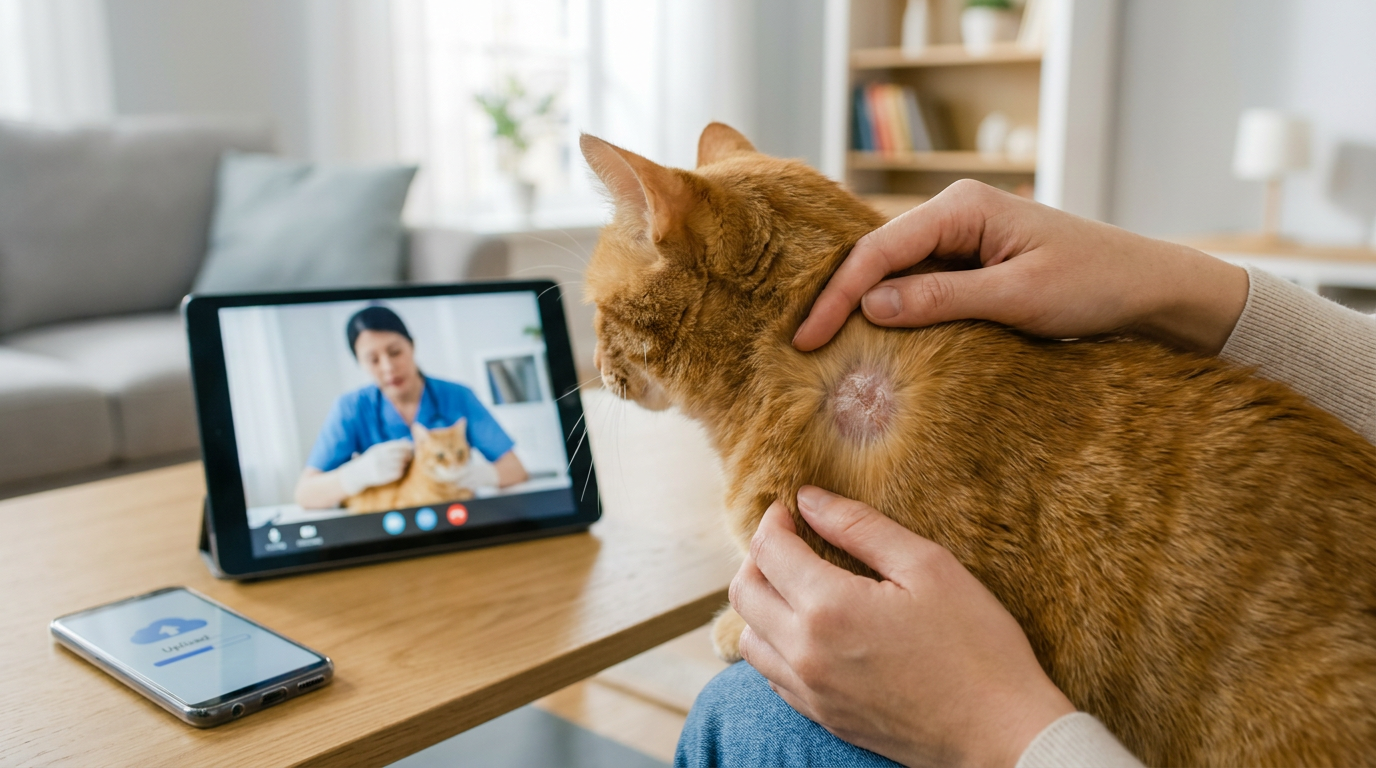
Discovering unusual skin lesions on your pet can be stressful, but understanding ringworm in cats is the first step toward effective management. Despite the name, ringworm is not a worm at all but a highly contagious fungal infection known as dermatophytosis. It frequently manifests as circular patches of hair loss, crusty skin, or persistent itching. Because this condition is zoonotic, meaning it can spread from cats to humans and other household pets, early identification is essential for maintaining a healthy home environment.
Visual inspection alone is rarely enough to confirm a diagnosis, as many skin issues look similar to the untrained eye. Our team at RexVet provides expert guidance on how to monitor these signs and when to seek professional testing . By utilizing online vet advice for ringworm, pet owners can access affordable, 24/7 virtual triage to determine the best next steps. Whether you need help with isolation protocols or environmental cleaning strategies to stop the spread, our licensed veterinarians are here to support you. Book a video visit today and consult with a professional to ensure your cat receives the proper care they deserve.
What Ringworm Actually Looks Like in Cats
When observing a cat for signs of ringworm, it is vital to recognize the classic presentation of this fungal infection. Most cases manifest as distinct, circular areas of hair loss, often accompanied by dry, flaky, or crusty skin that may look like dandruff. While the center of the lesion might appear relatively normal, the edges are frequently red, inflamed, or raised, creating the characteristic ring-like appearance that gives the condition its name.
Because these lesions can easily be mistaken for simple dry skin, allergies, or even flea dermatitis, relying on visual inspection alone is often misleading. As part of our guidance on ringworm in cats, we emphasize that these patches can appear anywhere on a cat's body, but are most commonly found on the face, ears, and limbs. If you notice your pet grooming excessively or scratching at these specific bald spots, it is time to take action. Utilizing our virtual triage platform allows you to share clear photos during a live video visit for a professional assessment, helping you determine if these signs warrant a trip to an in-person clinic or if you can begin isolation measures at home immediately to protect the rest of your household.
Is Ringworm Contagious to Humans and Pets?
Is Ringworm Contagious to Humans or Other Pets?
Because ringworm is a zoonotic disease, it poses a significant risk to your entire household. The fungus, often Microsporum canis, spreads easily through direct contact or by lingering on contaminated surfaces like bedding, brushes, and carpets. When researching how contagious ringworm is, it is critical to understand that humans, especially children or those with weakened immune systems, are susceptible to infection. If one pet is diagnosed, you must assume all pets in the home are potential carriers, even if they show no outward signs.
Risk Factor | Action Required |
|---|---|
Direct Contact | Isolate infected cat immediately |
Shared Bedding | Wash in hot water with bleach |
Human Exposure | Wear gloves and wash hands thoroughly |
Managing a multi-pet household requires strict environmental cleaning to stop the spread of this fungal infection. Utilizing virtual vet guidance through our platform helps you coordinate safe isolation protocols for all your animals. By consulting with our licensed team, you can protect your family while ensuring your pets receive the necessary care without the stress of unnecessary clinic visits .
How Cats Contract Ringworm Infections
Fungal spores, specifically Microsporum canis, are incredibly resilient and can survive in your home for over a year. When you research how ringworm spreads, you will find that these microscopic spores exist in soil, on furniture, and within carpets. Cats often contract the infection simply by rubbing against contaminated surfaces or interacting with other animals that carry the fungus. Because spores are invisible to the naked eye, a clean-looking home can still harbor significant risks for your pet.
The process of infection begins when spores land on the skin or fur and find a warm, moist environment to thrive. This is why multi-pet households face higher risks, as the infection spreads rapidly through shared grooming tools and bedding. By accessing guidance from a vet online, you can learn how to perform a deep clean of your living space to eliminate these lingering spores. If you suspect your cat has been exposed, our virtual platform offers professional guidance on identifying early environmental triggers. Utilizing online vet advice ensures you take the right steps to protect your household from this persistent fungal threat without needing an immediate, stressful trip to a clinic.
When to Seek Professional Veterinary Advice
When you notice skin changes on your pet, it is tempting to search for answers online, but visual cues are often misleading. While a virtual consultation can help you recognize potential warning signs, a physical examination is necessary to confirm a fungal infection. Many skin conditions, such as bacterial pyoderma or allergic dermatitis, mimic the appearance of ringworm, leading to incorrect home treatments that may delay recovery.
Clinical confirmation involves specific diagnostic tools like a Wood’s lamp examination, fungal cultures, or microscopic hair analysis. These tests are essential because they distinguish between various skin pathogens that require different medical approaches. Relying on online vet advice through a professional platform like RexVet allows you to bridge the gap between initial observation and formal testing. Our licensed veterinarians help you determine if your pet’s condition warrants an urgent clinic visit or if you can safely manage the situation with home isolation and hygiene protocols. By seeking expert triage, you avoid the stress of unnecessary travel while ensuring your pet receives accurate, timely care for their specific health needs.
Managing Ringworm Treatment at Home
When managing a cat with ringworm at home, your primary goal is to contain the fungal spores. Because these microscopic particles can persist in your home for over a year, strict environmental hygiene is vital. Start by designating a specific room for your infected cat to limit their movement. This isolation area should have non-porous surfaces that are easy to disinfect with a diluted bleach solution, which is highly effective against fungal pathogens.
Daily cleaning is essential to prevent the spread of ringworm. Vacuum all carpets and upholstered furniture daily using a machine with a HEPA filter to trap loose spores. Wash all bedding, toys, and soft surfaces in hot water at least once a week. If you are dealing with multiple pets, keep their food, water bowls, and grooming tools separate to prevent cross-contamination. Our licensed veterinarians can provide a personalized cleaning checklist during your virtual consultation. By following these proactive steps, you significantly reduce the risk of environmental re-infection while your cat undergoes their prescribed topical treatment or oral therapy. Book a video visit today and consult with a professional to ensure your home remains a safe, healthy environment for all your pets.
How RexVet Helps With Skin Concerns
When you notice suspicious skin changes, our virtual triage service acts as your first line of defense. By choosing a virtual vet visit, you gain immediate access to licensed professionals who can help you determine if your pet's condition requires urgent in-person care or can be managed at home. This proactive step saves you the stress of an unnecessary emergency room visit while ensuring your cat receives expert guidance.
Our platform is designed for busy pet parents who need reliable answers without a clinic trip. When you utilize our online vet advice, you can show clear, high-resolution photos of your cat's skin lesions to a licensed veterinarian during a live video visit. The vet will review these images to provide a professional assessment, helping you distinguish between common fungal infections and other dermatological issues.
For just $64.99, you receive a comprehensive virtual consultation that includes actionable advice on home isolation and hygiene. This affordable, non-profit approach ensures that every pet owner has access to high-quality care. Book a video visit today and ask a licensed vet what the rash may be to start your journey toward a healthier, happier pet.
Frequently Asked Questions
What does ringworm look like on a cat?
When considering skin symptoms in cats, it is important to know that ringworm often appears as circular patches of hair loss. You might notice flaky or crusty skin within these bald spots. While these lesions are common, they can sometimes look like other skin issues, so a visual check is just the first step. If you spot these signs, it is best to consult a professional for a proper assessment.
Can humans catch ringworm from cats?
Yes, ringworm is a zoonotic disease, meaning it can spread from pets to people. If you are researching whether ringworm spreads to people, you should know that direct contact with an infected cat or contaminated surfaces can lead to skin lesions on humans. Always wash your hands thoroughly after handling your pet and limit contact until you have received guidance from a veterinarian on how to manage the infection safely.
Will cat ringworm go away on its own?
While some mild cases might eventually resolve, ringworm is a persistent fungal infection that typically requires medical intervention to clear up effectively. Relying on professional guidance helps you understand the importance of treatment, which may include topical treatments or oral medication. Without proper care, your cat may continue to shed spores, potentially infecting other pets or family members in your home.
Can I send photos to an online vet for ringworm concerns?
Absolutely. Using RexVet to discuss possible ringworm in your cat allows you to share photos of the affected area with a licensed veterinarian during a live video visit. While a virtual consult cannot replace an in-person culture test, it is a great way to get triage support . A vet can help you determine the urgency of the situation and provide instructions on how to isolate your pet to prevent further spread.
How do I manage a multi-pet household during a ringworm outbreak?
Managing multiple pets when dealing with ringworm requires strict environmental cleaning. You should isolate the infected cat in a room that is easy to disinfect. Because RexVet covers all pets in your household under one plan, you can easily seek advice for every animal that may have been exposed, ensuring you have a consistent plan to stop the spread of spores throughout your home.
FAQs
What does ringworm look like on a cat?
When considering skin symptoms in cats, it is important to know that ringworm often appears as circular patches of hair loss. You might notice flaky or crusty skin within these bald spots. While these lesions are common, they can sometimes look like other skin issues, so a visual check is just the first step. If you spot these signs, it is best to consult a professional for a proper assessment.
Can humans catch ringworm from cats?
Yes, ringworm is a zoonotic disease, meaning it can spread from pets to people. If you are researching whether ringworm spreads to people, you should know that direct contact with an infected cat or contaminated surfaces can lead to skin lesions on humans. Always wash your hands thoroughly after handling your pet and limit contact until you have received guidance from a veterinarian on how to manage the infection safely.
Will cat ringworm go away on its own?
While some mild cases might eventually resolve, ringworm is a persistent fungal infection that typically requires medical intervention to clear up effectively. Relying on professional guidance helps you understand the importance of treatment, which may include topical treatments or oral medication. Without proper care, your cat may continue to shed spores, potentially infecting other pets or family members in your home.
Can I send photos to an online vet for ringworm concerns?
Absolutely. Using RexVet to discuss possible ringworm in your cat allows you to share photos of the affected area with a licensed veterinarian during a live video visit. While a virtual consult cannot replace an in-person culture test, it is a great way to get triage support . A vet can help you determine the urgency of the situation and provide instructions on how to isolate your pet to prevent further spread.
How do I manage a multi-pet household during a ringworm outbreak?
Managing multiple pets when dealing with ringworm requires strict environmental cleaning. You should isolate the infected cat in a room that is easy to disinfect. Because RexVet covers all pets in your household under one plan, you can easily seek advice for every animal that may have been exposed, ensuring you have a consistent plan to stop the spread of spores throughout your home.
Medically Reviewed
Reviewed by Dr. Tiffany Delacruz, DVM — licensed veterinarian and CEO of RexVet. Last reviewed June 3, 2026.
Content is for informational purposes and does not replace professional veterinary advice.
Chief Executive Officer · Licensed Veterinarian
Dr. Delacruz is a licensed Doctor of Veterinary Medicine specializing in preventive care and veterinary telehealth. She reviews all health content on RexVet to ensure accuracy and clinical relevance.
Sources & References
- · American Veterinary Medical Association — Telehealth Guidelines
- · AVMA — Pet Care Resources
- · U.S. FDA — Animal & Veterinary
Need an Expert Opinion on This Topic?
Connect with a certified vet via video call in minutes
Talk to Vet Now