
Hot Pavement Paw Burns in Dogs: Summer Safety Tips for Florida and New York Pet Owners
By RexVet Team | Reviewed by Dr. Tiffany Delacruz, DVM
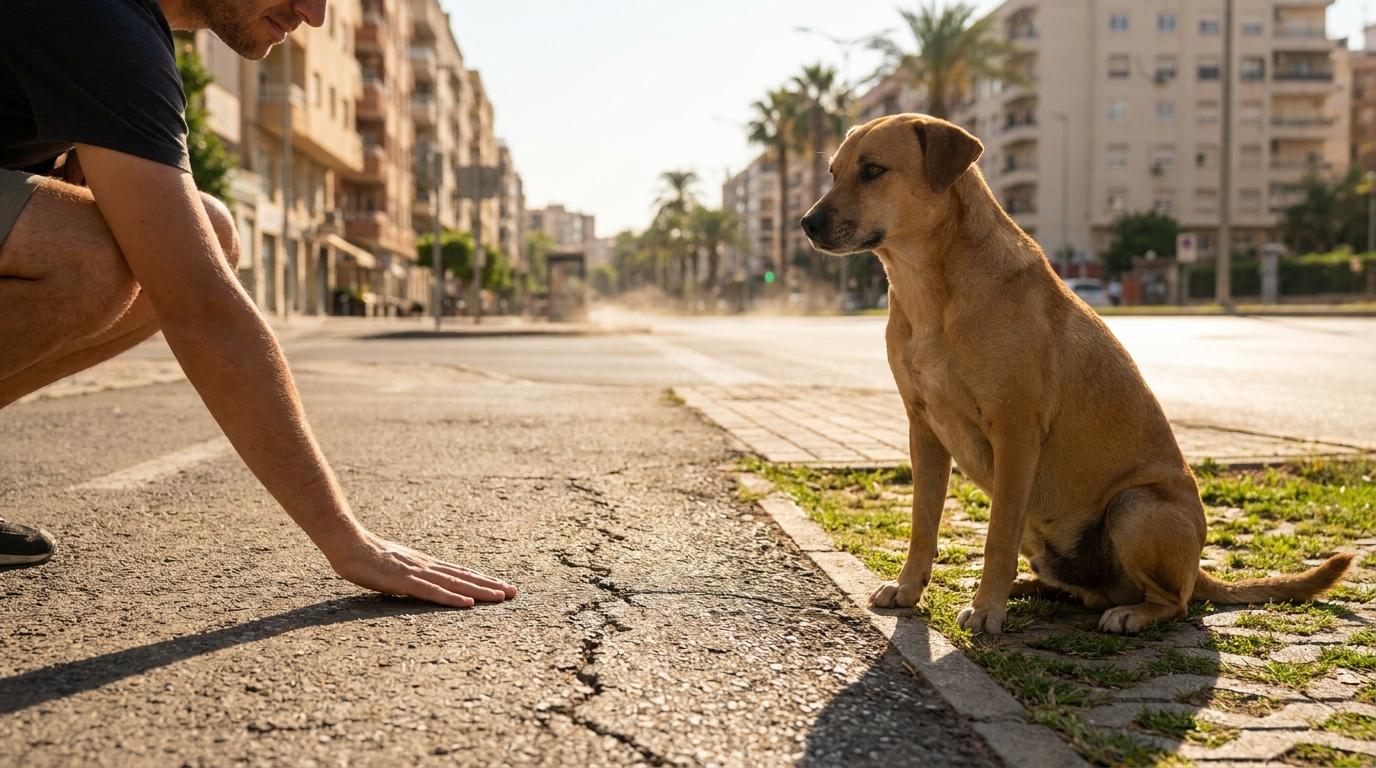
As summer temperatures climb, pet owners must remain vigilant about the hidden dangers beneath their feet. Hot Pavement Paw Burns in Dogs: Summer Safety Tips for Florida is an essential guide for those navigating the intense, humid heat of the Sunshine State or the scorching, concrete-heavy streets of New York City. When air temperatures reach just 87 degrees, asphalt can soar to a blistering 140 degrees, which is hot enough to cause severe thermal burns in mere seconds. Understanding these risks is the first step in protecting your companion.
Recognizing the signs of injury, such as limping, excessive paw licking, or visible blistering, is vital for every pet parent. While prevention remains your best defense, accidents can still happen. If you suspect your dog has suffered a burn, RexVet offers a fast, reliable way to speak with a licensed online vet for non-emergency guidance. Through our virtual triage service , you can receive professional advice from the comfort of home, helping you determine if a visit to an emergency clinic is necessary. For ongoing concerns, you can easily book an appointment to ensure your pet stays safe and comfortable all season long.
Why Hot Pavement Is Dangerous for Your Dog
Understanding the science behind Hot Pavement Paw Burns in Dogs: Summer Safety Tips for Florida and New York Pet Owners is crucial for protecting your pet. Paw pads are sensitive tissues that can suffer deep, painful thermal injuries when they contact surfaces exceeding 125 degrees Fahrenheit. In Florida, high humidity traps heat in sidewalks, while New York City's dense urban infrastructure absorbs solar radiation, creating a heat-sink effect that remains dangerous long after sunset.
When a dog walks on these surfaces, the heat causes the outer layer of the pad to separate from the underlying dermis, leading to blistering and extreme pain. To prevent this, apply the 7-second rule: place the back of your hand on the pavement; if you cannot comfortably hold it there for seven seconds, it is too hot for your dog. Implementing these Hot Pavement Paw Burns in Dogs: Summer Safety Tips for Florida and New York Pet Owners is essential for urban and suburban dwellers alike.
- Walk during cooler dawn or dusk hours.
- Seek grassy or shaded paths instead of direct sunlit asphalt.
- Consider protective booties for sensitive paws.
- Check for redness or peeling after every walk.
If you notice signs of injury, our team at RexVet offers immediate virtual triage to assess the severity of the burn and guide your next steps. You can easily book an appointment for professional advice from the comfort of home.
Regional Risks: Florida Humidity vs New York Concrete
When considering Hot Pavement Paw Burns in Dogs: Summer Safety Tips for Florida, it is vital to recognize how geography dictates risk. In Florida, the combination of high humidity and intense solar radiation creates a greenhouse effect on sidewalks, while New York City creates a distinct urban heat island. Concrete and asphalt in dense cities absorb massive amounts of heat throughout the day, often remaining dangerously warm long after the sun sets. This trapped thermal energy is a hidden hazard for city dwellers.
Understanding the difference between ambient air temperature and surface temperature is a cornerstone of Hot Pavement Paw Burns in Dogs: Summer Safety Tips for Florida. Even on a relatively mild day, surface temperatures can exceed 130 degrees Fahrenheit. If your dog shows signs of discomfort, such as sudden limping or excessive licking, you can use RexVet to consult with a licensed veterinarian immediately. Our virtual triage helps you decide if a simple home cooling method is enough or if your pet needs urgent in-person care. You can also book an appointment to discuss long-term paw health strategies with our team.
The 7-Second Rule for Testing Ground Temperature
Mastering the 7-second rule is a game-changer for Hot Pavement Paw Burns in Dogs: Summer Safety Tips for Florida and New York Pet Owners. Before heading out for a walk, press the back of your hand firmly against the ground for seven full seconds. If the surface feels uncomfortably hot to your skin, it is far too dangerous for your dog's sensitive pads. This simple test is essential because asphalt can reach temperatures significantly higher than the ambient air, often exceeding 135 degrees Fahrenheit in direct sunlight.
By practicing this quick check, you can avoid the painful consequences of thermal injuries. If your pet shows signs of distress, such as hesitating to walk or constantly lifting their paws, our team at RexVet is here to help. Through our virtual triage service , you can consult with a licensed professional to determine if home care is appropriate or if you need to seek urgent in-person attention. Prioritizing these Hot Pavement Paw Burns in Dogs: Summer Safety Tips for Florida and New York Pet Owners keeps your walks enjoyable and safe. If you have any lingering concerns about your pet's paw health, you can easily book an appointment for expert guidance today.
Identifying Signs of Burned Paw Pads
When discussing Hot Pavement Paw Burns in Dogs: Summer Safety Tips for Florida and New York Pet Owners, identifying early physical indicators is essential. Your dog cannot tell you their feet hurt, so you must look for subtle behavioral changes. Common symptoms include a sudden reluctance to walk on pavement, frequent limping, or persistent licking of the paw pads. You might also notice redness, inflammation, or the development of blisters and peeling skin, which indicate a serious thermal injury.
If you observe these signs, immediate action is required to prevent infection. Hot Pavement Paw Burns in Dogs: Summer Safety Tips for Florida and New York Pet Owners emphasizes that while superficial redness may resolve with rest, deeper burns require professional evaluation. Do not wait for the condition to worsen. You can use RexVet to connect with a licensed veterinarian via our virtual triage service. This allows you to receive expert guidance on whether your pet needs urgent in-person care or can be managed safely at home. If you are worried about your dog's recovery, you can book an appointment to speak with our team for personalized, professional advice.
Smart Strategies for Safer Summer Walks
Adjusting your daily routine is the most effective way to prevent Hot Pavement Paw Burns in Dogs: Summer Safety Tips for Florida and New York Pet Owners. During the peak of summer, surface temperatures often stay dangerously high well into the evening, making early morning walks your best option. By heading out before 8:00 AM, you ensure the ground has had time to cool overnight, protecting your pet's sensitive paw pads from thermal damage.
If your schedule requires evening exercise, wait until the sun has fully set and the ground has released its stored heat. In urban environments like New York, concrete retains warmth for hours, so choosing grassy routes or shaded parks is essential. For those in Florida, high humidity can make even late-day walks risky. Following these Hot Pavement Paw Burns in Dogs: Summer Safety Tips for Florida and New York Pet Owners helps maintain your dog's comfort and health.
If you are unsure about the safety of your route, our team at RexVet offers 24/7 virtual triage to help you assess risks. You can also book an appointment to discuss long-term paw care strategies with a licensed veterinarian.
Protective Gear and Footwear for Sensitive Paws
When discussing Hot Pavement Paw Burns in Dogs: Summer Safety Tips for Florida and New York Pet Owners, investing in physical barriers can be a lifesaver. Protective booties serve as a reliable shield against extreme surface heat, especially on asphalt that can reach temperatures exceeding 140 degrees Fahrenheit. For dogs that resist wearing shoes, specialized paw wax provides a temporary, breathable layer of protection that helps insulate pads from minor heat exposure during quick transitions.
While these tools are helpful, they do not replace the need for vigilant monitoring. Even with gear, it is critical to keep walks brief during peak heat hours. If you are unsure whether your dog's paws are adequately protected or if you notice signs of irritation despite using these aids, RexVet is here to help. You can access our virtual triage service at https://www.rexvet.org/express to speak with a licensed veterinarian about the best safety gear for your pet's specific needs. Following these Hot Pavement Paw Burns in Dogs: Summer Safety Tips for Florida and New York Pet Owners ensures you stay prepared for any situation. If you need further expert advice, you can book an appointment for a personalized consultation.
Immediate First Aid for Suspected Paw Burns
If you suspect your pet has suffered an injury, immediate action is essential. When managing Hot Pavement Paw Burns in Dogs: Summer Safety Tips for Florida and New York Pet Owners, the first step is to move your dog to a cool, shaded area immediately. Gently flush the affected paw pads with cool—not ice-cold—water for ten to fifteen minutes to draw out heat and soothe inflammation. Avoid applying ice, as extreme cold can restrict blood flow and worsen tissue damage. Once cooled, pat the area dry with a clean cloth and keep your dog off hard surfaces to prevent further irritation.
While these cooling steps provide temporary relief, professional assessment is vital to rule out secondary infections or deep-tissue damage. Hot Pavement Paw Burns in Dogs: Summer Safety Tips for Florida and New York Pet Owners requires a proactive approach to recovery. You can connect with a licensed veterinarian through RexVet for rapid virtual triage. Our team will evaluate the severity of the burns via video call, helping you decide if home care is sufficient or if an urgent in-person visit is necessary. For ongoing monitoring, you can book an appointment to ensure your pet heals comfortably.
When to Seek Professional Veterinary Guidance
Knowing when to seek professional veterinary guidance is critical for Hot Pavement Paw Burns in Dogs: Summer Safety Tips for Florida and New York Pet Owners. While minor irritation might respond to rest, deep tissue damage requires expert eyes. If you notice persistent bleeding, deep ulcers, or signs of infection like pus or a foul odor, do not delay. These symptoms indicate injuries that go beyond simple surface burns and may require antibiotics or advanced wound care.
For owners navigating the unique challenges of Hot Pavement Paw Burns in Dogs: Summer Safety Tips for Florida and New York Pet Owners, RexVet provides a vital safety net. Our platform offers 24/7 virtual triage, allowing you to connect with a licensed veterinarian immediately. Through a secure video call, we can assess the severity of the burns and advise whether you need an urgent in-person visit or can manage the recovery at home. You can start a consultation at https://www.rexvet.org/express to get peace of mind. If your pet requires a follow-up, you can easily book an appointment to ensure your dog stays comfortable and safe throughout the summer season.
Using RexVet for Virtual Paw Burn Triage
When you notice your dog acting strangely after a walk, RexVet provides a seamless way to access expert care. Our virtual triage service allows you to connect with a licensed veterinarian via video call, which is perfect for assessing Hot Pavement Paw Burns in Dogs: Summer Safety Tips for Florida and New York Pet Owners without the stress of a clinic visit. Instead of guessing if a blister requires urgent care, our team helps you evaluate the injury in real-time.
By using our platform, you can share clear video of your dog's paws, allowing our vets to provide immediate, professional guidance. This is a vital component of Hot Pavement Paw Burns in Dogs: Summer Safety Tips for Florida and New York Pet Owners, ensuring your pet gets the right care at the right time. Whether you need instructions on at-home soothing or a referral for an in-person exam, our 24/7 service is here for you. Start your assessment today at https://www.rexvet.org/express or book an appointment to discuss long-term paw health with a professional.
Next Steps for Your Pet's Summer Wellness
Beyond immediate prevention, your pet's long-term wellness requires consistent monitoring. As you navigate Hot Pavement Paw Burns in Dogs: Summer Safety Tips for Florida and New York Pet Owners, remember that even healed pads can remain sensitive to extreme heat. Establishing a routine of regular paw checks helps you catch early signs of discomfort before they escalate into chronic issues. If you notice your dog frequently shifting weight or displaying persistent sensitivity, professional guidance is essential to ensure proper healing and long-term pad health.
RexVet provides a convenient, non-profit solution for ongoing support. By utilizing our virtual consultations , you can discuss your dog's specific needs with a licensed veterinarian without the stress of clinic travel. Whether you need advice on protective gear or want to create a tailored summer exercise plan, our team is here to help. Following our Hot Pavement Paw Burns in Dogs: Summer Safety Tips for Florida and New York Pet Owners ensures your companion stays active and pain-free. When you are ready for a deeper look at your pet's health, you can easily book an appointment to receive personalized, expert veterinary care from the comfort of home.
What words do dogs hear best?
Dogs rely on their sensitive paw pads to navigate the world, but these structures are highly susceptible to thermal damage. When researching Hot Pavement Paw Burns in Dogs: Summer Safety Tips for Florida and New York Pet Owners, it is helpful to know that a dog's pads are not just skin; they contain specialized fatty tissue and nerve endings that act as shock absorbers. Unlike human feet, these pads lack sweat glands, making them unable to regulate temperature effectively against scorching surfaces.
Data suggests that even when air temperatures feel manageable, asphalt can reach 140 degrees Fahrenheit, causing third-degree burns within seconds. For those seeking Hot Pavement Paw Burns in Dogs: Summer Safety Tips for Florida and New York Pet Owners, understanding that urban heat islands in cities like New York trap this energy long after sunset is vital. If you notice your dog hesitating to step on pavement, it is time to consult a professional. You can easily access 24/7 virtual triage at https://www.rexvet.org/express to get immediate guidance. If you need a more comprehensive plan, feel free to book an appointment to discuss long-term paw wellness with our licensed team.
Frequently Asked Questions
How can I tell if the ground is too hot for my dog's paws?
You should use the 7-second rule to prevent Hot Pavement Paw Burns in Dogs: Summer Safety Tips for Florida. Place the back of your hand against the pavement for seven seconds. If it feels too hot for your skin, it is definitely too hot for your dog's sensitive paw pads. In places like Florida or urban New York, asphalt can reach temperatures far higher than the air, leading to serious burns very quickly.
What are the common signs of paw pad burns in dogs?
If you suspect your dog has been affected by hot surfaces, watch for limping, persistent licking of the paws, or a refusal to walk. You might also notice redness, blisters, or skin that appears to be peeling away from the pads. Because these signs can indicate injury, it is important to monitor your pet closely after walks. If you are unsure about the severity, RexVet offers 24/7 virtual consultations to help you triage these symptoms from home.
What should I do if my dog suffers a paw burn?
If you notice signs of a burn, immediately move your dog to a cool, shaded area. Gently flush the paw with cool water to soothe the area and prevent further damage. Avoid applying ointments until you have spoken with a professional. For immediate guidance on whether your pet needs an urgent in-person clinic visit, you can use our RexVet Express service to speak with a licensed veterinarian who can assess the injury via video call.
Are there specific summer safety tips for dogs in Florida versus New York?
While Hot Pavement Paw Burns in Dogs: Summer Safety Tips for Florida apply everywhere, the challenges differ. In Florida, the extreme humidity and direct sun mean pavement stays hot for longer periods. In New York, the dense urban concrete absorbs and retains heat from buildings, creating heat islands. Regardless of your location, try to walk your dog early in the morning or late in the evening when the sun is low to keep their paws safe.
Should I use protective booties for my dog during the summer?
Protective booties can be a great way to shield your dog's paws from extreme surface temperatures. However, they are not a replacement for common sense. Always ensure the fit is correct so they do not cause discomfort or overheating. If you are struggling to manage your pet's summer health, you can book an appointment with a RexVet professional to discuss the best preventive gear and safety strategies tailored to your dog's specific needs.
When should I seek professional veterinary care for a paw injury?
You should seek veterinary care if the burn shows deep blisters, bleeding, or if your dog is in visible distress. If you are ever in doubt, our non-profit platform provides a fast, affordable way to get professional advice. Using our virtual triage service helps you avoid unnecessary stress for your pet and saves you a trip to an emergency clinic for minor concerns that can be managed with professional guidance at home.
FAQs
How can I tell if the ground is too hot for my dog's paws?
You should use the 7-second rule to prevent Hot Pavement Paw Burns in Dogs: Summer Safety Tips for Florida and New York Pet Owners. Place the back of your hand against the pavement for seven seconds. If it feels too hot for your skin, it is definitely too hot for your dog's sensitive paw pads. In places like Florida or urban New York, asphalt can reach temperatures far higher than the air, leading to serious burns very quickly.
What are the common signs of paw pad burns in dogs?
If you suspect your dog has been affected by hot surfaces, watch for limping, persistent licking of the paws, or a refusal to walk. You might also notice redness, blisters, or skin that appears to be peeling away from the pads. Because these signs can indicate injury, it is important to monitor your pet closely after walks. If you are unsure about the severity, RexVet offers 24/7 virtual consultations to help you triage these symptoms from home.
What should I do if my dog suffers a paw burn?
If you notice signs of a burn, immediately move your dog to a cool, shaded area. Gently flush the paw with cool water to soothe the area and prevent further damage. Avoid applying ointments until you have spoken with a professional. For immediate guidance on whether your pet needs an urgent in-person clinic visit, you can use our RexVet Express service to speak with a licensed veterinarian who can assess the injury via video call.
Are there specific summer safety tips for dogs in Florida versus New York?
While Hot Pavement Paw Burns in Dogs: Summer Safety Tips for Florida and New York Pet Owners apply everywhere, the challenges differ. In Florida, the extreme humidity and direct sun mean pavement stays hot for longer periods. In New York, the dense urban concrete absorbs and retains heat from buildings, creating heat islands. Regardless of your location, try to walk your dog early in the morning or late in the evening when the sun is low to keep their paws safe.
Should I use protective booties for my dog during the summer?
Protective booties can be a great way to shield your dog's paws from extreme surface temperatures. However, they are not a replacement for common sense. Always ensure the fit is correct so they do not cause discomfort or overheating. If you are struggling to manage your pet's summer health, you can book an appointment with a RexVet professional to discuss the best preventive gear and safety strategies tailored to your dog's specific needs.
When should I seek professional veterinary care for a paw injury?
You should seek veterinary care if the burn shows deep blisters, bleeding, or if your dog is in visible distress. If you are ever in doubt, our non-profit platform provides a fast, affordable way to get professional advice. Using our virtual triage service helps you avoid unnecessary stress for your pet and saves you a trip to an emergency clinic for minor concerns that can be managed with professional guidance at home.
Medically Reviewed
Reviewed by Dr. Tiffany Delacruz, DVM — licensed veterinarian and CEO of RexVet. Last reviewed May 22, 2026.
Content is for informational purposes and does not replace professional veterinary advice.
Chief Executive Officer · Licensed Veterinarian
Dr. Delacruz is a licensed Doctor of Veterinary Medicine specializing in preventive care and veterinary telehealth. She reviews all health content on RexVet to ensure accuracy and clinical relevance.
Sources & References
- · American Veterinary Medical Association — Telehealth Guidelines
- · AVMA — Pet Care Resources
- · U.S. FDA — Animal & Veterinary
Need an Expert Opinion on This Topic?
Connect with a certified vet via video call in minutes
Talk to Vet Now