
Changes in Canine Appetite: When It’s a Warning Sign
By RexVet Team | Reviewed by Dr. Tiffany Delacruz, DVM
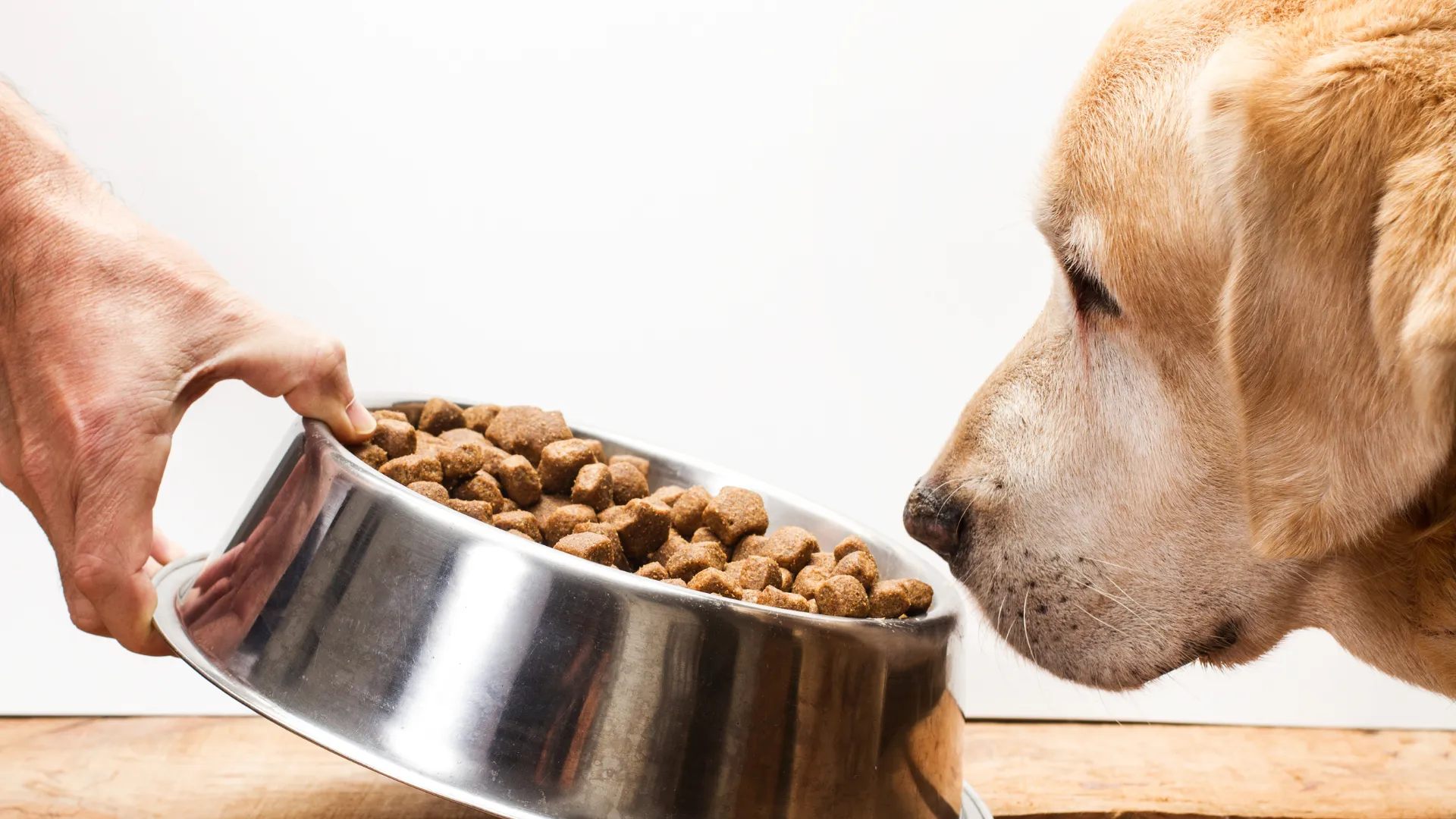
1. The Evolutionary Drive: Why Dogs "Should" Be Hungry
In the wild, canines are opportunistic scavengers. Their biology is wired to eat whenever food is available. Therefore, a dog refusing food is one of the most reliable indicators of systemic illness. In clinical terms, we look at Anorexia (no eating) vs. Hyporexia (picky eating).
2. The "Selective Eater" Fallacy
A common owner mistake is saying, "He won't eat his kibble, but he'll eat a piece of chicken, so he's just being stubborn." In reality, the dog is likely experiencing nausea. High-value human food can sometimes trigger a "survival" eating response that overrides nausea, but the refusal of their standard diet is a clinical sign of Digestive Conditions.
3. Top Pathological Causes for Appetite Change
Metabolic Issues: Kidney or Liver failure causes a buildup of metabolic waste in the blood (uremia), which makes the dog feel profoundly nauseous.
Gastrointestinal Obstruction: If a dog eats a foreign object (sock, toy), the blockage stops motility. This is a surgical Emergency.
Dental & Oral Pain: Sometimes the hunger is there, but the physical act of chewing is excruciating due to abscesses or fractured teeth.
4. The Distended Abdomen: The 15-Minute Rule
If your dog stops eating and their abdomen looks bloated or feels hard, this is not a "wait and see" situation.
GDV (Bloat): This is where the stomach twists on itself. It is a fatal condition within hours.
Signs: Non-productive retching (trying to vomit but nothing comes up) and a sudden drop in appetite. This requires an immediate In-Person Care visit.
5. Nutrition & Transitioning: When to Worry
If you have recently changed diets, a temporary drop in appetite might be linked to Nutrition & Diet-Related Health or food allergies. However, if the refusal lasts more than 24 hours, the risk of dehydration and hepatic lipidosis (especially in smaller dogs) increases.
Related reading: Dropping food or chewing on one side? dental disease costs and symptoms.
Related reading: If your vet suggests labs: dog bloodwork costs and what CBC/chemistry results mean.
What are the signs of "Bloat" (GDV) related to eating? ▾
My dog eats chicken but refuses his kibble. Is he just being stubborn? ▾
How long can I wait if my dog stops eating? ▾
[Click here to Book a Digestive Health Exam] if your dog has stopped eating for more than 24 hours.
Medically Reviewed
Reviewed by Dr. Tiffany Delacruz, DVM — licensed veterinarian and CEO of RexVet. Last reviewed January 8, 2026.
Content is for informational purposes and does not replace professional veterinary advice.
Chief Executive Officer · Licensed Veterinarian
Dr. Delacruz is a licensed Doctor of Veterinary Medicine specializing in preventive care and veterinary telehealth. She reviews all health content on RexVet to ensure accuracy and clinical relevance.
Sources & References
- · American Veterinary Medical Association — Telehealth Guidelines
- · AVMA — Pet Care Resources
- · U.S. FDA — Animal & Veterinary
Need an Expert Opinion on This Topic?
Connect with a certified vet via video call in minutes
Talk to Vet Now