
Can Dogs Eat Mango, Grapes, Peanuts, or Potatoes? Online Vet Safety Guide
By RexVet Team | Reviewed by Dr. Tiffany Delacruz, DVM
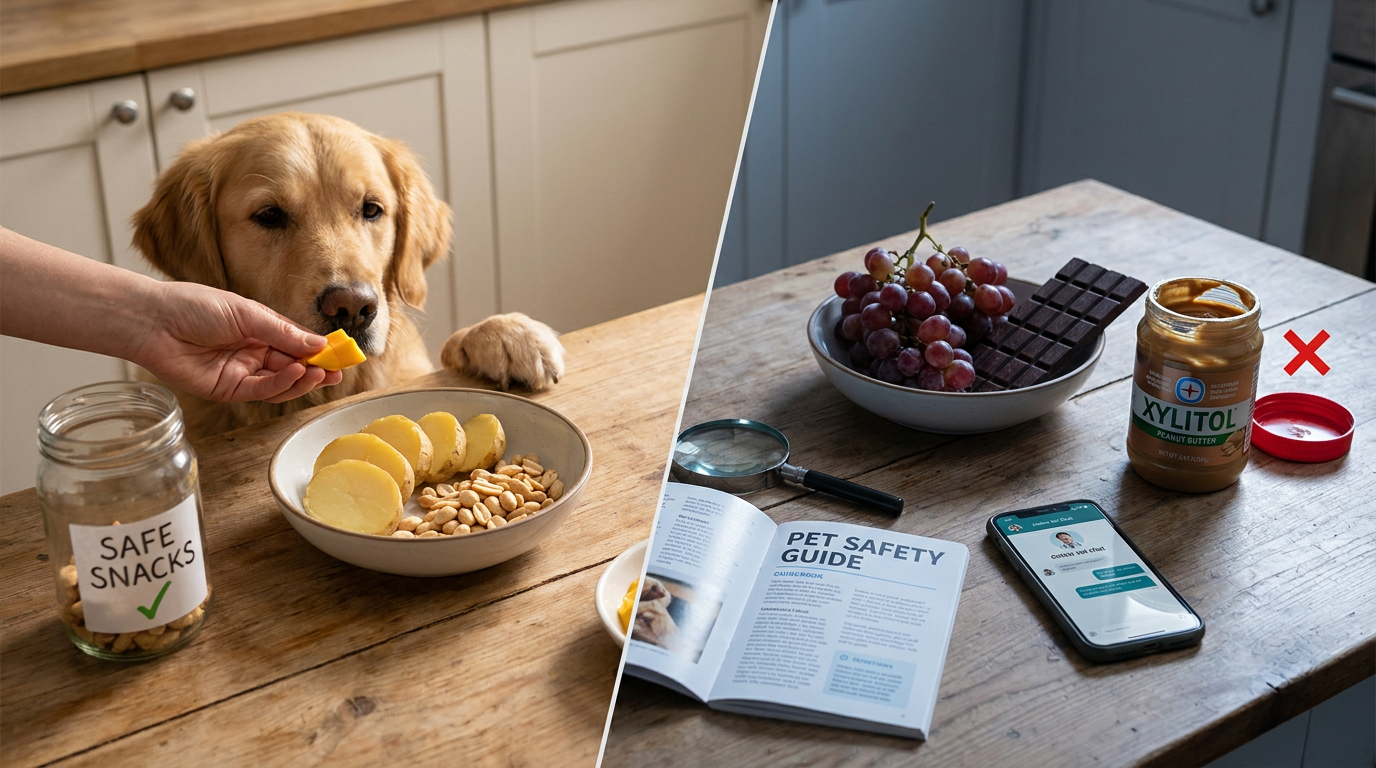
As a devoted pet parent, you likely find yourself sharing snacks with your furry companion, but it is vital to know which human foods are safe and which pose a risk. Our guide to what dogs can eat is designed to help you navigate these common kitchen questions with confidence. While some fruits and vegetables offer nutritional benefits in moderation, others can lead to severe digestive upset or even life-threatening conditions.
Understanding the difference between a harmless treat and a toxic ingestion is the first step in responsible pet care. Whether you are curious if your dog can safely enjoy a slice of mango or you are worried about a stray grape falling on the floor, our guide to safe and unsafe foods for dogs provides the expert insights you need. By following the 10% rule for treats and keeping dangerous items out of reach, you can protect your pet from unnecessary health risks. If you ever find yourself in a situation where your dog has consumed something questionable, remember that professional veterinary advice is just a click away to help you determine if an urgent clinic visit is truly necessary.
Human Foods Dogs Can Usually Eat in Moderation
Sharing small portions of human food can be a wonderful bonding experience, but safety is paramount. When exploring the foods dogs can and cannot eat, it is helpful to know which items are generally safe when prepared correctly. Plain, cooked potatoes are fine, but raw potatoes contain solanine, which is toxic. Peanuts are safe in moderation as long as they are unsalted and free of xylitol, while mango flesh is a vitamin-rich treat once the pit and skin are removed.
To keep your pet healthy, follow the 10% rule, ensuring treats do not exceed ten percent of their daily caloric intake. This simple practice prevents digestive upset and obesity. While these snacks are generally safe, always monitor for reactions like vomiting or lethargy. For those using our guide, remember that individual sensitivities vary. If you are ever unsure about a specific food or portion size, our licensed veterinarians are available for a quick, affordable 24/7 virtual consultation to provide peace of mind without the stress of an unnecessary emergency clinic trip.
Foods Dogs Should Avoid
While many kitchen staples are safe, learning which items cause digestive distress is a critical part of our food safety guide for dogs. Some foods trigger mild stomach upset, while others cause severe illness. For instance, high-fat snacks like macadamia nuts or foods containing xylitol can lead to rapid toxicity. Even seemingly harmless items like onions or garlic contain compounds that damage canine red blood cells, potentially causing anemia.
When consulting our food safety guide, remember that individual body weight significantly impacts risk. A small dog consuming a large amount of a questionable food is at higher risk than a larger breed. Watch for symptoms such as persistent vomiting, diarrhea, lethargy, or loss of appetite , which often indicate that a food has caused more than just a minor upset. If your pet shows these signs, do not wait for the situation to escalate. Our 24/7 virtual platform offers affordable triage to help you determine if your pet needs immediate in-person care or if you can monitor them safely at home, saving you unnecessary stress and expense.
Toxic Foods That Need Urgent Action
When dealing with potentially life-threatening ingestions, time is your greatest enemy. Our guide emphasizes that certain substances require immediate intervention to prevent organ failure. Grapes and raisins are notoriously dangerous, as even small quantities can trigger acute kidney failure in susceptible dogs. Similarly, cherries contain pits that pose a significant choking hazard and release cyanide when chewed. Chocolate, especially dark varieties, contains theobromine, which induces dangerous heart arrhythmias. Finally, xylitol—a common sugar substitute found in peanut butter and gum—causes rapid, severe drops in blood sugar and liver damage. If you suspect your pet has eaten any of these, contact a veterinarian or animal poison control right away rather than trying to judge the risk yourself using our food safety guide. Because these items are highly toxic, waiting for symptoms like tremors or seizures to appear is never recommended. If your dog ate something questionable, ask a licensed vet online for $64.99 to determine if you need to head to an emergency clinic immediately.
Toxic Item | Primary Risk |
|---|---|
Grapes/Raisins | Kidney Failure |
Xylitol | Hypoglycemia/Liver Damage |
Chocolate | Heart Arrhythmias |
Cherry Pits | Cyanide/Obstruction |
Grapes, Cherries, Chocolate, and Xylitol Hazards
When you browse our guide to human foods for dogs, you gain access to vital insights regarding common household items that might seem harmless but carry hidden risks. While many pet owners treat their dogs like family members, it is crucial to recognize that canine metabolism differs significantly from our own. For instance, while a small piece of cooked potato is typically safe, raw tubers or those with green skins contain solanine, a compound that can trigger serious gastrointestinal distress. Similarly, while peanuts are generally safe, they must be raw or dry-roasted without salt or additives like xylitol, which is extremely dangerous even in tiny amounts.
Using the food safety guide helps you distinguish between safe treats and potential hazards before an accident occurs. If your dog consumes something questionable, our platform offers a fast, affordable way to get professional guidance. If your dog ate something questionable, ask a licensed vet online for $64.99 to determine if you need to visit an emergency clinic, saving you from unnecessary stress and high costs while ensuring your pet receives the expert care they deserve.
What to Do If Your Dog Ate Something Unsafe
If you suspect your pet has consumed a hazardous substance, immediate action is vital. First, remove any remaining food from your dog's reach to prevent further ingestion. Do not attempt to induce vomiting unless specifically instructed by a professional, as improper techniques can lead to aspiration pneumonia. Keep a sample of the packaging or the food itself, as this helps our team identify exact ingredients like hidden xylitol.
Our licensed veterinarians can help you quickly assess the severity of the situation. While you stay calm, observe your dog for signs like lethargy, drooling, or unusual behavior. Our food safety guide emphasizes that time is a critical factor in successful triage.
If you are worried about the amount eaten, our virtual platform provides an affordable way to get expert guidance. If your dog ate something questionable, ask a licensed vet online for $64.99 to determine if you need to head to an emergency clinic immediately. This proactive step helps you avoid unnecessary stress and high costs while ensuring your pet receives the professional care they need.
When an Online Vet Can Help
When your pet consumes an unknown substance, the clock starts ticking. A quick online vet consult serves as your first line of defense, helping you distinguish between a minor stomach ache and a true medical emergency. Telehealth is ideal for non-emergency triage, allowing you to describe symptoms like lethargy or vomiting to a professional without the stress and high costs of an unnecessary late-night clinic visit.
By using our platform, you gain access to licensed veterinarians who can assess the risk based on your dog's weight and the specific amount ingested. This data-driven approach often saves owners from expensive, avoidable trips to the emergency room. Whether you are questioning the safety of a snack or observing mild digestive upset, our guide to safe foods for dogs is a helpful starting point, but our licensed veterinarians offer the clarity you need to make informed decisions. If your dog ate something questionable, ask a licensed vet online for $64.99 to receive compassionate guidance tailored to your pet's unique needs.
Ask RexVet for $64.99
When you need quick answers about pet nutrition, our food safety guide is your go-to resource for affordable, expert-led advice. Many pet parents worry about accidental ingestion, but our platform helps you distinguish between safe snacks and potential emergencies. For instance, while plain, cooked potatoes are a safe source of carbohydrates, raw varieties contain solanine, which can cause significant gastrointestinal distress. Similarly, mango flesh is a vitamin-rich treat, provided you remove the pit, which poses a serious choking hazard.
Using our guide helps you make informed feeding decisions, and our licensed veterinarians can help you avoid the high costs of an unnecessary emergency room visit. We prioritize transparency and accessibility, ensuring you can reach a licensed veterinarian who can help triage your pet's health from home. If you are ever uncertain about a specific food or your dog's reaction, our team of licensed veterinarians is ready to assist you. If your dog ate something questionable, ask a licensed vet online for $64.99 to receive professional guidance tailored to your pet's specific needs, helping you save on unnecessary clinic fees while keeping your companion safe.
Frequently Asked Questions
Can dogs eat mango safely?
Yes, dogs can eat mango in moderation. It is a healthy snack rich in vitamins A, B6, C, and E. However, you must always remove the pit, as it is a choking hazard and can cause intestinal blockage. Also, peel the skin to make it easier to digest. As outlined in our food safety guide, always introduce new foods slowly to avoid digestive upset.
Are grapes and raisins toxic to dogs?
Yes, grapes and raisins are highly toxic to dogs and can lead to sudden, severe kidney failure. Even a small amount can be dangerous, and there is no known safe dose. If your dog has ingested any amount of grapes or raisins, you should seek immediate veterinary care. Do not wait for symptoms to appear; contact a professional right away to assess the risk.
Can dogs eat peanuts and peanut butter?
Dogs can generally eat peanuts in moderation, provided they are unsalted and shelled. Peanut butter is also a popular treat, but you must ensure it does not contain xylitol, an artificial sweetener that is extremely toxic to dogs. Always check the ingredient label carefully before sharing, as noted in our food safety guide.
Is it safe for dogs to eat potatoes?
Dogs can eat cooked, plain potatoes, but they should never eat them raw. Raw potatoes contain solanine, which is harmful to pets. Furthermore, potatoes should only be served in moderation as they are high in carbohydrates. Avoid feeding your dog fried potatoes or those with added butter, salt, or seasonings, as these can cause significant digestive upset or other health issues.
What should I do if my dog ate something toxic?
If you suspect your dog has eaten something toxic, such as grapes, chocolate, or products containing xylitol, time is critical. Do not wait for signs of illness like vomiting or tremors. Use our RexVet service to consult with a licensed veterinarian immediately. We can help you triage the situation and determine if you need to head to an emergency clinic or if the ingestion can be managed safely.
How do I know if a human food is safe for my dog?
When considering human foods for dogs, always prioritize safety by researching the specific item first. Our food safety guide serves as a great starting point for common items. If you are ever unsure about a food's safety, the 10% rule is a good guideline: treats should make up no more than 10% of your dog's daily calories. When in doubt, consult a vet.
FAQs
Can dogs eat mango safely?
Yes, dogs can eat mango in moderation. It is a healthy snack rich in vitamins A, B6, C, and E. However, you must always remove the pit, as it is a choking hazard and can cause intestinal blockage. Also, peel the skin to make it easier to digest. As outlined in our food safety guide, always introduce new foods slowly to avoid digestive upset.
Are grapes and raisins toxic to dogs?
Yes, grapes and raisins are highly toxic to dogs and can lead to sudden, severe kidney failure. Even a small amount can be dangerous, and there is no known safe dose. If your dog has ingested any amount of grapes or raisins, you should seek immediate veterinary care. Do not wait for symptoms to appear; contact a professional right away to assess the risk.
Can dogs eat peanuts and peanut butter?
Dogs can generally eat peanuts in moderation, provided they are unsalted and shelled. Peanut butter is also a popular treat, but you must ensure it does not contain xylitol, an artificial sweetener that is extremely toxic to dogs. Always check the ingredient label carefully before sharing, as noted in our food safety guide.
Is it safe for dogs to eat potatoes?
Dogs can eat cooked, plain potatoes, but they should never eat them raw. Raw potatoes contain solanine, which is harmful to pets. Furthermore, potatoes should only be served in moderation as they are high in carbohydrates. Avoid feeding your dog fried potatoes or those with added butter, salt, or seasonings, as these can cause significant digestive upset or other health issues.
What should I do if my dog ate something toxic?
If you suspect your dog has eaten something toxic, such as grapes, chocolate, or products containing xylitol, time is critical. Do not wait for signs of illness like vomiting or tremors. Use our RexVet service to consult with a licensed veterinarian immediately. We can help you triage the situation and determine if you need to head to an emergency clinic or if the ingestion can be managed safely.
How do I know if a human food is safe for my dog?
When considering human foods for dogs, always prioritize safety by researching the specific item first. Our food safety guide serves as a great starting point for common items. If you are ever unsure about a food's safety, the 10% rule is a good guideline: treats should make up no more than 10% of your dog's daily calories. When in doubt, consult a vet.
Medically Reviewed
Reviewed by Dr. Tiffany Delacruz, DVM — licensed veterinarian and CEO of RexVet. Last reviewed June 3, 2026.
Content is for informational purposes and does not replace professional veterinary advice.
Chief Executive Officer · Licensed Veterinarian
Dr. Delacruz is a licensed Doctor of Veterinary Medicine specializing in preventive care and veterinary telehealth. She reviews all health content on RexVet to ensure accuracy and clinical relevance.
Sources & References
- · American Veterinary Medical Association — Telehealth Guidelines
- · AVMA — Pet Care Resources
- · U.S. FDA — Animal & Veterinary
Need an Expert Opinion on This Topic?
Connect with a certified vet via video call in minutes
Talk to Vet Now