
How Often Should You Feed a Cat? A Practical Guide
By RexVet Team | Reviewed by Dr. Tiffany Delacruz, DVM
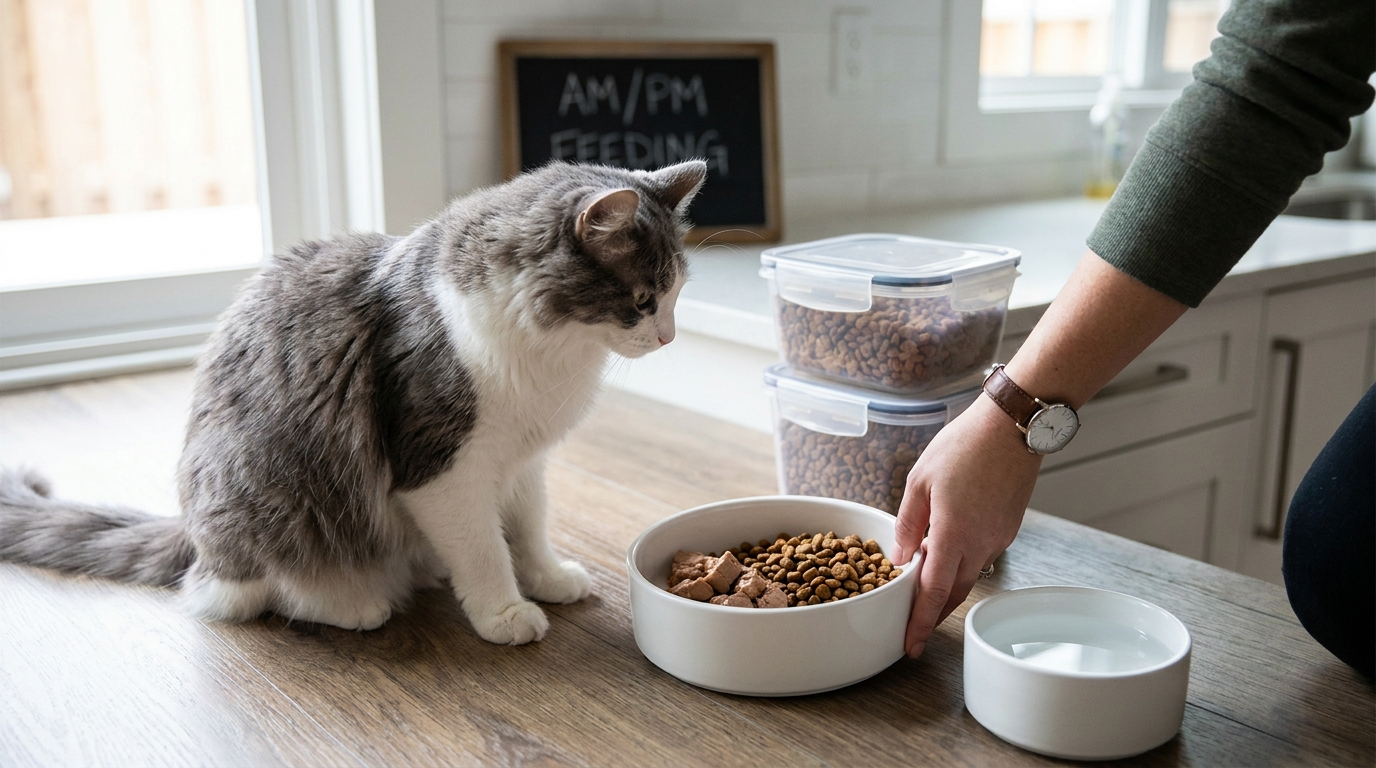
Determining the right feeding routine is one of the most important aspects of feline care. Many pet owners ask how often a cat should eat as they navigate the unique nutritional needs of their companions. Because cats are obligate carnivores, their digestive systems are designed for small, frequent meals rather than large, infrequent ones. Understanding the ideal frequency helps maintain your cat's metabolic health and prevents common issues like obesity or digestive distress.
When building a schedule, you must account for variables such as age, activity level, and underlying health conditions . While an active kitten requires multiple feedings throughout the day to support rapid growth, a sedentary senior cat might thrive on a more structured, portion-controlled schedule. Whether you are balancing wet food for hydration or dry food for convenience, consistency is key to your pet's long-term wellness. If you find yourself struggling to establish a healthy routine, remember that professional guidance is accessible. At RexVet, our licensed veterinarians provide expert nutritional advice through virtual consultations, ensuring your pet receives a tailored plan that fits your lifestyle and their specific needs.
How Often Adult Cats Usually Eat
Most healthy adults thrive on a consistent schedule of two meals per day. While some owners prefer a single large serving, splitting the total daily caloric intake into two portions helps stabilize blood sugar levels and prevents the digestive system from becoming overwhelmed. This approach is particularly effective for managing weight and monitoring intake in multi-pet households.
Several factors influence the ideal routine for your companion:
- Activity Levels: Highly active indoor cats may require more frequent, smaller meals to sustain energy, whereas sedentary cats benefit from strict portion control to avoid obesity.
- Health Status: Cats with specific medical histories or those requiring medication often need a rigid schedule to align with their treatment plans.
- Environmental Factors: In multi-cat homes, scheduled meal times allow you to ensure each pet consumes their own food, preventing resource guarding or overeating.
If you remain unsure which schedule fits your specific situation, remember that individual metabolism varies significantly. Establishing a predictable routine is the foundation of feline wellness, but if your pet shows signs of lethargy or sudden weight shifts, it is time to consult a veterinarian. Our team at RexVet offers expert guidance to help you refine these habits effectively.
Feeding Kittens vs Adult Cats
The transition from kittenhood to adulthood requires a significant shift in strategy. Kittens possess high metabolic rates and small stomachs, necessitating three to four meals daily to support their rapid development. In contrast, once a cat reaches maturity, usually around one year, they can comfortably transition to a twice-daily schedule.
Understanding feeding frequency during these developmental stages is vital for long-term health. While kittens burn energy quickly, adult cats are more prone to weight gain if their caloric intake is not carefully managed. By shifting to a structured feeding schedule as your pet matures, you gain better control over their portion sizes and can more easily detect subtle changes in their appetite or behavior.
If you are navigating this transition and feel uncertain about the right caloric balance, our licensed veterinarians at RexVet are here to help. We provide affordable virtual consultations to help you design a feeding plan tailored to your cat's specific life stage and activity level. If your cat’s appetite changes suddenly, ask a licensed vet online for $64.99 to ensure your companion stays healthy and thriving.
Wet Food vs Dry Food Schedules
The choice between wet and dry food impacts your daily logistics significantly. Wet food is perishable and should not sit out for more than thirty to sixty minutes, making it ideal for strictly scheduled meal times. Conversely, dry kibble is shelf-stable, which often tempts owners to leave it out all day. However, relying on dry food alone can lead to dehydration since cats have a low thirst drive.
Integrating both types can be a smart strategy. Many owners offer a portion of wet food in the morning and evening to ensure hydration, while providing a measured amount of dry food for midday snacking. This hybrid approach helps you monitor exactly how much your cat eats without compromising their nutritional needs. If you struggle to balance these textures, consider the following comparison to streamline your routine:
Food Type | Shelf Life | Hydration Benefit |
|---|---|---|
Wet Food | Short (1 hour) | High |
Dry Food | Long (All day) | Low |
If your cat shows signs of poor appetite or sudden weight fluctuations due to these dietary changes, it is essential to seek professional insight. If your cat’s appetite changes suddenly, ask a licensed RexVet veterinarian online — a video visit is a flat $64.99 (or four Klarna payments of $64.99).
Free Feeding vs Scheduled Meals
Deciding between free feeding and scheduled meals is a common dilemma for pet parents. Free feeding, where dry kibble is left out all day, offers convenience but often masks overeating. Studies suggest that cats with constant access to food are significantly more prone to obesity, as they lack the natural cues to stop grazing. This method also makes it difficult to track exactly how much your cat eats, which is a major red flag if they suddenly lose their appetite.
In contrast, scheduled meals provide better portion control and allow you to monitor health changes closely. By providing meals at specific times, you can ensure your cat maintains a healthy weight and receives the right nutrients. If you are struggling to manage a routine, remember that the right frequency depends on their unique metabolism. If your cat shows signs of lethargy or sudden weight shifts, it is time to consult a veterinarian. You can easily connect with a licensed expert through our virtual platform for personalized guidance. If your cat’s appetite changes suddenly, ask a licensed RexVet veterinarian online — a video visit is a flat $64.99 (or four Klarna payments of $64.99).
Managing Multi-Pet Household Feeding Routines
In homes with multiple cats, establishing a clear feeding strategy is essential to prevent resource guarding and ensure every pet receives their proper nutrition. The right answer often depends on the social dynamics of your group. Dominant cats may bully others away from bowls, making scheduled, supervised mealtimes vital for maintaining peace and health.
Using separate feeding stations helps reduce stress, especially if one cat requires a specialized diet or medication. By monitoring each cat's intake in a multi-pet environment, you can quickly identify if one pet is skipping meals or if another is overeating. This level of oversight is a proactive way to manage weight and prevent common issues like feline obesity.
If your cats have different dietary needs or meal frequencies, consider using microchip-activated feeders to ensure each pet only accesses their designated portion.
If you find that managing different schedules is causing friction or if you are unsure about balancing the caloric needs of several cats, professional advice can simplify the process. If your cat’s appetite changes suddenly, ask a licensed vet online for $64.99 to ensure your household routine supports every cat's long-term wellness.
Signs Your Cat’s Appetite May Be a Health Clue
It is vital to recognize that your pet's appetite acts as a primary health indicator. Sudden shifts in eating habits are often the first outward sign of underlying illness. If your cat stops eating entirely for more than twenty-four hours, this is a medical emergency that requires immediate intervention to prevent severe liver complications.
Beyond total food refusal, watch for subtle clues such as increased thirst, vomiting after meals, or significant weight loss despite a normal intake. These symptoms could point to conditions like hyperthyroidism, dental pain, or kidney issues. Monitoring meal frequency helps you establish a baseline, making it much easier to spot when something feels off. If you are ever in doubt, our tele-triage services provide a convenient way to assess these changes without the stress of a physical clinic visit.
If your cat’s appetite changes suddenly, ask a licensed RexVet veterinarian online — a video visit is a flat $64.99 (or four Klarna payments of $64.99). Our team at RexVet can help you determine if your cat's behavior warrants urgent care or if it can be managed through dietary adjustments. Proactive observation ensures your companion receives the timely support they deserve.
When Online Vet Guidance Can Help
It is helpful to know that virtual consultations can bridge the gap between confusion and clarity. Online vet guidance offers a convenient, low-stress way to discuss your pet's specific nutritional needs without the anxiety of a clinic visit. Through secure video calls, our licensed veterinarians can evaluate your cat's body condition score and daily habits to provide a personalized feeding strategy. RexVet's licensed veterinarians see cats in Florida, New York and Virginia by video, and a same-day online vet visit is a flat $64.99 with no membership required.
Telehealth is especially beneficial for busy pet parents managing multi-cat households or those dealing with picky eaters. A quick virtual session allows you to ask questions about portion control and calorie density in real time. Our experts can help you troubleshoot why your cat might be grazing too much or skipping meals entirely, saving you from unnecessary trips to an emergency room.
By choosing virtual support, you gain access to professional medical triage from the comfort of your home. This proactive approach ensures your cat stays at a healthy weight while you receive reliable, non-profit-backed advice tailored to your unique situation. If your cat’s appetite changes suddenly, ask a licensed RexVet veterinarian online — a video visit is a flat $64.99 (or four Klarna payments of $64.99).
Ask a RexVet Vet Online for $64.99
Getting the feeding schedule right is a vital step toward managing your pet's long-term metabolic health. Many owners are surprised to learn that their feline companions often prefer small, frequent meals throughout the day rather than one or two large portions. This behavior mimics their natural hunting patterns in the wild, where they would consume several tiny snacks over a twenty-four-hour period.
If you find that your current routine is not working or if you are worried about your cat's weight, our licensed veterinarians are ready to assist. At RexVet, we believe that high-quality, professional advice should be accessible to everyone. You do not have to navigate these nutritional choices alone. If your cat’s appetite changes suddenly, ask a licensed vet online for $64.99. This affordable, virtual consultation allows you to discuss specific feeding schedules, portion sizes, and dietary concerns directly with a professional who cares about your pet's well-being. By choosing our non-profit platform, you receive expert guidance while supporting our mission to make veterinary care available to all pet families, regardless of their location or budget.
Need an Expert Opinion on This Topic?
Book a video visit with a licensed vet, evenings and weekends included
See open timesFrequently Asked Questions
Should cats eat once or twice a day?
Most adult cats thrive on a schedule of two meals per day, spaced roughly 8 to 12 hours apart. Feeding twice daily helps manage portion control and prevents overeating. If you have a busy lifestyle, you might consider using an automated feeder to maintain this consistency. Always observe your cat's body condition and consult a veterinarian if you are unsure about the ideal caloric intake for your specific pet.
Is free feeding bad for cats?
Free feeding, or leaving dry food out all day, can lead to obesity and difficulty monitoring appetite. Note that free feeding makes it nearly impossible to track exactly how much your cat is eating. This is a concern because a sudden change in consumption is often the first sign of illness. Scheduled meals allow you to notice immediately if your cat is not interested in their food, which is a key indicator for potential health issues.
Why is my cat always hungry?
If your cat seems constantly ravenous, it could be due to behavioral factors, boredom, or an underlying medical condition like hyperthyroidism or diabetes. Simply increasing food portions can lead to unhealthy weight gain. If your cat is begging for food incessantly, it is best to track their behavior and schedule a virtual consultation with a RexVet professional to rule out medical causes.
What if my cat stops eating?
A cat that stops eating for more than 24 hours is in a serious medical situation and requires immediate attention. If your cat has skipped multiple meals, do not wait for the condition to resolve on its own. Cats are prone to a condition called hepatic lipidosis (fatty liver disease) when they stop eating. Please use our tele-triage service to speak with a licensed veterinarian who can assess the urgency of your cat's symptoms.
How do I transition my cat to a new feeding schedule?
Transitioning to a new routine should be done gradually over 7 to 10 days to avoid digestive upset. If you are adjusting meal times to better suit your work schedule, start by shifting meal times by 15 to 30 minutes each day. Mix small amounts of the old routine with the new one. If your cat shows signs of stress or refuses to eat during the transition, reach out to a RexVet veterinarian for personalized advice on managing the change safely.
FAQs
Should cats eat once or twice a day?
Most adult cats thrive on a schedule of two meals per day, spaced roughly 8 to 12 hours apart. Feeding twice daily helps manage portion control and prevents overeating. If you have a busy lifestyle, you might consider using an automated feeder to maintain this consistency. Always observe your cat's body condition and consult a veterinarian if you are unsure about the ideal caloric intake for your specific pet.
Is free feeding bad for cats?
Free feeding, or leaving dry food out all day, can lead to obesity and difficulty monitoring appetite. Note that free feeding makes it nearly impossible to track exactly how much your cat is eating. This is a concern because a sudden change in consumption is often the first sign of illness. Scheduled meals allow you to notice immediately if your cat is not interested in their food, which is a key indicator for potential health issues.
Why is my cat always hungry?
If your cat seems constantly ravenous, it could be due to behavioral factors, boredom, or an underlying medical condition like hyperthyroidism or diabetes. Simply increasing food portions can lead to unhealthy weight gain. If your cat is begging for food incessantly, it is best to track their behavior and schedule a virtual consultation with a RexVet professional to rule out medical causes.
What if my cat stops eating?
A cat that stops eating for more than 24 hours is in a serious medical situation and requires immediate attention. If your cat has skipped multiple meals, do not wait for the condition to resolve on its own. Cats are prone to a condition called hepatic lipidosis (fatty liver disease) when they stop eating. Please use our tele-triage service to speak with a licensed veterinarian who can assess the urgency of your cat's symptoms.
How do I transition my cat to a new feeding schedule?
Transitioning to a new routine should be done gradually over 7 to 10 days to avoid digestive upset. If you are adjusting meal times to better suit your work schedule, start by shifting meal times by 15 to 30 minutes each day. Mix small amounts of the old routine with the new one. If your cat shows signs of stress or refuses to eat during the transition, reach out to a RexVet veterinarian for personalized advice on managing the change safely.
Medically Reviewed
Reviewed by Dr. Tiffany Delacruz, DVM — licensed veterinarian and CEO of RexVet. Last reviewed June 10, 2026.
Content is for informational purposes and does not replace professional veterinary advice.
Chief Executive Officer · Licensed Veterinarian
Dr. Delacruz is a licensed Doctor of Veterinary Medicine specializing in preventive care and veterinary telehealth. She reviews all health content on RexVet to ensure accuracy and clinical relevance.
Sources & References
- · American Veterinary Medical Association — Telehealth Guidelines
- · AVMA — Pet Care Resources
- · U.S. FDA — Animal & Veterinary