
Blood in Dog Stool: What It Means and When to Get Online Vet Guidance
By RexVet Team | Reviewed by Dr. Tiffany Delacruz, DVM
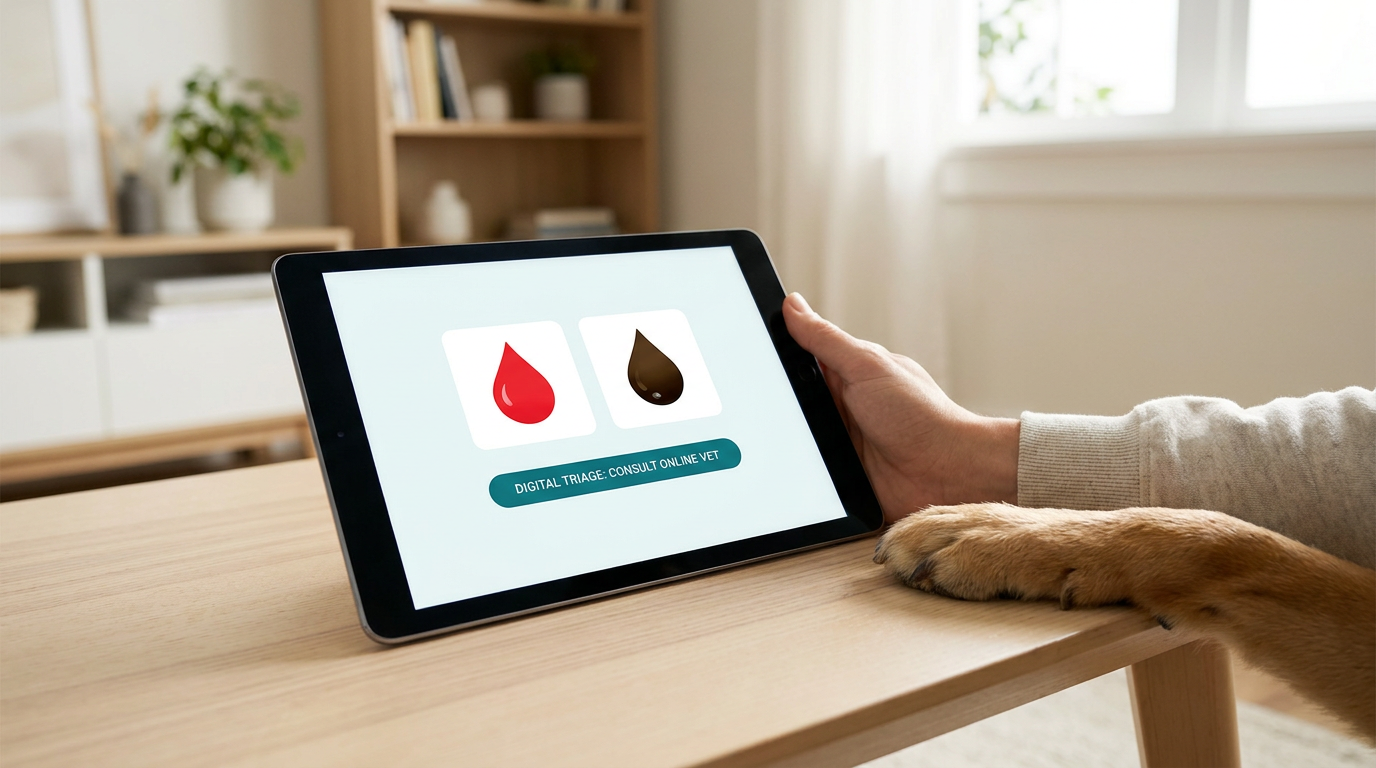
Finding blood in your dog's stool is a stressful experience for any pet owner, but understanding the underlying causes can help you act quickly. Whether you notice bright red streaks or dark, tarry substances, knowing the difference is vital for your dog's health. Blood in Dog Stool is a critical topic because it serves as a bridge between immediate panic and necessary medical intervention. While some instances of bloody dog poop result from minor dietary indiscretions or mild irritation, others may signal serious conditions like parvovirus or internal bleeding.
As a non-profit organization, RexVet is dedicated to providing accessible, professional support when you need it most. We help you navigate these symptoms through virtual triage, ensuring you do not have to guess whether your pet requires an emergency clinic visit. By understanding Blood in Dog Stool, you can make informed decisions for your companion's care. Talk to a licensed online vet before guessing what to do next to ensure your dog receives the appropriate level of attention for their specific symptoms.
Why There May Be Blood in Your Dog’s Stool
Blood in Dog Stool: What It Means
Why There May Be Blood in Your Dog’s Stool
Identifying the cause of blood in dog stool is essential for your pet's safety. Common triggers range from simple dietary indiscretion—like eating something that upsets the stomach—to more complex issues such as parasites, bacterial infections, or inflammatory bowel disease. Understanding Blood in Dog Stool helps you distinguish between a temporary digestive upset and a condition requiring immediate veterinary intervention.
Bright Red Blood vs Dark or Black Stool
The appearance of the blood acts as a diagnostic clue. Bright red blood, known as hematochezia, typically indicates an issue in the lower gastrointestinal tract, such as the colon or rectum. Conversely, dark, tarry stool called melena suggests that the blood has been digested, pointing to a problem in the upper GI tract. Because these variations carry different risks, Blood in Dog Stool serves as a vital resource for triage. If you notice these symptoms, talk to a licensed online vet before guessing what to do next.
Bright Red Blood vs Dark or Black Stool
When analyzing Blood in Dog Stool, the color of the waste provides a vital diagnostic roadmap. Fresh, bright red blood typically signals irritation in the lower digestive tract, such as the colon or rectum. Conversely, dark or black stool, known as melena, indicates that blood has been digested higher up in the stomach or small intestine, which often points to more serious internal issues.
Stool Appearance | Potential Origin | Urgency Level |
|---|---|---|
Bright Red | Lower GI Tract | Moderate to High |
Dark/Black Tarry | Upper GI Tract | High/Emergency |
Understanding these visual cues is a core component of Blood in Dog Stool. While mild cases might stem from simple dietary changes, dark, tarry stools are a red flag that requires immediate professional assessment. Because internal bleeding can progress rapidly, pet owners should not wait to see if symptoms resolve on their own. Instead, talk to a licensed online vet before guessing what to do next to ensure your dog receives the appropriate level of attention for their specific symptoms.
Blood With Diarrhea or Vomiting
When your dog experiences both gastrointestinal bleeding and systemic symptoms like vomiting or diarrhea , the clinical picture becomes significantly more complex. These concurrent issues often point to acute conditions such as severe viral infections like parvovirus, hemorrhagic gastroenteritis, or even foreign body obstructions. Understanding Blood in Dog Stool is essential because the combination of fluid loss through vomiting and potential blood loss through the stool can lead to rapid dehydration and shock, especially in smaller or younger dogs.
While mild dietary indiscretion might cause temporary discomfort, the presence of vomiting alongside bloody diarrhea is a clear signal that your pet requires professional evaluation. If you observe lethargy, pale gums, or a complete loss of appetite, these are warning signs that you should not ignore. By utilizing Blood in Dog Stool, you can quickly connect with a professional to assess if your dog is stable enough for home monitoring or if immediate emergency intervention is necessary. Talk to a licensed online vet before guessing what to do next to ensure your dog receives the appropriate level of attention for their specific symptoms.
When This May Be Serious
Recognizing when a situation requires urgent medical attention is vital for your dog's safety. While minor issues often resolve, certain symptoms indicate a medical crisis . If your dog displays extreme lethargy, pale or white gums, a bloated abdomen, or repeated collapse, these are critical red flags. Additionally, if your pet is a puppy or has a known compromised immune system, even small amounts of blood warrant immediate action. Understanding Blood in Dog Stool helps you distinguish between manageable discomfort and life-threatening emergencies.
You should prioritize professional input if you observe large volumes of blood, as this can lead to rapid anemia or shock. We recommend keeping a close watch for signs of severe pain, such as restlessness or a hunched posture. By utilizing Blood in Dog Stool, you gain access to expert triage that evaluates these high-risk indicators in real-time. Do not wait for symptoms to worsen if your dog appears unresponsive or is struggling to breathe. Talk to a licensed online vet before guessing what to do next to ensure your companion receives the safest possible care.
How Online Vet Guidance Can Help
When you notice your pet is unwell, Blood in Dog Stool becomes a vital tool for quick decision-making. Telehealth platforms like RexVet allow you to bypass the uncertainty of home monitoring by connecting directly with a licensed professional who can assess your dog's specific symptoms via video . This digital triage helps you determine if the situation requires an immediate trip to an emergency clinic or if it can be safely managed with home care under professional supervision.
Using virtual support for Blood in Dog Stool is particularly effective for non-emergency cases where you need expert advice on dietary adjustments or probiotic use. By providing a clear visual assessment, our vets can help identify patterns that indicate whether the issue is a minor digestive upset or something more systemic. This approach saves you unnecessary stress and provides a cost-effective, accessible path to peace of mind. Talk to a licensed online vet before guessing what to do next to ensure your dog receives the appropriate level of attention for their specific symptoms.
Ask RexVet for $64.99
When you notice blood in dog stool, the anxiety can feel overwhelming, but you do not have to navigate it alone. Our RexVet service provides an affordable, professional bridge to clarity for just $64.99. By choosing our virtual platform, you gain immediate access to a licensed veterinarian who can help you interpret symptoms and determine if your pet needs an urgent clinic visit or can be safely managed at home.
Understanding Blood in Dog Stool is about more than just identifying a problem; it is about accessing expert triage without the high costs or stress of an emergency room. Our non-profit model ensures that quality medical advice remains accessible to every pet parent. Whether you are dealing with mucus in dog poop or persistent dog diarrhea blood, our team is ready to assist. Relying on Blood in Dog Stool allows you to make data-driven decisions for your pet’s health. Talk to a licensed online vet before guessing what to do next to ensure your dog gets the right care today.
Frequently Asked Questions
Is blood in dog stool always an emergency?
Not every instance is a life-threatening emergency, but it should never be ignored. While some causes like minor dietary indiscretion might resolve quickly, other conditions like parvovirus or severe internal bleeding require immediate attention. Understanding Blood in Dog Stool is key. If your dog is acting normal, eating well, and has only a small amount of blood, you can often start with a RexVet virtual consultation to assess the risk level before deciding on an emergency clinic visit.
What does bright red blood in dog poop mean?
Bright red blood, medically known as hematochezia, typically indicates that the bleeding is occurring in the lower gastrointestinal tract, such as the colon or rectum. This often appears as streaks or drops of fresh blood. While it can be caused by something as simple as a minor irritation or parasites, it can also signal more serious issues. If you notice this symptom, our guide on Blood in Dog Stool suggests monitoring your dog closely and contacting a virtual vet to determine if professional intervention is needed.
What if my dog has diarrhea and blood?
When you see both diarrhea and blood, it often points to inflammation of the intestines, known as colitis. This combination can lead to dehydration very quickly, especially in smaller dogs or puppies. Because this is a common concern, our resource Blood in Dog Stool emphasizes that you should look for other red flags like lethargy or vomiting. If these symptoms are present, please reach out to a RexVet professional immediately for triage support.
Can stress cause blood in dog stool?
Yes, significant stress or anxiety can affect a dog's digestive system, sometimes resulting in mucus or small amounts of blood in their stool. This is often referred to as stress colitis. However, because it is difficult to distinguish stress from a serious infection or illness on your own, you should always consult a professional. Using our Blood in Dog Stool framework, a RexVet veterinarian can help you determine if the symptoms are likely stress-related or if diagnostic testing is required.
What should I do if I see black or tarry stool?
Black, tarry stool, known as melena, is a serious sign that usually indicates digested blood coming from the upper gastrointestinal tract, such as the stomach or small intestine. This is rarely a minor issue and is considered a high-priority health concern. According to our Blood in Dog Stool protocols, you should not wait for this to resolve on its own. Please seek immediate veterinary advice or visit an emergency facility to ensure your pet gets the urgent care they need.
FAQs
Is blood in dog stool always an emergency?
Not every instance is a life-threatening emergency, but it should never be ignored. While some causes like minor dietary indiscretion might resolve quickly, other conditions like parvovirus or severe internal bleeding require immediate attention. Understanding Blood in Dog Stool: What It Means and When to Get Online Vet Guidance is key. If your dog is acting normal, eating well, and has only a small amount of blood, you can often start with a RexVet virtual consultation to assess the risk level before deciding on an emergency clinic visit.
What does bright red blood in dog poop mean?
Bright red blood, medically known as hematochezia, typically indicates that the bleeding is occurring in the lower gastrointestinal tract, such as the colon or rectum. This often appears as streaks or drops of fresh blood. While it can be caused by something as simple as a minor irritation or parasites, it can also signal more serious issues. If you notice this symptom, our guide on Blood in Dog Stool: What It Means and When to Get Online Vet Guidance suggests monitoring your dog closely and contacting a virtual vet to determine if professional intervention is needed.
What if my dog has diarrhea and blood?
When you see both diarrhea and blood, it often points to inflammation of the intestines, known as colitis. This combination can lead to dehydration very quickly, especially in smaller dogs or puppies. Because this is a common concern, our resource Blood in Dog Stool: What It Means and When to Get Online Vet Guidance emphasizes that you should look for other red flags like lethargy or vomiting. If these symptoms are present, please reach out to a RexVet professional immediately for triage support.
Can stress cause blood in dog stool?
Yes, significant stress or anxiety can affect a dog's digestive system, sometimes resulting in mucus or small amounts of blood in their stool. This is often referred to as stress colitis. However, because it is difficult to distinguish stress from a serious infection or illness on your own, you should always consult a professional. Using our Blood in Dog Stool: What It Means and When to Get Online Vet Guidance framework, a RexVet veterinarian can help you determine if the symptoms are likely stress-related or if diagnostic testing is required.
What should I do if I see black or tarry stool?
Black, tarry stool, known as melena, is a serious sign that usually indicates digested blood coming from the upper gastrointestinal tract, such as the stomach or small intestine. This is rarely a minor issue and is considered a high-priority health concern. According to our Blood in Dog Stool: What It Means and When to Get Online Vet Guidance protocols, you should not wait for this to resolve on its own. Please seek immediate veterinary advice or visit an emergency facility to ensure your pet gets the urgent care they need.
Medically Reviewed
Reviewed by Dr. Tiffany Delacruz, DVM — licensed veterinarian and CEO of RexVet. Last reviewed May 29, 2026.
Content is for informational purposes and does not replace professional veterinary advice.
Chief Executive Officer · Licensed Veterinarian
Dr. Delacruz is a licensed Doctor of Veterinary Medicine specializing in preventive care and veterinary telehealth. She reviews all health content on RexVet to ensure accuracy and clinical relevance.
Sources & References
- · American Veterinary Medical Association — Telehealth Guidelines
- · AVMA — Pet Care Resources
- · U.S. FDA — Animal & Veterinary
Need an Expert Opinion on This Topic?
Connect with a certified vet via video call in minutes
Talk to Vet Now