
Vet for Dog Vomiting: When to Monitor at Home and When to Book a Vet
By RexVet Team | Reviewed by Dr. Tiffany Delacruz, DVM
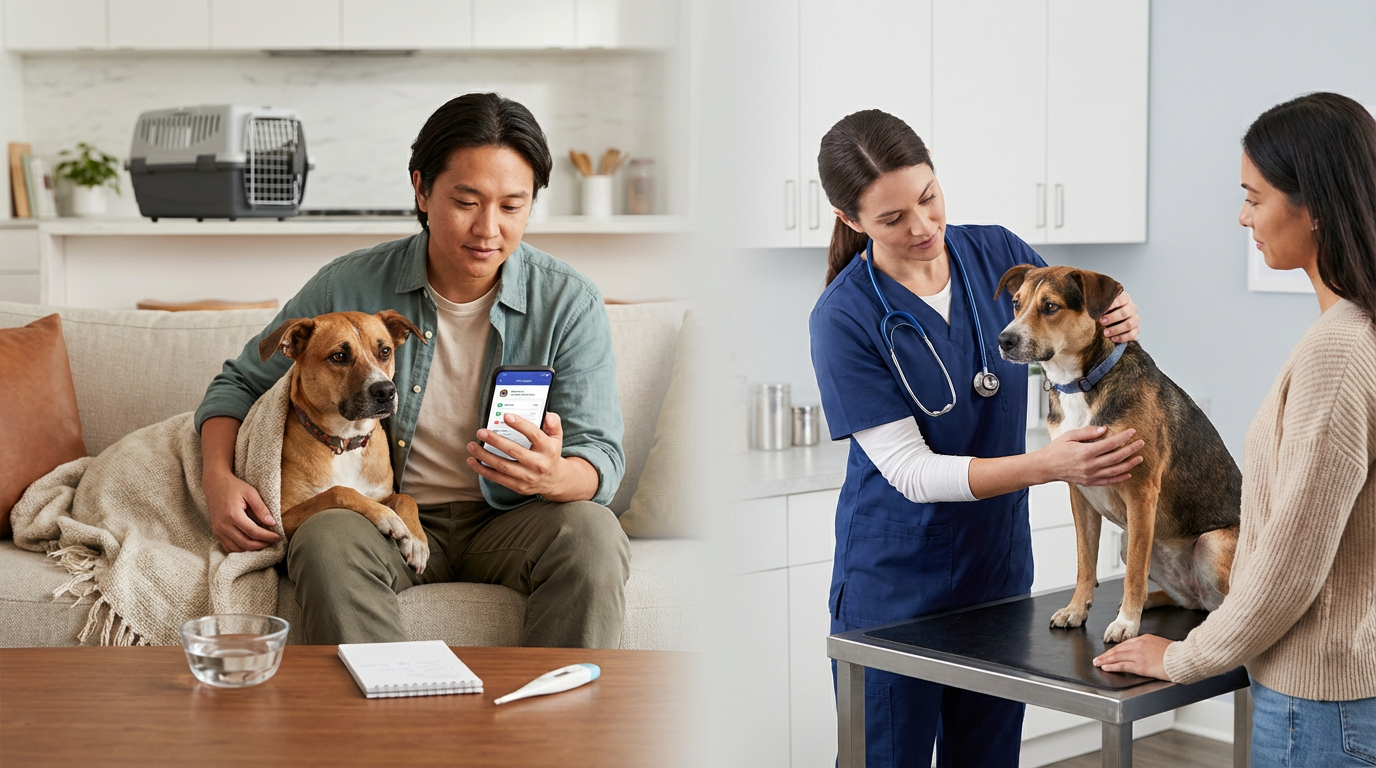
Finding a vet for dog vomiting is a common challenge for pet owners who want to avoid unnecessary stress while keeping their furry companions safe. When your dog is throwing up, it is natural to feel anxious, but understanding the difference between a minor stomach upset and a medical emergency is essential for effective care. Research shows that while many cases of digestive distress resolve with a simple bland diet, others may signal serious conditions like bloat or the ingestion of a foreign object.
This guide on finding a vet for dog vomiting helps you triage symptoms effectively. We will explore why your dog is throwing up, identify the warning signs of dehydration or lethargy, and explain when you should seek immediate veterinary care or contact an emergency vet . By learning to recognize red flags like blood in vomit, you can make informed decisions that prioritize your dog's health and provide peace of mind during uncertain moments.
Identifying When Your Dog Needs Immediate Care
When evaluating a vet for dog vomiting, your primary goal is identifying life-threatening red flags. While minor indigestion often resolves within 24 hours, certain symptoms demand immediate veterinary care to prevent severe complications like dehydration or shock. If your pet exhibits these signs, do not wait for the situation to worsen:
- Repeated, forceful vomiting that lasts longer than 12 hours.
- Visible blood in vomit, which may appear bright red or like dark coffee grounds.
- Extreme lethargy, weakness, or an inability to stand.
- A distended, hard abdomen, which is a classic warning sign of bloat or GDV, a fatal condition requiring instant surgery.
- Suspected ingestion of a foreign object, such as a toy, sock, or toxic substance.
Understanding the nuances of a vet for dog vomiting empowers you to act decisively. If your dog is alert, active, and only vomited once, you might safely manage them with a bland diet. However, if you notice any of the listed emergencies, contact an emergency vet immediately. Rapid intervention significantly improves outcomes for pets facing acute gastrointestinal distress.
Common Reasons Why Dogs Start Throwing Up
Understanding why your canine companion feels unwell is the first step in deciding whether you need a Vet for Dog Vomiting. Often, digestive upsets stem from common dietary indiscretions, such as scavenging trash or consuming rich, fatty table scraps that irritate the stomach lining. These minor bouts of illness typically resolve quickly once the irritant passes through the system. However, internal health issues like pancreatitis, viral infections, or parasitic infestations can also trigger frequent episodes of sickness. Because the causes range from harmless to life-threatening, identifying the source is crucial for your pet's recovery.
When you research Vet for Dog Vomiting, remember that sudden environmental changes or stress can also lead to temporary gastrointestinal distress. While some owners may attempt to manage mild cases with a gentle, bland diet for twenty-four hours, persistent symptoms require professional diagnostic testing to rule out underlying systemic disease. Always observe your dog closely for changes in behavior or energy levels, as these subtle cues often provide the most accurate indicator of whether the situation requires urgent veterinary care or simple home observation.
Deciphering Different Colors and Textures of Vomit
Analyzing the physical characteristics of vomit provides vital clues about your dog's internal health. When you search for a Vet for Dog Vomiting, understanding these visual cues helps you determine the urgency of the situation. For instance, yellow, bile-stained fluid often indicates an empty stomach or minor reflux, which may be manageable at home. Conversely, thick, ropey mucus might suggest severe esophageal irritation or a blockage.
Vomit Appearance | Potential Clinical Implication |
|---|---|
Bright Yellow/Green | Bile reflux or empty stomach |
Foamy White | Excessive gas or early-stage irritation |
Chunky/Undigested | Rapid eating or dietary indiscretion |
Dark/Coffee Grounds | Internal gastrointestinal bleeding |
If you notice dark, granular material resembling coffee grounds, this is a critical indicator of digested blood and requires immediate professional attention. While minor, non-repetitive episodes might allow for temporary observation, persistent or abnormal textures necessitate a Vet for Dog Vomiting. Always document the color and consistency to provide your medical team with the most accurate diagnostic information possible.
Safe At-Home Monitoring for Mild Stomach Upset
When your dog experiences a mild, one-time upset, managing their recovery at home is often straightforward. The primary goal of a Vet for Dog Vomiting approach is to rest the gastrointestinal tract. Start by withholding food for about six to eight hours to allow the stomach lining to settle, provided your dog is not a puppy or a senior with specific medical needs. Once the vomiting stops, offer small, frequent portions of a bland diet, such as boiled chicken breast mixed with plain white rice. This simple regimen helps prevent further irritation while keeping your dog hydrated.
Hydration is critical during this recovery phase, so ensure your pet has constant access to fresh water. If your dog refuses to drink or shows signs of persistent discomfort, you should reconsider your Vet for Dog Vomiting strategy. While many cases resolve within 24 hours, tracking your dog's progress is essential. If they remain bright, active, and eager to eat after the initial rest period, you can gradually transition back to their regular food over several days to avoid shocking their system.
When to Withhold Food and Offer Water
Deciding between a Vet for Dog Vomiting requires balancing hydration needs with stomach rest. If your dog is vomiting, the goal is to prevent dehydration while allowing the digestive system to recover. For adult dogs showing no other concerning symptoms, you might withhold solid food for six to eight hours. During this period, prioritize water intake by offering small, frequent amounts—about one to two tablespoons every hour—rather than allowing them to gulp a full bowl, which often triggers more sickness.
When you evaluate a Vet for Dog Vomiting, remember that puppies and senior dogs have much lower reserves. These groups can become dangerously dehydrated in under twelve hours. If your dog cannot keep water down or shows lethargy , skip the home trial and seek veterinary care immediately. Monitoring is only safe if your dog remains alert and responsive. If you notice signs like blood in vomit or a painful abdomen, these are clear indicators that professional assistance is required to prevent life-threatening complications like bloat.
Transitioning Back to a Normal Healthy Diet
Successfully transitioning back to a regular diet requires patience and a gradual approach to avoid triggering another round of gastrointestinal distress. When considering a Vet for Dog Vomiting, remember that your dog’s digestive tract is sensitive after an episode of sickness. Start by mixing approximately twenty-five percent of their normal kibble with seventy-five percent of the bland diet you have been using. Over the course of three to five days, slowly increase the ratio of regular food while decreasing the bland portion. This methodical pace helps the gut microbiome stabilize and prevents sudden spikes in fat or fiber intake.
If your dog shows signs of loose stools or renewed vomiting during this transition, pause and return to the previous ratio for two extra days. Consistent observation remains a core component of a Vet for Dog Vomiting strategy. If you encounter persistent issues despite a slow transition, it may indicate an underlying sensitivity or a need for specialized veterinary nutrition. Always ensure your pet has plenty of fresh water during this phase to support healthy digestion and avoid dehydration.
Preparing for Your Veterinary Appointment
When you prepare for your clinic visit, organization is key to helping your doctor diagnose the issue faster. Before you search for a Vet for Dog Vomiting, take a few minutes to gather critical data. Write down exactly when the vomiting started, how many times it occurred, and what the vomit looked like. If you have a smartphone, taking a photo of the vomit or any foreign objects your dog may have chewed is incredibly helpful for the veterinary team.
You should also bring a list of any recent changes in your dog's routine, such as new treats, table scraps, or access to household plants. Knowing if your dog is on any current medications is vital, as these can interact with treatments. Understanding the Vet for Dog Vomiting criteria helps you stay calm during the intake process. By providing a clear, chronological history, you save time and ensure your dog receives the most accurate care possible, reducing the need for unnecessary diagnostic tests while keeping your pet comfortable.
How Online Vet Consultations Support Decision Making
Leveraging telehealth services provides a vital bridge for pet owners navigating the complexities of a Vet for Dog Vomiting. Virtual consultations allow professionals to assess your dog's demeanor and physical symptoms in real-time, often preventing unnecessary trips to an emergency vet. By sharing video clips or high-quality photos of the vomit, you give experts the data needed to distinguish between simple indigestion and urgent concerns like GDV or severe dehydration.
Telehealth platforms offer a structured triage process that simplifies your decision-making. When you consult a Vet for Dog Vomiting online, clinicians can guide you through safe bland diet protocols or advise immediate transport to a clinic if they spot signs of lethargy or blood in vomit. This proactive support ensures that you never have to guess whether your dog's condition is worsening. Utilizing these digital resources empowers you to provide the best veterinary care possible, ensuring your dog receives the right level of attention exactly when they need it most.
Diagnostic Tests Veterinarians Use for Vomiting
When you visit a Vet for Dog Vomiting, your clinician will often start with non-invasive diagnostics to pinpoint the cause. Standard in-clinic tests typically include a physical examination to check for abdominal pain, dehydration levels, and heart rate abnormalities. Veterinarians frequently utilize fecal analysis to rule out common parasites like giardia or roundworms, which can cause significant gastrointestinal distress in dogs of all ages.
For more persistent cases, a blood chemistry panel is essential to evaluate organ function, specifically looking at liver and kidney health. If your dog is throwing up repeatedly, imaging is often the next logical step. Abdominal radiographs (X-rays) are the gold standard for identifying potential blockages caused by foreign objects or gas patterns consistent with dangerous conditions like bloat. These diagnostic tools provide the objective data needed to move beyond guesswork. Understanding these common tests helps you make an informed decision regarding a Vet for Dog Vomiting, ensuring your pet receives the precise medical attention required for a swift and safe recovery.
Preventing Future Episodes of Canine Vomiting
Long-term digestive wellness requires proactive habits that go beyond reactive care. When you evaluate a Vet for Dog Vomiting, consider that nearly 70% of chronic gastrointestinal issues in pets are linked to poor dietary consistency or hidden food sensitivities. To maintain a healthy gut, prioritize high-quality, fiber-rich nutrition and avoid feeding table scraps, which often trigger inflammation.
Establishing a routine is essential for early detection. Keeping a digital log of your dog's bowel movements and appetite helps you spot subtle changes before they escalate into serious illness. If you are unsure about your pet's current health status, the decision process for a Vet for Dog Vomiting becomes much clearer when you have historical data to share with your clinician. Regular wellness exams , ideally scheduled twice a year, allow your doctor to monitor weight and organ function, catching potential issues early. Remember, consistency in exercise and stress management also plays a significant role in preventing future episodes, ensuring your dog stays happy and active for years to come.
How to know when dog vomiting is serious?
Knowing when to seek a Vet for Dog Vomiting often comes down to tracking the frequency and duration of the episodes. While a single bout of sickness might be a minor reaction to a new treat, research indicates that roughly 15% of dogs visiting clinics for gastrointestinal distress require intervention for underlying systemic issues. You should feel empowered to monitor your pet if they remain playful and hydrated, but always prioritize professional guidance if symptoms persist beyond a twelve-hour window.
When you evaluate a Vet for Dog Vomiting, look for subtle changes in your dog's daily habits. If your pet stops drinking water or cannot keep small amounts of fluid down, the risk of dehydration increases rapidly. Taking proactive steps, such as recording the time and nature of the vomit, helps your clinic provide faster, more accurate care. Remember that early detection is the most effective way to prevent minor stomach upsets from becoming serious medical emergencies that require intensive treatment.
Frequently Asked Questions
When is it necessary to seek a vet for dog vomiting rather than monitoring at home?
You should seek professional veterinary care immediately if you notice red flags such as blood in vomit, extreme lethargy, or signs of dehydration like dry gums. If your dog is attempting to vomit but nothing comes up, this could indicate bloat or GDV, which are life-threatening emergencies. When considering Vet for Dog Vomiting, always prioritize professional help if your dog is a puppy, a senior, or has pre-existing health conditions.
Should I withhold food when my dog is throwing up?
For mild cases of dog vomiting, many vets suggest a brief period of fasting for 6 to 12 hours to let the stomach settle. After this, you can introduce a bland diet, such as boiled chicken and white rice. However, never withhold food from puppies or dogs with medical conditions like diabetes without consulting an expert. If you are unsure, searching for Vet for Dog Vomiting guidance can help you decide if a short fast is safe for your specific pet.
What information should I provide when I call the vet for dog vomiting?
To help your emergency vet or clinic provide the best advice, be prepared to share specific details. Note the frequency of the dog throwing up, the appearance of the vomit (color, consistency, or presence of a foreign object), and any other symptoms like diarrhea or loss of appetite. Tracking these details helps clarify the Vet for Dog Vomiting decision-making process, allowing the clinic to determine if an urgent appointment is required.
How can I tell if my dog is dehydrated from vomiting?
Dehydration is a serious risk when a dog is vomiting frequently. You can check for it by lifting your dog's lip and pressing on the gum; if it takes longer than two seconds for the color to return to pink, your dog may be dehydrated. Other signs include sunken eyes or skin that does not snap back when gently pulled. If you suspect dehydration, do not wait; use the Vet for Dog Vomiting framework to justify an immediate visit to the clinic.
Is it safe to give my dog over-the-counter medication for vomiting?
You should never give your dog human medications for vomiting unless explicitly directed by a veterinarian. Many human drugs are toxic to dogs and can mask symptoms of a serious condition like an obstruction or poisoning. When you are looking for Vet for Dog Vomiting advice, the safest approach is to contact a professional first. They can provide safe, species-appropriate recommendations to help your pet feel better without the risk of accidental poisoning.
FAQs
When is it necessary to seek a vet for dog vomiting rather than monitoring at home?
You should seek professional veterinary care immediately if you notice red flags such as blood in vomit, extreme lethargy, or signs of dehydration like dry gums. If your dog is attempting to vomit but nothing comes up, this could indicate bloat or GDV, which are life-threatening emergencies. When considering Vet for Dog Vomiting: When to Monitor at Home and When to Book a Vet, always prioritize professional help if your dog is a puppy, a senior, or has pre-existing health conditions.
Should I withhold food when my dog is throwing up?
For mild cases of dog vomiting, many vets suggest a brief period of fasting for 6 to 12 hours to let the stomach settle. After this, you can introduce a bland diet, such as boiled chicken and white rice. However, never withhold food from puppies or dogs with medical conditions like diabetes without consulting an expert. If you are unsure, searching for Vet for Dog Vomiting: When to Monitor at Home and When to Book a Vet guidance can help you decide if a short fast is safe for your specific pet.
What information should I provide when I call the vet for dog vomiting?
To help your emergency vet or clinic provide the best advice, be prepared to share specific details. Note the frequency of the dog throwing up, the appearance of the vomit (color, consistency, or presence of a foreign object), and any other symptoms like diarrhea or loss of appetite. Tracking these details helps clarify the Vet for Dog Vomiting: When to Monitor at Home and When to Book a Vet decision-making process, allowing the clinic to determine if an urgent appointment is required.
How can I tell if my dog is dehydrated from vomiting?
Dehydration is a serious risk when a dog is vomiting frequently. You can check for it by lifting your dog's lip and pressing on the gum; if it takes longer than two seconds for the color to return to pink, your dog may be dehydrated. Other signs include sunken eyes or skin that does not snap back when gently pulled. If you suspect dehydration, do not wait; use the Vet for Dog Vomiting: When to Monitor at Home and When to Book a Vet framework to justify an immediate visit to the clinic.
Is it safe to give my dog over-the-counter medication for vomiting?
You should never give your dog human medications for vomiting unless explicitly directed by a veterinarian. Many human drugs are toxic to dogs and can mask symptoms of a serious condition like an obstruction or poisoning. When you are looking for Vet for Dog Vomiting: When to Monitor at Home and When to Book a Vet advice, the safest approach is to contact a professional first. They can provide safe, species-appropriate recommendations to help your pet feel better without the risk of accidental poisoning.
Medically Reviewed
Reviewed by Dr. Tiffany Delacruz, DVM — licensed veterinarian and CEO of RexVet. Last reviewed April 17, 2026.
Content is for informational purposes and does not replace professional veterinary advice.
Chief Executive Officer · Licensed Veterinarian
Dr. Delacruz is a licensed Doctor of Veterinary Medicine specializing in preventive care and veterinary telehealth. She reviews all health content on RexVet to ensure accuracy and clinical relevance.
Sources & References
- · American Veterinary Medical Association — Telehealth Guidelines
- · AVMA — Pet Care Resources
- · U.S. FDA — Animal & Veterinary
Need an Expert Opinion on This Topic?
Connect with a certified vet via video call in minutes
Talk to Vet Now