
Gabapentin for Dogs: Uses, Side Effects, Dosing Questions, and When to Ask a Vet
By RexVet Team | Reviewed by Dr. Tiffany Delacruz, DVM
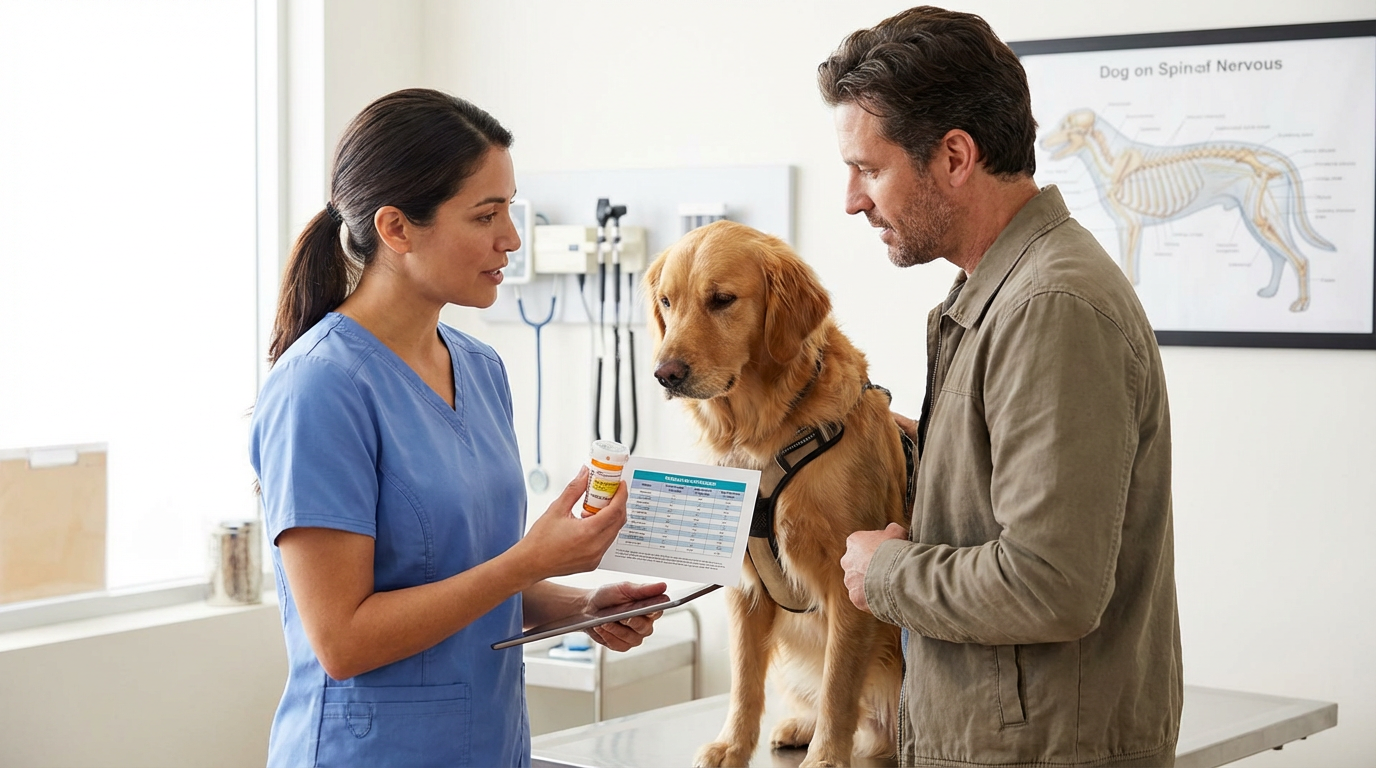
Quick answer: Gabapentin is not FDA-approved for animals. Veterinarians prescribe it to dogs extra-label, most often for chronic or nerve-related pain, for anxiety before a stressful visit, and as an add-on for seizures. The dose is set by a veterinarian based on your dog's weight, kidney function and what it is treating, so a dog should never be given a human prescription without one. One warning matters more than any other: some human liquid gabapentin formulations contain xylitol, which is toxic to dogs — always check the inactive ingredients and ask your vet before using a liquid version. Drowsiness and mild wobbliness in the first few days are expected; call a vet if your dog is heavily sedated, vomiting, or unable to stand.
When your dog is struggling with discomfort or stress, you may encounter gabapentin as a potential solution. This medication is frequently prescribed by veterinarians for managing chronic pain, anxiety, and even seizures. Because it is used off-label, meaning it is approved for humans but adapted for pets, understanding the nuances of gabapentin is crucial for every responsible owner.
It is vital to note that human-grade versions of this drug may contain xylitol, an artificial sweetener that is highly toxic to dogs. Therefore, you must never share your own medication with your pet. Because every dog has unique health needs, there is no universal dosage. Relying on internet charts can lead to dangerous outcomes. Always consult a licensed veterinarian to determine the safest approach for your dog's specific condition and weight. By prioritizing professional guidance, you ensure your pet receives effective care while minimizing risks associated with improper administration.
What Is Gabapentin and How Does It Work for Dogs?
At its core, gabapentin functions as a neuromodulator. Unlike traditional anti-inflammatories, it works by inhibiting specific calcium channels in the central nervous system. By reducing the release of excitatory neurotransmitters like glutamate, it effectively dampens overactive pain signals and quiets nerve-related distress.
When researching gabapentin, it is helpful to understand how this mechanism aids in managing complex conditions:
- It alters nerve cell excitability to manage chronic pain stemming from arthritis or spinal issues.
- It provides a calming effect that helps mitigate anxiety during stressful events like travel or vet visits.
- It serves as an adjunctive therapy to help control seizures when primary medications are insufficient.
Because the drug targets the nervous system directly, it acts as a valuable tool for conditions that are often resistant to standard pain management. However, because it is an off-label treatment, the therapeutic window is highly specific to your pet's metabolic rate and underlying health status, necessitating precise veterinary oversight to ensure efficacy and safety.
Common Conditions Treated With Gabapentin in Dogs
When exploring gabapentin, it is helpful to recognize that this medication addresses diverse clinical needs beyond simple pain relief. For many canines, it acts as a foundational treatment for chronic pain, particularly in cases of degenerative joint disease where inflammation is not the primary driver. By calming the nervous system, it helps dogs manage the persistent, dull aches that often accompany aging.
Beyond physical discomfort, veterinarians frequently utilize this drug to address anxiety , especially in pets that experience high levels of distress during thunderstorms or separation. It is also a vital tool for seizures, often serving as a secondary therapy to improve control when primary anti-epileptic drugs reach their limit. Understanding gabapentin requires acknowledging that while the medication is highly effective, it must be tailored to the individual. Because every dog reacts differently, your veterinarian will carefully adjust the regimen to balance symptom relief with the dog's overall quality of life and metabolic health.
Why Veterinary Guidance Is Essential for Proper Dosing
When navigating the complexities of gabapentin, it is essential to recognize that professional oversight is the cornerstone of safety. Because metabolic rates vary significantly between a ten-pound terrier and a ninety-pound retriever, a one-size-fits-all approach is inherently dangerous. Veterinarians calculate doses based on precise body weight, kidney function, and the severity of the underlying condition to ensure the drug remains effective without overwhelming the pet's system.
Attempting to adjust medication levels at home can lead to unintended consequences, such as profound lethargy or loss of coordination. By prioritizing gabapentin dosing guidance through a licensed medical professional, you ensure that any adjustments are evidence-based. If you notice your dog struggling with sedation or if the current regimen fails to manage their discomfort, avoid self-medicating. Instead, schedule a consultation to discuss potential modifications. Utilizing resources like RexVet for professional guidance ensures that your pet's treatment plan remains both safe and responsive to their changing health needs, ultimately fostering a better quality of life through informed, expert-led care.
Recognizing Potential Side Effects of Gabapentin
When exploring gabapentin, it is vital to recognize that while the drug is generally well-tolerated, some pets may experience noticeable behavioral shifts. The most frequent reaction is lethargy , where a dog may appear unusually sleepy or sluggish shortly after administration. Owners often describe this as a heavy-eyed or slightly disoriented state.
Another common concern is ataxia , characterized by a wobbly, uncoordinated gait that resembles intoxication. You might notice your dog stumbling or struggling to navigate stairs. While these signs are often dose-dependent and may resolve as the pet adjusts, they should always be reported to your medical team. Understanding gabapentin means knowing that these reactions are not necessarily signs of an emergency, but they do indicate that the current dosage requires review. If your dog displays extreme weakness or difficulty breathing, seek immediate care. Always keep a log of these symptoms to provide your veterinarian with accurate data during your follow-up appointment, ensuring the treatment plan remains optimized for your pet's comfort and safety.
Vital Safety Warnings: Xylitol and Human Formulations
When considering gabapentin, it is critical to understand the hidden dangers lurking in human-grade medicine cabinets. Many over-the-counter pain relievers or even liquid formulations of human gabapentin contain xylitol, a sugar substitute that is lethally toxic to canines. Even a small amount can cause a rapid drop in blood sugar and severe liver failure, making it imperative that you never share your personal prescriptions with your pet.
Beyond the risk of toxic additives, human medications often contain inactive ingredients that are safe for people but harmful to dogs. Using gabapentin safely requires you to source medication exclusively from a licensed veterinarian or a pharmacy that specializes in veterinary compounding. This ensures the product is free from dangerous sweeteners and formulated specifically for your dog's physiological needs. Always verify the label for xylitol before administration and prioritize professional guidance to avoid accidental poisoning, which remains a leading cause of emergency clinic visits for pets.
Comparing Gabapentin to Other Pain and Anxiety Medications
When evaluating gabapentin, it is helpful to compare it to other common medications. While NSAIDs like carprofen target inflammation directly, they can pose risks to kidney and liver health with long-term use. Tramadol, an opioid-like drug, is often used for acute pain but may cause constipation or sedation.
Medication | Primary Use | Key Difference |
|---|---|---|
Gabapentin | Nerve pain/Anxiety | Non-inflammatory; safe for long-term use |
NSAIDs | Joint inflammation | Risk of gastrointestinal distress |
Tramadol | Acute pain | Opioid-based; potential for sedation |
Unlike these alternatives, gabapentin specifically addresses neuropathic signals. Understanding gabapentin helps you see why your veterinarian might choose this over standard anti-inflammatories for chronic conditions. Always consult your clinic before switching therapies, as combining medications requires professional oversight to avoid adverse drug interactions. By focusing on your pet's specific pain type, your vet can determine if a multimodal approach—using gabapentin alongside other treatments—offers the most effective relief for your dog's unique health profile.
Safe Strategies for Administering Gabapentin to Your Dog
Establishing a consistent routine is the most effective way to manage your pet's comfort when using gabapentin. Because this medication often requires multiple doses throughout the day to maintain steady blood levels, setting phone alarms or using a dedicated pill organizer can prevent missed doses. Consistency helps avoid the breakthrough pain or anxiety that occurs when medication levels fluctuate, ensuring your dog remains stable and calm.
When you integrate gabapentin into your daily schedule, always administer the medication with a small amount of food to minimize potential stomach upset. If your veterinarian has prescribed a specific schedule, stick to it strictly, even if your dog appears to be feeling better. Abruptly stopping the medication can lead to a return of symptoms or withdrawal-like discomfort. Always keep a simple journal to track the time of each dose and any behavioral changes you observe. Sharing this log during your next appointment helps your clinician refine the treatment plan effectively. Remember, proactive communication with your veterinary team is the best strategy for long-term success.
Managing the Transition When Stopping Gabapentin Treatment
When you and your veterinarian decide it is time to discontinue your pet's medication, you must never stop cold turkey. Abruptly ending a treatment regimen can trigger a rebound effect, where the original symptoms return with increased intensity, or cause physical distress as the body struggles to adjust to the sudden absence of the drug. Understanding gabapentin is essential here, as a gradual taper allows your dog's nervous system to recalibrate safely.
Typically, your medical team will provide a structured tapering schedule, often reducing the dose by 25% to 50% every few days. This slow reduction prevents the nervous system from becoming overexcited. During this process, monitor your pet closely for signs of discomfort, such as increased restlessness or vocalization. If you are researching gabapentin, remember that this phase requires the same level of vigilance as the initial treatment. Always document behavioral changes in a journal to share with your clinic, ensuring the transition remains smooth and minimizes any potential withdrawal-like symptoms for your companion.
Questions to Ask Your Veterinarian About Gabapentin
When preparing for your next appointment, bringing a list of targeted questions helps ensure you get the most out of your visit. Discussing gabapentin requires clarity on your pet's specific health history. Ask your doctor about the expected timeline for seeing results, as some pets require several weeks of consistent administration to reach a steady state. You should also inquire about how this medication might interact with any existing joint supplements or heart medications your dog currently takes.
Furthermore, understanding gabapentin involves knowing exactly what to do if a dose is accidentally skipped. Ask your veterinarian if you should double the next dose or simply resume the normal schedule. It is also wise to ask about specific signs of toxicity or adverse reactions that would necessitate an emergency visit. By asking these practical questions, you move beyond basic research and create a collaborative care plan that prioritizes your dog's safety and long-term comfort while managing their unique needs effectively.
When to Contact Your Vet Regarding Medication Concerns
While you monitor your pet at home, knowing when to seek professional help is vital. Even when following gabapentin guidelines, certain clinical signs require immediate action. If your dog experiences sudden collapse, persistent vomiting, or difficulty breathing, contact an emergency clinic right away. These symptoms may indicate an allergic reaction or an underlying issue that demands urgent intervention.
You should also reach out to your clinic if you observe extreme changes in behavior, such as severe agitation or a complete loss of appetite. While mild drowsiness is common, a dog that cannot be roused or shows signs of extreme pain despite medication needs a prompt evaluation. When reviewing your dog's response to gabapentin, remember that your intuition as an owner is a key diagnostic tool. If something feels off, it is always safer to call your veterinarian than to wait. Proactive communication helps prevent minor side effects from escalating into serious health crises, ensuring your pet remains stable and comfortable throughout their treatment journey.
How long does it take for side effects of gabapentin to go away in dogs?
When considering gabapentin, many owners wonder how quickly their pet will bounce back after stopping the medication. Generally, the drug has a short half-life, meaning most effects fade within 12 to 24 hours after the final dose. However, this timeline varies based on your dog's kidney function and overall metabolism.
If your pet experienced sedation, you might notice them becoming more alert and active within a single day. In cases where the medication was used for long-term chronic pain, you may see a gradual return of stiffness or discomfort as the drug leaves their system. Understanding gabapentin helps you prepare for these shifts. If you notice your dog struggling significantly more than before treatment began, this could indicate a rebound effect rather than just the medication wearing off. Always consult your veterinarian to distinguish between normal withdrawal and a return of underlying symptoms, ensuring your pet remains comfortable throughout the adjustment period.
How many hours before the vet should I give my dog gabapentin?
When researching gabapentin, owners often wonder about the optimal timing for administration. Because the medication typically takes between one to three hours to reach peak plasma concentration in a canine's bloodstream, timing is essential for success. If you are using it to manage situational anxiety, such as a planned vet visit or a thunderstorm, providing the dose approximately two hours before the anticipated stressor usually yields the best results.
Understanding gabapentin requires recognizing that therapeutic levels must be established before the trigger occurs. For chronic pain management, consistency is more important than specific timing relative to an event, as the drug needs to build up in the system over several days. Always confirm the exact pre-appointment window with your clinic, as individual metabolism can change how fast your dog absorbs the medication. By planning ahead, you ensure your pet remains calm and comfortable during challenging moments, effectively utilizing this tool to improve their overall quality of life.
What is the number one side effect of gabapentin in dogs?
When researching gabapentin, owners frequently ask about the most common reaction. Clinical observations indicate that sedation is the primary side effect experienced by canine patients. Approximately 10% to 20% of dogs may show signs of lethargy or drowsiness after their initial doses. This reaction often occurs as the body adjusts to the medication's impact on the central nervous system.
While this sleepiness is generally manageable, it highlights why gabapentin must be approached with caution. If your dog seems excessively groggy or struggles to stand, these are clear indicators that the current dosage might be too high for their specific metabolic needs. Unlike other medications that cause rapid heart rate or hyperactivity, gabapentin is a central nervous system depressant, which is why your veterinarian will often start with a conservative dose and titrate upward. Always monitor your pet during the first few days of treatment to ensure their comfort levels remain stable and their activity remains within a safe, normal range.
Is 200 mg of gabapentin too much for my dog?
When owners ask, Is 200 mg of gabapentin too much for my dog?, they are touching on a vital safety concern. Because dosing is highly individualized, there is no single answer that applies to every pet. Factors such as your dog's weight, kidney function, and the specific condition being treated—whether it is chronic pain or severe anxiety—heavily influence the prescribed amount. A dose that is perfectly safe for a large breed could be overwhelming for a smaller companion.
Understanding gabapentin requires acknowledging that veterinarians typically start with a conservative dose to monitor tolerance. If you are concerned about a specific dosage, do not adjust it yourself. Instead, consult your professional team to review the treatment plan. Relying on your veterinarian's gabapentin instructions as your primary resource helps you maintain clear communication with your clinic. Always prioritize expert advice over general internet charts to ensure your pet remains safe, comfortable, and properly medicated throughout their recovery journey.
Frequently Asked Questions
What is Gabapentin for dogs and why is it prescribed?
Gabapentin is a medication originally designed for humans that veterinarians often prescribe off-label to manage chronic pain, seizures, and anxiety in dogs. It works by altering how the nervous system processes pain signals. When researching gabapentin, it is important to understand that it is not a cure-all but a tool to improve comfort. Always consult your veterinarian to see if this treatment is appropriate for your specific pet's health history.
Are there common side effects I should watch for when giving my dog Gabapentin?
Yes, while generally safe, there are side effects to monitor. The most frequent include:
- Sedation or extreme drowsiness
- Loss of coordination or stumbling
- Increased appetite
- Vomiting or diarrhea
If you notice these symptoms, contact your veterinarian immediately. When considering gabapentin, remember that every dog reacts differently, so start with the lowest dose prescribed and observe your pet closely.
How is the dosage for Gabapentin determined for my dog?
There is no one-size-fits-all dosage for this medication. Your veterinarian calculates the amount based on your dog's weight, the severity of their condition, and their overall kidney function. Never attempt to guess the amount based on online charts. Regarding gabapentin, always follow the exact prescription label provided by your clinic. If you feel the dose is ineffective, discuss an adjustment with your vet rather than changing it yourself.
Can I give my dog human-grade Gabapentin?
You should never give your dog human-grade medication without explicit veterinary approval. Many human versions of Gabapentin contain xylitol, an artificial sweetener that is extremely toxic to dogs and can cause life-threatening liver failure. Before giving gabapentin, always make sure the formulation is one your veterinarian has approved for your dog, to avoid accidental poisoning from hidden ingredients.
Can I combine Gabapentin with other medications like Trazodone?
Veterinarians sometimes prescribe Gabapentin alongside other medications like Trazodone to manage severe anxiety or pain. However, this should only be done under strict professional supervision. When exploring gabapentin, keep a detailed log of all supplements and drugs your dog is taking. This helps your vet prevent dangerous drug interactions and ensures your pet stays safe while receiving multiple therapies.
When should I call my veterinarian about my dog's Gabapentin treatment?
You should reach out to your veterinarian if you notice signs of an allergic reaction, such as facial swelling or difficulty breathing, or if your dog appears excessively lethargic. Regarding gabapentin, you should also call if you miss a dose or if the behavior you are trying to treat, such as chronic pain or anxiety, does not improve after a few days. Professional guidance is the safest way to manage your dog's health.
Related reading: Wondering if a telehealth vet can prescribe it? whether an online vet can prescribe gabapentin in FL, NY & VA.
Related reading: Confused about its legal status? is gabapentin a controlled substance in FL, NY and VA?.
FAQs
What is Gabapentin for dogs and why is it prescribed?
Gabapentin is a medication originally designed for humans that veterinarians often prescribe off-label to manage chronic pain, seizures, and anxiety in dogs. It works by altering how the nervous system processes pain signals. When researching gabapentin, it is important to understand that it is not a cure-all but a tool to improve comfort. Always consult your veterinarian to see if this treatment is appropriate for your specific pet's health history.
Are there common side effects I should watch for when giving my dog Gabapentin?
Yes, while generally safe, there are side effects to monitor. The most frequent include:
- Sedation or extreme drowsiness
- Loss of coordination or stumbling
- Increased appetite
- Vomiting or diarrhea
If you notice these symptoms, contact your veterinarian immediately. When considering gabapentin, remember that every dog reacts differently, so start with the lowest dose prescribed and observe your pet closely.
How is the dosage for Gabapentin determined for my dog?
There is no one-size-fits-all dosage for this medication. Your veterinarian calculates the amount based on your dog's weight, the severity of their condition, and their overall kidney function. Never attempt to guess the amount based on online charts. Regarding gabapentin, always follow the exact prescription label provided by your clinic. If you feel the dose is ineffective, discuss an adjustment with your vet rather than changing it yourself.
Can I give my dog human-grade Gabapentin?
You should never give your dog human-grade medication without explicit veterinary approval. Many human versions of Gabapentin contain xylitol, an artificial sweetener that is extremely toxic to dogs and can cause life-threatening liver failure. Before giving gabapentin, always make sure the formulation is one your veterinarian has approved for your dog, to avoid accidental poisoning from hidden ingredients.
Can I combine Gabapentin with other medications like Trazodone?
Veterinarians sometimes prescribe Gabapentin alongside other medications like Trazodone to manage severe anxiety or pain. However, this should only be done under strict professional supervision. When exploring gabapentin, keep a detailed log of all supplements and drugs your dog is taking. This helps your vet prevent dangerous drug interactions and ensures your pet stays safe while receiving multiple therapies.
When should I call my veterinarian about my dog's Gabapentin treatment?
You should reach out to your veterinarian if you notice signs of an allergic reaction, such as facial swelling or difficulty breathing, or if your dog appears excessively lethargic. Regarding gabapentin, you should also call if you miss a dose or if the behavior you are trying to treat, such as chronic pain or anxiety, does not improve after a few days. Professional guidance is the safest way to manage your dog's health.
Medically Reviewed
Reviewed by Dr. Tiffany Delacruz, DVM — licensed veterinarian and CEO of RexVet. Last reviewed April 17, 2026.
Content is for informational purposes and does not replace professional veterinary advice.
Chief Executive Officer · Licensed Veterinarian
Dr. Delacruz is a licensed Doctor of Veterinary Medicine specializing in preventive care and veterinary telehealth. She reviews all health content on RexVet to ensure accuracy and clinical relevance.
Sources & References
- · American Veterinary Medical Association — Telehealth Guidelines
- · AVMA — Pet Care Resources
- · U.S. FDA — Animal & Veterinary
Need an Expert Opinion on This Topic?
Connect with a certified vet via video call in minutes
Talk to Vet Now