
Dog Throwing Up and Diarrhea: Home Care, Red Flags, and When to See a Vet
By RexVet Team | Reviewed by Dr. Tiffany Delacruz, DVM
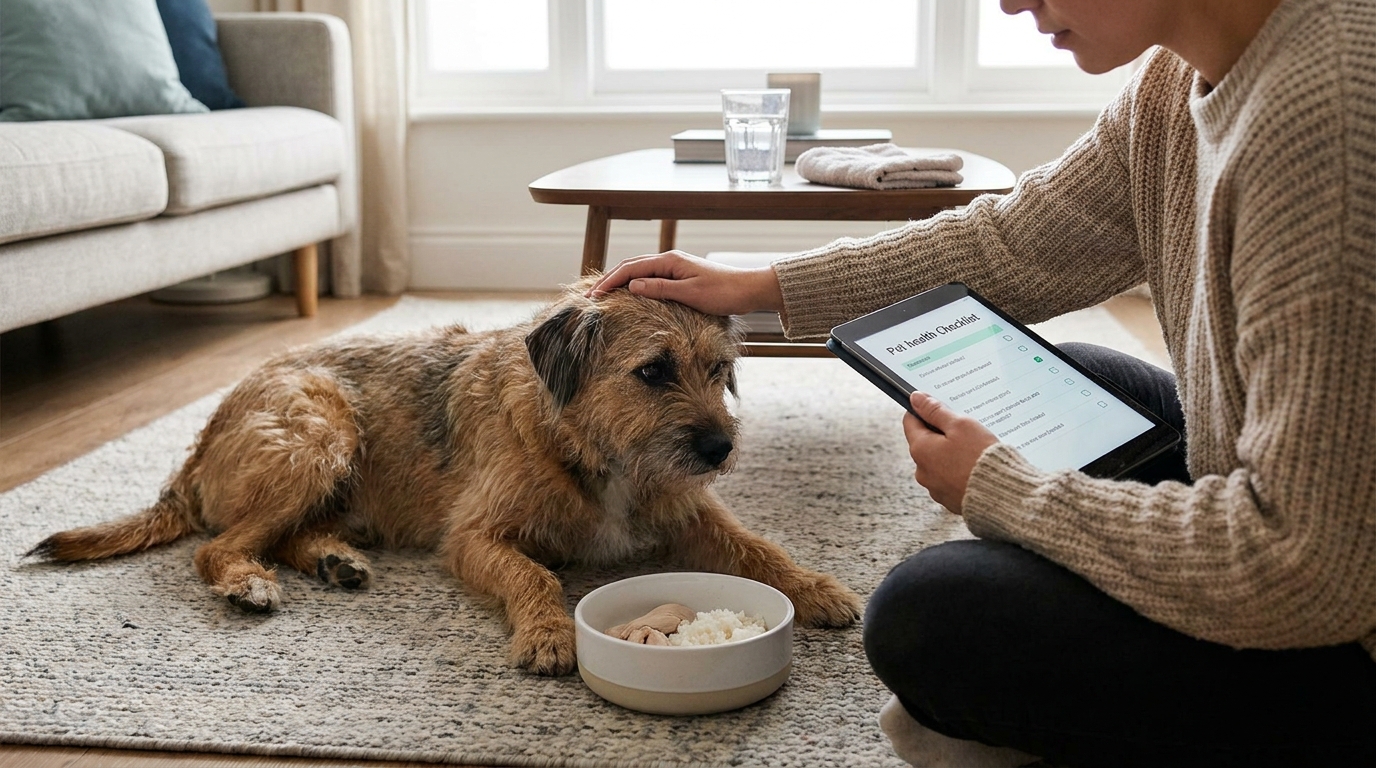
When your pet is feeling unwell, navigating the complexities of Dog Throwing Up and Diarrhea: Home Care, Red Flags, and When to See a Vet can be an overwhelming experience for any owner. These symptoms often signal digestive distress, which can range from minor dietary indiscretions to serious medical emergencies like pancreatitis or foreign object ingestion. Understanding the nuances of Dog Throwing Up and Diarrhea: Home Care, Red Flags, and When to See a Vet is essential for protecting your companion, especially since dehydration can set in rapidly in smaller or younger dogs.
While mild cases might resolve with a temporary bland diet, recognizing the signs of abdominal pain, lethargy, or the presence of bloody stool is critical for determining when to seek emergency veterinary care . Because puppies, seniors, and medically fragile dogs are particularly vulnerable to fluid loss, early intervention is often the safest path. This guide provides the foundational knowledge you need to monitor your pet effectively, identify dangerous symptoms, and know exactly when it is time to consult a professional for expert medical assessment.
Is Your Dog Throwing Up and Having Diarrhea?
When you notice your Dog Throwing Up and Diarrhea: Home Care, Red Flags, and When to See a Vet, quick action is vital. While mild stomach upsets often pass, you must monitor your pet closely for signs that require emergency veterinary care. If your dog shows persistent lethargy, refuses water for more than twelve hours, or exhibits signs of severe abdominal pain such as a hunched back, you should not wait to seek help.
- Bloody stool or dark, tarry excrement indicating internal bleeding.
- Repeated, forceful vomiting that prevents the dog from keeping water down.
- Obvious signs of dehydration, such as dry, tacky gums or skin that does not snap back when lifted.
- Suspected foreign object ingestion or exposure to toxic household plants and chemicals.
Understanding Dog Throwing Up and Diarrhea: Home Care, Red Flags, and When to See a Vet helps you distinguish between a temporary belly ache and a life-threatening crisis. If your dog is a puppy or a senior , their immune systems are less resilient, making them prone to rapid decline. Always prioritize professional assessment to rule out conditions like pancreatitis or severe infections before attempting any at-home management.
Common Reasons Your Dog Is Sick
When your canine companion experiences digestive distress, identifying the root cause is the first step in effective management. Dietary indiscretion, which occurs when a dog consumes spoiled food, trash, or non-food items, remains the most frequent trigger for sudden illness. These incidents often lead to inflammation of the stomach lining or intestines, resulting in the symptoms addressed in Dog Throwing Up and Diarrhea: Home Care, Red Flags, and When to See a Vet. Beyond simple dietary mishaps, internal issues such as viral infections, parasites, or systemic conditions like pancreatitis can manifest similarly.
As you navigate Dog Throwing Up and Diarrhea: Home Care, Red Flags, and When to See a Vet, remember that sudden changes in diet or exposure to new environments can also stress a dog's sensitive gastrointestinal tract. While some cases resolve quickly, persistent symptoms often necessitate professional diagnostics to rule out life-threatening obstructions or toxin exposure. If your pet appears to be in significant discomfort, do not hesitate to seek emergency veterinary care. Prioritizing a prompt medical evaluation ensures that underlying issues are identified before they escalate into severe dehydration or systemic health crises.
Red Flags: When to Call the Vet
When managing Dog Throwing Up and Diarrhea: Home Care, Red Flags, and When to See a Vet, timing is everything. While minor stomach upset can often be managed at home, certain clinical signs indicate an urgent need for professional intervention. You should prioritize emergency veterinary care if your pet exhibits persistent, non-productive retching, which can be a hallmark of gastric dilatation-volvulus , or bloat. Additionally, if your dog is unable to keep even small amounts of water down for over four hours, the risk of rapid dehydration becomes a critical threat to their health.
As you navigate Dog Throwing Up and Diarrhea: Home Care, Red Flags, and When to See a Vet, keep a close watch for systemic changes. If your dog appears weak, has pale gums, or shows signs of severe abdominal pain, such as pacing or an inability to get comfortable, these are clear indicators that immediate diagnostics are required. Do not wait for symptoms to worsen, as early veterinary assessment is the most effective way to prevent complications like shock or organ failure. If you are ever in doubt, reaching out to a professional is always the safest course of action for your pet.
Special Care for Puppies and Seniors
When navigating Dog Throwing Up and Diarrhea: Home Care, Red Flags, and When to See a Vet, it is vital to recognize that age significantly impacts your pet's ability to cope with illness. Puppies have immature immune systems and limited energy reserves, while senior dogs often manage underlying chronic conditions that complicate recovery. Because these groups can become dangerously dehydrated in as little as six to twelve hours, they require a much faster timeline for intervention compared to healthy adult dogs.
For these vulnerable ages, waiting for symptoms to resolve on their own is rarely the best strategy. If you are dealing with Dog Throwing Up and Diarrhea: Home Care, Red Flags, and When to See a Vet, prioritize a professional assessment immediately if your puppy or senior shows even mild lethargy or a slight decrease in appetite. Their bodies lack the physiological buffer to handle fluid loss effectively, making early emergency veterinary care the most proactive way to prevent a minor upset from spiraling into a life-threatening complication. Always consult your veterinarian before attempting any home management, as they can provide tailored guidance that accounts for your pet's specific medical history and developmental needs.
How to Check Your Dog for Dehydration
When you are managing Dog Throwing Up and Diarrhea: Home Care, Red Flags, and When to See a Vet, assessing hydration is a critical skill. You can perform a simple skin tent test by gently lifting the skin between your dog's shoulder blades. In a well-hydrated dog, the skin should snap back into place instantly. If it stays raised or returns slowly, your pet may be losing too much fluid.
Next, check their gums. Healthy, hydrated gums should feel slick and moist to the touch. If they feel tacky, dry, or sticky, this is a clear sign of dehydration. You can also press a finger against the gum until it turns white; if the pink color does not return within two seconds, circulation may be compromised. These physical checks are vital components of Dog Throwing Up and Diarrhea: Home Care, Red Flags, and When to See a Vet. If you notice these symptoms alongside lethargy or sunken eyes, seek emergency veterinary care immediately to prevent your dog's condition from becoming critical.
Monitoring Mild Cases at Home Safely
When your pet experiences a mild digestive upset, managing Dog Throwing Up and Diarrhea: Home Care, Red Flags, and When to See a Vet requires a calm, methodical approach. If your dog remains active, alert, and interested in their surroundings, you can often provide gentle support at home. Start by removing access to food for a brief period—typically four to six hours—to allow the inflamed gastrointestinal tract to rest. After this rest, introduce a bland diet consisting of easily digestible ingredients like boiled, skinless chicken breast and plain white rice. Serve very small portions every few hours to avoid overwhelming their stomach.
Hydration is the cornerstone of recovery, so ensure fresh, clean water is always available. You might consider adding a small amount of low-sodium chicken broth to entice them to drink. As you navigate Dog Throwing Up and Diarrhea: Home Care, Red Flags, and When to See a Vet, remember that these home-care steps are only suitable for stable, happy dogs. If you notice any decline in energy or if the symptoms persist beyond twenty-four hours, you must consult a professional to ensure your pet receives the necessary emergency veterinary care.
What to Feed a Dog With Upset Stomach
When your pet is recovering from digestive distress, transitioning to a bland diet is a key step in Dog Throwing Up and Diarrhea: Home Care, Red Flags, and When to See a Vet. Start by offering a 1:1 ratio of boiled, skinless white meat chicken and plain, overcooked white rice. This combination provides easily digestible protein and carbohydrates that soothe the gut lining without triggering further irritation. Avoid adding any oils, butter, or seasonings, as these can exacerbate inflammation.
Begin with small, frequent meals—about one-quarter of their usual serving size—given four times daily. If your dog tolerates this for 48 hours, you can gradually reintroduce their normal kibble over the next three days by mixing increasing amounts into the bland base. Throughout this recovery process, understanding Dog Throwing Up and Diarrhea: Home Care, Red Flags, and When to See a Vet means watching for any recurrence of symptoms. If your dog shows renewed distress or refuses the bland diet, contact your veterinarian immediately for further guidance. Proper nutrition is essential, but it should never replace professional care when your pet's condition fails to improve steadily.
Preparing for Your Veterinary Visit
When preparing for your veterinary visit regarding Dog Throwing Up and Diarrhea: Home Care, Red Flags, and When to See a Vet, gathering precise data helps your doctor reach a diagnosis faster. Start by logging the exact time symptoms began and the frequency of episodes. Bring a fresh stool sample—ideally less than 12 hours old—to help screen for parasites or bacterial infections. If your dog is on any medications or supplements, write down the names and dosages to rule out potential drug interactions.
You should also prepare a list of recent dietary changes, including treats, table scraps, or access to non-food items in the yard. If you suspect toxic exposure, bring the packaging or a sample of the substance. Understanding Dog Throwing Up and Diarrhea: Home Care, Red Flags, and When to See a Vet requires clear communication, so note any changes in energy levels or water intake. Taking a quick video of your dog's behavior can also provide your vet with valuable context. Being organized reduces your stress and ensures your pet receives the most efficient emergency veterinary care possible.
Diagnostic Steps Your Veterinarian May Take
When you visit the clinic for Dog Throwing Up and Diarrhea: Home Care, Red Flags, and When to See a Vet, your veterinarian will likely begin with a physical examination to assess your dog's hydration status and abdominal comfort. To pinpoint the cause, they may recommend a fecal analysis to screen for internal parasites like Giardia or roundworms. Blood work is another standard tool, helping to evaluate organ function and check for elevated white blood cell counts, which often indicate an underlying infection or inflammation.
In cases where a blockage is suspected, your vet might use digital radiography or ultrasound imaging to visualize the digestive tract. These diagnostic tools are essential for identifying foreign objects or signs of severe pancreatitis. While navigating Dog Throwing Up and Diarrhea: Home Care, Red Flags, and When to See a Vet, remember that these tests provide the clarity needed to choose the right treatment path. Whether your dog requires simple fluid therapy or more intensive intervention, these professional diagnostics ensure accurate care. Always discuss these steps with your veterinary team to understand how each test contributes to your pet’s recovery plan.
Preventing Future Episodes of Digestive Distress
Long-term wellness depends on proactive habits that minimize the risk of recurring digestive distress. When you consider Dog Throwing Up and Diarrhea: Home Care, Red Flags, and When to See a Vet, remember that consistency is your best defense. Start by maintaining a strict feeding schedule and avoiding sudden changes in your dog's diet, which can trigger inflammation. Research shows that nearly 60% of gastrointestinal issues in pets stem from dietary indiscretion, so secure your trash cans and monitor your dog closely during walks to prevent the ingestion of harmful debris.
Establishing a stable routine is vital for your pet's gut health. Keep a log of any new treats or supplements, as these can sometimes cause hidden sensitivities. When you research Dog Throwing Up and Diarrhea: Home Care, Red Flags, and When to See a Vet, you learn that early detection of subtle changes—like a slight decrease in appetite—allows you to address potential issues before they escalate. Always keep your veterinarian's contact information accessible and schedule routine wellness exams to catch underlying conditions early, ensuring your companion stays happy, hydrated, and healthy throughout their life.
What are the signs that my dog needs to see a vet after vomiting?
When evaluating Dog Throwing Up and Diarrhea: Home Care, Red Flags, and When to See a Vet, it is essential to distinguish between benign stomach upset and urgent medical crises. Statistics suggest that over 40% of gastrointestinal cases involve dietary indiscretion, yet owners often miss subtle cues of systemic distress. You should seek emergency veterinary care immediately if your dog displays lethargy, persistent abdominal pain, or bloody stool, as these often indicate severe conditions like pancreatitis or foreign object ingestion.
For owners navigating Dog Throwing Up and Diarrhea: Home Care, Red Flags, and When to See a Vet, the following table helps categorize when to prioritize professional intervention over home management.
Symptom Category | Action Required |
|---|---|
Mild, transient upset | Monitor and offer bland diet |
Persistent vomiting/diarrhea | Consult vet within 12 hours |
Signs of dehydration | Immediate professional assessment |
Bloody stool or collapse | Emergency veterinary care |
Always remember that dehydration can turn a manageable issue into a life-threatening emergency in less than 24 hours. If your pet appears weak or cannot retain water, do not delay seeking professional help.
Frequently Asked Questions
What should I do if my dog is throwing up and having diarrhea?
When dealing with Dog Throwing Up and Diarrhea: Home Care, Red Flags, and When to See a Vet, your first step is to assess your dog's overall energy level. If your dog is acting normal, you can try withholding food for 6-12 hours to let their stomach settle, followed by a bland diet of boiled chicken and white rice. Always provide small amounts of water to prevent dehydration. If symptoms persist beyond 24 hours, or if your dog is a puppy or senior, contact your veterinarian immediately.
When does vomiting and diarrhea in dogs become an emergency?
You should seek emergency veterinary care immediately if you notice specific red flags. These include bloody stool, repeated vomiting that prevents water intake, extreme lethargy, or signs of abdominal pain like a hunched back or whining. If you suspect your dog has ingested a foreign object, do not wait for symptoms to worsen. These signs indicate a potential obstruction or severe illness that requires professional diagnosis and treatment.
How can I tell if my dog is dehydrated from vomiting and diarrhea?
Monitoring for dehydration is a crucial part of Dog Throwing Up and Diarrhea: Home Care, Red Flags, and When to See a Vet. You can check for signs by looking at their gums; they should be moist and pink, not dry or tacky. Another method is the skin tent test: gently pull up the skin between the shoulder blades. If it does not snap back into place quickly, your dog may be dehydrated. If you see these signs, seek when to see a vet guidance right away.
Can I give my dog human medication for vomiting and diarrhea?
Never give your dog human medications for dog throwing up and diarrhea without consulting a professional. Many over-the-counter drugs are toxic to pets and can cause severe complications. Instead, focus on home care like a bland diet and monitoring. If symptoms are severe, when to see a vet is the safest path. Always call your local clinic or use a service like RexVet to confirm if any supportive care is safe for your specific dog's health history.
What is a bland diet and how does it help a dog with an upset stomach?
A bland diet is a simple, easily digestible meal plan used as part of Dog Throwing Up and Diarrhea: Home Care, Red Flags, and When to See a Vet. It typically consists of a 1:3 ratio of lean boiled protein like chicken breast to plain white rice. This helps soothe the gastrointestinal tract and reduces the workload on the digestive system. Offer small, frequent portions rather than one large meal. If your dog's condition does not improve within a day, consult your veterinarian to rule out more serious issues.
Why is my dog throwing up and having diarrhea at the same time?
When a dog has diarrhea and threw up, it often indicates a gastrointestinal disturbance, which could range from dietary indiscretion to serious conditions like pancreatitis or viral infections. Because these symptoms can lead to rapid fluid loss, it is vital to follow Dog Throwing Up and Diarrhea: Home Care, Red Flags, and When to See a Vet guidelines. If your dog is medically fragile or very young, do not attempt home treatment alone; professional assessment is necessary to determine the underlying cause.
FAQs
What should I do if my dog is throwing up and having diarrhea?
When dealing with dog throwing up and diarrhea: home care, red flags, and when to see a vet, your first step is to assess your dog's overall energy level. If your dog is acting normal, you can try withholding food for 6-12 hours to let their stomach settle, followed by a bland diet of boiled chicken and white rice. Always provide small amounts of water to prevent dehydration. If symptoms persist beyond 24 hours, or if your dog is a puppy or senior, contact your veterinarian immediately.
When does vomiting and diarrhea in dogs become an emergency?
You should seek emergency veterinary care immediately if you notice specific red flags. These include bloody stool, repeated vomiting that prevents water intake, extreme lethargy, or signs of abdominal pain like a hunched back or whining. If you suspect your dog has ingested a foreign object, do not wait for symptoms to worsen. These signs indicate a potential obstruction or severe illness that requires professional diagnosis and treatment.
How can I tell if my dog is dehydrated from vomiting and diarrhea?
Monitoring for dehydration is a crucial part of dog throwing up and diarrhea: home care, red flags, and when to see a vet. You can check for signs by looking at their gums; they should be moist and pink, not dry or tacky. Another method is the skin tent test: gently pull up the skin between the shoulder blades. If it does not snap back into place quickly, your dog may be dehydrated. If you see these signs, seek when to see a vet guidance right away.
Can I give my dog human medication for vomiting and diarrhea?
Never give your dog human medications for dog throwing up and diarrhea without consulting a professional. Many over-the-counter drugs are toxic to pets and can cause severe complications. Instead, focus on home care like a bland diet and monitoring. If symptoms are severe, when to see a vet is the safest path. Always call your local clinic or use a service like RexVet to confirm if any supportive care is safe for your specific dog's health history.
What is a bland diet and how does it help a dog with an upset stomach?
A bland diet is a simple, easily digestible meal plan used as part of dog throwing up and diarrhea: home care, red flags, and when to see a vet. It typically consists of a 1:3 ratio of lean boiled protein like chicken breast to plain white rice. This helps soothe the gastrointestinal tract and reduces the workload on the digestive system. Offer small, frequent portions rather than one large meal. If your dog's condition does not improve within a day, consult your veterinarian to rule out more serious issues.
Why is my dog throwing up and having diarrhea at the same time?
When a dog has diarrhea and threw up, it often indicates a gastrointestinal disturbance, which could range from dietary indiscretion to serious conditions like pancreatitis or viral infections. Because these symptoms can lead to rapid fluid loss, it is vital to follow dog throwing up and diarrhea: home care, red flags, and when to see a vet guidelines. If your dog is medically fragile or very young, do not attempt home treatment alone; professional assessment is necessary to determine the underlying cause.
Medically Reviewed
Reviewed by Dr. Tiffany Delacruz, DVM — licensed veterinarian and CEO of RexVet. Last reviewed April 17, 2026.
Content is for informational purposes and does not replace professional veterinary advice.
Chief Executive Officer · Licensed Veterinarian
Dr. Delacruz is a licensed Doctor of Veterinary Medicine specializing in preventive care and veterinary telehealth. She reviews all health content on RexVet to ensure accuracy and clinical relevance.
Sources & References
- · American Veterinary Medical Association — Telehealth Guidelines
- · AVMA — Pet Care Resources
- · U.S. FDA — Animal & Veterinary
Need an Expert Opinion on This Topic?
Connect with a certified vet via video call in minutes
Talk to Vet Now