
Dog Ear Infection: Signs, Causes, and Veterinary Treatment
By RexVet Team | Reviewed by Dr. Tiffany Delacruz, DVM
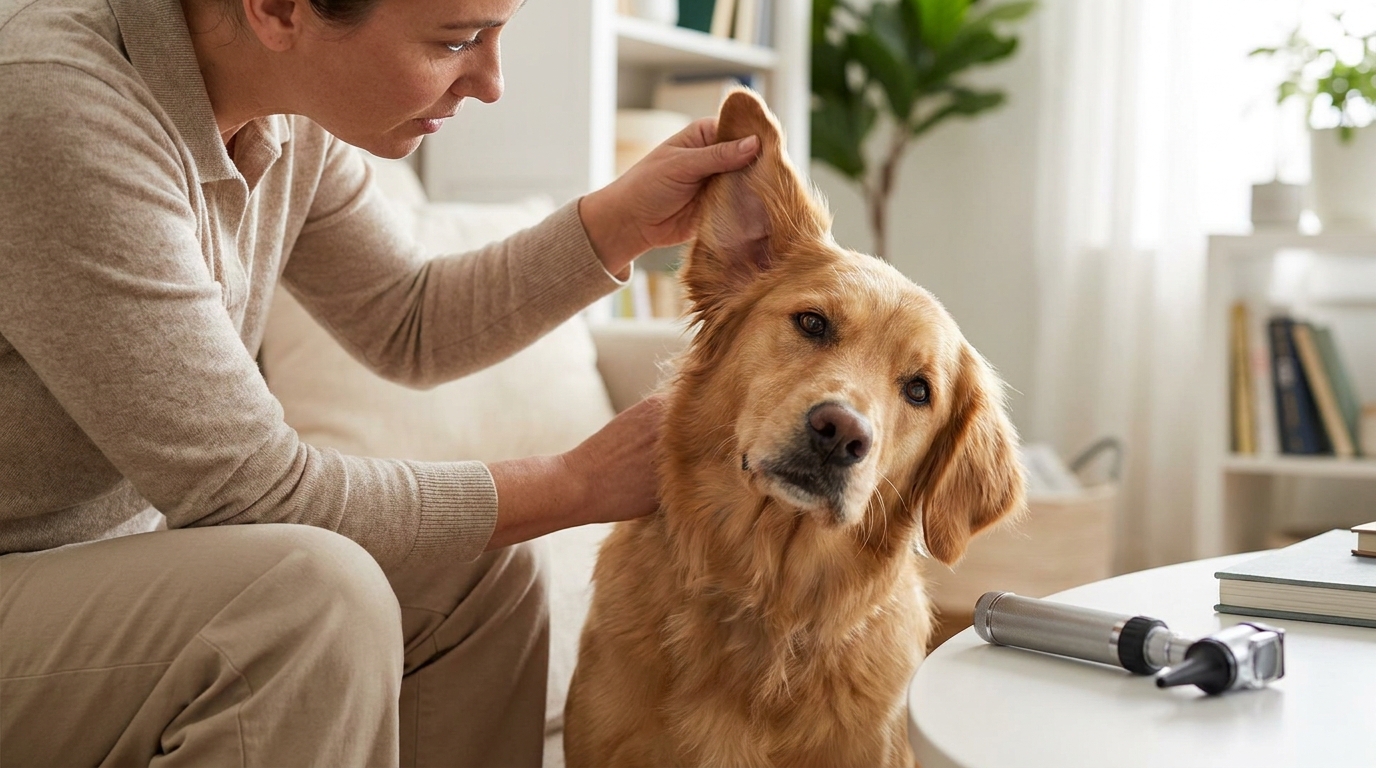
A dog ear infection is one of the most common reasons pet owners visit their local clinic. Medically classified as otitis externa when it affects the outer ear canal, this condition causes significant discomfort for your furry friend. If left untreated, the inflammation can progress into otitis media, which involves the middle ear and requires more intensive care. Whether caused by a persistent yeast infection or a stubborn bacterial infection, identifying the signs early is crucial for your pet's comfort.
In this article, we will explore why symptoms like constant head shaking and foul-smelling ear discharge should never be ignored. We will also discuss the importance of professional ear cleaning techniques performed under the guidance of a veterinarian to ensure safety. By understanding the anatomy of the ear and the root causes of these painful issues, you can better protect your dog from recurring health struggles. Always remember that professional medical diagnosis is the only way to ensure your dog receives the correct medication to heal effectively.
How to Spot a Dog Ear Infection
Recognizing the early warning signs of a dog ear infection is essential for preventing long-term damage to your pet's hearing. While every animal reacts differently, most owners notice subtle behavioral changes before physical symptoms become severe. If you observe your companion acting unusually, perform a quick visual check of the pinna and the opening of the ear canal.
- Frequent head shaking or tilting the head to one side.
- Persistent scratching at the base of the ear.
- Visible redness, swelling, or heat around the ear flap.
- A distinct, unpleasant odor emanating from the ear.
- Thick, dark, or waxy ear discharge.
These indicators often signal that your pet is in significant pain. Statistics suggest that nearly 20% of dogs will experience some form of ear irritation during their lifetime, making it a top concern for pet parents. If you notice your dog rubbing their ears against furniture or the carpet, this is a clear sign of intense itching. Promptly scheduling an appointment with your veterinarian ensures that a proper diagnosis is made, as treating the wrong type of infection can sometimes worsen the condition. Stay observant, as early intervention is the best way to manage a dog ear infection before it impacts your dog's quality of life.
What Causes Ear Infections in Dogs
A dog ear infection often begins when the delicate balance of the ear canal is disrupted, allowing opportunistic organisms to thrive. While healthy ears maintain a stable microflora, moisture trapped after swimming or bathing acts as a primary environmental trigger that encourages rapid growth. This damp, warm environment is the perfect breeding ground for a bacterial infection or a stubborn yeast infection, both of which are leading causes of discomfort. Research indicates that nearly 70 percent of cases involve underlying allergies , which weaken the skin barrier and make the ears more susceptible to these invaders.
Beyond moisture, foreign objects like grass seeds or excessive hair growth within the ear canal can physically irritate the lining, leading to secondary inflammation. When the skin barrier is compromised, it creates an ideal setting for pathogens to multiply, eventually resulting in a painful dog ear infection. Because these conditions can escalate from simple irritation to complex issues like otitis externa, identifying these environmental factors is vital. By keeping your pet's ears dry and monitoring for signs of debris, you can significantly reduce the risk of these common, yet distressing, inflammatory episodes.
Why Ear Anatomy Matters for Infections
Understanding your pet's physical structure is key to preventing a dog ear infection. Unlike human ears, which are relatively straight, a canine's auditory system features an L-shaped passage. This unique geometry traps debris, moisture, and wax deep inside, making it difficult for the ear to self-clean. Breeds with long, floppy ears often face higher risks because their pinnae limit airflow, creating a humid environment where bacteria and yeast thrive.
The following table highlights how different ear shapes influence susceptibility to issues like otitis externa:
Ear Type | Risk Factor | Management Tip |
|---|---|---|
Floppy/Long | High humidity | Frequent ventilation |
Erect/Pointed | Low humidity | Regular visual checks |
Because the ear canal is so deep, even minor blockages can lead to significant inflammation. When anatomy prevents proper drainage, the resulting buildup often triggers a dog ear infection that requires professional intervention. By recognizing that your dog's ear shape is a biological factor, you can better prioritize routine maintenance to keep their hearing health stable and pain-free.
When to See Your Veterinarian
Knowing exactly when to seek professional help for a dog ear infection can be the difference between a quick recovery and a chronic, painful struggle. While mild irritation might seem manageable, certain red flags indicate that home observation is no longer safe. If you notice your pet experiencing sudden hearing loss, loss of balance, or walking in circles, these are critical signs of otitis media or deeper inner ear involvement that require immediate emergency care . Such neurological symptoms suggest the infection has bypassed the protective barriers of the ear canal, potentially damaging delicate structures inside.
Furthermore, if your dog displays extreme lethargy, refuses to eat, or shows signs of intense facial pain when opening their mouth, you must contact your veterinarian right away. Data shows that nearly 15 percent of untreated cases progress to severe systemic inflammation. Do not wait for a scheduled checkup if the dog ear infection appears to be causing persistent distress or if you see blood or thick, purulent fluid coming from the opening. Prompt medical intervention is the only way to prevent permanent damage and ensure your companion returns to comfort as quickly as possible.
How Vets Diagnose Canine Ear Issues
When you arrive at the clinic for a dog ear infection, your veterinarian follows a precise diagnostic protocol to pinpoint the underlying cause. The process typically begins with an otoscopic examination, where a specialized cone-shaped tool allows the doctor to visualize the deep structures of the ear canal. This step is vital to check for foreign bodies, polyps, or a ruptured eardrum before proceeding with further testing.
Following the visual inspection, the medical team will often collect a sample of debris using a sterile swab. This sample is then analyzed under a microscope through a process called cytology. This diagnostic method is highly effective, with studies showing that it correctly identifies the causative agent—such as a yeast infection or a bacterial infection—in over 90% of cases. By identifying the specific pathogen, your vet can prescribe the most effective targeted medication rather than relying on guesswork. In more complex or chronic cases, a culture and sensitivity test may be required to determine which antibiotics will best resolve the issue. This systematic approach ensures your pet receives the safest and most efficient care possible to restore their ear health.
Effective Treatment Options for Dogs
Once your veterinarian confirms a dog ear infection, they will likely prescribe a multi-faceted treatment plan. Most protocols involve a combination of topical drops or ointments containing antibiotics, antifungals, and anti-inflammatory steroids to reduce swelling. It is estimated that nearly 90% of cases respond well to these medicated treatments when owners strictly follow the prescribed dosage schedule. Consistency is vital, as stopping treatment early often leads to a resurgence of the underlying bacterial infection.
Proper maintenance is equally important to support healing. Your vet may recommend a specific, pH-balanced ear cleanser to remove debris and discharge before applying medication. Using the wrong solution can irritate sensitive skin, so always use products approved by your clinic. Never insert cotton swabs deep into the ear canal, as this can push debris further down or cause physical trauma to the sensitive eardrum. Instead, gently wipe the outer folds with a soft gauze pad. By keeping the area clean and dry, you provide the best environment for your pet to recover from a painful dog ear infection and prevent future flare-ups.
Safe Ways to Clean Your Dog's Ears
Maintaining your pet's ear hygiene is a proactive way to lower the risk of a dog ear infection. Before you begin, ensure you have a veterinarian-approved cleaning solution and plenty of soft gauze pads. Start by gently lifting the ear flap to inspect the area for excessive redness or debris. If the ear looks healthy, apply a small amount of the cleaning solution into the opening, being careful not to let the bottle tip touch the skin to avoid contamination. Gently massage the base of the ear for about thirty seconds to help break up wax and debris deep within the ear canal. After massaging, allow your dog to shake their head, which naturally helps loosen trapped material. Use a clean gauze pad to wipe away any discharge from the outer folds of the ear. Never insert objects deep inside, as this can damage the eardrum or push debris further down. Consistent, gentle care helps prevent the moisture buildup that often leads to a dog ear infection. Always reward your dog with a treat afterward to create a positive experience and keep them calm during future cleaning sessions.
Preventing Recurring Ear Infections at Home
Maintaining long-term ear health requires a proactive lifestyle shift rather than just reactive care. To effectively prevent a recurring dog ear infection, focus on managing your pet's environment and daily habits. Since moisture is a primary trigger for otitis externa, always thoroughly dry your dog's ears after swimming or bathing. Research suggests that 80% of chronic cases are linked to underlying environmental or food allergies, so consulting your veterinarian about a hypoallergenic diet or seasonal allergy management can significantly reduce inflammation.
Regular monitoring is key to catching issues before they escalate. By checking the ear canal weekly, you can spot early signs like mild redness or a slight increase in ear discharge. If you notice persistent head shaking, do not wait; early intervention prevents the condition from developing into a painful yeast infection or a deep-seated bacterial infection. Proper ear cleaning should be performed only with products recommended by your clinic to avoid disrupting the ear's natural pH balance. Keeping these areas dry and clean is the most effective way to ensure your pet remains comfortable and avoids the distress of a chronic dog ear infection.
How can I treat a dog's ear infection at home?
When addressing a dog ear infection at home, it is vital to understand that your primary role is supportive care rather than medical intervention. While you might be tempted to try various home remedies, clinical research warns that using vinegar, hydrogen peroxide, or essential oils can severely irritate the sensitive ear canal and potentially cause permanent damage. Instead, focus on creating a calm environment that facilitates your veterinarian-prescribed treatment plan.
A successful recovery relies on strict adherence to the medication schedule provided by your clinic. Statistics show that roughly 40% of recurring cases stem from owners stopping topical treatments too early, before the bacterial infection or yeast infection has fully cleared. To assist the healing process, gently remove external debris using only products specifically formulated for canine ears. Always watch for signs of otitis media, such as a head tilt or loss of coordination, which indicate the condition has moved beyond the outer ear. By prioritizing professional guidance over unverified home hacks, you ensure your pet avoids the complications often associated with otitis externa. Remember, consistent, gentle maintenance is the safest path to restoring your dog's long-term comfort and health.
What are the first signs of a dog's ear infection?
Identifying the early warning signs of a dog ear infection requires a keen eye for subtle behavioral shifts. While many owners wait for visible debris, clinical data suggests that behavioral cues often precede physical changes by several days. One of the earliest indicators is a change in your pet's social demeanor, such as becoming uncharacteristically withdrawn or sensitive to touch around the head. You might notice your dog hesitating when you reach to pet them, which is a common reaction to the deep-seated discomfort of otitis externa.
Beyond behavior, pay close attention to the micro-movements of the ear canal. Even before significant ear discharge appears, you may notice the skin inside the flap looking slightly pinker than usual or feeling warm to the touch. Research indicates that nearly 30% of early-stage cases present primarily as localized heat before a full-blown yeast infection or bacterial infection develops. By monitoring these subtle shifts and consulting your veterinarian at the first sign of persistent head shaking, you can often prevent the condition from progressing into more complex otitis media. Proactive observation remains the most effective tool for maintaining your dog's long-term auditory health.
Frequently Asked Questions
What are the common signs that my dog has an ear infection?
A dog ear infection often presents with very clear warning signs that you should not ignore. Watch for these common symptoms:
- Frequent head shaking or tilting the head to one side.
- Visible ear discharge, which may look like wax, pus, or blood.
- A strong, unpleasant odor coming from the ear.
- Redness, swelling, or heat around the ear canal.
- Excessive scratching at the ears or rubbing them against furniture.
If you notice any of these behaviors, contact your veterinarian promptly to prevent the condition from worsening.
How do I know if my dog's ear infection is caused by yeast or bacteria?
It is impossible to tell the difference between a yeast infection and a bacterial infection just by looking at your pet. Both types of infections cause similar symptoms, such as inflammation and discomfort. Your veterinarian will perform a physical exam and take a swab of the ear canal to look at the cells under a microscope. This diagnostic test is crucial because the treatment for a dog ear infection depends entirely on whether the culprit is fungal or bacterial. Never try to guess the cause at home.
Is it safe to clean my dog's ears at home if they have an infection?
If you suspect your dog has an active dog ear infection, you should consult a professional before performing any ear cleaning. If the eardrum is ruptured, certain cleaning solutions can cause permanent damage to your dog's hearing. Once a veterinarian confirms the eardrum is intact and provides a safe, medicated cleaner, follow these steps:
- Gently lift the ear flap.
- Apply the vet-approved solution to the ear canal.
- Massage the base of the ear to loosen debris.
- Let your dog shake their head, then wipe away the excess with a soft cotton ball.
What is the difference between otitis externa and otitis media?
The main difference lies in the location of the inflammation. Otitis externa refers to an infection of the outer ear canal, which is the most common type of dog ear infection. If left untreated, the infection can travel deeper, leading to otitis media, which affects the middle ear. This is a much more serious condition that can cause balance issues, hearing loss, or even neurological symptoms. Always seek veterinary care early to stop an external infection from spreading deeper into the ear structure.
Why does my dog keep getting repeat ear infections?
If your pet suffers from a recurring dog ear infection, there is likely an underlying issue that has not been addressed. Common triggers include:
- Allergies: Food or environmental allergies often cause chronic inflammation in the ears.
- Anatomy: Dogs with long, floppy ears are more prone to trapped moisture.
- Foreign objects: Small grass seeds or debris can get stuck in the ear canal.
- Incomplete treatment: Stopping medication too soon can allow the infection to return.
Talk to your vet about identifying the root cause to help your dog stay healthy.
FAQs
What are the common signs that my dog has an ear infection?
A dog ear infection often presents with very clear warning signs that you should not ignore. Watch for these common symptoms:
- Frequent head shaking or tilting the head to one side.
- Visible ear discharge, which may look like wax, pus, or blood.
- A strong, unpleasant odor coming from the ear.
- Redness, swelling, or heat around the ear canal.
- Excessive scratching at the ears or rubbing them against furniture.
If you notice any of these behaviors, contact your veterinarian promptly to prevent the condition from worsening.
How do I know if my dog's ear infection is caused by yeast or bacteria?
It is impossible to tell the difference between a yeast infection and a bacterial infection just by looking at your pet. Both types of infections cause similar symptoms, such as inflammation and discomfort. Your veterinarian will perform a physical exam and take a swab of the ear canal to look at the cells under a microscope. This diagnostic test is crucial because the treatment for a dog ear infection depends entirely on whether the culprit is fungal or bacterial. Never try to guess the cause at home.
Is it safe to clean my dog's ears at home if they have an infection?
If you suspect your dog has an active dog ear infection, you should consult a professional before performing any ear cleaning. If the eardrum is ruptured, certain cleaning solutions can cause permanent damage to your dog's hearing. Once a veterinarian confirms the eardrum is intact and provides a safe, medicated cleaner, follow these steps:
- Gently lift the ear flap.
- Apply the vet-approved solution to the ear canal.
- Massage the base of the ear to loosen debris.
- Let your dog shake their head, then wipe away the excess with a soft cotton ball.
What is the difference between otitis externa and otitis media?
The main difference lies in the location of the inflammation. Otitis externa refers to an infection of the outer ear canal, which is the most common type of dog ear infection. If left untreated, the infection can travel deeper, leading to otitis media, which affects the middle ear. This is a much more serious condition that can cause balance issues, hearing loss, or even neurological symptoms. Always seek veterinary care early to stop an external infection from spreading deeper into the ear structure.
Why does my dog keep getting repeat ear infections?
If your pet suffers from a recurring dog ear infection, there is likely an underlying issue that has not been addressed. Common triggers include:
- Allergies: Food or environmental allergies often cause chronic inflammation in the ears.
- Anatomy: Dogs with long, floppy ears are more prone to trapped moisture.
- Foreign objects: Small grass seeds or debris can get stuck in the ear canal.
- Incomplete treatment: Stopping medication too soon can allow the infection to return.
Talk to your vet about identifying the root cause to help your dog stay healthy.
Medically Reviewed
Reviewed by Dr. Tiffany Delacruz, DVM — licensed veterinarian and CEO of RexVet. Last reviewed April 16, 2026.
Content is for informational purposes and does not replace professional veterinary advice.
Chief Executive Officer · Licensed Veterinarian
Dr. Delacruz is a licensed Doctor of Veterinary Medicine specializing in preventive care and veterinary telehealth. She reviews all health content on RexVet to ensure accuracy and clinical relevance.
Sources & References
- · American Veterinary Medical Association — Telehealth Guidelines
- · AVMA — Pet Care Resources
- · U.S. FDA — Animal & Veterinary
Need an Expert Opinion on This Topic?
Connect with a certified vet via video call in minutes
Talk to Vet Now