
Cat Coughing: Causes, Warning Signs, and When to Ask an Online Vet
By RexVet Team | Reviewed by Dr. Tiffany Delacruz, DVM
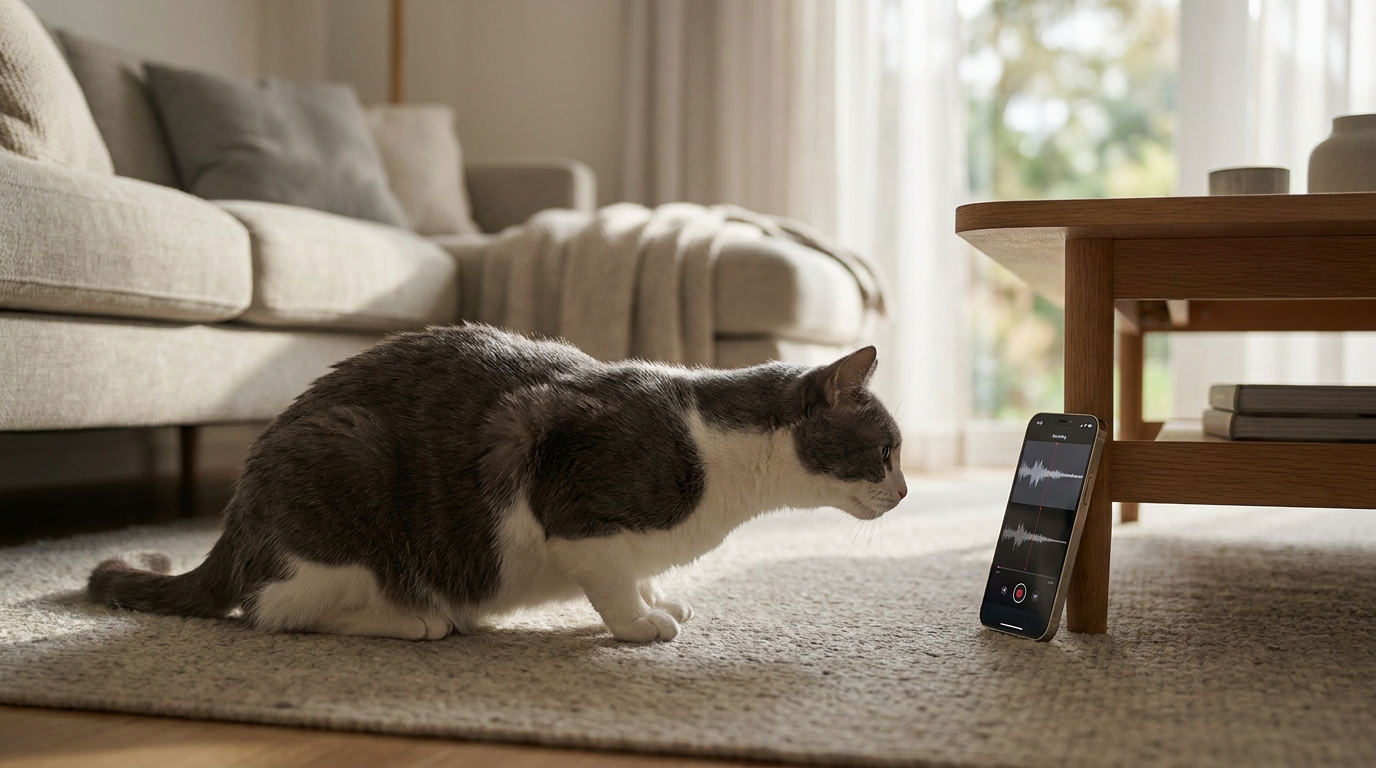
When your feline companion starts making unusual hacking sounds, it is natural to feel concerned. Understanding Cat Coughing: Causes, Warning Signs, and When to Ask an Online Vet is the first step in ensuring your pet receives the appropriate care. Many owners mistakenly assume a cough is simply a hairball, but persistent respiratory issues often point to underlying health conditions that require professional attention.
As a mission-driven, non-profit platform, RexVet provides accessible guidance to help you distinguish between benign behaviors and genuine medical distress. Our experts are here to help you navigate Cat Coughing: Causes, Warning Signs, and When to Ask an Online Vet so you can avoid unnecessary trips to the emergency clinic while ensuring your cat stays safe. Whether it is feline asthma or a more serious respiratory concern, our virtual consultations offer a cost-effective way to get answers from the comfort of your home. If you notice your cat struggling to breathe, do not hesitate to seek guidance; capturing a video of the episode can significantly assist our licensed veterinarians in providing an accurate assessment of your cat's health.
Is Your Cat Coughing or Trying to Pass a Hairball?
Distinguishing between a hairball and a respiratory issue is vital for your pet's health. When a cat attempts to pass a hairball, you will typically observe a rhythmic, hacking motion followed by a retching sound and the eventual expulsion of debris. In contrast, cat coughing often involves a low-to-the-ground, neck-extended posture without any material being produced. Recognizing these subtle differences is a key part of understanding Cat Coughing: Causes, Warning Signs, and When to Ask an Online Vet.
While hairballs are common, persistent hacking without success may signal underlying respiratory distress . If your cat remains in a crouched position for extended periods or exhibits rapid, shallow breaths, it is time to take action. By reviewing the nuances of Cat Coughing: Causes, Warning Signs, and When to Ask an Online Vet, you can better prepare for a virtual consultation. Our RexVet team recommends capturing a short video of the behavior, as this visual evidence helps our licensed veterinarians quickly differentiate between a simple grooming byproduct and a more serious condition like feline asthma or heart disease.
Common Causes of Cat Coughing
When investigating Cat Coughing: Causes, Warning Signs, and When to Ask an Online Vet, it is helpful to look beyond simple irritants. While many owners worry about environmental triggers like dust or smoke, clinical data shows that feline asthma is a leading cause of chronic respiratory inflammation in cats. This condition often presents as sudden, repetitive bouts of wheezing that can be mistaken for other ailments. Infections, whether viral or bacterial, also frequently disrupt the airways, leading to persistent discomfort that requires professional evaluation.
Beyond infections, heart disease in cats can manifest as respiratory distress, where fluid accumulation in the lungs triggers a cough. Because these conditions vary in severity, understanding Cat Coughing: Causes, Warning Signs, and When to Ask an Online Vet helps you identify when to seek help. If your cat shows signs of labored breathing, such as using abdominal muscles to inhale, this is a critical indicator that requires immediate attention. By utilizing our non-profit platform, you can access affordable guidance to determine if your pet needs an urgent in-person visit or if a virtual consultation can provide the necessary support for managing their respiratory health safely.
Cat Coughing With Fast Breathing or Wheezing
When you notice your cat breathing fast or wheezing, it is time to move beyond casual observation. These symptoms often indicate that your pet is struggling to get enough oxygen, which is a significant health concern. In the context of Cat Coughing: Causes, Warning Signs, and When to Ask an Online Vet, rapid respiratory rates—typically exceeding 30 to 40 breaths per minute while resting—are major red flags that require immediate professional assessment.
While you evaluate your pet, look for signs of extreme distress such as open-mouth breathing, which is highly abnormal in cats and suggests a medical emergency . Other warning signs include blue or pale gums, lethargy, or an inability to find a comfortable resting position. If you are unsure about the severity, Cat Coughing: Causes, Warning Signs, and When to Ask an Online Vet is a resource that helps you decide if a virtual consultation can provide clarity or if you need an in-person visit. Remember, capturing a video of the breathing pattern is incredibly helpful for our licensed veterinarians to assess the urgency of your situation. Understanding Cat Coughing: Causes, Warning Signs, and When to Ask an Online Vet ensures you act quickly when your cat's health is at risk.
When Symptoms May Be Serious
While minor respiratory irritation can sometimes resolve on its own, certain symptoms indicate a medical emergency that requires immediate in-person attention. When navigating Cat Coughing: Causes, Warning Signs, and When to Ask an Online Vet, it is critical to recognize that signs like blue or purple-tinted gums, persistent open-mouth breathing, or a cat that is collapsing are non-negotiable indicators for an emergency facility visit. These symptoms suggest your pet is struggling to oxygenate their blood, which is life-threatening.
Beyond these extreme cases, you should seek urgent care if your cat appears severely weak, is unable to stand, or seems to be choking on a foreign object. For less acute but still concerning episodes, our RexVet platform offers a bridge to professional triage . By understanding Cat Coughing: Causes, Warning Signs, and When to Ask an Online Vet, you can avoid the stress of unnecessary emergency room trips while ensuring your cat receives timely care. If your cat is experiencing a persistent, non-productive cough without these critical warning signs, a virtual consultation is an excellent first step to determine if professional intervention is needed for respiratory health.
How to Prepare for a Virtual Vet Visit
Before starting your virtual session, capturing clear video evidence is one of the most effective ways to help our team diagnose your pet. When you notice Cat Coughing: Causes, Warning Signs, and When to Ask an Online Vet, try to record a ten-second clip from a steady distance. Ensure the lighting is bright enough to see your cat's body posture, specifically focusing on whether their neck is extended or if their abdomen is pulling inward during the effort.
This visual data acts as a digital stethoscope for our doctors. By reviewing these clips during your Cat Coughing: Causes, Warning Signs, and When to Ask an Online Vet consultation, our licensed vets can often distinguish between a harmless hairball attempt and a true respiratory crisis. To ensure the best quality, avoid zooming in too much, as a wider angle helps us observe the overall breathing rate and any associated wheezing sounds. If you are preparing for a Cat Coughing: Causes, Warning Signs, and When to Ask an Online Vet appointment, having this footage ready allows us to provide a more accurate, timely assessment of your cat's health without the stress of an unnecessary clinic trip.
Can an Online Vet Help?
When you are unsure if your feline's symptoms warrant an immediate trip to the clinic, virtual triage serves as a vital resource. Cat Coughing: Causes, Warning Signs, and When to Ask an Online Vet allows you to speak with a licensed professional who can assess your pet's condition from the safety of home. This service is especially useful for non-emergency situations where you need clarity before deciding on a physical visit.
Our virtual platform helps you determine if the issue is a mild irritant or something requiring urgent intervention. By utilizing Cat Coughing: Causes, Warning Signs, and When to Ask an Online Vet, you gain access to expert guidance that saves you time and reduces the stress of unnecessary travel. We focus on providing actionable advice, such as monitoring respiratory rates or identifying environmental triggers, to ensure your cat receives the best possible care. Whether it is a chronic condition or a sudden flare-up, our team is here to support you. If your cat is coughing, get fast online guidance from a licensed vet to decide the best next steps for their health and comfort.
Triage Checklist: When to Go to the ER
When evaluating Cat Coughing: Causes, Warning Signs, and When to Ask an Online Vet, it is vital to distinguish between manageable health issues and true medical emergencies. If your cat displays signs of labored breathing, such as visible effort in the chest or abdomen while resting, you should seek immediate in-person care. Other critical indicators include blue or pale gums, which signal a dangerous lack of oxygen, or persistent open-mouth breathing that does not subside after a few minutes of calm.
For less severe cases, our Cat Coughing: Causes, Warning Signs, and When to Ask an Online Vet guide suggests using our platform for professional triage. While waiting for an appointment, keep your cat in a stress-free, quiet environment to reduce their respiratory rate. If you are unsure whether your feline is experiencing a minor flare-up of feline asthma or a more serious cardiac event, a virtual consultation provides the clarity you need to avoid unnecessary emergency room costs. By choosing Cat Coughing: Causes, Warning Signs, and When to Ask an Online Vet, you gain access to expert guidance that ensures your pet receives the right level of care at the right time.
Managing Chronic Respiratory Conditions at Home
Supporting a cat with chronic respiratory issues requires a proactive home environment. When managing conditions like feline asthma or bronchitis, minimizing airborne irritants is essential. Avoid using scented candles, harsh cleaning sprays, or dusty clay litters, as these can trigger inflammation. Instead, opt for dust-free, unscented paper or wood-based litters to keep your cat’s airways clear. Maintaining a stable, stress-free routine also helps, as excitement or anxiety can sometimes exacerbate breathing difficulties.
Regular monitoring of your cat’s resting respiratory rate is a simple yet powerful tool for home care. By counting their breaths while they sleep—ideally staying under 30 breaths per minute—you can track their baseline health . If you notice a sudden shift, our Cat Coughing: Causes, Warning Signs, and When to Ask an Online Vet resource serves as a vital guide. For ongoing peace of mind, our non-profit platform offers affordable, 24/7 access to licensed professionals who can help you adjust your home management plan. Understanding Cat Coughing: Causes, Warning Signs, and When to Ask an Online Vet ensures you are never navigating these challenges alone, providing you with the expert support needed to keep your feline companion comfortable and thriving at home.
Ask RexVet for Fast Guidance
When you need quick, reliable answers about your pet's health, RexVet offers a streamlined path to professional guidance. Understanding Cat Coughing: Causes, Warning Signs, and When to Ask an Online Vet is much easier when you have a licensed expert ready to review your cat's symptoms in real-time. Our non-profit platform is designed specifically for pet owners who want to avoid the high costs and stress of an unnecessary emergency room visit for non-critical respiratory concerns.
By choosing our service, you gain access to a dedicated veterinary professional who can help you interpret subtle changes in your cat's breathing. Whether you are worried about a potential asthma flare-up or just need peace of mind, our team provides affordable, expert triage. Exploring Cat Coughing: Causes, Warning Signs, and When to Ask an Online Vet through our platform ensures you get the right advice without the wait. For just $64.99, you can secure a professional consultation that clarifies whether your cat needs immediate in-person care or if you can manage the situation safely at home. If your cat is coughing, get fast online guidance from a licensed vet today to ensure your companion receives the compassionate care they deserve.
Get Professional Support for just $64.99
When your pet faces respiratory distress, getting professional support for only $64.99 through RexVet provides a vital safety net. Many owners panic when they first notice their cat coughing, but having immediate access to a licensed veterinarian can help you determine if the situation requires an emergency room visit or if it can be managed with professional guidance at home. Understanding Cat Coughing: Causes, Warning Signs, and When to Ask an Online Vet is essential for every pet parent, especially since respiratory issues can escalate quickly.
Our virtual platform offers 24/7 care, ensuring you never have to guess about your cat's health. By consulting with our team, you can receive expert triage that saves you the high costs and stress associated with unnecessary emergency clinic trips. Whether you are dealing with a suspected asthma flare-up or a persistent cough, learning about Cat Coughing: Causes, Warning Signs, and When to Ask an Online Vet empowers you to act decisively. If your cat is coughing, get fast online guidance from a licensed vet today to ensure your companion receives the compassionate, affordable care they deserve.
Frequently Asked Questions
Why is my cat coughing but no hairball comes out?
If your cat is coughing but no hairball comes out, it is often a sign of a respiratory issue rather than a digestive one. Many owners mistake this 'crouched-neck' posture for hairball removal, but it can actually indicate feline asthma, bronchitis, or even heartworm disease. Because the underlying cause is rarely a hairball, you should monitor the frequency of these episodes. If it happens repeatedly, it is best to consult an online vet who can help you determine if your pet requires diagnostic testing.
Is cat coughing urgent?
A cat coughing is not always an emergency, but it should never be ignored. While occasional mild coughing might be linked to environmental irritants, persistent coughing is a red flag for feline asthma or other chronic conditions. You should treat it as urgent if you notice labored breathing, open-mouth breathing, or blue-tinted gums. In these cases, seek immediate in-person care. For non-emergency symptoms, our RexVet team can provide a professional triage to help you decide the next steps.
What does asthma in cats look like?
Feline asthma often presents as a dry, hacking cough where the cat extends its neck forward and low to the ground. You might notice your cat wheezing or struggling to catch its breath after the episode. It is important to distinguish this from a hairball; if your cat is coughing without producing a hairball, asthma is a common culprit. Recording a video of these episodes is a great tip, as it allows a RexVet doctor to visualize the behavior during your virtual consultation.
Should I wait if my cat is breathing fast?
No, you should not wait if your cat is breathing fast or showing signs of labored breathing. Rapid respiratory rates (typically over 30-40 breaths per minute while resting) can be a sign of heart disease or severe respiratory distress. If your cat is struggling to breathe, this is a medical emergency that requires an immediate visit to an in-person clinic. Always prioritize your cat's safety and seek emergency care if they appear to be in distress or are lethargic.
Can an online vet help with cat coughing?
Yes, an online vet is an excellent resource for managing Cat Coughing: Causes, Warning Signs, and When to Ask an Online Vet. Through a virtual consultation, our licensed veterinarians can review your cat's symptoms, discuss their medical history, and help you differentiate between manageable issues and those requiring an in-person exam. RexVet offers an affordable, non-profit approach to triage, helping you avoid unnecessary emergency room trips while ensuring your cat gets the expert guidance they need.
How can I prepare for a virtual vet visit regarding my cat's cough?
To make the most of your virtual visit, try to gather as much information as possible before the call. Record a video of your cat during a coughing fit, as this is often more helpful than a verbal description. Note how often the coughing occurs, if there are specific triggers like dust or perfume, and if your cat has any other symptoms like lethargy or loss of appetite. Having this data ready helps our RexVet doctors provide a more accurate assessment of the underlying cause.
FAQs
Why is my cat coughing but no hairball comes out?
If your cat is coughing but no hairball comes out, it is often a sign of a respiratory issue rather than a digestive one. Many owners mistake this 'crouched-neck' posture for hairball removal, but it can actually indicate feline asthma, bronchitis, or even heartworm disease. Because the underlying cause is rarely a hairball, you should monitor the frequency of these episodes. If it happens repeatedly, it is best to consult an online vet who can help you determine if your pet requires diagnostic testing.
Is cat coughing urgent?
A cat coughing is not always an emergency, but it should never be ignored. While occasional mild coughing might be linked to environmental irritants, persistent coughing is a red flag for feline asthma or other chronic conditions. You should treat it as urgent if you notice labored breathing, open-mouth breathing, or blue-tinted gums. In these cases, seek immediate in-person care. For non-emergency symptoms, our RexVet team can provide a professional triage to help you decide the next steps.
What does asthma in cats look like?
Feline asthma often presents as a dry, hacking cough where the cat extends its neck forward and low to the ground. You might notice your cat wheezing or struggling to catch its breath after the episode. It is important to distinguish this from a hairball; if your cat is coughing without producing a hairball, asthma is a common culprit. Recording a video of these episodes is a great tip, as it allows a RexVet doctor to visualize the behavior during your virtual consultation.
Should I wait if my cat is breathing fast?
No, you should not wait if your cat is breathing fast or showing signs of labored breathing. Rapid respiratory rates (typically over 30-40 breaths per minute while resting) can be a sign of heart disease or severe respiratory distress. If your cat is struggling to breathe, this is a medical emergency that requires an immediate visit to an in-person clinic. Always prioritize your cat's safety and seek emergency care if they appear to be in distress or are lethargic.
Can an online vet help with cat coughing?
Yes, an online vet is an excellent resource for managing cat coughing: causes, warning signs, and when to ask an online vet. Through a virtual consultation, our licensed veterinarians can review your cat's symptoms, discuss their medical history, and help you differentiate between manageable issues and those requiring an in-person exam. RexVet offers an affordable, non-profit approach to triage, helping you avoid unnecessary emergency room trips while ensuring your cat gets the expert guidance they need.
How can I prepare for a virtual vet visit regarding my cat's cough?
To make the most of your virtual visit, try to gather as much information as possible before the call. Record a video of your cat during a coughing fit, as this is often more helpful than a verbal description. Note how often the coughing occurs, if there are specific triggers like dust or perfume, and if your cat has any other symptoms like lethargy or loss of appetite. Having this data ready helps our RexVet doctors provide a more accurate assessment of the underlying cause.
Medically Reviewed
Reviewed by Dr. Tiffany Delacruz, DVM — licensed veterinarian and CEO of RexVet. Last reviewed May 29, 2026.
Content is for informational purposes and does not replace professional veterinary advice.
Chief Executive Officer · Licensed Veterinarian
Dr. Delacruz is a licensed Doctor of Veterinary Medicine specializing in preventive care and veterinary telehealth. She reviews all health content on RexVet to ensure accuracy and clinical relevance.
Sources & References
- · American Veterinary Medical Association — Telehealth Guidelines
- · AVMA — Pet Care Resources
- · U.S. FDA — Animal & Veterinary
Need an Expert Opinion on This Topic?
Connect with a certified vet via video call in minutes
Talk to Vet Now