
Toxic Plants for Cats: Common Houseplants Florida and New York Owners Should Avoid
By RexVet Team | Reviewed by Dr. Tiffany Delacruz, DVM
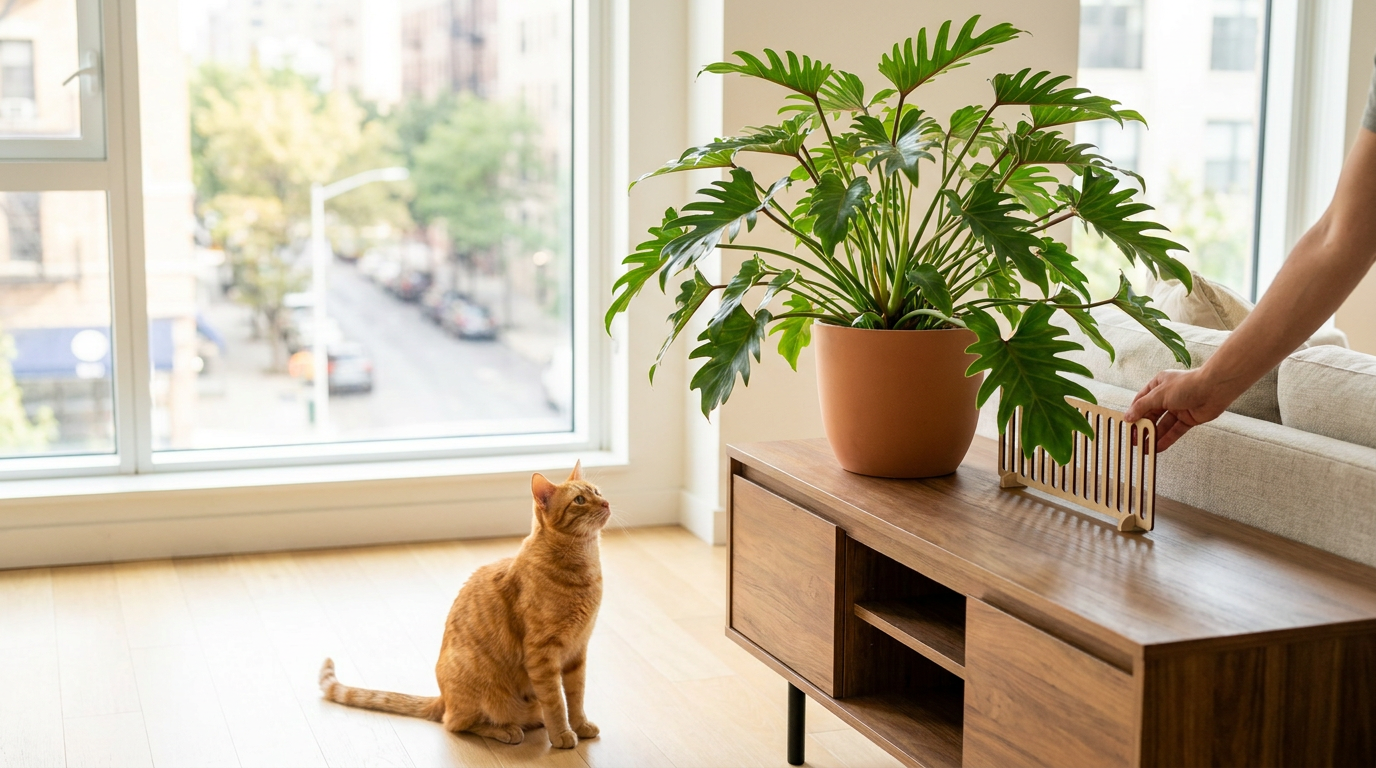
Creating a safe indoor environment for your feline companions is a top priority for pet owners. Whether you reside in the humid climate of Florida or the seasonal shifts of New York, understanding Toxic Plants for Cats is essential for preventing accidental ingestion. Many popular decorative plants, such as lilies, sago palms, and pothos, contain compounds like calcium oxalate crystals that can cause severe irritation or systemic poisoning. Recognizing these risks is the first step in protecting your pet from common indoor plant safety hazards.
When you suspect your cat has nibbled on a potentially poisonous houseplant, early intervention is vital. Symptoms of plant poisoning often include vomiting, excessive drooling, lethargy, or loss of appetite. Because lily exposure can lead to rapid kidney failure, immediate veterinary consultation is non-negotiable. If your cat may have eaten a lily or another toxic plant, go to an emergency vet or call ASPCA Animal Poison Control (888-426-4435) first. By learning about Toxic Plants for Cats, you can create a secure sanctuary for your pets while avoiding unnecessary stress. For non-urgent plant-safety questions, you can book a live video visit today.
Why Your Indoor Plants Might Be Dangerous
Many indoor plants release chemical defenses, known as phytotoxins, that trigger adverse reactions in pets. When researching Toxic Plants for Cats, it is crucial to understand that plants like philodendrons and dieffenbachia contain microscopic calcium oxalate crystals. When chewed, these crystals penetrate the cat's oral tissues, causing intense burning, swelling, and drooling. Other varieties, such as tulips and aloe, contain compounds that may lead to gastrointestinal distress or muscle tremors.
Owners must remain vigilant, as even small ingestions can escalate quickly. Symptoms of plant poisoning often include persistent vomiting, diarrhea, weakness, or sudden lethargy. If you suspect your cat has interacted with Toxic Plants for Cats, do not wait for symptoms to worsen. If your cat has already eaten part of a toxic plant, go to an emergency vet or call ASPCA Animal Poison Control (888-426-4435) now. For non-urgent questions about a plant you are unsure of, or to discuss safer alternatives for your living space, our non-profit platform offers an affordable live video visit with a licensed veterinarian.
High-Risk Plants Found in Florida and New York
Regional geography significantly influences the risks indoor plants pose to feline health. In Florida, the abundance of outdoor foliage often leads owners to bring tropical species like the sago palm inside, unaware that every part of this plant is highly poisonous. Conversely, New York residents often rely on decorative arrangements during colder months, which may inadvertently include toxic floral varieties. Understanding Toxic Plants for Cats is a critical step in proactive pet safety.
Beyond the sago palm, other regional favorites like the ZZ plant or fiddle leaf fig can cause significant distress if ingested. When navigating Toxic Plants for Cats, it is helpful to reference the ASPCA plant list for a full breakdown of hazardous species. If your cat shows signs of toxicity, go to an emergency vet or call ASPCA Animal Poison Control (888-426-4435) right away. For non-urgent questions about plants in your home, you can book a live video visit to receive cost-effective guidance tailored to your specific concerns.
Common Houseplants That Trigger Cat Toxicity
When curating your indoor garden, identifying Toxic Plants for Cats is essential for pet safety. Popular choices like pothos and philodendron are widely loved for their trailing vines but contain insoluble calcium oxalates that cause immediate oral pain. Similarly, the dieffenbachia, often called the dumb cane, can trigger severe swelling of the tongue and throat upon contact. Even the healing reputation of aloe is misleading for felines, as ingestion can lead to significant digestive upset.
Because these species are staples in many homes, recognizing the risks associated with Toxic Plants for Cats helps you proactively manage your space. If you notice your cat chewing on these leaves, do not wait for severe symptoms to appear. If your cat has already swallowed part of one of these plants, call an emergency vet or ASPCA Animal Poison Control (888-426-4435) first. For non-urgent questions, our non-profit platform offers an affordable live video visit with a licensed professional to help ensure your home remains a safe sanctuary.
The Dangers of Lilies and Tulips
When discussing Toxic Plants for Cats, lilies and tulips represent a critical, life-threatening emergency. While many plants cause mild irritation, lilies from the Lilium or Hemerocallis genera are uniquely dangerous to felines. Even a tiny amount of pollen brushed onto a cat's fur, which is then ingested during grooming, can trigger acute kidney failure within hours. Similarly, tulips contain allergenic lactones that cause intense oral trauma, vomiting, and potential heart rhythm disturbances.
Owners must recognize that these specific flowers are not merely irritants; they are medical emergencies. If you suspect ingestion, every minute counts. Because symptoms like lethargy or loss of appetite can be subtle, you should not wait for visible distress. Toxic Plants for Cats require immediate professional assessment. If your cat may have touched or eaten any part of a lily or tulip, go to the nearest emergency veterinary hospital now and call ASPCA Animal Poison Control (888-426-4435) on the way. Lily exposure always needs in-person care, so do not wait for a video visit. For questions about which flowers are safe to keep at home, you can book a live video visit.
Recognizing Warning Signs of Plant Poisoning
When you suspect your pet has ingested greenery, identifying Toxic Plants for Cats is the first step toward safety. While many owners focus on the plant itself, monitoring for specific physical reactions is equally critical. Common indicators of poisoning include persistent vomiting, excessive drooling, and noticeable lethargy. You might also observe your cat struggling with diarrhea or showing a sudden, unexplained loss of appetite. These signs often point to systemic distress that requires professional evaluation.
Because early detection significantly improves outcomes, pet parents should not wait for symptoms to escalate. If you notice your cat acting weak or favoring their mouth, it is time to act. Understanding Toxic Plants for Cats helps you stay proactive, but even the most careful owners can face accidents. If you see these signs, go to an emergency vet or call ASPCA Animal Poison Control (888-426-4435) first. For non-urgent questions, you can book a live video visit to get expert guidance.
Immediate Steps When Ingestion Is Suspected
When you suspect your cat has ingested a hazardous green, time is your most valuable asset. The first step is to safely remove any remaining plant material from your cat's mouth without risking a bite. Next, take a clear photo of the plant and its leaves; this visual evidence helps the emergency vet or poison control specialist identify the exact species. Understanding Toxic Plants for Cats allows you to act with confidence rather than panic.
Once the area is secure, do not wait for symptoms to appear, as some toxins cause internal damage long before vomiting begins. Instead, call an emergency vet or ASPCA Animal Poison Control (888-426-4435) now, especially if you know or suspect your cat ate a lily, sago palm, or any plant you cannot identify. Do not wait for a video visit. Familiarity with Toxic Plants for Cats is a powerful tool for prevention. For non-urgent questions about a plant you are unsure about, you can book a live video visit with a licensed veterinarian.
How RexVet Can Help With Plant Safety
If you have questions about Toxic Plants for Cats before an accident happens, RexVet connects you with a licensed veterinarian over a secure video call. The vet can talk through the specific plants in your home, which ones to remove or move out of reach, and safer alternatives to keep instead.
Understanding Toxic Plants for Cats also means knowing when to skip the video call. If your cat may have chewed or eaten any part of a toxic plant, go to an emergency vet or call ASPCA Animal Poison Control (888-426-4435) first. Do not wait for a video visit. A RexVet live video visit is for non-urgent questions, such as which plants are safe to keep or how to make your home safer long term. Our mission-driven platform ensures that expert advice remains accessible, helping you protect your feline companions from hidden botanical dangers in your home.
Creating a Cat-Safe Environment at Home
Designing a feline-friendly living space requires strategic planning, especially when considering Toxic Plants for Cats. Whether you are arranging a sunny balcony in Miami or a cozy apartment corner in Brooklyn, placement is your first line of defense. Keep all greenery on high, inaccessible shelves or in rooms where your cat is never left unsupervised. Hanging planters are a popular choice, but ensure they are securely mounted to prevent accidents if your cat decides to climb.
When researching Toxic Plants for Cats, consider utilizing safe alternatives like spider plants or Boston ferns to brighten your home without the risk. If you are struggling to arrange your space safely, our team at RexVet offers professional guidance to help you assess your current setup. Our virtual consultations provide an affordable way to audit your home environment and identify hidden dangers. By choosing non-toxic varieties and maintaining clear boundaries, you can cultivate a beautiful, lush home that remains a sanctuary for your curious feline companions.
Protecting Cats on Balconies and Patios
Balconies and patios offer refreshing outdoor access for cats, but they often harbor hidden botanical hazards. When designing these spaces, owners must be vigilant about Toxic Plants for Cats. In Florida, the warm climate encourages the growth of dangerous outdoor species like oleander, while New York balconies may feature seasonal potted plants that pose severe risks. Cats often explore these areas with curiosity, leading to accidental ingestion of leaves or stems.
Exposure to these plants can cause immediate distress, ranging from oral irritation to systemic organ failure. Recognizing Toxic Plants for Cats is your first line of defense in maintaining a secure environment. If you notice your cat displaying symptoms after time spent on the patio, do not hesitate to seek professional insight. If you think your cat ate oleander or another toxic plant, go to an emergency vet or call ASPCA Animal Poison Control (888-426-4435) first. For non-urgent questions, our non-profit platform lets you book a live video visit to help keep your outdoor sanctuary safe for your feline friend.
Professional Guidance for Your Cat's Health
Navigating the risks of Toxic Plants for Cats can feel overwhelming, but you do not have to manage these concerns alone. Whether you want to audit your home for safety or check a plant before you bring it home, professional guidance is just a click away. For non-urgent questions about Toxic Plants for Cats, our 24/7 virtual veterinary platform offers a stress-free way to get answers without the travel time of a clinic visit.
Our licensed veterinarians answer questions over live video about which plants are safe to keep and how to cat-proof your home. This non-profit service ensures that high-quality care remains accessible and affordable for every pet parent. If you think your cat has eaten a toxic plant, go to an emergency vet or call ASPCA Animal Poison Control (888-426-4435) now. For non-urgent plant-safety questions, book a live video visit today to create a safer, healthier environment for your feline companion.
What are three toxic houseplants?
When exploring Toxic Plants for Cats, it is vital to recognize that not all greenery is safe for inquisitive pets. Beyond the well-known lilies, many common indoor staples pose hidden risks. For instance, the Peace Lily (Spathiphyllum) and English Ivy are frequently found in both New York apartments and Florida sunrooms, yet both can cause significant oral irritation or gastrointestinal distress. Research indicates that nearly 15% of pet emergency calls involve accidental ingestion of household toxins.
Understanding Toxic Plants for Cats requires looking at specific plant families. Plants containing calcium oxalate crystals, such as the Monstera Deliciosa or Snake Plant, create immediate burning sensations when chewed. If you suspect your cat has ingested these, do not panic, but call an emergency vet or ASPCA Animal Poison Control (888-426-4435) first. For non-emergency questions, our live video visit service lets you speak with a licensed veterinarian over video, helping you keep your home a safe sanctuary while avoiding unnecessary, costly clinic visits.
Frequently Asked Questions
Which common houseplants are most dangerous for cats in Florida and New York?
When considering Toxic Plants for Cats, lilies are at the top of the list because they are extremely dangerous. Other risky plants include sago palms, pothos, philodendrons, dieffenbachia, aloe, and tulips. These plants contain substances that can cause severe illness. Whether you live in a warm Florida climate or a New York apartment, always verify if your greenery is safe before bringing it home. You can check the ASPCA plant list to confirm safety, or use our RexVet triage service if you are unsure about a plant's toxicity.
What are the common symptoms of plant poisoning in cats?
If you suspect your cat has ingested one of the Toxic Plants for Cats, watch for signs like vomiting, drooling, diarrhea, or difficulty swallowing. You may also notice your cat acting lethargic, weak, or losing their appetite. Some plants, like those containing calcium oxalate crystals, cause immediate mouth irritation and pawing at the face. If you observe any of these symptoms of plant poisoning, do not wait: go to an emergency vet or call ASPCA Animal Poison Control (888-426-4435). For non-urgent plant questions, you can book a RexVet video visit.
What should I do immediately if I think my cat ate a toxic plant?
If you believe your cat has ingested a plant from our list of Toxic Plants for Cats, stay calm but act quickly. First, remove any remaining plant material from your cat's mouth. Do not attempt to induce vomiting unless specifically instructed by a veterinarian. Take a photo of the plant for identification and then call an emergency vet or ASPCA Animal Poison Control (888-426-4435) immediately. For non-emergency guidance afterward, you can book a virtual consultation with RexVet to get expert advice from the safety of your home.
Why are lilies considered an emergency for cats?
Lilies are among the most lethal Toxic Plants for Cats. Even a very small amount of pollen, petals, or water from the vase can cause acute kidney failure in cats. Because the progression can be rapid and fatal, lily exposure is always treated as a pet emergency. If your cat has been near lilies, you must seek immediate in-person veterinary care. Do not delay, as early intervention is the only way to prevent permanent organ damage or death.
How can I keep my indoor plants safe for my cat?
To practice indoor plant safety, the best approach is to replace toxic varieties with cat-safe houseplants like spider plants, Boston ferns, or prayer plants. If you must keep plants that are on the list of Toxic Plants for Cats, place them in rooms your cat cannot access, use hanging planters, or utilize bitter-tasting sprays. Always monitor your pet's behavior around new greenery. If you need help deciding which plants are safe for your specific living situation, our veterinary consultation services are available to provide professional guidance.
How does RexVet help if I am worried about plant toxicity?
RexVet provides an affordable, 24/7 virtual veterinary consultation service. If your cat may have eaten any toxic plant, go to an emergency vet or call ASPCA Animal Poison Control (888-426-4435) first rather than waiting for a video visit. For non-urgent questions about Toxic Plants for Cats, such as identifying a plant before your cat gets to it or choosing safer alternatives, a licensed RexVet vet can help by video.
FAQs
Which common houseplants are most dangerous for cats in Florida and New York?
When considering Toxic Plants for Cats: Common Houseplants Florida and New York Owners Should Avoid, lilies are at the top of the list because they are extremely dangerous. Other risky plants include sago palms, pothos, philodendrons, dieffenbachia, aloe, and tulips. These plants contain substances that can cause severe illness. Whether you live in a warm Florida climate or a New York apartment, always verify if your greenery is safe before bringing it home. You can check the ASPCA plant list to confirm safety, or use our RexVet triage service if you are unsure about a plant's toxicity.
What are the common symptoms of plant poisoning in cats?
If you suspect your cat has ingested one of the Toxic Plants for Cats: Common Houseplants Florida and New York Owners Should Avoid, watch for signs like vomiting, drooling, diarrhea, or difficulty swallowing. You may also notice your cat acting lethargic, weak, or losing their appetite. Some plants, like those containing calcium oxalate crystals, cause immediate mouth irritation and pawing at the face. If you observe any of these symptoms of plant poisoning, do not wait: go to an emergency vet or call ASPCA Animal Poison Control (888-426-4435). For non-urgent plant questions, you can book a RexVet video visit.
What should I do immediately if I think my cat ate a toxic plant?
If you believe your cat has ingested a plant from our list of Toxic Plants for Cats: Common Houseplants Florida and New York Owners Should Avoid, stay calm but act quickly. First, remove any remaining plant material from your cat's mouth. Do not attempt to induce vomiting unless specifically instructed by a veterinarian. Take a photo of the plant for identification and then call an emergency vet or ASPCA Animal Poison Control (888-426-4435) immediately. For non-emergency guidance afterward, you can book a virtual consultation with RexVet to get expert advice from the safety of your home.
Why are lilies considered an emergency for cats?
Lilies are among the most lethal Toxic Plants for Cats: Common Houseplants Florida and New York Owners Should Avoid. Even a very small amount of pollen, petals, or water from the vase can cause acute kidney failure in cats. Because the progression can be rapid and fatal, lily exposure is always treated as a pet emergency. If your cat has been near lilies, you must seek immediate in-person veterinary care. Do not delay, as early intervention is the only way to prevent permanent organ damage or death.
How can I keep my indoor plants safe for my cat?
To practice indoor plant safety, the best approach is to replace toxic varieties with cat-safe houseplants like spider plants, Boston ferns, or prayer plants. If you must keep plants that are on the list of Toxic Plants for Cats: Common Houseplants Florida and New York Owners Should Avoid, place them in rooms your cat cannot access, use hanging planters, or utilize bitter-tasting sprays. Always monitor your pet's behavior around new greenery. If you need help deciding which plants are safe for your specific living situation, our veterinary consultation services are available to provide professional guidance.
How does RexVet help if I am worried about plant toxicity?
RexVet provides an affordable, 24/7 virtual veterinary consultation service. If your cat may have eaten any toxic plant, go to an emergency vet or call ASPCA Animal Poison Control (888-426-4435) first rather than waiting for a video visit. For non-urgent questions about Toxic Plants for Cats, such as identifying a plant before your cat gets to it or choosing safer alternatives, a licensed RexVet vet can help by video.
Medically Reviewed
Reviewed by Dr. Tiffany Delacruz, DVM — licensed veterinarian and CEO of RexVet. Last reviewed May 22, 2026.
Content is for informational purposes and does not replace professional veterinary advice.
Chief Executive Officer · Licensed Veterinarian
Dr. Delacruz is a licensed Doctor of Veterinary Medicine specializing in preventive care and veterinary telehealth. She reviews all health content on RexVet to ensure accuracy and clinical relevance.
Sources & References
- · American Veterinary Medical Association — Telehealth Guidelines
- · AVMA — Pet Care Resources
- · U.S. FDA — Animal & Veterinary
Need an Expert Opinion on This Topic?
Connect with a certified vet via video call in minutes
Talk to Vet Now