
Senior Cat Weight Loss: When It Is Normal Aging and When It Is a Warning Sign
By RexVet Team | Reviewed by Dr. Tiffany Delacruz, DVM
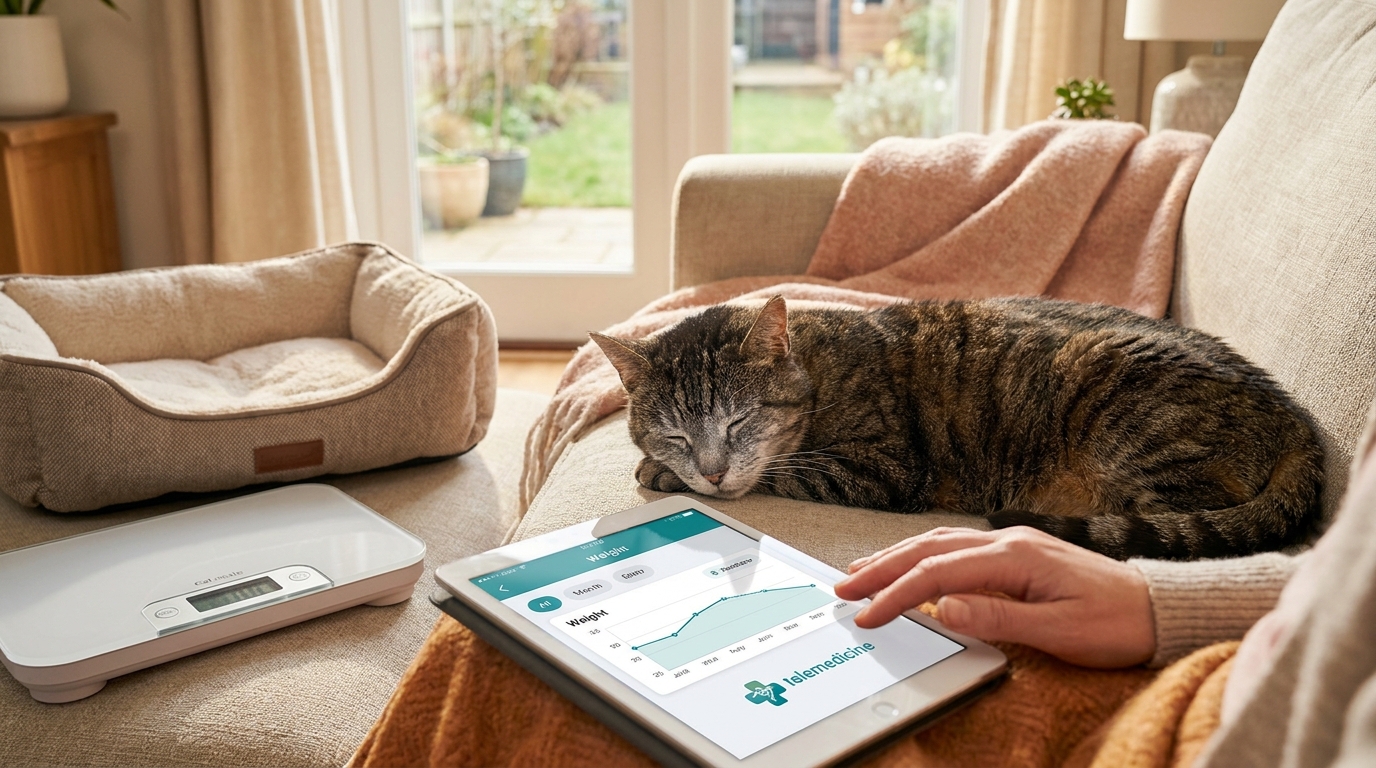
Watching your beloved companion enter their golden years is a poignant journey, but noticing a thinner frame can be deeply concerning for any pet parent. When addressing Senior Cat Weight Loss, it is vital to understand that significant weight loss is rarely just a natural part of getting older. While metabolism may slow, a noticeable drop in muscle mass or fat often signals underlying health issues like chronic kidney disease , feline hyperthyroidism, or diabetes mellitus. Understanding Senior Cat Weight Loss allows you to advocate for your cat's health early on.
At RexVet, we believe that accessible, 24/7 virtual care is the perfect first step to triage these changes. Before rushing your fragile senior to a stressful clinic, our non-profit telehealth platform helps you assess symptoms like appetite changes or shifts in body condition score from the comfort of home. Whether you are in Florida or New York, you can book a live video visit to determine if a physical veterinary examination is necessary, ensuring your cat receives the compassionate, expert care they deserve without unnecessary travel stress.
Why Senior Cat Weight Loss Is Never Just Normal Aging
When evaluating Senior Cat Weight Loss, pet owners must prioritize early detection . While some muscle mass naturally shifts as cats enter their geriatric years, rapid or unexplained drops in weight are clinical indicators of systemic health challenges. Conditions like chronic kidney disease, feline hyperthyroidism, and diabetes mellitus often mask themselves as subtle changes in appetite or activity. Recognizing Senior Cat Weight Loss requires tracking specific health markers to ensure your cat receives timely intervention.
- Monitor daily intake for persistent appetite changes or increased thirst.
- Observe litter box habits for changes in frequency or volume.
- Assess your cat's body condition score regularly to identify muscle wasting.
- Track grooming behavior, as hiding or unkempt fur can signal arthritis in cats or chronic discomfort.
Because diagnostic clarity requires physical veterinary examination, RexVet provides a vital bridge for owners. Our 24/7 virtual triage helps you determine if your cat's weight loss warrants an immediate clinic visit, allowing you to manage your pet's health with confidence and professional support from home. Book a live video visit to discuss your senior cat's needs today.
Common Medical Causes for Weight Loss in Older Cats
When investigating Senior Cat Weight Loss, it is crucial to recognize that systemic diseases often present as subtle physical changes. While a geriatric cat might naturally lose a small amount of muscle mass, conditions like chronic kidney disease and feline hyperthyroidism frequently drive significant weight loss despite a ravenous appetite. These metabolic shifts are common in older cats, yet they require professional intervention to manage effectively.
Understanding Senior Cat Weight Loss involves monitoring for secondary symptoms such as increased thirst, vomiting, or lethargy, which often accompany diabetes mellitus or gastrointestinal issues. Because these internal ailments are not always visible to the naked eye, a veterinary examination is necessary to confirm a diagnosis through blood work and physical assessment. At RexVet, our non-profit platform allows you to connect with a licensed veterinarian via video to discuss these warning signs from home. By using our live video visit service , you can determine the urgency of your cat's condition and decide if an in-person visit is the right next step for your companion.
Tracking Key Warning Signs at Home
Proactive monitoring at home is the most effective way to address Senior Cat Weight Loss. You should keep a simple log of your cat's daily habits, noting any changes in the volume of water consumed or the size of urine clumps in the litter box. These subtle shifts are often early indicators of metabolic conditions rather than just the passage of time. When you consider Senior Cat Weight Loss, remember that even a slight decrease in appetite or a change in stool consistency warrants a closer look. By tracking these metrics, you provide our veterinary team with the data needed to offer precise guidance during a virtual consultation . Our live video visit service is designed to help you interpret these patterns, ensuring you know exactly when to seek in-person care. If you notice persistent trends that concern you, please book a video visit to discuss your findings with a professional who can help you distinguish between benign aging and medical urgency.
Using Body Condition Scoring to Assess Your Cat
Learning how to perform a Body Condition Score (BCS) is a simple yet powerful way to monitor your cat at home. By feeling the ribs, spine, and waistline, you can objectively assess if your pet is maintaining a healthy weight. When evaluating Senior Cat Weight Loss, remember that a score of 4 or 5 out of 9 is ideal, while anything lower suggests muscle wasting that requires attention.
You do not need to be a vet to spot these changes, but you do need to be consistent. If you feel prominent bones or notice a tucked-in abdomen, it is time to investigate. Understanding Senior Cat Weight Loss helps you distinguish between natural metabolic shifts and medical concerns like arthritis in cats or chronic kidney disease. Our team at RexVet is here to help you interpret these findings. You can book a live video visit to share your observations and discuss your concerns with a professional today.
When to Choose Telehealth for Initial Triage
When you notice your cat thinning, deciding whether to head to an emergency clinic or wait for a standard checkup is a common challenge. Understanding Senior Cat Weight Loss helps you avoid unnecessary stress for your pet while ensuring they get timely care. Telehealth acts as a vital bridge, allowing you to discuss specific symptoms like lethargy or sudden appetite shifts with a licensed veterinarian from your home. By sharing video of your cat's movement or their current eating habits, our experts can help you determine if the situation requires an urgent in-person visit or if it can be managed through scheduled monitoring.
Using our live video visit service allows you to get professional guidance without the trauma of a car ride for an elderly animal. We help you evaluate Senior Cat Weight Loss by reviewing your observations against clinical markers. If the vet feels your cat needs a deeper look, they can tell you when an in-person exam is the right next step.
Preparing for Your RexVet Virtual Consultation
When you prepare for your RexVet virtual consultation, gathering specific data is essential to help our team distinguish between Senior Cat Weight Loss. Before you join the video call, please weigh your cat using a reliable scale, as a 5% to 10% drop in body weight over a few months is a significant clinical indicator that requires immediate investigation.
You should also prepare a concise log of your cat's daily intake, noting any changes in appetite, water consumption, or litter box frequency. If you have observed vomiting or lethargy, document the timing and consistency of these events. Having this information ready allows our veterinarians to provide a more accurate assessment of whether your cat needs urgent in-person diagnostics or if we can help you manage the situation remotely. Understanding Senior Cat Weight Loss is much easier when you have clear, objective data to share. Our goal is to provide you with the professional guidance needed to make the best health decisions for your senior companion while avoiding unnecessary clinic stress.
How Our Non-Profit Model Supports Frequent Monitoring
Consistent monitoring is the cornerstone of managing Senior Cat Weight Loss. Many owners assume that a leaner frame is simply part of the geriatric process, but our non-profit model at RexVet is designed to make frequent health checks both affordable and accessible. By leveraging our virtual platform, you can establish a baseline for your cat's health without the high costs or the physical strain of repeated in-person clinic trips.
When you consider Senior Cat Weight Loss, remember that early intervention often prevents expensive emergency care later. Our telehealth services allow you to track subtle trends in weight and behavior, ensuring you have the data needed to make informed decisions. We provide a cost-effective way to maintain a partnership with a licensed veterinarian, helping you distinguish between minor fluctuations and serious health concerns. Whether you are in Florida or New York, our mission is to support your senior companion's wellness through convenient, budget-friendly virtual consultations available at https://www.rexvet.org/book-appointment.
Taking the Next Step for Your Senior Feline
Taking the next step for your aging companion begins with recognizing that Senior Cat Weight Loss is a critical distinction every owner must master. While you might hope a thinner frame is simply a byproduct of time, unexplained loss often points to metabolic shifts that require professional oversight. By booking a virtual care appointment, you gain access to expert guidance that helps you navigate these health complexities without the stress of a clinical environment.
Our platform empowers you to address Senior Cat Weight Loss by providing a bridge to licensed veterinary advice. Whether you are in New York or Florida, our team can help you determine if your cat's condition requires an in-person diagnostic visit or if remote monitoring is sufficient. You can start your journey by visiting https://www.rexvet.org/book-appointment to book a live video visit. Taking this proactive step ensures your senior cat receives the compassionate, accessible care they truly need.
Do cats lose weight at the end of life?
When evaluating Senior Cat Weight Loss, it is helpful to look at the numbers. Research shows that nearly 20% of geriatric cats experience significant weight loss due to metabolic shifts. While some muscle atrophy is expected, a loss of over 10% of body weight in six months is a major clinical red flag. Understanding Senior Cat Weight Loss helps you distinguish between natural slowing of metabolism and dangerous conditions like hyperthyroidism or diabetes.
We recommend tracking your cat’s weight weekly using a digital kitchen scale. If you notice a downward trend, our non-profit telehealth platform provides a convenient way to get professional guidance. Our licensed vets can help you interpret these trends, saving you the stress of an immediate, costly clinic visit. Whether you are in Florida or New York, you can easily access our live video visit service at https://www.rexvet.org/book-appointment to determine if your cat needs urgent in-person diagnostics. Proactive monitoring is the best way to ensure your senior companion stays healthy and comfortable.
Why is my senior cat getting bony?
Understanding Senior Cat Weight Loss is essential for every cat owner. While some muscle thinning can occur in pets over age 12 due to lower activity, significant weight loss is rarely a benign part of the aging process. In fact, studies suggest that nearly 30% of senior cats suffer from undiagnosed metabolic conditions. When you evaluate Senior Cat Weight Loss, look for sudden changes in body condition score or coat quality, which often point to issues like hyperthyroidism or dental pain that makes eating difficult.
At RexVet, we provide a non-profit, 24/7 telehealth platform designed to help you distinguish between simple aging and urgent medical needs. Our virtual consultations allow you to discuss your cat's specific symptoms with a licensed veterinarian from home, saving your pet the trauma of a clinic visit. Whether you are in New York or Florida, you can book a live video visit to get the professional clarity you need to keep your senior companion healthy and comfortable.
Frequently Asked Questions
Is senior cat weight loss considered a normal part of aging?
While some muscle loss can occur in older pets, senior cat weight loss is a critical distinction. Significant or rapid weight loss is rarely just 'getting old.' It often signals underlying conditions like hyperthyroidism, kidney disease, or diabetes. If your cat is losing weight, do not ignore it. A live video visit can help determine if your cat needs an urgent in-person visit.
What should I track if I suspect my cat is losing weight?
To better understand senior cat weight loss, keep a detailed log for your vet. Track these key indicators:
- Daily appetite and thirst levels
- Frequency and volume of urination
- Changes in grooming habits or activity
- Presence of vomiting or stool changes
Having this data ready makes your virtual consultation much more effective and helps our vets provide a more accurate assessment.
How can RexVet help me manage my cat's weight loss?
RexVet provides an accessible, non-profit platform to address senior cat weight loss. We offer 24/7 virtual consultations that allow you to discuss your cat's symptoms from home, reducing the stress of clinic visits. Our veterinarians can help you decide if your cat needs immediate diagnostic testing or if you can monitor the situation remotely, saving you time and reducing unnecessary costs.
What are the common medical causes of weight loss in geriatric cats?
When investigating senior cat weight loss, vets look for several common culprits. These include chronic kidney disease, feline hyperthyroidism, diabetes mellitus, dental pain, and gastrointestinal issues. Because these conditions require bloodwork or physical exams to diagnose, our telehealth service acts as your first step to ensure you get the right care at the right time without unnecessary stress for your senior pet.
How do I use a Body Condition Score to check my cat's weight?
A Body Condition Score (BCS) is a simple way to assess senior cat weight loss. You can feel your cat's ribs and spine; if they are prominent or sharp, your cat may be underweight. If you are unsure, our virtual vets can guide you through a visual assessment during a video call. Monitoring this score regularly helps you catch subtle changes before they become serious health emergencies.
When should I prioritize an in-person clinic visit over a virtual consult?
While we love supporting you via telehealth, senior cat weight loss sometimes demands immediate in-person care. If your cat is lethargic, hiding, refusing to eat, or vomiting repeatedly, please seek local emergency care. For non-emergency concerns, our virtual platform is the perfect way to get professional guidance on whether a clinic trip is necessary, helping you avoid the stress of travel when it might not be required.
Related reading: Appetite support your vet may suggest: Mirataz transdermal ointment for cats.
Related reading: Feeding routine check: how often you should feed a cat.
FAQs
Is senior cat weight loss considered a normal part of aging?
While some muscle loss can occur in older pets, senior cat weight loss: when it is normal aging and when it is a warning sign is a critical distinction. Significant or rapid weight loss is rarely just 'getting old.' It often signals underlying conditions like hyperthyroidism, kidney disease, or diabetes. If your cat is losing weight, do not ignore it. A live video visit can help determine if your cat needs an urgent in-person visit.
What should I track if I suspect my cat is losing weight?
To better understand senior cat weight loss: when it is normal aging and when it is a warning sign, keep a detailed log for your vet. Track these key indicators:
- Daily appetite and thirst levels
- Frequency and volume of urination
- Changes in grooming habits or activity
- Presence of vomiting or stool changes
Having this data ready makes your virtual consultation much more effective and helps our vets provide a more accurate assessment.
How can RexVet help me manage my cat's weight loss?
RexVet provides an accessible, non-profit platform to address senior cat weight loss: when it is normal aging and when it is a warning sign. We offer 24/7 virtual consultations that allow you to discuss your cat's symptoms from home, reducing the stress of clinic visits. Our veterinarians can help you decide if your cat needs immediate diagnostic testing or if you can monitor the situation remotely, saving you time and reducing unnecessary costs.
What are the common medical causes of weight loss in geriatric cats?
When investigating senior cat weight loss: when it is normal aging and when it is a warning sign, vets look for several common culprits. These include chronic kidney disease, feline hyperthyroidism, diabetes mellitus, dental pain, and gastrointestinal issues. Because these conditions require bloodwork or physical exams to diagnose, our telehealth service acts as your first step to ensure you get the right care at the right time without unnecessary stress for your senior pet.
How do I use a Body Condition Score to check my cat's weight?
A Body Condition Score (BCS) is a simple way to assess senior cat weight loss: when it is normal aging and when it is a warning sign. You can feel your cat's ribs and spine; if they are prominent or sharp, your cat may be underweight. If you are unsure, our virtual vets can guide you through a visual assessment during a video call. Monitoring this score regularly helps you catch subtle changes before they become serious health emergencies.
When should I prioritize an in-person clinic visit over a virtual consult?
While we love supporting you via telehealth, senior cat weight loss: when it is normal aging and when it is a warning sign sometimes demands immediate in-person care. If your cat is lethargic, hiding, refusing to eat, or vomiting repeatedly, please seek local emergency care. For non-emergency concerns, our virtual platform is the perfect way to get professional guidance on whether a clinic trip is necessary, helping you avoid the stress of travel when it might not be required.
Medically Reviewed
Reviewed by Dr. Tiffany Delacruz, DVM — licensed veterinarian and CEO of RexVet. Last reviewed May 22, 2026.
Content is for informational purposes and does not replace professional veterinary advice.
Chief Executive Officer · Licensed Veterinarian
Dr. Delacruz is a licensed Doctor of Veterinary Medicine specializing in preventive care and veterinary telehealth. She reviews all health content on RexVet to ensure accuracy and clinical relevance.
Sources & References
- · American Veterinary Medical Association — Telehealth Guidelines
- · AVMA — Pet Care Resources
- · U.S. FDA — Animal & Veterinary
Need an Expert Opinion on This Topic?
Connect with a certified vet via video call in minutes
Talk to Vet Now