
Flea Prevention for Indoor Cats in Florida and New York: Why Indoor Cats Still Need Protection
By RexVet Team | Reviewed by Dr. Tiffany Delacruz, DVM
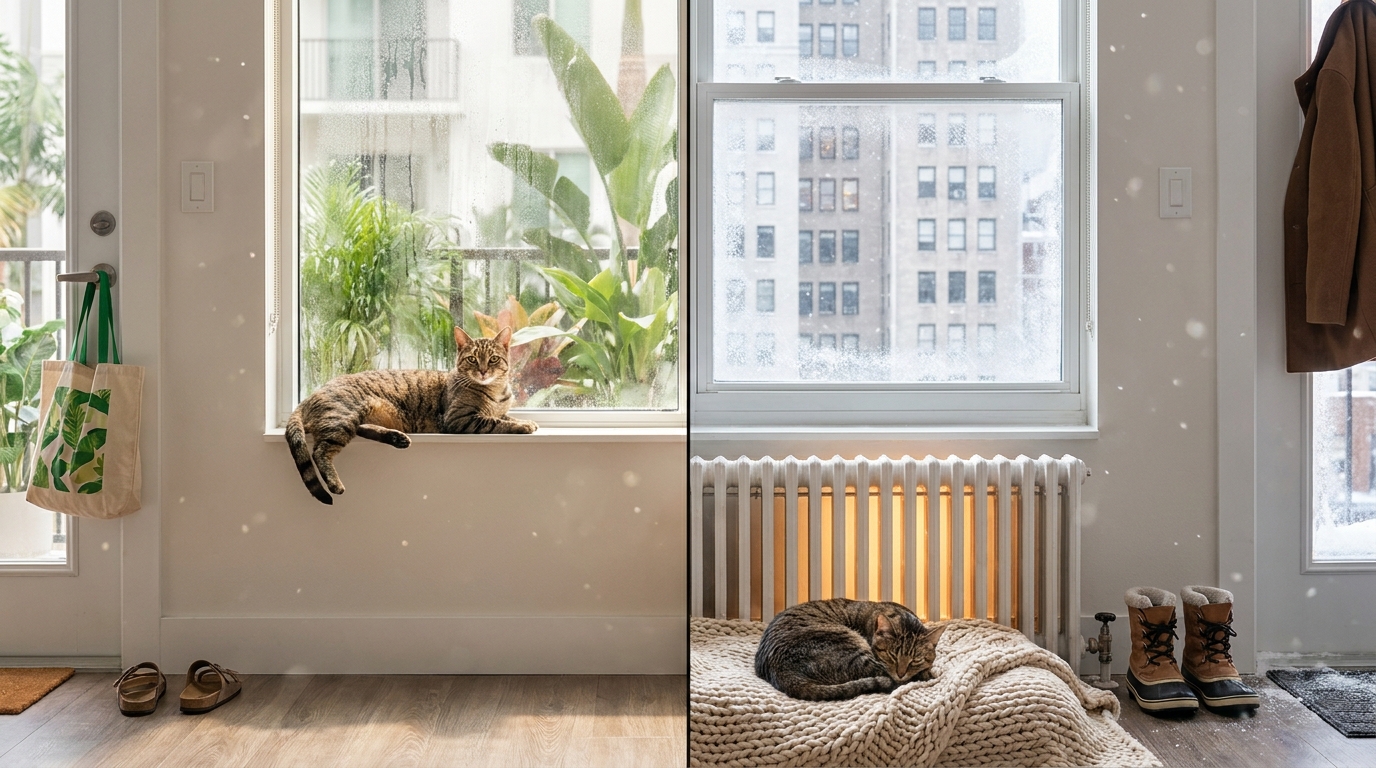
Many pet owners mistakenly believe that because their feline companions stay inside, they are immune to parasites. However, Flea Prevention for Indoor Cats in Florida is a vital topic for every cat parent to understand. Whether you live in the humid, year-round flea climate of Florida or face seasonal challenges in New York, indoor cats are not shielded from the risk of a flea infestation. Fleas are masters at finding ways inside, often hitching a ride on human clothing, shoes, or other pets that travel outdoors.
Even in climate-controlled apartments, the flea life cycle can thrive in the warmth of central heating or hidden corners of a home. Ignoring parasite protection can lead to painful flea allergy dermatitis or even tapeworms for your cat. Flea Prevention for Indoor Cats in Florida is about being proactive rather than reactive. If you have concerns about your pet, RexVet makes it simple to book a video visit with a licensed veterinarian to discuss safe, effective prevention options tailored to your specific environment.
Why Indoor Cats Are Not Immune to Fleas
Understanding Flea Prevention for Indoor Cats in Florida and New York: Why Indoor Cats Still Need Protection is essential because fleas are opportunistic hitchhikers. Even if your cat never steps outside, these pests can enter your home through common entry points like shared apartment hallways, laundry rooms, or by clinging to your own shoes and clothing after a walk. In Florida, the warm, humid climate allows fleas to thrive outdoors year-round, while in New York, indoor central heating provides a perfect, cozy environment for flea eggs to hatch even during the coldest winter months.
Fleas often enter your living space through the following common pathways:
- Shared building spaces: Fleas can travel through vents or common areas in multi-unit housing.
- Human transport: You may accidentally carry pupae or adults into your home on your pant legs or shoes.
- Other pets: Dogs that go outside can easily transport fleas to your indoor cat.
Prioritizing Flea Prevention for Indoor Cats in Florida and New York: Why Indoor Cats Still Need Protection helps you avoid the stress of a full-blown infestation. If you notice signs like excessive scratching, hair loss, or small black specks known as flea dirt, book an appointment with a licensed veterinarian through RexVet to get a safe, effective plan tailored to your pet.
Regional Flea Risks: Florida Humidity vs New York Winters
While Florida pet owners battle a year-round barrage of humidity-fueled flea pressure, New York residents often falsely assume their freezing winters offer a natural barrier. In reality, Flea Prevention for Indoor Cats in Florida is a year-round necessity regardless of the climate. In the Sunshine State, consistent warmth keeps the flea life cycle active outdoors every month of the year, while in northern states, central heating systems create stable, warm microclimates inside homes that allow parasites to persist through even the harshest blizzards. This indoor persistence means your cat remains at risk for flea allergy dermatitis throughout all four seasons.
Understanding Flea Prevention for Indoor Cats in Florida helps you recognize that your home is not an isolated fortress. Because fleas are opportunistic, they easily adapt to indoor environments, turning your living room into a potential breeding ground. If you suspect your cat is scratching more than usual or showing signs of restlessness, RexVet offers a convenient way to consult with a licensed veterinarian. You can easily book a live video visit to get a personalized, safe prevention plan that avoids the dangers of using dog-specific products on your feline.
Signs Your Indoor Cat Has a Flea Problem
When your cat begins to scratch, bite at their skin, or groom excessively, it is often a sign of discomfort caused by parasites. These behaviors are common indicators that your pet needs attention. Recognizing these signs is a core part of Flea Prevention for Indoor Cats in Florida and New York: Why Indoor Cats Still Need Protection. You might spot small dark specks, known as flea dirt, on your cat's bedding or notice bald patches from constant licking. Because cats are fastidious groomers, they may ingest fleas, which can lead to internal health issues like tapeworms.
Ignoring these symptoms can lead to severe skin irritation. It is vital to remember that Flea Prevention for Indoor Cats in Florida and New York: Why Indoor Cats Still Need Protection is a serious matter. Never apply dog-specific flea treatments to your cat, as these can be toxic and life-threatening. Instead, reach out to a professional through RexVet to discuss safe, effective options. You can easily book an appointment to speak with a licensed veterinarian who can help you manage your cat's health without the stress of an in-person clinic visit.
The Hidden Dangers of Skipping Monthly Prevention
Beyond simple skin irritation, skipping monthly treatment poses serious internal health risks. When cats groom themselves, they often ingest fleas carrying Dipylidium caninum larvae, which develop into tapeworms that rob your cat of vital nutrients. Furthermore, a heavy infestation can lead to iron-deficiency anemia, a dangerous condition where blood loss from flea bites leaves your pet lethargic and weak. Understanding Flea Prevention for Indoor Cats in Florida and New York: Why Indoor Cats Still Need Protection is critical to avoiding these severe medical complications.
While some owners gamble with their pet's health, professional intervention is safer and more cost-effective. Flea Prevention for Indoor Cats in Florida and New York: Why Indoor Cats Still Need Protection means recognizing that your cat's immune system cannot fight off these parasites alone. If you are unsure which preventative is safe for your household, RexVet provides an accessible way to consult a licensed veterinarian. You can book a live video visit today, and a vet can prescribe prevention when it is clinically appropriate and state law allows. Protecting your cat is a simple, proactive step that prevents expensive emergency treatments later.
Safety First: Avoiding Dangerous Over-the-Counter Mistakes
When considering Flea Prevention for Indoor Cats in Florida and New York: Why Indoor Cats Still Need Protection, a critical safety rule stands out: never apply dog-specific flea products to your cat. Many canine flea treatments contain permethrin or high concentrations of pyrethrins, which are highly toxic to felines and can cause severe neurological damage or even death. Because cats lack the specific liver enzymes to metabolize these chemicals, even accidental contact can be life-threatening.
Always verify that any product you purchase is explicitly labeled for feline use. If you are uncertain about a product's safety, Flea Prevention for Indoor Cats in Florida and New York: Why Indoor Cats Still Need Protection suggests consulting a professional before application. You can easily book a live video visit with a licensed veterinarian through RexVet. Our experts can help you navigate safe, prescription-grade options tailored to your cat's specific needs, ensuring you avoid dangerous over-the-counter mistakes while keeping your home parasite-free.
How RexVet Simplifies Access to Professional Prevention
Navigating Flea Prevention for Indoor Cats in Florida and New York: Why Indoor Cats Still Need Protection can feel overwhelming, but RexVet makes it incredibly simple. Our platform connects you directly with licensed veterinarians who can assess your cat's specific risk factors, whether you are dealing with the year-round heat of Florida or the indoor-thriving pests of New York. Instead of guessing which over-the-counter product is safe, you can consult a professional from the comfort of your home.
Telehealth offers a streamlined path to obtaining prescription-grade parasite protection. During a virtual visit, our vets review your cat's medical history and living environment to recommend the most effective, safe treatment plans. This proactive approach is essential for Flea Prevention for Indoor Cats in Florida and New York: Why Indoor Cats Still Need Protection, ensuring you avoid the high costs and stress of treating a full infestation later. By booking a live video visit, you can get a licensed veterinarian's advice on safe prevention tailored to your cat's needs.
Should indoor cats still get flea treatment?
Many pet owners are surprised to learn that even without outdoor access, their feline companions remain vulnerable to parasites. Flea Prevention for Indoor Cats in Florida and New York: Why Indoor Cats Still Need Protection is a critical concept because fleas are remarkably resilient, capable of hitching a ride on grocery bags, pant legs, or visiting guests. In high-density areas like New York City apartments or Florida suburban communities, these pests often travel through shared ventilation or common hallways.
When considering Flea Prevention for Indoor Cats in Florida and New York: Why Indoor Cats Still Need Protection, it is helpful to compare the environmental risks that necessitate year-round vigilance:
Region | Primary Risk Factor | Seasonal Impact |
|---|---|---|
Florida | High Humidity | Year-round flea activity |
New York | Central Heating | Winter indoor survival |
Because fleas can transmit tapeworms and cause severe allergic reactions, proactive care is essential. Rather than risking toxic over-the-counter products, you can utilize RexVet to consult with a licensed veterinarian. Our non-profit platform makes it easy to secure a safe, prescription-grade plan tailored to your home environment. You can book an appointment today to ensure your cat stays comfortable and parasite-free throughout the entire year.
What time of year is worst for cat fleas?
Many cat owners wonder if there is a specific season when fleas are most dangerous, but the reality is that Flea Prevention for Indoor Cats in Florida and New York: Why Indoor Cats Still Need Protection remains a year-round priority. In Florida, the warm, humid climate creates an environment where fleas remain active outdoors throughout every month, meaning your home is under constant siege. Conversely, New York winters might seem harsh, but the widespread use of central heating creates stable, warm microclimates within apartment buildings that allow flea populations to persist indefinitely. Research indicates that flea eggs can survive and hatch in temperatures as low as 55 degrees Fahrenheit, making your living room a potential sanctuary for these pests.
Ignoring Flea Prevention for Indoor Cats in Florida and New York: Why Indoor Cats Still Need Protection often leads to costly infestations that are far more expensive to treat than simple, ongoing prevention. By utilizing RexVet , you can easily connect with a licensed veterinarian to secure a safe, prescription-grade plan tailored to your specific region. Do not wait for signs of distress; book an appointment today to ensure your cat stays protected against these persistent parasites regardless of the weather outside.
Frequently Asked Questions
Can indoor cats really get fleas in Florida or New York?
Yes, absolutely. Even if your cat never goes outside, they are at risk for a flea infestation. Fleas are experts at hitching a ride on your clothing, shoes, or even other pets that go outdoors. In Florida, the warm climate allows fleas to thrive year-round. In New York, central heating during winter creates the perfect indoor environment for fleas to survive and reproduce. Implementing Flea Prevention for Indoor Cats in Florida and New York: Why Indoor Cats Still Need Protection is essential to keep your home pest-free.
How do fleas get inside my home if my cat stays indoors?
Fleas are incredibly mobile and can enter your home in several ways. They can jump onto your pant legs or shoes when you walk through grass or apartment hallways. If you have a dog that goes outside, they can easily bring fleas into your living space. Once inside, these pests can quickly move to your cat. Understanding these transmission methods is a key part of Flea Prevention for Indoor Cats in Florida and New York: Why Indoor Cats Still Need Protection, as it highlights why indoor-only status does not guarantee safety.
What are the common signs of fleas in my cat?
You should watch for specific behavioral and physical changes. Common signs include excessive scratching, overgrooming, restlessness, and visible scabs or hair loss. You might also notice flea dirt, which looks like tiny black specks on your cat's skin. If you suspect your cat has fleas, it is important to act quickly to prevent flea allergy dermatitis or the transmission of tapeworms. RexVet can help you connect with a licensed veterinarian to discuss your concerns and create a safe, effective plan.
Can I use dog flea products on my cat?
Never use dog flea products on your cat. Many flea treatments designed for dogs contain permethrin or other ingredients that are highly toxic and potentially fatal to cats. Always prioritize safety by using products specifically labeled for feline use. If you are unsure about which product to choose, RexVet provides affordable, 24/7 virtual consultations where you can speak with a licensed veterinarian. They can guide you on the safest options for Flea Prevention for Indoor Cats in Florida and New York: Why Indoor Cats Still Need Protection.
How can RexVet help me with flea prevention for my cat?
RexVet makes Flea Prevention for Indoor Cats in Florida and New York: Why Indoor Cats Still Need Protection simple and accessible. Through our non-profit telehealth platform, you can book a virtual consultation to speak with a licensed veterinarian from the comfort of your home. Our vets can assess your cat's specific risk level based on your location and lifestyle, recommend safe, prescription-grade parasite protection, and help you set up a consistent, year-round prevention schedule without the stress of an in-person clinic visit.
FAQs
Can indoor cats really get fleas in Florida or New York?
Yes, absolutely. Even if your cat never goes outside, they are at risk for a flea infestation. Fleas are experts at hitching a ride on your clothing, shoes, or even other pets that go outdoors. In Florida, the warm climate allows fleas to thrive year-round. In New York, central heating during winter creates the perfect indoor environment for fleas to survive and reproduce. Implementing Flea Prevention for Indoor Cats in Florida and New York: Why Indoor Cats Still Need Protection is essential to keep your home pest-free.
How do fleas get inside my home if my cat stays indoors?
Fleas are incredibly mobile and can enter your home in several ways. They can jump onto your pant legs or shoes when you walk through grass or apartment hallways. If you have a dog that goes outside, they can easily bring fleas into your living space. Once inside, these pests can quickly move to your cat. Understanding these transmission methods is a key part of Flea Prevention for Indoor Cats in Florida and New York: Why Indoor Cats Still Need Protection, as it highlights why indoor-only status does not guarantee safety.
What are the common signs of fleas in my cat?
You should watch for specific behavioral and physical changes. Common signs include excessive scratching, overgrooming, restlessness, and visible scabs or hair loss. You might also notice flea dirt, which looks like tiny black specks on your cat's skin. If you suspect your cat has fleas, it is important to act quickly to prevent flea allergy dermatitis or the transmission of tapeworms. RexVet can help you connect with a licensed veterinarian to discuss your concerns and create a safe, effective plan.
Can I use dog flea products on my cat?
Never use dog flea products on your cat. Many flea treatments designed for dogs contain permethrin or other ingredients that are highly toxic and potentially fatal to cats. Always prioritize safety by using products specifically labeled for feline use. If you are unsure about which product to choose, RexVet provides affordable, 24/7 virtual consultations where you can speak with a licensed veterinarian. They can guide you on the safest options for Flea Prevention for Indoor Cats in Florida and New York: Why Indoor Cats Still Need Protection.
How can RexVet help me with flea prevention for my cat?
RexVet makes Flea Prevention for Indoor Cats in Florida and New York: Why Indoor Cats Still Need Protection simple and accessible. Through our non-profit telehealth platform, you can book a virtual consultation to speak with a licensed veterinarian from the comfort of your home. Our vets can assess your cat's specific risk level based on your location and lifestyle, recommend safe, prescription-grade parasite protection, and help you set up a consistent, year-round prevention schedule without the stress of an in-person clinic visit.
Medically Reviewed
Reviewed by Dr. Tiffany Delacruz, DVM — licensed veterinarian and CEO of RexVet. Last reviewed May 22, 2026.
Content is for informational purposes and does not replace professional veterinary advice.
Chief Executive Officer · Licensed Veterinarian
Dr. Delacruz is a licensed Doctor of Veterinary Medicine specializing in preventive care and veterinary telehealth. She reviews all health content on RexVet to ensure accuracy and clinical relevance.
Sources & References
- · American Veterinary Medical Association — Telehealth Guidelines
- · AVMA — Pet Care Resources
- · U.S. FDA — Animal & Veterinary
Need an Expert Opinion on This Topic?
Connect with a certified vet via video call in minutes
Talk to Vet Now