
Nasal Discharge in Dogs: What Clear, Yellow, Green, or Bloody Mucus Really Means
By RexVet Team | Reviewed by Dr. Tiffany Delacruz, DVM
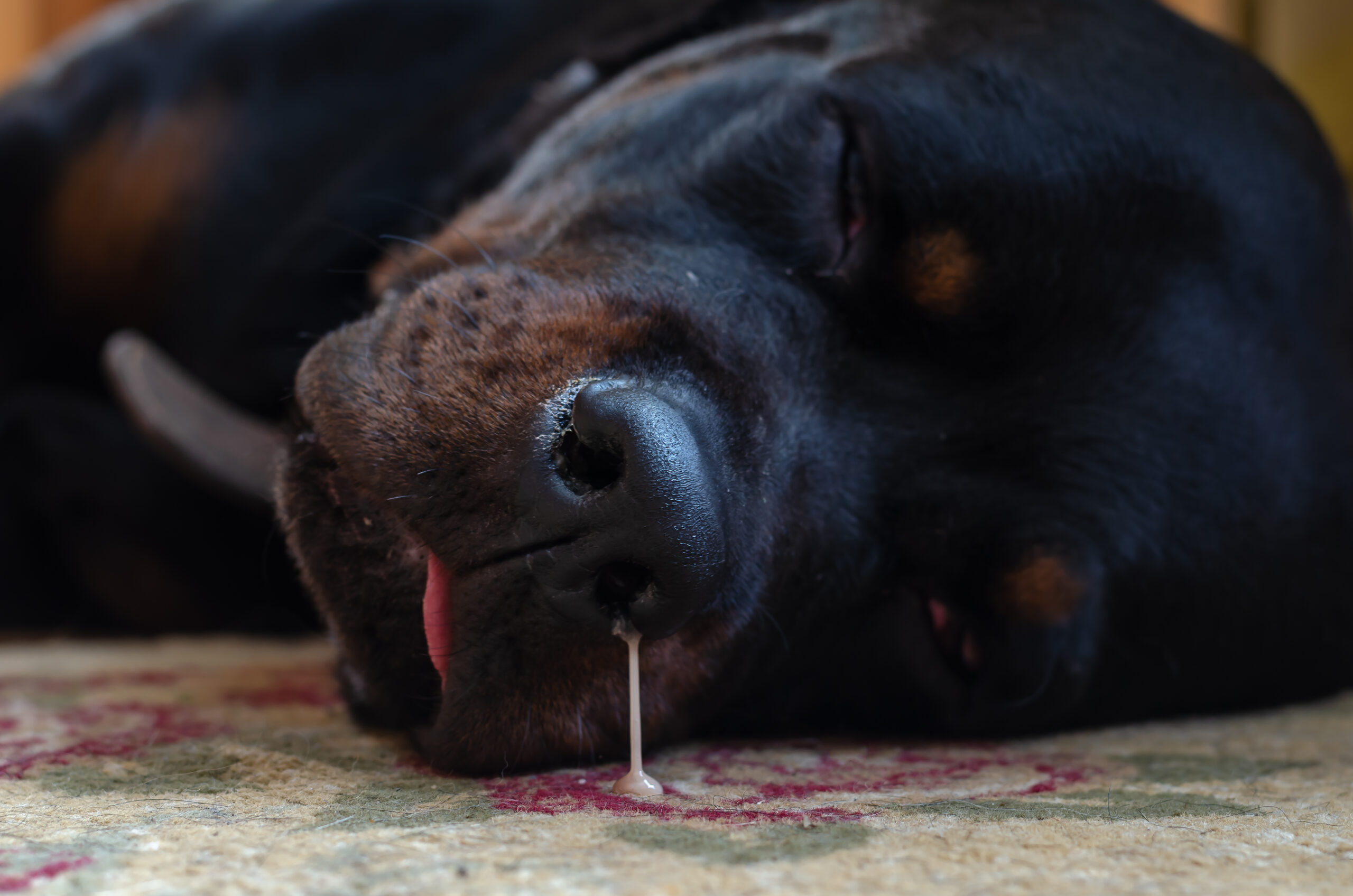
1. Clear Nasal Discharge (Serous): Usually Mild, Not Always Harmless
Clear, watery nasal discharge is the most common—and often the least alarming.
Typical causes include:
Seasonal or environmental allergies
Mild viral infections
Irritation from dust, smoke, or strong odors
In most cases, the dog remains active, afebrile, and comfortable.
Monitor closely if:
The discharge persists longer than 5–7 days
Sneezing becomes frequent or violent
Appetite or energy levels drop
A clear discharge that lingers can still signal an underlying issue.
2. Yellow or Green Mucus (Purulent): Infection or Dental Disease
Thick yellow or green nasal discharge indicates inflammation with infection.
Common underlying causes:
Bacterial upper respiratory infections
Fungal infections (especially in certain regions)
Dental root abscesses creating a nasal fistula
Red flag pattern
Discharge from only one nostril
Foul odor
Facial swelling or pain when chewing
These cases rarely resolve on their own and require veterinary evaluation and imaging.
Color change means the immune system is actively fighting something.
3. Bloody Nasal Discharge (Epistaxis): The Pattern Matters More Than the Blood
Blood from the nose is never “normal,” but distribution tells the story.
Unilateral epistaxis (one nostril)
Foreign body (grass awns, seeds)
Nasal tumors
Severe dental disease
Bilateral epistaxis (both nostrils)
Blood clotting disorders
Systemic infections
Immune-mediated disease
Toxin exposure
Any bleeding that is recurrent, heavy, or accompanied by lethargy requires immediate attention.
Where the blood appears is as important as the blood itself.
4. Foreign Bodies: The Hidden Post-Walk Emergency
After outdoor walks, especially in grassy or rural areas, dogs can inhale plant awns or seeds.
Typical signs:
Sudden violent sneezing
Pawing at the nose
One-sided discharge, often bloody
Foreign bodies can migrate deeper into the nasal cavity and sinuses, causing infection or tissue damage.
Delaying removal increases the risk of complications.
5. Urgency Criteria: When to Seek Veterinary Care
Immediate evaluation is recommended if:
Nasal discharge is bloody
Discharge is thick, foul-smelling, or unilateral
Breathing becomes labored
Fever, lethargy, or appetite loss develops
Monitoring at home may be reasonable if:
Discharge is clear and mild
No systemic signs are present
Symptoms improve within a few days
When in doubt, early assessment prevents escalation.
A quick clinical review can determine whether this is irritation—or something far more serious.
Key Takeaway
Nasal discharge is a diagnostic signal, not just a nuisance. Color, consistency, duration, and symmetry provide critical clues about severity and urgency.
Understanding these patterns helps owners act early, avoid unnecessary treatments, and escalate care when needed.
If the discharge raises concern, a veterinary evaluation can clarify the cause before complications develop.
How do I know if my dog’s runny nose is just allergies or an infection? ▾
Why is discharge coming from only one nostril a "red flag"? ▾
What should I do if my dog sneezes blood? ▾
[Click here to Book an Urgent Diagnostic Exam] if your dog has bloody or thick nasal discharge.
Medically Reviewed
Reviewed by Dr. Tiffany Delacruz, DVM — licensed veterinarian and CEO of RexVet. Last reviewed January 8, 2026.
Content is for informational purposes and does not replace professional veterinary advice.
Chief Executive Officer · Licensed Veterinarian
Dr. Delacruz is a licensed Doctor of Veterinary Medicine specializing in preventive care and veterinary telehealth. She reviews all health content on RexVet to ensure accuracy and clinical relevance.
Sources & References
- · American Veterinary Medical Association — Telehealth Guidelines
- · AVMA — Pet Care Resources
- · U.S. FDA — Animal & Veterinary
Need an Expert Opinion on This Topic?
Connect with a certified vet via video call in minutes
Talk to Vet Now