
Cat Bad Breath, Drooling or Trouble Chewing: Dental Warning Signs Owners Should Know
By RexVet Team | Reviewed by Dr. Tiffany Delacruz, DVM
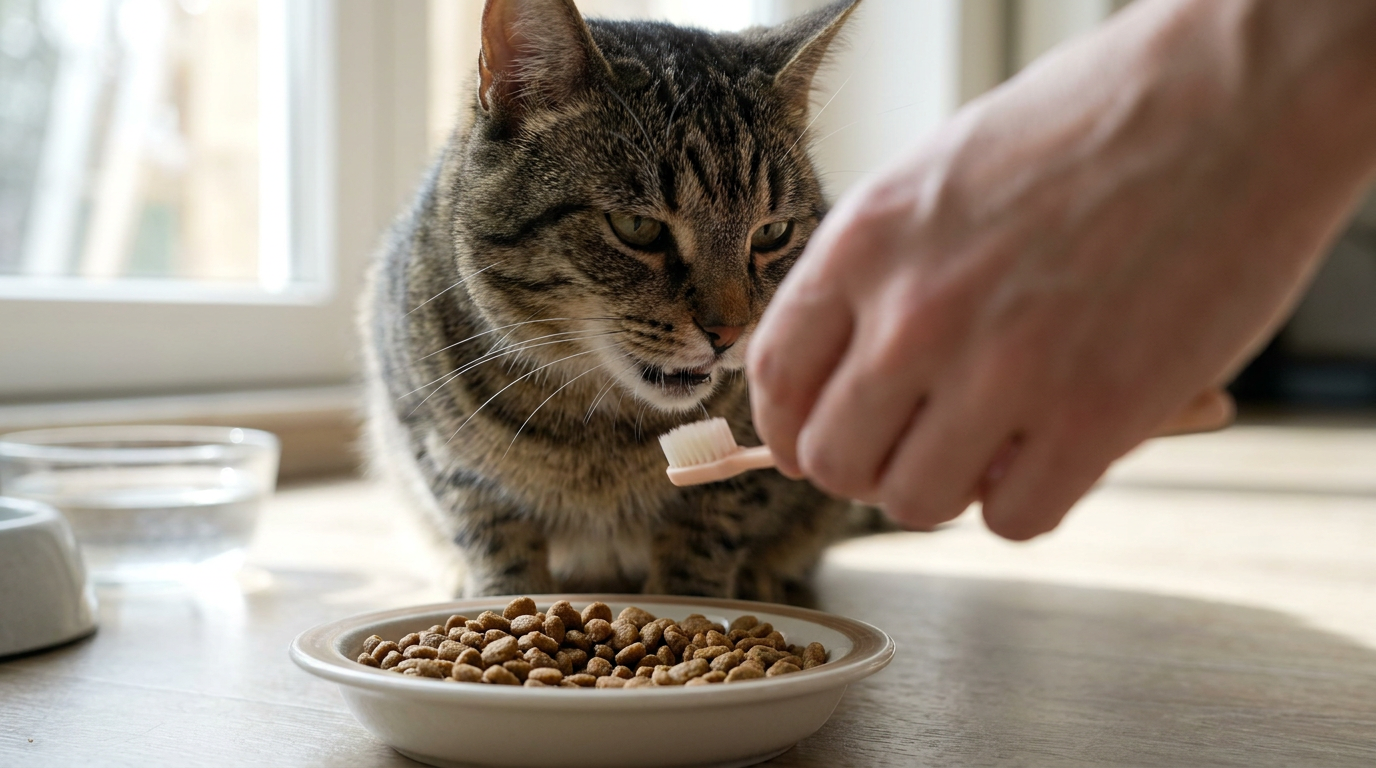
Recognizing the early indicators of feline oral health issues is vital for every pet parent. Cat Bad Breath, Drooling are often the first clues that your cat is suffering from painful conditions like gingivitis or periodontal disease. Because cats are experts at hiding discomfort, these subtle changes in behavior often go unnoticed until the pain becomes severe. By paying close attention to your cat's eating habits and mouth hygiene, you can catch these problems early.
If you notice persistent bad breath, visible tartar, or a sudden refusal to eat dry kibble, it is time to take action. Cat Bad Breath, Drooling serve as a critical alert that your pet needs professional attention. At RexVet, we help you navigate these concerns through our 24/7 virtual triage service. You can book a live video visit with a licensed veterinarian to assess how urgent your cat's symptoms are. Our mission is to provide accessible, affordable care to ensure your cat stays happy, healthy, and pain-free.
Why Your Cat’s Bad Breath Is a Red Flag
When your cat develops foul breath, it is often a sign that oral bacteria are thriving in the mouth. These microscopic organisms feed on food particles, forming a sticky film called plaque that hardens into tartar. Over time, this buildup irritates the gums, leading to inflammation and infection. Recognizing Cat Bad Breath, Drooling or Trouble Chewing: Dental Warning Signs Owners Should Know is essential because these symptoms indicate that bacteria have progressed beyond simple plaque to potential periodontal disease.
As the infection spreads, it can cause significant pain, making it difficult for your cat to eat or groom. While you might be tempted to wait, early intervention is key to preventing tooth loss and systemic health issues. By monitoring for Cat Bad Breath, Drooling or Trouble Chewing: Dental Warning Signs Owners Should Know, you can take a proactive approach to your pet's wellness. If you are unsure about the severity of the situation, our team at RexVet offers virtual triage to help you decide if an immediate in-person visit is necessary. You can easily book an appointment to discuss your concerns with a licensed veterinarian from the comfort of your home.
Drooling and Pawing: When Mouth Pain Strikes
Beyond the common indicators, feline oral health requires a keen eye for behavioral shifts. Understanding Cat Bad Breath, Drooling or Trouble Chewing: Dental Warning Signs Owners Should Know is vital because cats often mask chronic pain to survive. You might notice your cat tilting their head while eating, which suggests they are favoring a less painful side of the mouth. Other subtle cues include frequent pawing at the face, a sudden loss of interest in favorite toys, or even uncharacteristic irritability when their chin is touched.
Statistically, over 50 percent of cats over the age of three show some form of periodontal disease. When you observe Cat Bad Breath, Drooling or Trouble Chewing: Dental Warning Signs Owners Should Know, early triage can prevent the infection from reaching the jawbone. At RexVet, we provide a non-profit virtual platform to help you assess if your cat needs an immediate emergency visit or a standard checkup. By using our live video visit , you can get professional guidance from home. If symptoms persist, the vet can help you decide whether your cat needs an in-person dental exam to keep them comfortable and healthy.
Changes in Eating Habits and Chewing Patterns
When your cat begins to struggle with their meals, it is often a sign that their oral health is in decline. Many owners notice their pets dropping food from their mouths or showing a sudden, picky attitude toward their favorite kibble. These behaviors are common indicators of discomfort caused by inflammation or loose teeth. Recognizing Cat Bad Breath, Drooling or Trouble Chewing: Dental Warning Signs Owners Should Know can help you identify these issues before they lead to severe weight loss or malnutrition.
Cats are masters at hiding pain, but their eating habits often give them away. If you see your cat approaching the food bowl with interest only to pull away suddenly or chew awkwardly, they may be suffering from painful lesions or gingivitis. Because dental disease in cats is so common, keeping a close watch on these specific habits is essential. When you notice Cat Bad Breath, Drooling or Trouble Chewing: Dental Warning Signs Owners Should Know, it is time to seek professional guidance. You can start with a virtual triage session at RexVet to assess your pet's condition from home. Our licensed veterinarians will help you determine if your cat needs an urgent in-person procedure or if the issue can wait for a routine checkup, which you can easily book online today.
The Hidden Dangers of Untreated Dental Disease
Beyond local discomfort, oral infections can trigger systemic health crises. When bacteria from periodontal disease enter the bloodstream, they can travel to vital organs like the heart, kidneys, and liver, potentially causing long-term damage. Recognizing Cat Bad Breath, Drooling or Trouble Chewing: Dental Warning Signs Owners Should Know is a critical step in protecting your cat's entire body, not just their teeth.
Research shows that chronic inflammation from untreated gum disease can weaken a cat's immune system, making them more susceptible to secondary infections. If you notice these symptoms, you must act quickly. Cat Bad Breath, Drooling or Trouble Chewing: Dental Warning Signs Owners Should Know are often the only clues that your cat is fighting an internal battle. Our team at RexVet provides virtual triage to help you determine if your cat requires an urgent in-person procedure or if the condition can be managed through a scheduled visit. You can book an appointment today to get professional guidance, ensuring your cat receives the care they need to stay healthy and avoid serious systemic complications.
Visual Inspection: What to Look for at Home
Performing a gentle home exam is a powerful way to stay ahead of oral health issues. When checking your cat, start by lifting their lips to inspect the gums and teeth. You are looking for bright red or swollen gum lines, which are classic signs of gingivitis. Additionally, look for a yellowish or brownish film on the tooth surface near the gum line; this is tartar, a hardened form of plaque that harbors bacteria. Keeping these observations in mind, remember that Cat Bad Breath, Drooling or Trouble Chewing: Dental Warning Signs Owners Should Know are vital indicators that your pet needs professional help.
If you spot these issues, do not panic. You can book a live video visit to describe what you see, helping our team determine if your cat needs an urgent visit. Understanding Cat Bad Breath, Drooling or Trouble Chewing: Dental Warning Signs Owners Should Know allows you to act before pain escalates. During the visit, the vet can talk through next steps and whether your cat needs an in-person dental exam.
Behavioral Clues That Your Cat Is Hurting
Beyond physical symptoms, behavioral shifts are often the most telling indicators of feline distress. When a cat begins to hide in dark, quiet corners or stops grooming their coat, they may be masking chronic pain. These subtle changes are frequently linked to oral discomfort, making it essential for owners to recognize that Cat Bad Breath, Drooling or Trouble Chewing: Dental Warning Signs Owners Should Know can manifest as social withdrawal. A cat that stops cleaning itself may be struggling with painful mouth movements, leading to a matted or unkempt appearance.
If your cat has suddenly become reclusive or seems to neglect their hygiene, do not wait for the situation to worsen. These behaviors often signal that the pain is significant enough to interfere with their daily routine. Understanding Cat Bad Breath, Drooling or Trouble Chewing: Dental Warning Signs Owners Should Know helps you act before your pet suffers further. You can book a live video visit with a licensed veterinarian to get a professional perspective on these behavioral changes. If symptoms persist, the vet can help you decide whether your cat needs an in-person dental exam so they get the compassionate care they need to return to their normal, happy self.
How Telehealth Helps You Triage Dental Concerns
When you notice Cat Bad Breath, Drooling or Trouble Chewing: Dental Warning Signs Owners Should Know, it is natural to feel overwhelmed. However, virtual triage serves as a powerful first step in your pet's care journey. By connecting with a licensed veterinarian through a RexVet video call, you can share clear video angles of your cat's mouth, allowing our team to assess the severity of inflammation or tartar buildup in real-time. This remote evaluation helps you distinguish between minor irritation and urgent dental emergencies that require immediate in-person intervention.
Using Cat Bad Breath, Drooling or Trouble Chewing: Dental Warning Signs Owners Should Know as a guide, our experts provide personalized recommendations tailored to your cat's specific behavior. Whether your cat needs a routine dental cleaning or an urgent trip to a local clinic, our 24/7 service ensures you never have to guess. You can easily book a live video visit with a licensed veterinarian for professional advice. Proactive digital assessment saves you time, reduces your pet's stress, and helps you prioritize the right care at the right cost.
When to Seek Urgent Care vs. Routine Appointments
Knowing when to seek urgent care versus a routine appointment is essential for your pet's long-term health. When you notice Cat Bad Breath, Drooling or Trouble Chewing: Dental Warning Signs Owners Should Know, it is helpful to categorize the severity of the symptoms. For instance, minor tartar buildup might wait for a scheduled checkup, but facial swelling or an inability to eat requires immediate attention. These are clear indicators that your cat is in significant distress.
By utilizing RexVet's live video visits , you can get professional guidance from a licensed veterinarian without the stress of an emergency clinic visit. Our experts help you assess whether your pet's condition needs immediate intervention or if it can be managed through a standard appointment. Recognizing Cat Bad Breath, Drooling or Trouble Chewing: Dental Warning Signs Owners Should Know early allows you to act proactively, potentially saving your cat from painful, advanced dental disease. If you are unsure about your cat's symptoms, you can easily book an appointment today to ensure your feline companion receives the timely care they deserve.
Proactive Steps for Your Cat’s Oral Wellness
Maintaining your cat's oral hygiene requires a proactive, daily approach to catch issues before they escalate. While many owners wait for obvious symptoms, consistent monitoring is the best way to prevent periodontal disease. By checking your cat's mouth weekly, you can spot early plaque and tartar buildup that often leads to gingivitis. Recognizing Cat Bad Breath, Drooling or Trouble Chewing: Dental Warning Signs Owners Should Know is a vital skill for every pet parent, especially since over 70% of cats show signs of dental issues by age three.
You can easily track these changes by observing your cat during mealtime. If you notice a sudden shift in behavior, our tele-triage service at RexVet provides a low-stress way to assess your cat's health from home. Understanding Cat Bad Breath, Drooling or Trouble Chewing: Dental Warning Signs Owners Should Know allows you to decide if you need an immediate in-person exam or if you can schedule a routine cleaning. If you are concerned about feline oral health, you can book an appointment with a licensed veterinarian to get expert guidance on managing cat dental pain effectively.
Expert Veterinary Guidance for Your Feline Friend
When your feline companion shows signs of discomfort, acting quickly is vital for their long-term health. Cat Bad Breath, Drooling or Trouble Chewing: Dental Warning Signs Owners Should Know are more than just minor inconveniences; they are often indicators of underlying pain that requires professional evaluation. Because nearly 80% of cats develop some form of dental disease by age three, consistent monitoring is essential for your pet's comfort.
At RexVet, we specialize in helping pet parents navigate these concerns through convenient, virtual consultations. If you observe Cat Bad Breath, Drooling or Trouble Chewing: Dental Warning Signs Owners Should Know, our licensed veterinarians can help you triage the situation from home. This remote assessment allows you to determine if your cat needs an urgent trip to a local clinic or if you can safely monitor the condition until a standard appointment. By choosing our non-profit platform, you receive expert guidance that saves you time and reduces unnecessary stress for your cat. Start your journey toward better oral health today by booking a live video visit to speak with a licensed veterinarian directly.
Frequently Asked Questions
What are the primary signs of dental disease in cats that I should watch for?
Recognizing Cat Bad Breath, Drooling or Trouble Chewing: Dental Warning Signs Owners Should Know is essential for your pet's health. Common indicators include persistent foul breath, excessive drooling, pawing at the mouth, dropping food while eating, or a sudden refusal to eat dry kibble. You might also notice swollen or bleeding gums and visible tartar buildup. If your cat is hiding more than usual, they may be masking pain. If you spot these signs, consider a virtual consultation at RexVet to assess the situation.
Can I use a virtual vet visit to address my cat's dental issues?
Yes, a virtual consultation is a perfect first step. While an in-person exam is eventually necessary for a deep cleaning or procedure, a RexVet professional can help you understand if your cat's symptoms are urgent. We can help you evaluate Cat Bad Breath, Drooling or Trouble Chewing: Dental Warning Signs Owners Should Know and determine if you need an immediate emergency visit or if you can safely schedule an appointment with your local vet. Start your tele-triage process today at our booking page .
Why is my cat suddenly dropping food or refusing to eat?
Difficulty chewing is a classic symptom of feline oral health issues, such as periodontal disease or tooth resorption. When a cat experiences cat dental pain, the act of biting down on hard kibble can be agonizing. They may drop food because it hurts to chew or because their gums are inflamed. If you notice these changes, do not wait for the condition to worsen. Our non-profit telehealth platform can help you decide the best path forward for your cat's comfort.
How can I tell if my cat's bad breath is a serious dental problem?
While some cat breath is not perfectly fresh, a sudden, strong, or foul odor is a major red flag. It is often caused by bacteria buildup, gingivitis, or rotting teeth. When you notice Cat Bad Breath, Drooling or Trouble Chewing: Dental Warning Signs Owners Should Know, it is time to act. Early detection is key to preventing more invasive and costly procedures later. A quick video call with our team can help you identify if the odor requires immediate professional intervention.
What should I do if I see facial swelling or bleeding in my cat's mouth?
Facial swelling and bleeding are severe warning signs that indicate an advanced dental infection or abscess. These conditions are painful and require prompt veterinary attention. If you are unsure whether this constitutes an emergency, use our virtual triage service to speak with a licensed veterinarian immediately. We will help you navigate the next steps, ensuring your cat receives the care they need while keeping your costs manageable through our accessible care model.
How does the RexVet non-profit model help with dental care costs?
RexVet is designed to make veterinary guidance affordable for everyone. By offering 24/7 virtual consultations, we help you avoid unnecessary emergency clinic visits for non-emergency dental concerns. We provide clear, professional advice on Cat Bad Breath, Drooling or Trouble Chewing: Dental Warning Signs Owners Should Know so you can make informed decisions. This proactive approach saves you money by catching issues early, preventing the need for complex, high-cost dental surgeries down the road.
Related reading: Wondering about cleaning prices? what a dental cleaning costs in 2026.
FAQs
What are the primary signs of dental disease in cats that I should watch for?
Recognizing Cat Bad Breath, Drooling or Trouble Chewing: Dental Warning Signs Owners Should Know is essential for your pet's health. Common indicators include persistent foul breath, excessive drooling, pawing at the mouth, dropping food while eating, or a sudden refusal to eat dry kibble. You might also notice swollen or bleeding gums and visible tartar buildup. If your cat is hiding more than usual, they may be masking pain. If you spot these signs, consider a virtual consultation at RexVet to assess the situation.
Can I use a virtual vet visit to address my cat's dental issues?
Yes, a virtual consultation is a perfect first step. While an in-person exam is eventually necessary for a deep cleaning or procedure, a RexVet professional can help you understand if your cat's symptoms are urgent. We can help you evaluate Cat Bad Breath, Drooling or Trouble Chewing: Dental Warning Signs Owners Should Know and determine if you need an immediate emergency visit or if you can safely schedule an appointment with your local vet. Start your tele-triage process today at our booking page .
Why is my cat suddenly dropping food or refusing to eat?
Difficulty chewing is a classic symptom of feline oral health issues, such as periodontal disease or tooth resorption. When a cat experiences cat dental pain, the act of biting down on hard kibble can be agonizing. They may drop food because it hurts to chew or because their gums are inflamed. If you notice these changes, do not wait for the condition to worsen. Our non-profit telehealth platform can help you decide the best path forward for your cat's comfort.
How can I tell if my cat's bad breath is a serious dental problem?
While some cat breath is not perfectly fresh, a sudden, strong, or foul odor is a major red flag. It is often caused by bacteria buildup, gingivitis, or rotting teeth. When you notice Cat Bad Breath, Drooling or Trouble Chewing: Dental Warning Signs Owners Should Know, it is time to act. Early detection is key to preventing more invasive and costly procedures later. A quick video call with our team can help you identify if the odor requires immediate professional intervention.
What should I do if I see facial swelling or bleeding in my cat's mouth?
Facial swelling and bleeding are severe warning signs that indicate an advanced dental infection or abscess. These conditions are painful and require prompt veterinary attention. If you are unsure whether this constitutes an emergency, use our virtual triage service to speak with a licensed veterinarian immediately. We will help you navigate the next steps, ensuring your cat receives the care they need while keeping your costs manageable through our accessible care model.
How does the RexVet non-profit model help with dental care costs?
RexVet is designed to make veterinary guidance affordable for everyone. By offering 24/7 virtual consultations, we help you avoid unnecessary emergency clinic visits for non-emergency dental concerns. We provide clear, professional advice on Cat Bad Breath, Drooling or Trouble Chewing: Dental Warning Signs Owners Should Know so you can make informed decisions. This proactive approach saves you money by catching issues early, preventing the need for complex, high-cost dental surgeries down the road.
Medically Reviewed
Reviewed by Dr. Tiffany Delacruz, DVM — licensed veterinarian and CEO of RexVet. Last reviewed May 22, 2026.
Content is for informational purposes and does not replace professional veterinary advice.
Chief Executive Officer · Licensed Veterinarian
Dr. Delacruz is a licensed Doctor of Veterinary Medicine specializing in preventive care and veterinary telehealth. She reviews all health content on RexVet to ensure accuracy and clinical relevance.
Sources & References
- · American Veterinary Medical Association — Telehealth Guidelines
- · AVMA — Pet Care Resources
- · U.S. FDA — Animal & Veterinary
Need an Expert Opinion on This Topic?
Connect with a certified vet via video call in minutes
Talk to Vet Now