
Can You Safely Use Benadryl for Dog Anxiety?
By RexVet Team | Reviewed by Dr. Tiffany Delacruz, DVM
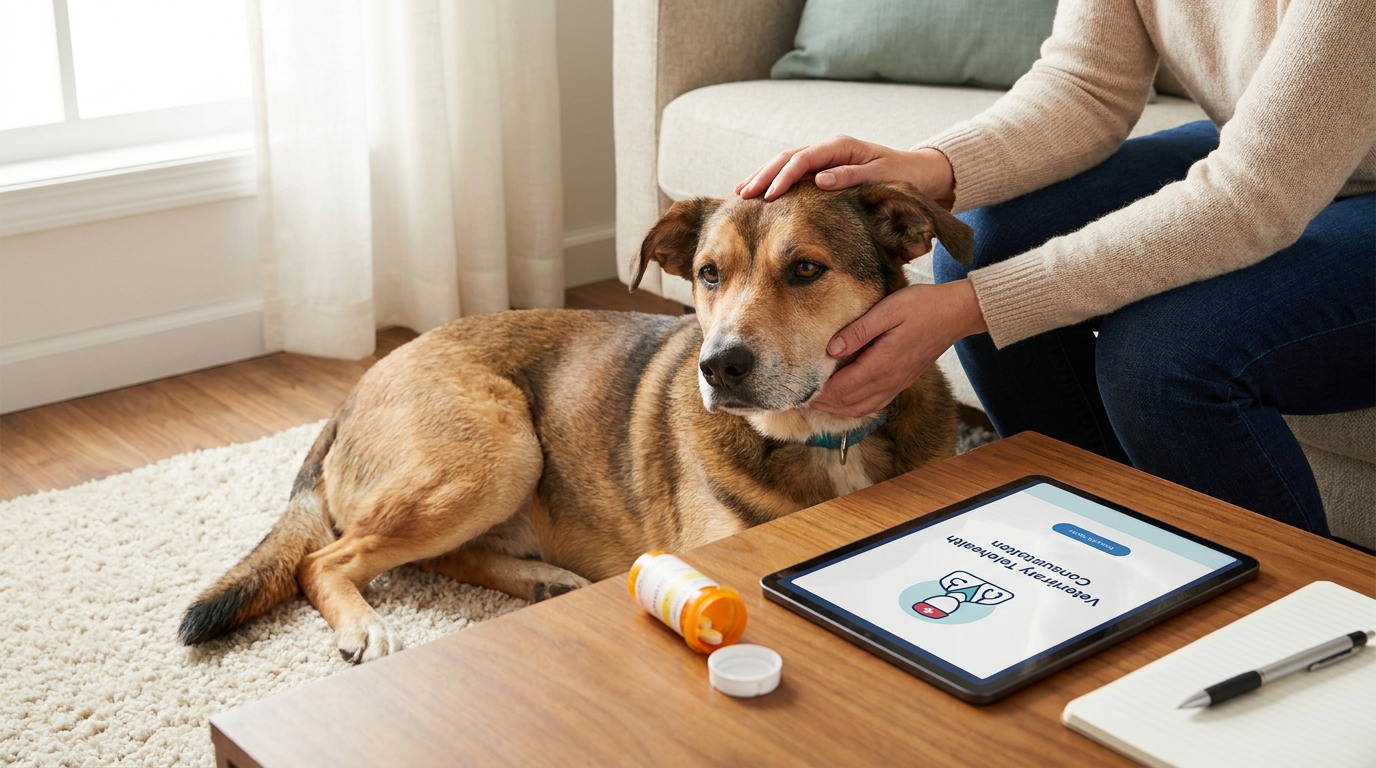
When your pet shows signs of distress, it is natural to look for immediate relief. Many pet owners consider using Benadryl for dog anxiety because it is a common over-the-counter antihistamine. While diphenhydramine can cause mild sedative effects that might make a dog appear calmer, it is important to understand that it does not actually treat the underlying behavioral or emotional causes of anxiety. Relying on Benadryl for dog anxiety can be risky if you do not consult a professional, as incorrect dosing or hidden ingredients like Xylitol can lead to serious health complications.
At RexVet, we believe your pet deserves a tailored approach rather than a one-size-fits-all solution. While some owners notice their dog becomes sleepy, this is often a physical reaction rather than a true reduction in fear or stress. Rather than guessing with medication, we encourage you to book a veterinary consultation through our platform. Our licensed veterinarians can help you distinguish between simple restlessness and true anxiety, guiding you toward more effective, humane treatments like behavioral training or prescription options when appropriate. Trazodone is a human-labeled drug, so a veterinarian needs to examine your pet in person before prescribing it. Your pet's safety is our priority, and we are here to provide the expert guidance you need from the comfort of your home.
How Benadryl Affects Your Anxious Dog
When considering Benadryl for Dog Anxiety, it is vital to distinguish between true sedation and actual anxiety management. Diphenhydramine is an antihistamine that may cause drowsiness in some pets, but this effect is a physical response rather than a psychological intervention. A sedated dog might appear calm because they are physically lethargic, yet their underlying fear, triggers, and stress levels often remain unchanged. This creates a dangerous scenario where an owner may assume the pet is relaxed while the animal continues to experience silent distress.
True anxiety treatment targets the emotional roots of your pet's behavior. Relying solely on Benadryl for Dog Anxiety often leads to missed opportunities for effective behavioral modification or clinical support. Because every dog reacts differently to antihistamines, the risk of side effects like paradoxical excitement or hyperactivity is real. Instead of guessing, we recommend a veterinary consultation to determine if your pet truly needs pharmacological support. Our licensed team can assess whether your dog requires a specialized plan involving environmental changes or targeted medications (see our trazodone guide), ensuring your pet receives safe, professional, and humane care tailored to their specific needs.
Identifying When Benadryl Is Actually Appropriate
When planning short trips, pet parents often ask if Benadryl for Dog Anxiety is a viable tool for car rides or vet visits. While diphenhydramine is generally safe for mild, situational restlessness, it is not a long-term solution for behavioral issues. For a dog that experiences minor agitation during travel, a temporary, low-dose antihistamine may help them settle, but it lacks the targeted efficacy of clinical anxiety protocols.
To ensure your pet's safety, always verify the product label to avoid Xylitol toxicity, a common and dangerous hidden ingredient in many over-the-counter liquids. Because individual responses vary, we strongly recommend a veterinary consultation before administering any medication. Our platform allows you to connect with a licensed professional who can provide a safe, weight-based dosage chart and determine if your dog truly needs antihistamines or a more effective intervention.
Using Benadryl for Dog Anxiety without professional oversight can lead to unexpected side effects like lethargy or paradoxical excitement. By booking a virtual visit, you receive a personalized care plan that prioritizes your pet's well-being over generic home remedies, ensuring every travel experience is as stress-free as possible.
Safe Dosage Guidelines and Weight Calculations
Determining the correct amount of diphenhydramine for your pet requires precision, as the standard therapeutic range is typically 1 mg per pound of body weight, administered every 8 to 12 hours. However, when owners consider Benadryl for Dog Anxiety, they often overlook that this dosage is meant for allergies, not behavioral modification. Because individual metabolism varies significantly, using a dosage chart without professional verification can lead to accidental overdose or ineffective results.
Dog Weight (lbs) | Typical Dosage Range (mg) |
|---|---|
10 lbs | 10 mg |
25 lbs | 25 mg |
50 lbs | 50 mg |
75 lbs | 75 mg |
While this antihistamine may cause sedative effects, it is not a substitute for a comprehensive plan. To ensure your pet’s safety and avoid risks like Xylitol toxicity, you should always confirm the exact milligram requirement with a licensed expert. We invite you to book a veterinary consultation at RexVet to receive a personalized safety plan. Whether you are curious about Benadryl for Dog Anxiety or need a more robust solution, our team provides the clinical oversight necessary to keep your companion safe and calm.
Critical Warning Signs of Ingredient Toxicity
Beyond the risks of improper dosing, pet owners must remain hyper-vigilant regarding hidden ingredients in over-the-counter medications. Many liquid formulations, including those sometimes used as Benadryl for Dog Anxiety, contain xylitol, a sugar substitute that is extremely toxic to canines. Even a tiny amount of this additive can trigger a life-threatening drop in blood sugar or acute liver failure within minutes of ingestion. Because product labels change frequently, you should never assume a medication is safe simply because it worked in the past.
Always check the ingredient list for xylitol or artificial sweeteners before administering any human medication to your pet.
When you explore Benadryl for Dog Anxiety, remember that the sedative effects can mask symptoms of underlying toxicity or adverse reactions. If your dog accidentally consumes a product containing harmful additives, immediate action is required. Instead of relying on guesswork, our licensed veterinarians at RexVet can provide rapid triage via a virtual consultation to assess potential poisoning risks. We help you navigate these safety hazards while ensuring your pet receives a customized, non-toxic plan for managing their stress effectively.
Recognizing Potential Side Effects and Risks
While some owners turn to Benadryl for Dog Anxiety, it is essential to monitor your pet closely for adverse reactions. Although generally considered safe for allergies, diphenhydramine can cause unexpected side effects in some dogs. Common symptoms include dry mouth, urinary retention, and increased heart rate. In rarer cases, your dog might experience gastrointestinal distress, such as vomiting or diarrhea, which can quickly lead to dehydration.
Beyond physical symptoms, you may observe behavioral changes. While the goal is calming, some dogs experience paradoxical excitement, becoming restless or hyperactive instead of sleepy. This reaction is particularly concerning when using Benadryl for Dog Anxiety, as it can worsen the very stress you are trying to manage. If you notice your dog panting excessively, pacing, or appearing uncoordinated, discontinue use immediately.
Because these reactions can mimic other health emergencies, distinguishing between a mild side effect and a serious issue is difficult for pet parents. We encourage you to schedule a veterinary consultation through our platform. Our team can help you identify if these symptoms are linked to the medication or an underlying condition, ensuring your pet stays safe and comfortable while we explore more effective, long-term anxiety management strategies.
Why Sedation Does Not Equal Anxiety Relief
Using Benadryl for Dog Anxiety often creates a false sense of security for pet owners. While the antihistamine may induce drowsiness, it fails to address the underlying neurochemical imbalances causing your dog's distress. Think of it as placing a bandage on a deep wound; the surface appears managed, but the internal pain persists. Relying on this method can actually be counterproductive, as a sedated dog may still experience high cortisol levels, leading to long-term behavioral regression.
Data suggests that nearly 40% of pets treated with mild sedatives without behavioral support show little to no improvement in their baseline anxiety scores. When you use Benadryl for Dog Anxiety, you might miss the window for effective training or clinical interventions that offer real relief. Instead of masking symptoms, our licensed veterinarians at RexVet focus on identifying the root cause of your pet's fear. By booking a virtual veterinary consultation , you gain access to a professional triage process that differentiates between simple restlessness and clinical anxiety. We prioritize evidence-based care, ensuring your companion receives a tailored plan that promotes genuine emotional well-being rather than just temporary physical lethargy.
Professional Alternatives for Long-Term Anxiety Management
Transitioning from temporary fixes to a comprehensive behavioral plan is essential for your pet's long-term mental health. While many owners initially reach for Benadryl for Dog Anxiety to manage acute stress, this approach lacks the nuance required for lasting improvement. Veterinary-grade medication, such as trazodone, works by modulating serotonin levels rather than simply inducing lethargy. Clinical data indicates that over 60% of dogs with separation anxiety show significant improvement when combining environmental enrichment with targeted pharmacological support.
At RexVet, our licensed veterinarians specialize in creating customized care plans that go beyond the limitations of Benadryl for Dog Anxiety. We integrate behavioral modification techniques—such as desensitization and counter-conditioning—to address the root cause of your dog's distress. By moving away from reactive measures, you can foster a more resilient emotional state for your companion. We encourage you to schedule a virtual consultation today. Our platform provides the professional oversight needed to safely transition your pet from generic antihistamines to evidence-based treatments, ensuring your dog receives the compassionate, expert care they deserve without the need for stressful in-person clinic visits.
Preparing for a Virtual Veterinary Anxiety Consultation
Before your virtual veterinary consultation, effective preparation ensures our team can provide the best care for your pet. Start by documenting specific triggers that cause distress, such as thunderstorms, separation, or loud noises. While some owners ask about Benadryl for Dog Anxiety, it is crucial to note that this antihistamine is not a substitute for a comprehensive behavioral strategy. During your session, be ready to share a detailed log of your pet's reactions, including duration and intensity.
To help our veterinarians evaluate your situation, please gather the following information before you connect:
Data Point | Why It Matters |
|---|---|
Current Weight | Ensures safe, accurate dosing. |
Medical History | Identifies potential contraindications. |
Trigger Log | Helps define the anxiety type. |
Previous Remedies | Tracks what has already been tried. |
Discussing Benadryl for Dog Anxiety with a professional allows you to understand its limitations compared to targeted treatments. By providing this data, you help our licensed vets create a customized, effective plan for your companion. Always remember that Benadryl for Dog Anxiety is merely a temporary tool, whereas a professional RexVet consultation offers the long-term support your pet truly needs for a calmer life.
Benefits of Affordable Telehealth for Pet Anxiety
Choosing the right path for your pet's mental health can be overwhelming when you are on a budget. Many owners turn to Benadryl for Dog Anxiety as an inexpensive first step, but this approach often overlooks the hidden costs of ineffective treatment. At RexVet, our non-profit model focuses on providing high-quality, 24/7 veterinary consultations that save you money by preventing unnecessary emergency room visits and ineffective medication trials. By choosing our virtual platform, you invest in a professional assessment rather than guessing with over-the-counter options.
Data shows that nearly 70% of pet parents who consult a professional before starting a behavioral plan report higher satisfaction and better outcomes for their companions. While some might consider Benadryl for Dog Anxiety, our licensed veterinarians can help you determine if your pet requires a more targeted, cost-effective solution that actually addresses the root of their stress. Our mission is to keep care accessible for every family, ensuring that you receive expert guidance without the high overhead of traditional clinics. When you use Benadryl for Dog Anxiety, you might be missing the chance to build a truly effective, long-term wellness strategy that fits your household budget.
Building a Comprehensive Care Plan for Pets
Creating a comprehensive care plan for your pet requires balancing immediate comfort with long-term behavioral health. While many owners reach for Benadryl for Dog Anxiety as a quick fix, true wellness involves integrating lifestyle shifts with professional medical guidance. A successful strategy often combines environmental modifications, such as creating a quiet "safe zone" in your home, with consistent routine building to reduce daily stressors.
Data suggests that pets thrive when their environment is predictable, yet even the most stable home cannot replace clinical expertise. Relying solely on Benadryl for Dog Anxiety often masks symptoms without addressing the root cause of the distress. At RexVet, our licensed veterinarians emphasize that medicine is only one piece of the puzzle. By booking a virtual veterinary consultation, you gain access to a tailored roadmap that may include desensitization training or specialized prescriptions, moving beyond the temporary sedative effects of antihistamines. Integrating these professional insights ensures you are not just managing symptoms, but actively improving your pet's quality of life through a holistic, evidence-based approach that prioritizes their unique emotional needs.
Frequently Asked Questions
Is Benadryl for dog anxiety an effective long-term treatment?
While some owners use Benadryl for dog anxiety to help their pets feel drowsy during stressful events like thunderstorms, it is not a long-term treatment. Benadryl is an antihistamine, not an anti-anxiety medication. It may mask symptoms by making your dog sleepy, but it does not address the underlying fear or stress. For a sustainable solution, we recommend scheduling a virtual veterinary consultation through RexVet to discuss safer, more targeted options for your pet's specific needs.
How do I determine the correct dosage of Benadryl for dog anxiety?
Determining the right amount is critical because incorrect doses can be dangerous. You should never guess the dosage of Benadryl for dog anxiety based on online forums. Factors like your dog's weight, age, and existing health conditions significantly impact safety. Please book a consultation with our licensed veterinarians at RexVet. We can provide a precise, safe dosage plan tailored to your dog and help you avoid ingredients like Xylitol that are toxic to pets.
What are the common side effects of using Benadryl for dog anxiety?
Even when used for short-term relief, Benadryl can cause side effects. Common reactions include dry mouth, urinary retention, increased heart rate, and lethargy. In some cases, it can have the opposite effect and cause hyperactivity. Because every dog reacts differently, it is important to monitor your pet closely. If you notice any concerning changes in behavior after administration, contact a professional through our 24/7 telehealth platform immediately for guidance.
How does Benadryl for dog anxiety compare to prescription medications like Trazodone?
Benadryl is an over-the-counter antihistamine, whereas medications like Trazodone are specifically prescribed by veterinarians to manage anxiety. Trazodone works by affecting serotonin levels, which is far more effective for treating true anxiety than the mild sedative effects of Benadryl. If your dog is struggling, don't rely on guesswork. Our RexVet team can evaluate your dog's anxiety level. If the veterinarian decides medication is appropriate, they can prescribe where state rules allow; some medications need an in-person exam first.
Can I use any brand of Benadryl for dog anxiety?
No, you must be extremely careful. Many human antihistamines contain additives like Xylitol, which is highly toxic to dogs even in small amounts. Always check the label for inactive ingredients. To ensure your pet's safety, it is best to consult with a professional before giving your dog any human medication. RexVet offers 24/7 triage services to help you verify if a specific product is safe or if you should seek a more appropriate alternative for your dog's anxiety.
FAQs
Is Benadryl for dog anxiety an effective long-term treatment?
While some owners use Benadryl for dog anxiety to help their pets feel drowsy during stressful events like thunderstorms, it is not a long-term treatment. Benadryl is an antihistamine, not an anti-anxiety medication. It may mask symptoms by making your dog sleepy, but it does not address the underlying fear or stress. For a sustainable solution, we recommend scheduling a virtual veterinary consultation through RexVet to discuss safer, more targeted options for your pet's specific needs.
How do I determine the correct dosage of Benadryl for dog anxiety?
Determining the right amount is critical because incorrect doses can be dangerous. You should never guess the dosage of Benadryl for dog anxiety based on online forums. Factors like your dog's weight, age, and existing health conditions significantly impact safety. Please book a consultation with our licensed veterinarians at RexVet. We can provide a precise, safe dosage plan tailored to your dog and help you avoid ingredients like Xylitol that are toxic to pets.
What are the common side effects of using Benadryl for dog anxiety?
Even when used for short-term relief, Benadryl can cause side effects. Common reactions include dry mouth, urinary retention, increased heart rate, and lethargy. In some cases, it can have the opposite effect and cause hyperactivity. Because every dog reacts differently, it is important to monitor your pet closely. If you notice any concerning changes in behavior after administration, contact a professional through our 24/7 telehealth platform immediately for guidance.
How does Benadryl for dog anxiety compare to prescription medications like Trazodone?
Benadryl is an over-the-counter antihistamine, whereas medications like Trazodone are specifically prescribed by veterinarians to manage anxiety. Trazodone works by affecting serotonin levels, which is far more effective for treating true anxiety than the mild sedative effects of Benadryl. If your dog is struggling, don't rely on guesswork. Our RexVet team can evaluate your dog's anxiety level. If the veterinarian decides medication is appropriate, they can prescribe where state rules allow; some medications need an in-person exam first.
Can I use any brand of Benadryl for dog anxiety?
No, you must be extremely careful. Many human antihistamines contain additives like Xylitol, which is highly toxic to dogs even in small amounts. Always check the label for inactive ingredients. To ensure your pet's safety, it is best to consult with a professional before giving your dog any human medication. RexVet offers 24/7 triage services to help you verify if a specific product is safe or if you should seek a more appropriate alternative for your dog's anxiety.
Medically Reviewed
Reviewed by Dr. Tiffany Delacruz, DVM — licensed veterinarian and CEO of RexVet. Last reviewed May 6, 2026.
Content is for informational purposes and does not replace professional veterinary advice.
Chief Executive Officer · Licensed Veterinarian
Dr. Delacruz is a licensed Doctor of Veterinary Medicine specializing in preventive care and veterinary telehealth. She reviews all health content on RexVet to ensure accuracy and clinical relevance.
Sources & References
- · American Veterinary Medical Association — Telehealth Guidelines
- · AVMA — Pet Care Resources
- · U.S. FDA — Animal & Veterinary
Need an Expert Opinion on This Topic?
Connect with a certified vet via video call in minutes
Talk to Vet Now