
Puppy Vomiting More Than Once: When to Monitor and When to Go Now
By RexVet Team | Reviewed by Dr. Tiffany Delacruz, DVM
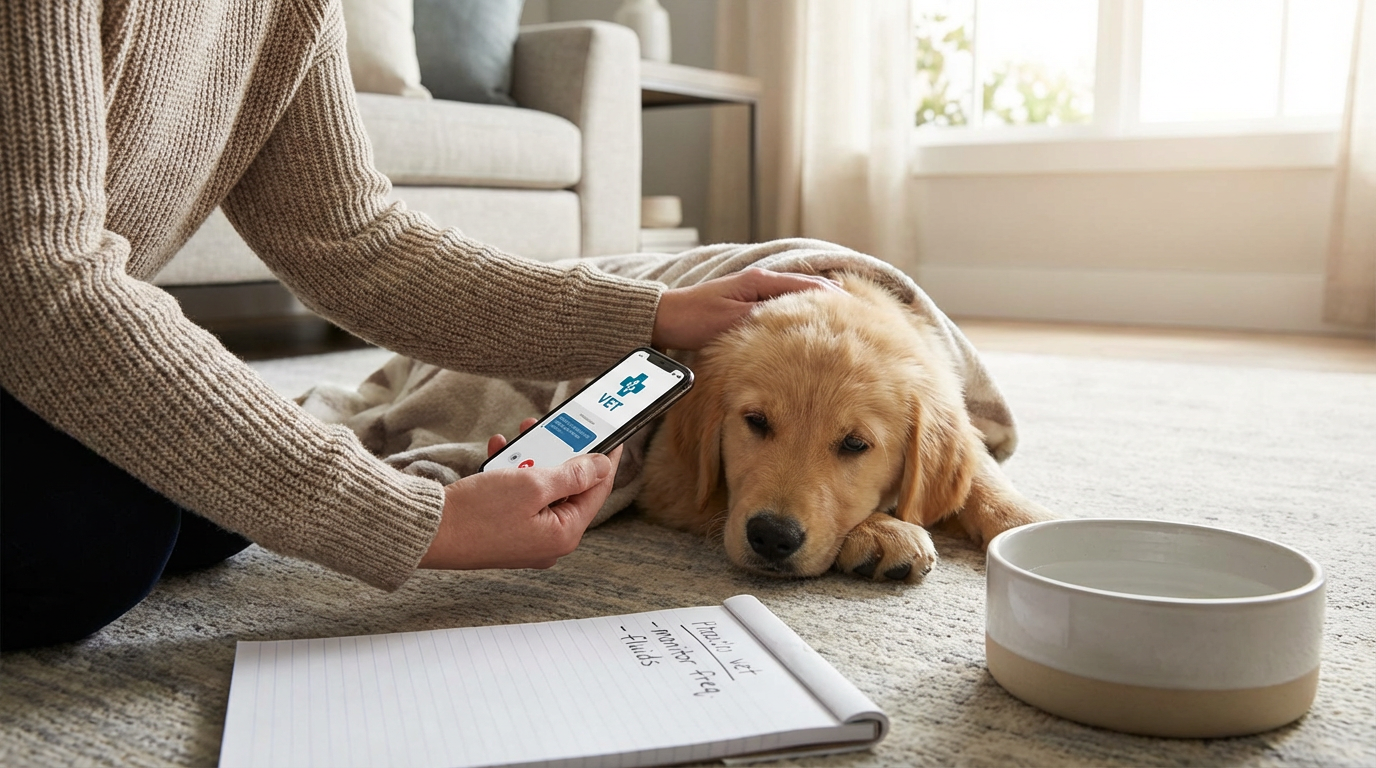
When your young dog begins to feel unwell, it is natural to feel anxious. Understanding Puppy Vomiting More Than Once is a critical skill for every new pet parent. Unlike adult dogs, puppies have immature immune systems and limited energy reserves, making them highly susceptible to rapid dehydration and serious underlying issues like parasites or infectious diseases. Because they can decline in health so quickly, waiting for symptoms to pass on their own is often not the safest approach.
If you find yourself searching for guidance on Puppy Vomiting More Than Once, remember that RexVet is here to help you navigate these stressful moments. Our 24/7 virtual veterinary consultations provide an affordable way to triage your puppy's symptoms from the comfort of your home. By connecting with a licensed professional, you can determine if your puppy needs immediate emergency vet care or if you can safely manage the situation with a bland diet and monitoring. Do not wait for signs of lethargy or blood in vomit to seek expert advice; let our team help you make the right decision for your puppy's health today.
Why Puppy Vomiting Requires Faster Action
Young dogs have a much lower threshold for fluid loss compared to adult canines. Because puppies have a higher percentage of body water and smaller total blood volume, even minor bouts of illness can trigger rapid, dangerous dehydration. When you observe Puppy Vomiting More Than Once, you must recognize that their internal systems lack the robust reserves of a mature dog. A puppy can lose a significant portion of their daily fluid requirements in just a few hours of persistent sickness.
Understanding Puppy Vomiting More Than Once means watching for specific warning signs that indicate a critical need for intervention. Because their immune systems are still developing, they are uniquely vulnerable to parvovirus, intestinal obstructions from foreign objects, and severe parasite loads. These conditions can escalate from mild discomfort to life-threatening emergencies in an incredibly short timeframe.
- Monitor for persistent lethargy or weakness.
- Check for pale or tacky gums which signal dehydration.
- Look for signs of abdominal pain or a hunched posture.
- Track the frequency and color of any expelled material.
If you are unsure about your pet's status, our 24/7 virtual veterinary care platform offers an accessible way to triage these symptoms immediately. By consulting with a professional, you can determine if the situation requires an emergency visit or if you can safely manage the recovery at home.
Common Reasons Your Puppy Keeps Throwing Up
When your young dog begins to show signs of illness, identifying the cause is vital. Regarding Puppy Vomiting More Than Once, common triggers include dietary indiscretion, where a curious pup eats something they shouldn't, such as trash or toxic plants. These items can cause immediate gastric irritation or even dangerous blockages. Parasites like roundworms or giardia are also frequent culprits, often causing persistent digestive upset that requires professional diagnosis and specific deworming protocols.
Furthermore, infectious diseases like parvovirus pose a severe threat to unvaccinated or partially vaccinated puppies. These illnesses can lead to rapid deterioration, making it essential to distinguish between a simple upset stomach and a medical crisis. If you are questioning Puppy Vomiting More Than Once, remember that RexVet offers 24/7 virtual triage to help you assess these risks safely. Our licensed veterinarians provide expert guidance to determine if your puppy needs an urgent in-person visit or if home-based supportive care is appropriate. By catching signs of infectious disease or systemic issues early, you can provide the best possible outcome for your growing companion.
Red Flag Symptoms That Need Immediate Care
When navigating Puppy Vomiting More Than Once, certain physical cues act as immediate sirens for help. While some minor stomach upsets resolve quickly, you must act if you notice lethargy, which often indicates your puppy is too weak to maintain normal activity levels. If your puppy appears listless, refuses to play, or struggles to stand, these are clear indicators that their condition has moved beyond a simple dietary slip-up.
You should also treat any visible blood in vomit or stool as a non-negotiable reason to seek professional guidance immediately. Blood can signify severe gastrointestinal irritation, ulceration, or even a foreign body obstruction. Furthermore, persistent vomiting —defined as multiple episodes within a few hours—drains a puppy's limited hydration reserves rapidly. If you are struggling with Puppy Vomiting More Than Once, our RexVet virtual triage service allows you to document these symptoms via video, helping you decide if an expensive emergency clinic trip is truly required or if you can manage the situation safely with expert oversight.
How to Document Symptoms for Your Vet
When your young dog begins to feel unwell, keeping a detailed log is your best tool for accurate triage. When managing Puppy Vomiting More Than Once, start by noting the exact time, frequency, and appearance of the vomit. Does it contain yellow bile , undigested food, or foreign material? Recording these details helps our RexVet team provide precise guidance during a virtual consultation.
To help us assess your puppy, take a short video of their behavior and the vomit itself. This visual evidence is far more useful than a verbal description alone. If you notice lethargy, dehydration, or blood in vomit, do not wait. These are urgent indicators that require immediate professional assessment rather than home monitoring.
Using the RexVet platform allows you to share these observations instantly with a licensed veterinarian. This saves you the stress and cost of an unnecessary emergency clinic visit while ensuring your puppy receives timely, expert care. By documenting symptoms early, you gain clarity on Puppy Vomiting More Than Once, helping you decide if a bland diet is sufficient or if urgent veterinary care is required to address potential bloat or other serious risks.
Using Virtual Triage for Rapid Assessment
When you are facing Puppy Vomiting More Than Once, technology acts as your first line of defense. RexVet provides a streamlined virtual triage platform that bridges the gap between home observation and the emergency room. By initiating a video consultation, our licensed veterinarians can assess your puppy's physical state in real-time, helping you avoid unnecessary, high-cost clinic visits while ensuring your pet receives professional care.
Using virtual triage is essential because young dogs often mask early signs of illness. When you search for Puppy Vomiting More Than Once, remember that our platform allows you to upload photos or videos of the vomit and your puppy's posture. This visual data helps our experts distinguish between a simple case of dietary indiscretion and more severe concerns like potential bloat or foreign object ingestion. We empower you to make informed decisions quickly. If you are unsure whether your puppy needs immediate veterinary care, our 24/7 service provides the expert guidance necessary to keep your puppy safe and your peace of mind intact.
Managing Mild Stomach Upset at Home
When your young dog has a sensitive stomach, managing mild upset at home requires a cautious, structured approach. If you are researching Puppy Vomiting More Than Once, start by withholding food for a short window—typically two to four hours—to allow their digestive tract to rest. During this time, ensure they have access to small, frequent sips of water to prevent dehydration. If your puppy remains active and alert, you may introduce a bland diet consisting of boiled, lean chicken and plain white rice in very small portions.
However, it is crucial to recognize that home care is only appropriate for minor, isolated incidents. When considering Puppy Vomiting More Than Once, remember that puppies lack the metabolic stability of adult dogs. If your pet shows any signs of lethargy, persistent yellow bile, or if you suspect they consumed a foreign object, do not wait. Our veterinary care team at RexVet is available 24/7 to provide immediate, affordable guidance. A quick virtual consultation can help you determine if your puppy needs an urgent trip to an emergency vet or if you can safely continue home monitoring.
When to Stop Monitoring and Book Now
Deciding between home observation and professional intervention is a common challenge for new owners. When you are evaluating Puppy Vomiting More Than Once, consider that healthy puppies typically have high energy levels. If your puppy remains playful and interested in water, a single isolated incident might be manageable with close observation. However, if the frequency increases or the puppy shows any signs of distress, the situation changes rapidly.
The following table helps clarify when to prioritize a virtual consultation through RexVet versus seeking immediate in-person emergency care:
Symptom Profile | Recommended Action |
|---|---|
Single episode, puppy remains active | Monitor closely for 12 hours |
Multiple episodes or lethargy | Book urgent virtual consultation |
Suspected toxin or foreign object | Go to emergency vet immediately |
Understanding Puppy Vomiting More Than Once requires recognizing that puppies under six months old are at the highest risk for severe dehydration. By utilizing our 24/7 virtual platform, you can receive expert guidance without the stress of an unnecessary emergency room visit. If you feel uncertain, booking a consultation is the safest way to protect your pet.
Preventing Future Episodes of Puppy Vomiting
Creating a safe environment is the most effective way to prevent recurring digestive issues. Many cases of Puppy Vomiting More Than Once stem from environmental hazards, such as curious pups chewing on toxic houseplants or ingesting small household items. You should conduct a thorough puppy-proofing sweep of your home, focusing on removing loose strings, socks, and chemical cleaners that could cause an obstruction or irritation. Preventing access to trash cans is equally vital, as scavenging often leads to sudden bouts of vomiting.
Dietary consistency plays a major role in your puppy's long-term health. Avoid sudden changes in food, which can trigger significant gastric distress in developing systems. If you are navigating Puppy Vomiting More Than Once, remember that RexVet is your partner in preventive care. Our virtual consultations provide an affordable way to discuss safe, age-appropriate feeding schedules and environmental management strategies. By proactively addressing these risks with our licensed veterinary team, you can reduce the likelihood of future episodes and ensure your puppy thrives in a secure, well-monitored home environment.
Can pancreatitis cause dog vomiting?
Pancreatitis is a painful inflammation of the pancreas that often presents as persistent digestive distress. In young dogs, this condition can be triggered by dietary indiscretion, such as consuming high-fat table scraps. When you are evaluating Puppy Vomiting More Than Once, it is important to realize that the pancreas is vital for digestion. Inflammation here can lead to severe abdominal pain and systemic illness.
Because puppies are small, they often struggle to regulate their blood sugar and hydration when the pancreas is inflamed. If your puppy exhibits a hunched back, repeated vomiting, or extreme lethargy, these are red flags that require immediate attention. Puppy Vomiting More Than Once is a decision that should not be taken lightly. By using RexVet for a virtual consultation, you can have a licensed veterinarian assess your puppy's posture and symptoms via video. This helps you avoid the stress of an emergency clinic visit while ensuring your puppy gets the care they need. Early intervention is key to managing pancreatitis before it leads to dangerous dehydration or long-term complications.
How to know if a dog is ok after throwing up?
When evaluating Puppy Vomiting More Than Once, it is helpful to understand how physical indicators like gum color and capillary refill time serve as vital health metrics. In young dogs, a capillary refill time longer than two seconds—where the gums stay white after gentle pressure—is a clinical red flag for shock or severe dehydration. While adult dogs might tolerate minor stomach upset, a puppy’s smaller blood volume means they can reach a critical state in under four hours.
When you are navigating Puppy Vomiting More Than Once, consider that veterinary care via our platform can provide immediate clarity. By conducting a virtual triage, our licensed team can guide you on whether to start a bland diet or head straight to an emergency vet. This proactive approach helps prevent the rapid decline often seen in cases of bloat or foreign object ingestion. Remember, if you observe lethargy or blood in vomit, these are non-negotiable signs that your puppy requires professional assessment immediately to ensure their safety and well-being.
What are the first signs of parvo in puppies vomiting?
When concerned about Puppy Vomiting More Than Once, it is essential to look for early indicators of parvovirus. This highly contagious virus often begins with subtle shifts in behavior before severe symptoms appear. While many owners wait for obvious signs, a puppy that seems slightly off or unusually quiet after vomiting warrants immediate attention. Because parvo attacks the lining of the intestines, it leads to rapid fluid loss and electrolyte imbalances that can be fatal if untreated.
When evaluating Puppy Vomiting More Than Once, consider these specific early warning signs:
Symptom | Clinical Significance |
|---|---|
Sudden loss of appetite | Often the first sign of viral infection |
Unusual, foul-smelling diarrhea | Indicates severe intestinal inflammation |
Extreme, persistent lethargy | Signals systemic weakness and dehydration |
If you notice these changes, do not wait for the condition to worsen. Our RexVet virtual triage service allows you to connect with a licensed veterinarian immediately to assess these risks. Proactive virtual care is the safest way to determine if your puppy needs urgent veterinary care or if the situation is manageable at home.
Frequently Asked Questions
Why is puppy vomiting more than once such a critical concern for young dogs?
Puppies have much smaller bodies and less developed immune systems than adult dogs, making them highly susceptible to rapid dehydration and blood sugar drops. When dealing with puppy vomiting more than once, it is vital to remember that they can decline in health much faster than older pets. Because they lack the energy reserves of an adult, even a few hours of persistent vomiting can lead to a medical emergency. If you are unsure, booking a virtual consultation with RexVet is a safe, affordable first step to triage your puppy's specific symptoms.
How can I tell if my puppy vomiting more than once requires an immediate emergency vet visit?
You should seek immediate emergency veterinary care if your puppy shows any of the following red flags:
- Blood in the vomit or stool.
- Obvious lethargy or inability to stand.
- A hard, bloated abdomen which could signal bloat.
- Multiple episodes of vomiting within a short window.
- Suspected ingestion of a foreign object or toxic substance.
When evaluating puppy vomiting more than once, always err on the side of caution. If your puppy cannot keep water down, contact a professional immediately.
What should I do if my puppy is vomiting but still acting playful and alert?
If your puppy is vomiting more than once: when to monitor and when to go now, but remains active, you might be able to monitor them at home for a short period. First, remove their food for a few hours to let their stomach settle. Offer small amounts of water to prevent dehydration. If the vomiting stops, you can slowly introduce a bland diet of boiled chicken and white rice. However, if the vomiting continues or your puppy becomes quiet, book a RexVet virtual visit to get professional guidance without the stress of an unnecessary clinic trip.
Does the color of the vomit matter when considering puppy vomiting more than once?
Yes, the appearance of the vomit provides important clues. Yellow bile often indicates an empty stomach, while white foam might suggest irritation or a respiratory issue. If you see blood, dark brown material, or chunks of toys, this is a serious concern. When assessing puppy vomiting more than once, take a photo or video of the vomit to show a veterinarian. This visual evidence helps our RexVet team accurately triage your puppy's condition during a virtual consultation.
How does RexVet help me manage puppy vomiting more than once?
RexVet provides 24/7 virtual veterinary care that serves as your first line of defense. Instead of guessing if you need an expensive emergency clinic visit, you can connect with a licensed veterinarian via video call. We help you evaluate the severity of your puppy's symptoms, provide a safe bland diet plan, and determine if an in-person visit is truly necessary. Our non-profit model ensures that getting professional advice for puppy vomiting more than once is both affordable and accessible for every pet parent.
What is the best way to transition my puppy back to regular food after they have been vomiting?
Once your puppy has gone 12 to 24 hours without vomiting, you can begin a slow transition back to their regular food. Start by mixing a small amount of their normal kibble with the bland diet you were feeding. Over the next 3 to 5 days, gradually increase the ratio of regular food while decreasing the bland portion. If at any point the vomiting returns, stop the transition and contact RexVet. Managing puppy vomiting more than once requires patience to ensure their digestive system is fully recovered.
FAQs
Why is puppy vomiting more than once: when to monitor and when to go now such a critical concern for young dogs?
Puppies have much smaller bodies and less developed immune systems than adult dogs, making them highly susceptible to rapid dehydration and blood sugar drops. When dealing with puppy vomiting more than once: when to monitor and when to go now, it is vital to remember that they can decline in health much faster than older pets. Because they lack the energy reserves of an adult, even a few hours of persistent vomiting can lead to a medical emergency. If you are unsure, booking a virtual consultation with RexVet is a safe, affordable first step to triage your puppy's specific symptoms.
How can I tell if my puppy vomiting more than once: when to monitor and when to go now requires an immediate emergency vet visit?
You should seek immediate emergency veterinary care if your puppy shows any of the following red flags:
- Blood in the vomit or stool.
- Obvious lethargy or inability to stand.
- A hard, bloated abdomen which could signal bloat.
- Multiple episodes of vomiting within a short window.
- Suspected ingestion of a foreign object or toxic substance.
When evaluating puppy vomiting more than once: when to monitor and when to go now, always err on the side of caution. If your puppy cannot keep water down, contact a professional immediately.
What should I do if my puppy is vomiting but still acting playful and alert?
If your puppy is vomiting more than once: when to monitor and when to go now, but remains active, you might be able to monitor them at home for a short period. First, remove their food for a few hours to let their stomach settle. Offer small amounts of water to prevent dehydration. If the vomiting stops, you can slowly introduce a bland diet of boiled chicken and white rice. However, if the vomiting continues or your puppy becomes quiet, book a RexVet virtual visit to get professional guidance without the stress of an unnecessary clinic trip.
Does the color of the vomit matter when considering puppy vomiting more than once: when to monitor and when to go now?
Yes, the appearance of the vomit provides important clues. Yellow bile often indicates an empty stomach, while white foam might suggest irritation or a respiratory issue. If you see blood, dark brown material, or chunks of toys, this is a serious concern. When assessing puppy vomiting more than once: when to monitor and when to go now, take a photo or video of the vomit to show a veterinarian. This visual evidence helps our RexVet team accurately triage your puppy's condition during a virtual consultation.
How does RexVet help me manage puppy vomiting more than once: when to monitor and when to go now?
RexVet provides 24/7 virtual veterinary care that serves as your first line of defense. Instead of guessing if you need an expensive emergency clinic visit, you can connect with a licensed veterinarian via video call. We help you evaluate the severity of your puppy's symptoms, provide a safe bland diet plan, and determine if an in-person visit is truly necessary. Our non-profit model ensures that getting professional advice for puppy vomiting more than once: when to monitor and when to go now is both affordable and accessible for every pet parent.
What is the best way to transition my puppy back to regular food after they have been vomiting?
Once your puppy has gone 12 to 24 hours without vomiting, you can begin a slow transition back to their regular food. Start by mixing a small amount of their normal kibble with the bland diet you were feeding. Over the next 3 to 5 days, gradually increase the ratio of regular food while decreasing the bland portion. If at any point the vomiting returns, stop the transition and contact RexVet. Managing puppy vomiting more than once: when to monitor and when to go now requires patience to ensure their digestive system is fully recovered.
Medically Reviewed
Reviewed by Dr. Tiffany Delacruz, DVM — licensed veterinarian and CEO of RexVet. Last reviewed April 23, 2026.
Content is for informational purposes and does not replace professional veterinary advice.
Chief Executive Officer · Licensed Veterinarian
Dr. Delacruz is a licensed Doctor of Veterinary Medicine specializing in preventive care and veterinary telehealth. She reviews all health content on RexVet to ensure accuracy and clinical relevance.
Sources & References
- · American Veterinary Medical Association — Telehealth Guidelines
- · AVMA — Pet Care Resources
- · U.S. FDA — Animal & Veterinary
Need an Expert Opinion on This Topic?
Connect with a certified vet via video call in minutes
Talk to Vet Now