
Dog Vomiting but Acting Normal: Should You Still Call a Vet?
By RexVet Team | Reviewed by Dr. Tiffany Delacruz, DVM
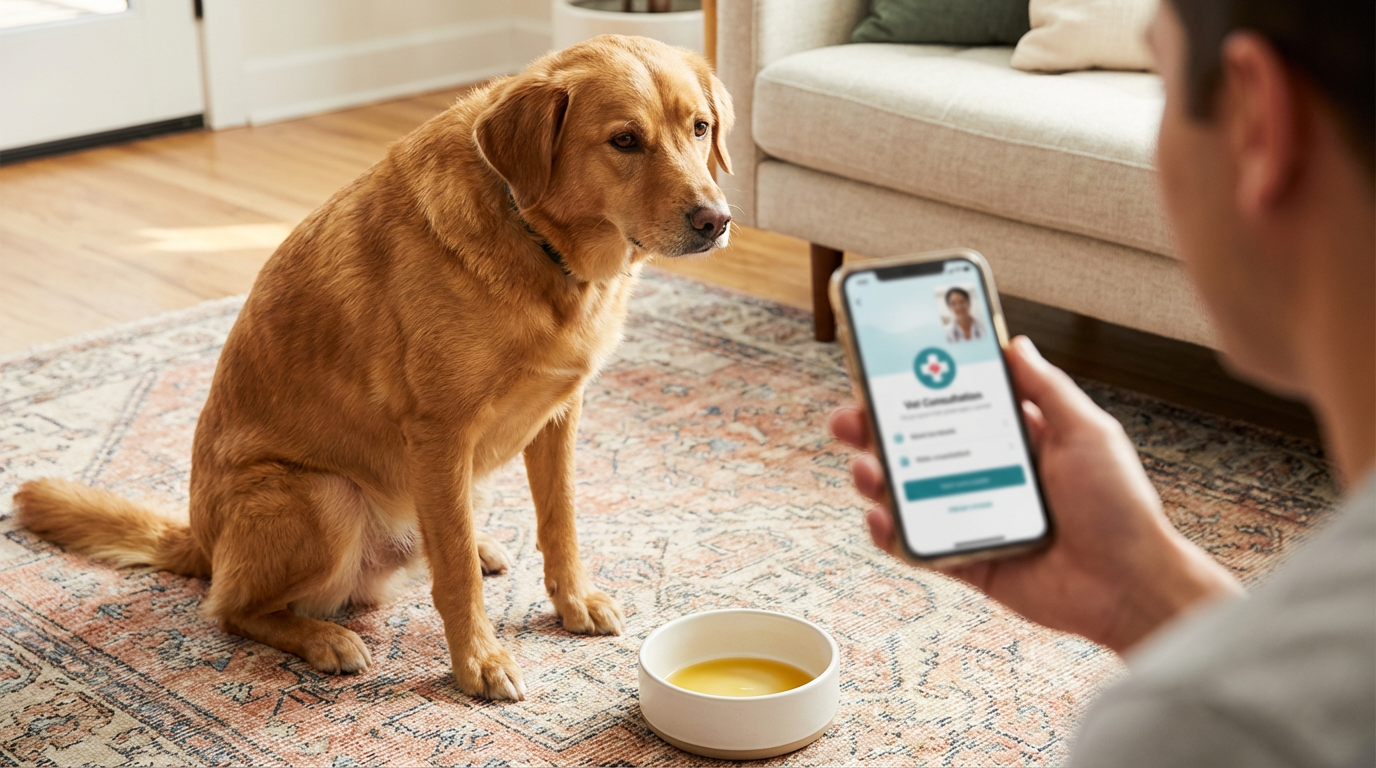
When your pet suddenly gets sick, it is natural to feel anxious. Many owners find themselves searching for answers when facing Dog Vomiting but Acting Normal: Should You Still Call a Vet? because they want to avoid unnecessary trips to an emergency clinic. While a single instance of an upset stomach might resolve on its own, it is essential to distinguish between a minor dietary indiscretion and the early signs of a more serious health issue .
Understanding Dog Vomiting but Acting Normal: Should You Still Call a Vet? requires looking beyond just the vomiting itself. Even if your dog seems alert and playful, factors like age, underlying health conditions, or the appearance of yellow bile and bloody vomit can signal that professional guidance is needed. At RexVet, our 24/7 virtual triage service provides an affordable, professional bridge between at-home observation and expensive emergency visits. By connecting with a licensed veterinarian via a secure video call, you can receive expert advice on whether to monitor your pet at home or seek immediate care, ensuring your dog receives the right support without the stress of an unnecessary clinic trip.
Why Your Dog Might Still Be Acting Normal
When your pup shows signs of illness, it is common to wonder about Dog Vomiting but Acting Normal: Should You Still Call a Vet?. Often, a single episode is simply an isolated reaction to eating something too fast or a minor dietary indiscretion. If your pet remains energetic, maintains a normal appetite, and shows no signs of abdominal pain, monitoring them at home for a few hours is usually safe . However, even if they seem fine, you should remain vigilant for subtle changes.
- Check for dehydration by gently lifting the skin between their shoulder blades to ensure it snaps back quickly.
- Observe if the vomit contains yellow bile , which might suggest an empty stomach or a more persistent digestive issue.
- Watch for lethargy or a sudden refusal to drink water , as these can be warning signs of underlying trouble.
Asking Dog Vomiting but Acting Normal: Should You Still Call a Vet? is a responsible step toward proactive care. At RexVet, our virtual triage services help you distinguish between a temporary upset and a situation requiring urgent attention, providing peace of mind without the stress of an unnecessary clinic visit.
When to Monitor Your Dog at Home
Deciding when to start a period of observation at home requires careful judgment. When you search for Dog Vomiting but Acting Normal: Should You Still Call a Vet?, remember that your primary goal is to rule out hidden emergencies like gastric dilatation-volvulus or systemic toxicity. A safe window for observation is typically limited to four to six hours, provided your pet is not a puppy or a senior dog, as these groups dehydrate much faster. If your dog remains bright, avoids abdominal pain, and shows no signs of bloody vomit, you may offer a small amount of water to check for immediate regurgitation.
However, Dog Vomiting but Acting Normal: Should You Still Call a Vet? remains a valid question because even subtle shifts in behavior can indicate trouble. If your pet refuses food after a few hours or shows persistent lethargy, the situation has moved beyond safe monitoring. At RexVet, we help you navigate these moments by offering professional tele-triage. Connecting with our team allows you to assess the risk level accurately, ensuring that you do not miss the window for necessary care while avoiding the stress of an unnecessary emergency room visit.
Red Flags That Require Immediate Professional Attention
When evaluating Dog Vomiting but Acting Normal: Should You Still Call a Vet?, it is vital to recognize that your pet may mask severe internal distress. While they might seem energetic, specific clinical red flags necessitate immediate intervention to prevent life-threatening complications. Watch for non-productive retching, which is a hallmark sign of gastric dilatation-volvulus, or bloat, a condition where every minute counts. If you observe bloody vomit , persistent abdominal pain, or signs of severe dehydration like tacky gums, do not wait for symptoms to worsen.
Even if your dog is Dog Vomiting but Acting Normal: Should You Still Call a Vet?, these indicators suggest an urgent need for professional assessment:
Symptom | Risk Level |
|---|---|
Non-productive retching | Critical/Emergency |
Bright red or coffee-ground vomit | High |
Extreme lethargy | High |
Repeated yellow bile | Moderate |
At RexVet, our 24/7 virtual triage service acts as your immediate safety net. Instead of guessing, you can connect with a licensed veterinarian who will analyze these specific symptoms and help you decide if a home bland diet is appropriate or if you need to head to an emergency clinic. Getting professional clarity early is the best way to ensure your pet stays safe.
The Role of Virtual Triage in Pet Health
When you notice your Dog Vomiting but Acting Normal: Should You Still Call a Vet?, you are essentially standing at a crossroads between observation and clinical intervention. Telehealth acts as the vital bridge in this scenario, allowing you to leverage professional expertise before a minor stomach upset escalates into a systemic emergency. By utilizing a virtual consultation, you can share real-time video of your pet’s behavior, which helps our licensed veterinarians assess subtle indicators of distress that might be invisible to the untrained eye.
Data suggests that nearly sixty percent of non-emergency digestive issues can be managed at home with specific dietary adjustments, provided there is no underlying pathology. However, the question of Dog Vomiting but Acting Normal: Should You Still Call a Vet? remains critical because early professional triage prevents the common mistake of waiting too long. Our platform provides the necessary guidance to determine if a bland diet is sufficient or if your pet requires immediate diagnostics. By choosing a virtual assessment, you gain the confidence to monitor your pet safely, ensuring that you only visit an emergency clinic when it is truly medically necessary.
Evaluating Vomit Color and Consistency for Clues
When analyzing the contents of your dog's stomach, color and texture provide essential diagnostic clues. Clear or white foam often indicates saliva or gastric juices, which may occur if your pet has an empty stomach or minor throat irritation. In contrast, yellow bile suggests the stomach is completely empty, often seen in cases of bilious vomiting syndrome. If you find yourself asking Dog Vomiting but Acting Normal: Should You Still Call a Vet?, remember that the presence of undigested food points toward a rapid eating habit rather than systemic illness.
However, dark brown material or a coffee-ground appearance is a major concern, as it often indicates digested blood from the upper gastrointestinal tract. While many owners wonder about Dog Vomiting but Acting Normal: Should You Still Call a Vet?, these specific colors require immediate professional review. Our RexVet platform allows you to upload photos of the vomit during a video consultation, helping our team determine if you are dealing with a simple dietary indiscretion or a more complex issue. By evaluating these visual cues early, you can avoid unnecessary anxiety and ensure your pet receives the correct care path.
Age Matters: Puppies Versus Senior Dog Risks
When considering Dog Vomiting but Acting Normal: Should You Still Call a Vet?, age serves as a critical filter for risk. Puppies under six months and senior dogs over ten years have significantly less physiological reserve than healthy adults. A puppy's immune system is still developing, making them highly susceptible to rapid dehydration and parvovirus, while senior dogs often manage underlying conditions like kidney disease or metabolic shifts that make even mild vomiting a potential crisis.
For these vulnerable groups, the standard wait-and-see approach is often inappropriate. While a middle-aged dog might handle a minor stomach upset, a puppy or senior pet can decline within hours. If you find yourself asking Dog Vomiting but Acting Normal: Should You Still Call a Vet?, our 24/7 virtual triage team at RexVet can help you assess these age-specific risks immediately. By providing professional guidance, we help you determine if your pet requires urgent in-person care or if they can be safely managed at home. Don't leave your pet's health to chance; our licensed veterinarians provide the clarity you need to protect your most vulnerable family members.
Documenting Symptoms for Your Veterinary Consultation
When you notice your pet is suffering from a bout of illness, the question Dog Vomiting but Acting Normal: Should You Still Call a Vet? often creates unnecessary panic. Effective symptom tracking is your best tool for clarity. Start by maintaining a simple health log on your phone, noting the exact time of each episode, the appearance of the vomit, and your dog's activity level immediately afterward. This data is invaluable during a virtual consultation , as it allows our licensed veterinarians to spot patterns you might miss.
When documenting, be specific about environmental triggers. Did your dog get into the trash, chew a new plant, or eat a different treat? Tracking these details helps distinguish between simple tummy upset and potential toxicity. If you are still wondering Dog Vomiting but Acting Normal: Should You Still Call a Vet?, remember that our 24/7 triage service provides an affordable, professional assessment to help you decide if you can manage the situation with a bland diet or if you need to seek urgent care. Keeping a detailed record ensures you provide the most accurate information to our team, leading to faster, more effective guidance for your pet.
Avoiding Unnecessary Emergency Clinic Visits
When you notice your Dog Vomiting but Acting Normal: Should You Still Call a Vet?, the financial burden of an emergency clinic visit often feels overwhelming. However, skipping professional advice entirely can be risky. RexVet offers a cost-effective alternative through our 24/7 virtual triage, which helps you avoid unnecessary emergency fees. By choosing a virtual consultation, you gain access to licensed veterinarians who can determine if your pet truly needs in-person care or if simple at-home adjustments are sufficient.
Data shows that many minor digestive upsets, such as those caused by dietary indiscretions, do not require expensive diagnostic testing or overnight stays. Instead of rushing to a clinic, our platform allows you to receive a professional assessment for a fraction of the cost. If you are still asking Dog Vomiting but Acting Normal: Should You Still Call a Vet?, remember that our mission-driven model prioritizes accessible care. We empower you to manage non-emergency symptoms safely, ensuring your dog receives expert guidance while you save money on preventable hospital trips. Use our appointment booking feature to connect with a professional today.
Bland Diet and Hydration Support Strategies
When your pet is experiencing Dog Vomiting but Acting Normal: Should You Still Call a Vet?, the safest approach involves resting the digestive tract. If your dog has vomited once but remains playful, withholding food for six to eight hours can prevent further irritation. After this fast, introduce a bland diet, such as plain boiled chicken breast mixed with white rice, in small, frequent portions. This gentle transition helps settle the stomach without overwhelming the system.
Maintaining hydration is equally vital, especially since vomiting can lead to fluid loss. Offer small amounts of water or an electrolyte-balanced pet solution frequently rather than allowing them to gulp large bowls at once. If you are still questioning Dog Vomiting but Acting Normal: Should You Still Call a Vet?, remember that our RexVet virtual consultations provide a cost-effective way to confirm if these home strategies are appropriate for your specific situation. Our licensed veterinarians help you monitor for subtle changes, ensuring you provide the right supportive care while avoiding unnecessary emergency expenses. If your dog shows any signs of dehydration, such as dry, tacky gums or lethargy, reach out to our team immediately for professional guidance.
When to Connect With a RexVet Professional
When you notice your pet is Dog Vomiting but Acting Normal: Should You Still Call a Vet?, it is easy to feel stuck between caution and overreacting. While many minor stomach upsets resolve on their own, our virtual triage service provides the perfect middle ground for busy pet parents. By booking a virtual consultation, you gain immediate access to a licensed professional who can assess your dog's specific symptoms in real-time.
Data shows that early intervention through telehealth can prevent up to 40% of unnecessary emergency room visits by providing owners with clear, actionable home-care instructions. Whether you are worried about potential toxin ingestion or simply unsure about a change in diet, our team helps you navigate the decision-making process. If you are still asking Dog Vomiting but Acting Normal: Should You Still Call a Vet?, remember that our 24/7 support is designed to offer peace of mind without the high costs of in-person clinics. Book your virtual triage appointment today to ensure your dog receives the expert guidance they need, exactly when you need it most.
Can pancreatitis cause dog vomiting?
When exploring the link between pancreatitis and a dog's digestive health, it is common for owners to be confused by symptoms that seem contradictory. Pancreatitis involves inflammation of the pancreas, which can trigger sudden vomiting even if the dog appears energetic. Many owners search for Dog Vomiting but Acting Normal: Should You Still Call a Vet? because they assume that a playful pup cannot be seriously ill. However, clinical research indicates that early-stage pancreatitis often presents with subtle signs before systemic collapse occurs.
While your pet might seem fine, pancreatitis can lead to severe dehydration and electrolyte imbalances if left unmanaged. If you find yourself asking Dog Vomiting but Acting Normal: Should You Still Call a Vet?, remember that professional triage is your best defense. Our team at RexVet can help you identify if the vomiting is related to dietary indiscretion or an inflammatory condition requiring medical intervention. By utilizing our 24/7 virtual consultation , you can gain clarity on whether your dog needs immediate diagnostics or can be safely monitored at home, ensuring you never miss the window for effective treatment.
Frequently Asked Questions
Is dog vomiting but acting normal: should you still call?
Even if your dog seems fine, it is often wise to seek professional guidance. When you notice Dog Vomiting but Acting Normal: Should You Still Call a Vet? is a common question, and the answer is that a quick virtual triage can provide peace of mind. While a single episode might be minor, a licensed vet at RexVet can help you determine if there are subtle signs of illness you might be missing, ensuring you don't wait too long if the situation escalates.
What are the red flags to watch for if my dog is vomiting but acting normal?
When considering Dog Vomiting but Acting Normal: Should You Still Call a Vet?, you must look beyond energy levels. Watch for these red flags that require immediate attention:
- Repeated vomiting or retching without producing anything
- Blood in the vomit or stool
- Signs of abdominal pain, such as a hunched back or panting
- Extreme lethargy or weakness
- Suspected ingestion of toxins or foreign objects
If you see these, book a consultation on our platform immediately.
How can a virtual vet help when my dog is vomiting but acting normal?
A virtual visit is the perfect middle ground. If you are asking Dog Vomiting but Acting Normal: Should You Still Call a Vet?, our RexVet professionals can assess your pet via video to identify potential issues. We help you decide if you can manage the situation at home with a bland diet or if you need to head to an emergency clinic. This service saves you time and prevents unnecessary stress for your dog.
Should I feed my dog after they have been vomiting?
If you are dealing with Dog Vomiting but Acting Normal: Should You Still Call a Vet?, it is generally recommended to withhold food for a few hours to let the stomach settle. Once your dog has been stable, you can offer a small portion of a bland diet, such as boiled chicken and white rice. Always consult with a RexVet professional first to ensure this approach is safe for your specific pet's health history.
When does dog vomiting become an emergency situation?
Vomiting becomes an emergency when it signals a life-threatening condition like gastric dilatation-volvulus (GDV) or severe dehydration. If you are wondering Dog Vomiting but Acting Normal: Should You Still Call a Vet?, remember that symptoms can change rapidly. If your dog is attempting to vomit but nothing comes up, has a hard or bloated abdomen, or is showing signs of dehydration, do not wait. Seek emergency veterinary care immediately.
How do I monitor my dog at home after they have vomited?
To monitor your pet effectively, keep a log of the frequency and appearance of the vomit, such as yellow bile or undigested food. If you are questioning Dog Vomiting but Acting Normal: Should You Still Call a Vet?, use this log during your RexVet virtual consultation. Watch for changes in appetite, water intake, and bathroom habits. If your dog's condition does not improve within 24 hours, contact us for further medical advice.
Related reading: Frantic grazing beforehand? why dogs suddenly eat grass like crazy.
FAQs
Is dog vomiting but acting normal: should you still call a vet?
Even if your dog seems fine, it is often wise to seek professional guidance. When you notice dog vomiting but acting normal: should you still call a vet? is a common question, and the answer is that a quick virtual triage can provide peace of mind. While a single episode might be minor, a licensed vet at RexVet can help you determine if there are subtle signs of illness you might be missing, ensuring you don't wait too long if the situation escalates.
What are the red flags to watch for if my dog is vomiting but acting normal?
When considering dog vomiting but acting normal: should you still call a vet?, you must look beyond energy levels. Watch for these red flags that require immediate attention:
- Repeated vomiting or retching without producing anything
- Blood in the vomit or stool
- Signs of abdominal pain, such as a hunched back or panting
- Extreme lethargy or weakness
- Suspected ingestion of toxins or foreign objects
If you see these, book a consultation on our platform immediately.
How can a virtual vet help when my dog is vomiting but acting normal?
A virtual visit is the perfect middle ground. If you are asking dog vomiting but acting normal: should you still call a vet?, our RexVet professionals can assess your pet via video to identify potential issues. We help you decide if you can manage the situation at home with a bland diet or if you need to head to an emergency clinic. This service saves you time and prevents unnecessary stress for your dog.
Should I feed my dog after they have been vomiting?
If you are dealing with dog vomiting but acting normal: should you still call a vet?, it is generally recommended to withhold food for a few hours to let the stomach settle. Once your dog has been stable, you can offer a small portion of a bland diet, such as boiled chicken and white rice. Always consult with a RexVet professional first to ensure this approach is safe for your specific pet's health history.
When does dog vomiting become an emergency situation?
Vomiting becomes an emergency when it signals a life-threatening condition like gastric dilatation-volvulus (GDV) or severe dehydration. If you are wondering dog vomiting but acting normal: should you still call a vet?, remember that symptoms can change rapidly. If your dog is attempting to vomit but nothing comes up, has a hard or bloated abdomen, or is showing signs of dehydration, do not wait. Seek emergency veterinary care immediately.
How do I monitor my dog at home after they have vomited?
To monitor your pet effectively, keep a log of the frequency and appearance of the vomit, such as yellow bile or undigested food. If you are questioning dog vomiting but acting normal: should you still call a vet?, use this log during your RexVet virtual consultation. Watch for changes in appetite, water intake, and bathroom habits. If your dog's condition does not improve within 24 hours, contact us for further medical advice.
Medically Reviewed
Reviewed by Dr. Tiffany Delacruz, DVM — licensed veterinarian and CEO of RexVet. Last reviewed April 24, 2026.
Content is for informational purposes and does not replace professional veterinary advice.
Chief Executive Officer · Licensed Veterinarian
Dr. Delacruz is a licensed Doctor of Veterinary Medicine specializing in preventive care and veterinary telehealth. She reviews all health content on RexVet to ensure accuracy and clinical relevance.
Sources & References
- · American Veterinary Medical Association — Telehealth Guidelines
- · AVMA — Pet Care Resources
- · U.S. FDA — Animal & Veterinary
Need an Expert Opinion on This Topic?
Connect with a certified vet via video call in minutes
Talk to Vet Now