
Cat Urinary Problems at Home: Early Signs That Shouldn’t Be Ignored
By RexVet Team | Reviewed by Dr. Tiffany Delacruz, DVM
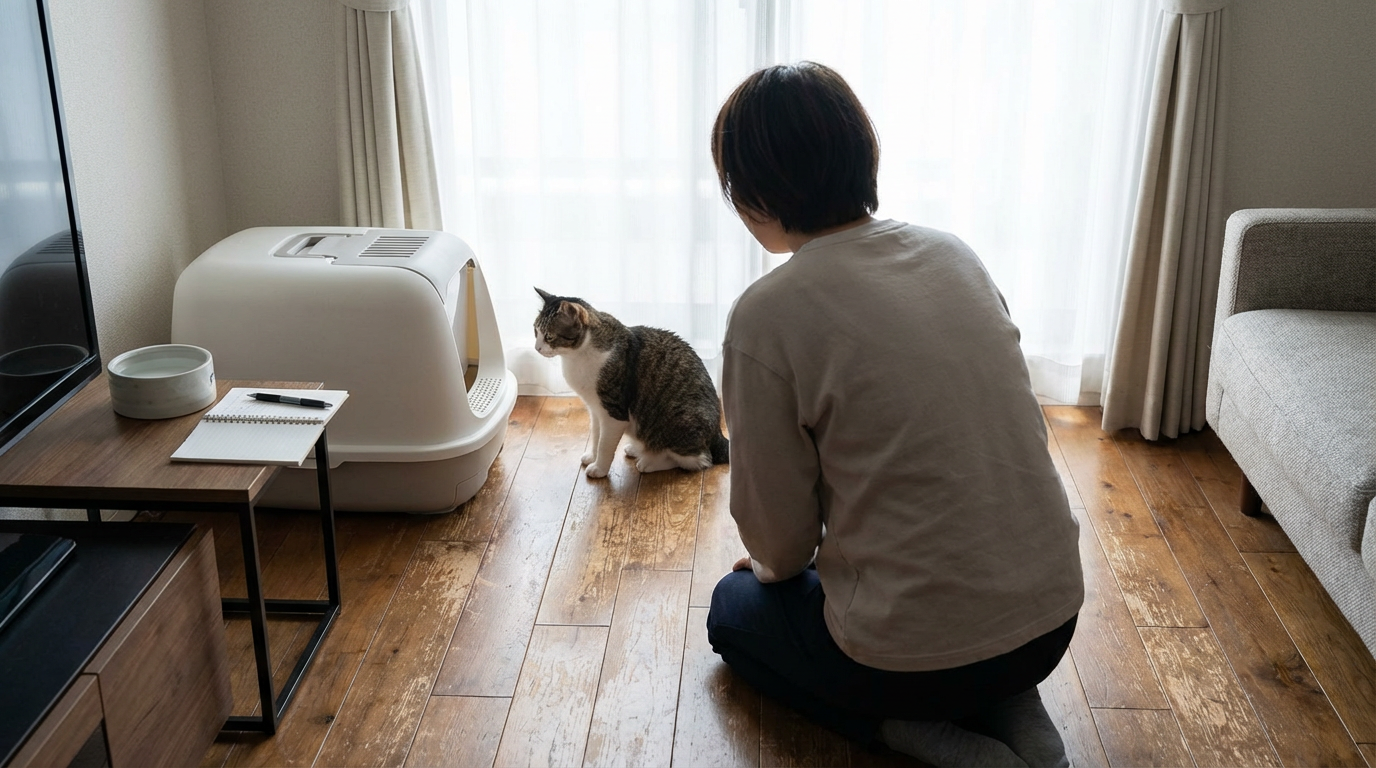
When your cat begins to show subtle changes in their bathroom habits, it is easy to assume they are just being picky or acting out. However, Cat Urinary Problems at Home: Early Signs That Shouldn’t Be Ignored often serve as the first warning of serious health concerns like feline lower urinary tract disease or painful urinary crystals. Observing your cat closely for frequent trips to the litter box, straining, or vocalizing while urinating can be the difference between a simple treatment plan and a life-threatening urinary blockage.
Understanding Cat Urinary Problems at Home: Early Signs That Shouldn’t Be Ignored is vital for every pet parent, especially because cats are masters at hiding discomfort. Whether it is feline idiopathic cystitis or a potential urinary tract infection, early intervention is key. At RexVet, we believe that cost should never be a barrier to your pet's health. Our 24/7 virtual consultations allow you to triage these symptoms immediately from the comfort of your home. If you notice bloody urine or your cat is unable to pass any urine at all, please recognize this as a medical emergency and Book Appointment with our team to determine if you need immediate veterinary care.
Why Early Detection Saves Your Cat
When monitoring Cat Urinary Problems at Home: Early Signs That Shouldn’t Be Ignored, time is your most valuable asset. Because cats are evolutionarily wired to mask illness, by the time you notice them hiding or acting unusually, the condition may have already escalated. Recognizing these shifts early allows our veterinary team to intervene before a minor irritation turns into a life-threatening urinary blockage, which is particularly dangerous for male cats.
Understanding Cat Urinary Problems at Home: Early Signs That Shouldn’t Be Ignored means looking for these specific behavioral red flags:
- Repeated, unproductive trips to the litter box.
- Vocalizing or crying out during urination attempts.
- Excessive grooming of the genital area.
- Urinating in unusual spots like laundry piles or rugs.
If you observe these behaviors, do not wait for the situation to resolve itself. As a non-profit telehealth provider, RexVet offers immediate virtual veterinary consultations to help you triage these symptoms. Assessing your cat through a professional lens early can help determine if the issue is manageable or requires an urgent trip to an emergency clinic. Please Book Appointment today to ensure your cat receives the prompt care they deserve.
Subtle Behavioral Changes to Watch For
When monitoring for Cat Urinary Problems at Home: Early Signs That Shouldn’t Be Ignored, pay close attention to subtle shifts in your pet's bathroom routine. While many owners focus on obvious accidents, early indicators often involve changes in posture or duration. A cat that lingers in the litter box for an extended time or adopts a hunched, tense stance while attempting to eliminate may be struggling with inflammation or discomfort. These behavioral cues are critical because they often precede more severe symptoms like straining or total obstruction.
You might also notice your cat visiting the box more frequently but producing only tiny amounts of urine, or perhaps they begin scratching at the litter excessively as if trying to bury a problem they cannot resolve. Recognizing these Cat Urinary Problems at Home: Early Signs That Shouldn’t Be Ignored is essential for proactive health management. Because feline lower urinary tract disease can progress rapidly, waiting for a clear crisis often complicates treatment. Our team at RexVet provides accessible, 24/7 virtual triage to help you interpret these early warning signs. If you suspect your cat is showing these behaviors, please Book Appointment to consult with a licensed veterinarian who can guide your next steps safely.
Physical Symptoms of Potential Urinary Distress
Beyond behavioral shifts, physical indicators of Cat Urinary Problems at Home: Early Signs That Shouldn’t Be Ignored often manifest as visible changes to your pet's body. You might notice a hard, distended abdomen, which can indicate a painful bladder full of urine that the cat cannot pass. This physical tension is a major red flag. Additionally, check for signs of dehydration, such as tacky gums or loss of skin elasticity, as cats experiencing chronic discomfort often stop drinking or eating normally. Some owners also observe a distinct, strong ammonia-like odor coming from the cat's coat, caused by urine scalding or incomplete grooming.
When you monitor for Cat Urinary Problems at Home: Early Signs That Shouldn’t Be Ignored, look for these specific physical warning signs:
Physical Indicator | What It Suggests |
|---|---|
Distended, firm abdomen | Full bladder or severe inflammation |
Tacky or dry gums | Potential dehydration from reduced intake |
Urine-stained fur | Inability to groom or leakage |
Lethargy or hunched posture | Significant systemic pain |
If you spot these physical changes, do not delay. Our 24/7 virtual triage at RexVet helps you determine if your cat needs an immediate trip to the emergency room or can be managed through a scheduled consultation. Please Book Appointment now to get professional guidance.
The Critical Risk of Male Cat Blockages
Male cats face a significantly higher risk of life-threatening urinary emergencies due to their unique anatomy. Their urethra is much narrower and longer than that of a female cat, making it incredibly easy for small amounts of mucus, inflammatory debris, or tiny urinary crystals to create a complete plug. When this happens, urine cannot exit the body, leading to a rapid buildup of toxins in the bloodstream that can cause kidney failure or cardiac arrest within twenty-four to forty-eight hours. Recognizing Cat Urinary Problems at Home: Early Signs That Shouldn’t Be Ignored is the single most effective way to prevent this fatal outcome.
Because male cats are so prone to these obstructions, any change in their bathroom habits must be treated as a potential crisis. While you monitor for Cat Urinary Problems at Home: Early Signs That Shouldn’t Be Ignored, remember that even a partial blockage is a medical emergency. If your male cat is struggling to urinate, do not wait for symptoms to worsen. RexVet provides 24/7 virtual triage to help you assess the severity of these signs immediately. By connecting with our team, you can determine if your cat requires an urgent trip to an emergency clinic or if the situation can be stabilized through professional guidance.
Differentiating Behavioral Issues From Medical Conditions
Distinguishing between behavioral litter box avoidance and true medical distress is a common challenge for pet owners. When you notice Cat Urinary Problems at Home: Early Signs That Shouldn’t Be Ignored, it is vital to understand that cats rarely eliminate outside the box out of spite. Often, a cat associates the litter box with the pain caused by inflammation or stones, leading them to seek relief on softer surfaces like carpets or laundry. While behavioral issues might stem from stress or environmental changes, medical conditions require immediate intervention.
To differentiate, consider the context of the accident. A behavioral issue often involves a specific trigger, such as a new pet or a moved litter box. Conversely, Cat Urinary Problems at Home: Early Signs That Shouldn’t Be Ignored often present with physical distress signals like frequent posturing or vocalizing. Because these symptoms overlap with conditions like feline idiopathic cystitis, guessing the cause can be dangerous. Our RexVet virtual triage service helps you analyze these patterns to determine if you need an in-person exam or if the situation can be managed remotely. Book Appointment today to receive professional guidance tailored to your cat's specific situation.
Preparing for a Virtual Veterinary Consultation
When you start documenting Cat Urinary Problems at Home: Early Signs That Shouldn’t Be Ignored, precision is your greatest tool. Start by keeping a simple log of your cat's bathroom frequency and the size of urine clumps in the litter box. If you notice clumps shrinking in size or appearing more often, note the exact time and frequency. This data is invaluable during a virtual consultation, as it helps our veterinarians distinguish between mild inflammation and urgent blockages.
You should also capture clear photos of any accidents outside the box, noting the color and consistency of the urine. If you see pink or red tinges, document this immediately, as it is a significant clinical indicator. While tracking these Cat Urinary Problems at Home: Early Signs That Shouldn’t Be Ignored, avoid the temptation to try home remedies, as these can obscure symptoms and delay a professional diagnosis. Instead, use our 24/7 telehealth platform to share your findings with a licensed expert. By providing a clear, chronological history of these changes, you help us triage your pet’s condition accurately and determine if immediate emergency care is required. Book Appointment today to get the professional guidance your cat needs.
Triage: When to Seek Immediate Care
When your cat exhibits sudden changes in bathroom behavior, recognizing Cat Urinary Problems at Home: Early Signs That Shouldn’t Be Ignored is vital for preventing life-threatening complications. While some symptoms seem minor, they can escalate into a complete urinary blockage within hours, particularly in male cats. You must seek urgent veterinary care if your cat is straining without producing urine, vomiting, or appearing visibly distressed. These are not behavioral quirks; they are medical emergencies requiring immediate professional intervention.
Because time is critical, RexVet offers 24/7 virtual triage to help you distinguish between manageable discomfort and a crisis requiring an emergency room visit. Our licensed veterinarians can assess your cat's specific symptoms remotely, saving you unnecessary stress while ensuring your pet receives the correct level of care. By staying vigilant regarding Cat Urinary Problems at Home: Early Signs That Shouldn’t Be Ignored, you act as your pet's first line of defense. Do not wait for symptoms to worsen or attempt home remedies that may mask underlying issues. If you notice any of these alarming signs, please Book Appointment with our team immediately to secure your cat's health and comfort.
How RexVet Supports Your Cat at Home
When you notice Cat Urinary Problems at Home: Early Signs That Shouldn’t Be Ignored, the speed of your response is vital. Many pet owners wait to see if symptoms resolve, but delaying professional assessment can lead to severe health complications. Our virtual veterinary triage service provides an affordable, non-profit solution that bridges the gap between observation and urgent care. By connecting with a licensed veterinarian via video, you can receive expert guidance on whether your cat requires an immediate emergency clinic visit or if the situation can be safely managed at home.
Understanding Cat Urinary Problems at Home: Early Signs That Shouldn’t Be Ignored allows you to act as a proactive advocate for your pet. Our platform helps you document specific symptoms, such as changes in urine volume or frequency, which are critical for an accurate diagnosis. Because we prioritize accessibility, we ensure that cost-conscious families have the support they need to make informed decisions. If you suspect your cat is struggling, do not hesitate to Book Appointment for a professional consultation. Getting early, expert advice is the most effective way to protect your cat from the risks associated with feline lower urinary tract disease and other painful conditions.
Maintaining Long-Term Urinary Health
Maintaining long-term urinary health requires a proactive approach to your cat's daily environment. When you monitor for Cat Urinary Problems at Home: Early Signs That Shouldn’t Be Ignored, consider the importance of hydration and litter box hygiene. Increasing water intake through wet food or fountains can dilute urine, which helps prevent the formation of painful crystals. Furthermore, keeping the litter box scrupulously clean reduces stress, as cats are sensitive to odors and may avoid dirty boxes, leading to holding urine for too long.
Consistency is key to spotting issues before they escalate. By tracking your pet's habits, you become an expert on what is normal for your companion. Recognizing Cat Urinary Problems at Home: Early Signs That Shouldn’t Be Ignored allows for a faster response when things shift. If you notice subtle changes in your cat's behavior, our 24/7 virtual triage service at RexVet provides a professional, non-profit resource to evaluate the situation. Do not wait for a crisis to develop; early consultation often leads to simpler, more effective management plans. Book Appointment today to ensure your cat stays happy and healthy.
What are the three early warning signs of bladder disease?
When identifying Cat Urinary Problems at Home: Early Signs That Shouldn’t Be Ignored, pet parents should focus on three primary indicators: altered frequency, changes in urine volume, and localized grooming habits. Research suggests that nearly 10% of cats seen in veterinary practices present with lower urinary tract concerns, making vigilance essential. First, watch for increased trips to the litter box that yield little to no output; this often signals inflammation or a potential blockage. Second, observe the volume of urine clumps. Smaller, more frequent clumps are a hallmark of irritation. Finally, notice if your cat spends excessive time licking their genital region, which is a common response to burning or discomfort.
Recognizing Cat Urinary Problems at Home: Early Signs That Shouldn’t Be Ignored early allows for faster intervention. Because cats naturally hide pain, these subtle behavioral shifts are often your only warning before a condition escalates. Our 24/7 virtual triage service at RexVet helps you assess these symptoms immediately, ensuring you never have to guess whether your cat needs urgent care. If you notice these warning signs, please Book Appointment to speak with a licensed veterinarian today.
Frequently Asked Questions
What are the most common early signs of cat urinary problems at home that I should watch for?
When monitoring for Cat Urinary Problems at Home: Early Signs That Shouldn’t Be Ignored, look for subtle behavior changes. These include frequent trips to the litter box with little or no urine produced, straining while in the box, vocalizing in pain, or grooming the genital area excessively. You might also notice your cat urinating in unusual places like laundry baskets or rugs. If you spot these, do not wait; contact a professional via our 24/7 virtual platform for immediate triage.
Why is it dangerous to ignore cat urinary problems at home?
Ignoring Cat Urinary Problems at Home: Early Signs That Shouldn’t Be Ignored is risky because these symptoms can escalate rapidly. In male cats, a partial blockage can turn into a complete obstruction within hours, which is a life-threatening medical emergency. Even in females, what seems like a minor issue can cause severe pain or indicate underlying conditions like feline idiopathic cystitis or urinary crystals. Early veterinary assessment is vital to prevent a minor issue from becoming a critical crisis.
How can a virtual vet consultation help with cat urinary problems at home?
A RexVet virtual consultation is the perfect first step when you notice Cat Urinary Problems at Home: Early Signs That Shouldn’t Be Ignored. Our licensed veterinarians can help you assess the urgency of the symptoms through video triage. We will help you determine if your cat needs an immediate in-person emergency clinic visit or if the situation can be managed through our telehealth services. This cost-effective approach ensures your cat receives professional guidance without the stress of an unnecessary car ride.
Should I try home remedies if I suspect my cat has urinary issues?
It is strongly advised to avoid unverified home remedies when dealing with Cat Urinary Problems at Home: Early Signs That Shouldn’t Be Ignored. Many common suggestions found online can actually mask symptoms or delay necessary medical intervention. Instead of experimenting at home, please book an appointment with our team. We provide evidence-based, professional guidance to ensure your pet gets the right treatment, keeping your cat safe and avoiding the risks associated with guessing at home.
How can I prepare for a virtual visit regarding cat urinary problems at home?
To get the most out of your session regarding Cat Urinary Problems at Home: Early Signs That Shouldn’t Be Ignored, please prepare the following: 1) A list of all symptoms, including how long they have lasted. 2) Observations on your cat's eating and drinking habits. 3) Any photos or videos of the litter box contents if possible. 4) A list of your cat's current diet and medications. Having this info ready helps our vets provide a faster, more accurate triage for your pet.
FAQs
What are the most common early signs of cat urinary problems at home that I should watch for?
When monitoring for cat urinary problems at home: early signs that shouldn’t be ignored, look for subtle behavior changes. These include frequent trips to the litter box with little or no urine produced, straining while in the box, vocalizing in pain, or grooming the genital area excessively. You might also notice your cat urinating in unusual places like laundry baskets or rugs. If you spot these, do not wait; contact a professional via our 24/7 virtual platform for immediate triage.
Why is it dangerous to ignore cat urinary problems at home?
Ignoring cat urinary problems at home: early signs that shouldn’t be ignored is risky because these symptoms can escalate rapidly. In male cats, a partial blockage can turn into a complete obstruction within hours, which is a life-threatening medical emergency. Even in females, what seems like a minor issue can cause severe pain or indicate underlying conditions like feline idiopathic cystitis or urinary crystals. Early veterinary assessment is vital to prevent a minor issue from becoming a critical crisis.
How can a virtual vet consultation help with cat urinary problems at home?
A RexVet virtual consultation is the perfect first step when you notice cat urinary problems at home: early signs that shouldn’t be ignored. Our licensed veterinarians can help you assess the urgency of the symptoms through video triage. We will help you determine if your cat needs an immediate in-person emergency clinic visit or if the situation can be managed through our telehealth services. This cost-effective approach ensures your cat receives professional guidance without the stress of an unnecessary car ride.
Should I try home remedies if I suspect my cat has urinary issues?
It is strongly advised to avoid unverified home remedies when dealing with cat urinary problems at home: early signs that shouldn’t be ignored. Many common suggestions found online can actually mask symptoms or delay necessary medical intervention. Instead of experimenting at home, please book an appointment with our team. We provide evidence-based, professional guidance to ensure your pet gets the right treatment, keeping your cat safe and avoiding the risks associated with guessing at home.
How can I prepare for a virtual visit regarding cat urinary problems at home?
To get the most out of your session regarding cat urinary problems at home: early signs that shouldn’t be ignored, please prepare the following: 1) A list of all symptoms, including how long they have lasted. 2) Observations on your cat's eating and drinking habits. 3) Any photos or videos of the litter box contents if possible. 4) A list of your cat's current diet and medications. Having this info ready helps our vets provide a faster, more accurate triage for your pet.
Medically Reviewed
Reviewed by Dr. Tiffany Delacruz, DVM — licensed veterinarian and CEO of RexVet. Last reviewed April 23, 2026.
Content is for informational purposes and does not replace professional veterinary advice.
Chief Executive Officer · Licensed Veterinarian
Dr. Delacruz is a licensed Doctor of Veterinary Medicine specializing in preventive care and veterinary telehealth. She reviews all health content on RexVet to ensure accuracy and clinical relevance.
Sources & References
- · American Veterinary Medical Association — Telehealth Guidelines
- · AVMA — Pet Care Resources
- · U.S. FDA — Animal & Veterinary
Need an Expert Opinion on This Topic?
Connect with a certified vet via video call in minutes
Talk to Vet Now